ProHealth Home Care Assisted Living

700-702 33rd Avenue SW, Minot, ND 58701

For more information about senior living options: (844) 490-3973

3 from 2 reviews
Assisted Living

What level of care are you interested in?

Assisted Living

Memory Care

Independent Living

Skilled Nursing Facility

Continuing Care Retirement Community (CCRC)CCRC

Other


Request a tour at ProHealth Home Care Assisted Living

    Overall Review of ProHealth Home Care Assisted Living

    Pros

    • pro The owner/operator is amazing and pours her heart into her residents.
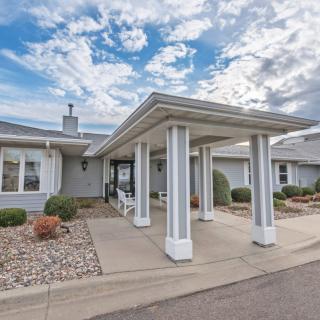
    • pro The facility feels home-like.
    • pro Every meal is cooked fresh on site.
    • pro The facility regularly organizes fun activities.
    • pro It is a must-see for individuals who need some help but still want to live in a home-like atmosphere.

    Cons

    • pro The reviewer regrets that their mother had to spend time there.
    • pro The staff were short with the residents.
    • pro If the mom didn't move fast enough getting out of her wheelchair, she was yelled at.
    • pro A resident had fallen out of his wheelchair and was bleeding from the head, and nobody was around.
    • pro The owner acted so nice when being interviewed, but that all changed once the mom was there.
    • pro The mom would never complain; she was afraid to say anything.
    • pro The residents were treated like prisoners, with no compassion from the owner.

    Review

    Two very different impressions of the same care setting emerge from the two reviews presented. One perspective centers on fear, neglect, and a sharp contrast between what was promised and what was experienced, while the other celebrates warmth, personal attention, and a genuinely home-like environment. Taken together, these accounts paint a complex picture of a facility that can be a source of comfort and support for some, yet feel unsafe or disheartening to others.

    In the more critical account, the reviewer recalls a deeply troubling experience involving a family member who needed assistance and mobility support. They describe the staff as being short with residents, creating an atmosphere that felt tense rather than supportive. The mom in this story is said to have been yelled at if she didn't move quickly enough from her wheelchair, an anecdote that underscores a perceived lack of patience and respect for residents. The reviewer even documents a frightening incident: a resident reportedly fell from a wheelchair, was bleeding from the head, and there seemed to be no immediate help nearby. The act of taking photos suggests a sense of urgency and concern for accountability. The owner is described as treating the interviewer with politeness during a separate interview, yet the reviewer feels that this cordiality vanished once the mom became a resident, leaving the impression that the owner's niceties were performative rather than consistent in daily care. The mom herself is said to have never complained, possibly out of fear or habit, which the reviewer interprets as a silence that enabled subpar treatment to continue.

    The same account portrays residents as being treated like prisoners, with a palpable sense of a harsh, controlled environment rather than a nurturing one. The reviewer emphasizes a pervasive lack of compassion from the owner, suggesting that fear was a more reliable motivator than warmth or encouragement. This portrayal contrasts sharply with the image many families seek in elder care: a place where residents are respected, listened to, and treated with tenderness, even in moments of vulnerability. The writer's emphasis on fear of speaking up and the suggestion that complaints were discouraged adds a layer of seriousness about safety and dignity that goes beyond isolated missteps.

    By contrast, the second account presents a glowing and almost opposite image of the same facility. Here the owner/operator is described as amazing, someone who pours her heart into every resident. The narrative emphasizes a strong, hands-on commitment from leadership, suggesting that the care team is supported by a supervisor who is deeply invested in the well-being of those living there. The phrase home-like appears repeatedly, conveying a sense of coziness, familiarity, and a supportive daily rhythm. Meals cooked fresh on site are highlighted as a regular, valued feature, reinforcing the impression that the environment prioritizes comfort and quality in everyday life. The reviewer notes ongoing, enjoyable activities as part of the daily routine, which adds to the sense that residents can still engage in meaningful, pleasurable experiences while receiving assistance.

    This positive review closes with a confident endorsement: the facility is a must-see for individuals who need help but still want to live in a home-like atmosphere. The emphasis on warmth, personal attention, and a sense of community suggests that for this reviewer, the environment fosters independence and dignity rather than constraint or fear. The portrait here is of a place where staff and leadership work in concert to create an inviting, supportive setting, where residents are treated with care, not as burdens or afterthoughts, and where the daily routines - meals, activities, and social engagement - are designed to enhance quality of life.

    When placing these two perspectives side by side, a striking tension emerges. Both accounts acknowledge elements of a home-like atmosphere and mention practical, comforting routines such as fresh meals and engaging activities. Yet the sentiments about how residents are treated and how concerns are handled diverge dramatically. One story centers on intimidation, fear, and a sense that issues are buried or minimized, particularly when it comes to speaking up about safety or care concerns. The other story centers on compassion, personal investment, and a culture of warmth where residents' needs and preferences seem to drive daily life. The contrast is sharp enough to invite questions about consistency across staff, shifts, and days, as well as about individual experiences versus organizational promises.

    For readers evaluating care options, these conflicting narratives underscore the importance of gathering a broad, firsthand understanding. If possible, prospective families might consider speaking with current residents and other family members, observing interactions between staff and residents, and requesting information on safety protocols and response times. It may also be helpful to review any available regulatory records or inspection reports, and to inquire about how the facility handles grievances and ensures dignity and respect for all residents. The two reviews together suggest a facility with real potential to be a warm, home-like place of care, while also highlighting that experiences can vary significantly, and that vigilance remains important to ensure safety, compassion, and consistent quality of life for every resident.

    Features

    Housing

    • 8 resident community capacity 8 resident community capacity

    Types of Care

    • Assisted Living Assisted LivingAssisted living facilities provide crucial support and care for seniors who may need help with daily tasks such as medication management, bathing, and meal preparation. These communities offer a safe and comfortable environment where seniors can maintain their independence while receiving the assistance they need to thrive in their golden years.

    Amenities

    • Cable or satellite TV Cable or satellite TVCable or satellite TV is important for seniors because it provides entertainment, news, and companionship, helping to combat loneliness and boredom. It also offers a wide range of programming options tailored to different interests and preferences.
    • Dining room Dining roomDining rooms are important for seniors as they provide a space for socialization, connection, and nutritious meals. They offer opportunities for residents to bond over shared meals, foster a sense of community, and promote healthy eating habits. Dining rooms also ensure that seniors have access to well-balanced meals tailored to their dietary needs and preferences.
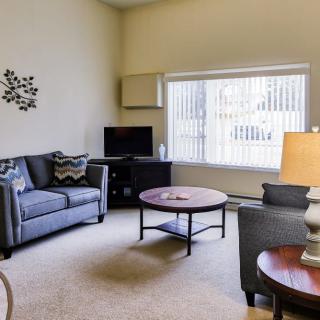
    • Fully furnished Fully furnishedFully furnished senior living communities are important for seniors because they provide convenience, comfort, and a hassle-free moving experience. Seniors can easily settle into their new living space without the stress of having to buy and move furniture. This allows them to focus on enjoying their new home and community.
    • Garden GardenGardens are important for seniors as they provide a peaceful and therapeutic environment for relaxation, physical activity, and socialization. Being in nature has been shown to reduce stress, improve mood, and promote overall well-being. Gardens also offer opportunities for seniors to engage in gardening activities, which can improve mobility, flexibility, and cognitive function. Additionally, gardens create a sense of community and connection with others who share a passion for plants and outdoor spaces.
    • Housekeeping services Housekeeping servicesHousekeeping services are important for seniors because they help maintain a clean and safe living environment, promote independence, and reduce the risk of accidents or illnesses. Additionally, having assistance with household chores can alleviate physical strain and allow seniors to focus on other aspects of their well-being.
    • Move-in coordination Move-in coordinationMove-in coordination is important for seniors because it helps ease the transition into their new living environment. It ensures that all logistics, such as packing, organizing movers, and setting up utilities are taken care of, allowing seniors to focus on settling in and adjusting to their new home. Having a smooth move-in process can alleviate stress and anxiety, making the transition smoother and more enjoyable for seniors.
    • Outdoor space Outdoor spaceOutdoor spaces are important for seniors as they provide opportunities for physical activity, social interaction, exposure to natural light and fresh air, and a sense of connection to nature. Having access to outdoor spaces can improve overall well-being and quality of life for older adults living in senior communities.
    • Telephone TelephoneTelephones are important for seniors as they provide a lifeline for communication with loved ones, emergency services, and healthcare providers. They offer a sense of security and independence, enabling seniors to stay connected and access assistance when needed.
    • Wi-Fi/high-speed internet available Wi-Fi/high-speed internet availableWi-Fi/high-speed internet is important for seniors to stay connected with loved ones, access online resources, and participate in virtual activities to combat feelings of loneliness and isolation. It also allows them to easily manage healthcare needs, access entertainment, and engage in lifelong learning opportunities.

    Transportation

    • Minot International (4 miles away) Minot International (4 miles away)

    Care Services

    • 24-hour supervision 24-hour supervision24-hour supervision is important for seniors to ensure their safety, well-being, and access to immediate assistance in case of emergencies or health issues. This constant support provides peace of mind for both seniors and their loved ones, allowing them to age in place with dignity and security.
    • Activities of daily living assistance Activities of daily living assistanceActivities of daily living assistance are important for seniors because they provide essential support with tasks such as eating, bathing, dressing, and mobility. This assistance helps seniors maintain their independence, dignity, and overall quality of life as they age.
    • Assistance with bathing Assistance with bathingAssistance with bathing is crucial for seniors as it helps maintain personal hygiene, prevents infections, and ensures their overall well-being and comfort. It also provides a sense of dignity and independence for seniors who may struggle with this task on their own.
    • Assistance with dressing Assistance with dressingAssistance with dressing is important for seniors because it helps maintain their independence, promotes personal hygiene, prevents accidents and injuries, and improves overall quality of life. This service ensures that seniors can continue to dress comfortably and confidently, despite any physical limitations they may have.
    • Assistance with transfers Assistance with transfersAssistance with transfers is crucial for seniors as it helps prevent falls and injuries, maintains their independence, and ensures they can safely navigate their living environment. It also provides peace of mind for both seniors and their loved ones.
    • Coordination with health care providers Coordination with health care providersCoordination with health care providers is crucial for seniors to ensure proper medical care, medication management, and overall well-being. This collaboration helps prevent overlapping treatments, track progress more effectively, and provide comprehensive support tailored to individual needs.
    • Diabetes diet Diabetes dietA diabetes diet is crucial for seniors as it helps manage blood sugar levels, reduce risks of complications, and improve overall health and well-being. By following a balanced and nutritious diet tailored to their specific needs, seniors can better control their diabetes and enhance their quality of life.
    • Meal preparation and service Meal preparation and serviceMeal preparation and service are crucial for seniors as they may have limited mobility or energy to cook nutritious meals. Having access to healthy and convenient food options can ensure they are getting the proper nutrition needed to maintain their overall health and well-being.
    • Medication management Medication managementMedication management is crucial for seniors to ensure they are taking the right medications at the correct dosages and times. This helps prevent adverse drug interactions, reduces the risk of medication errors, and promotes overall health and well-being. Proactive management also allows for adjustments as needed based on changing health conditions or new prescriptions.
    • Special dietary restrictions Special dietary restrictionsSpecial dietary restrictions are important for seniors because age-related changes in metabolism and health conditions can make it difficult for their bodies to process certain foods. By following a diet tailored to their specific needs, seniors can maintain their overall health and well-being, manage chronic conditions, and reduce the risk of complications such as malnutrition or food interactions with medications.
    • Transportation arrangement (medical) Transportation arrangement (medical)Transportation arrangements for medical purposes are essential for seniors as they may have difficulty driving themselves to appointments or accessing public transportation. Having reliable and safe transportation options ensures that seniors can receive timely medical care and maintain their health and well-being.
    • Transportation to doctors appointments Transportation to doctors appointmentsTransportation to doctors' appointments is crucial for seniors as it ensures they have access to necessary medical care and support for their health needs. Without reliable transportation, seniors may struggle to attend important appointments, leading to potential delays in treatment and health complications. Providing transportation services helps seniors maintain their overall well-being and quality of life.

    Dining

    • Diabetes diet Diabetes dietA diabetes diet is crucial for seniors as it helps manage blood sugar levels, reduce risks of complications, and improve overall health and well-being. By following a balanced and nutritious diet tailored to their specific needs, seniors can better control their diabetes and enhance their quality of life.
    • Special dietary restrictions Special dietary restrictionsSpecial dietary restrictions are important for seniors because age-related changes in metabolism and health conditions can make it difficult for their bodies to process certain foods. By following a diet tailored to their specific needs, seniors can maintain their overall health and well-being, manage chronic conditions, and reduce the risk of complications such as malnutrition or food interactions with medications.

    Activities

    • Community-sponsored activities Community-sponsored activitiesCommunity-sponsored activities are important for seniors as they provide opportunities for social interaction, mental stimulation, and physical activity. These activities can help improve overall well-being, combat loneliness and isolation, and promote a sense of belonging and purpose among older adults.
    • Scheduled daily activities Scheduled daily activitiesScheduled daily activities are important for seniors because they provide structure, socialization, mental stimulation, and physical activity. Engaging in regular activities can improve overall well-being and quality of life for seniors living in a community setting.

    Description

    ProHealth Home Care Assisted Living in Minot, ND is a top-notch community that offers exceptional care and comfort for seniors in need of assistance with their daily activities. With a range of amenities and services, we strive to create a nurturing environment where residents can live life to the fullest.

    Our residents enjoy the convenience of our spacious dining room, which serves delicious meals prepared with careful consideration of any special dietary restrictions. Additionally, our fully furnished accommodations provide a cozy and comfortable living space that feels just like home.

    At ProHealth Home Care Assisted Living, we understand the importance of maintaining an active lifestyle. Therefore, we offer scheduled daily activities to keep residents engaged and entertained. Whether it's socializing or pursuing personal hobbies, there's always something fun happening within our community.

    We prioritize the well-being of our residents by providing essential care services such as assistance with bathing, dressing, and transfers. Our dedicated staff also ensures medication management and coordination with healthcare providers for seamless healthcare support. We specialize in offering diabetes diets and are committed to meeting all special dietary restrictions.

    Transportation is made convenient through our arrangement for medical transportation as well as transportation to doctors' appointments. Our proximity to nearby cafes, parks, pharmacies, restaurants, places of worship, hospitals ensures easy access to various facilities and services that enhance the quality of life for our residents.

    At ProHealth Home Care Assisted Living in Minot, ND, we strive to create a warm and welcoming environment where seniors can flourish. With our extensive range of amenities and care services provided by compassionate professionals, families can have peace of mind knowing their loved ones are receiving exceptional care and support.

    Nearby Places of Interest

    Physicians

    • Sterling Optical - Minot (0.3 miles)
    • Shannon Stremick (0.9 miles)
    • Eye Clinic of North Dakota (1.3 miles)
    • Reder Michael Dr Trinity Health East Ridge Minot (1.4 miles)
    • Tri-Life Center (1.5 miles)
    • Face & Jaw Surgery Center (1.7 miles)
    • Center For Family Medicine (1.7 miles)

    Restaurants

    • KFC (0.3 miles)
    • McDonald's (0.4 miles)
    • Subway (0.4 miles)
    • Grizzly'S (0.5 miles)
    • Bento Japan (0.5 miles)
    • Badlands Grill House & Saloon (0.5 miles)
    • Crave Burger (0.5 miles)

    Places of Worship

    • Our Savior Lutheran Church (0.4 miles)
    • Dakota Missionary Evangelism (0.5 miles)
    • Southern Baptist Convention (0.6 miles)
    • Dakota Baptist Church (0.9 miles)
    • Seventh Day Adventist Clothing (1.2 miles)
    • Zion Lutheran Church (1.4 miles)
    • Our Redeemers Lutheran Church (1.5 miles)

    Parks

    • Berkin Elvan memorial national park (0.6 miles)
    • Ward County Highway Department (1.9 miles)
    • ND Game & Fish Outdoor Skills Park (3.1 miles)
    • Moose Park (3.3 miles)

    Transportation

    • Frontier Airlines (0.7 miles)
    • U-Haul Neighborhood Dealer (1.3 miles)
    • C P Rail Systems (2.3 miles)
    • Minot Station (2.4 miles)
    • Amtrak (2.5 miles)
    • Central Cab Company (2.6 miles)
    • Taxi-9000 (2.9 miles)

    Pharmacies

    • Market Pharmacy (0.8 miles)
    • CVS Pharmacy (1 miles)
    • Medicine Shoppe (1.7 miles)
    • Thrifty White Pharmacy (1.9 miles)
    • White Drug Stores (1.9 miles)
    • B & B Northwest Pharmacy (2.3 miles)
    • Keycare Pharmacy (2.3 miles)

    Cafes

    • Panera Bread (1 miles)
    • Minot's Daily Bread (1.4 miles)
    • The Daily Buzz (2.4 miles)

    Hospitals

    • Trinity Home Health/Hospice (1.9 miles)
    • Family Birth Center (2.2 miles)
    • Trinity Health Hospital (2.3 miles)
    • Sleep Center (2.3 miles)
    • Trinity Hospital - St Joseph's (2.3 miles)
    • St Joseph Hospital (2.3 miles)
    • Trinity Health Saint Joseph's Hospital (2.3 miles)

    Frequently Asked Questions

    Where is ProHealth Home Care Assisted Living?

    Nearby Communities

    Related Resources

    • assisted living activitiesBeyond the Bingo Hall: 50+ Enriching Activities for Seniors in Assisted Living

      Assisted living communities offer diverse activities beyond traditional games to enhance seniors' physical health, cognitive well-being, emotional enrichment, and social connections, including fitness classes, creative expression, and intergenerational interactions. These enriching programs foster community bonds and support residents' independence and happiness.

    • assisted living vs memory careUnderstanding the Distinctions: Assisted Living and Memory Care Explained

      The article differentiates between assisted living and memory care, explaining that assisted living supports seniors with daily activities while promoting independence, whereas memory care provides specialized services for individuals with dementia, focusing on secure environments and cognitive support. It also addresses staff training, safety considerations, costs, family involvement, and transition strategies for families navigating these care options.

    • elderly parent refuses assisted livingGuiding Elderly Parents Who Refuse Assisted Living: 6 Practical Steps

      Family caregivers face emotional, legal, and practical challenges when elderly parents refuse assisted living, often due to fears of losing autonomy. Open conversations and professional assessments can help address these concerns while exploring alternatives and ensuring safety, potentially leading to legal guardianship if necessary.


    Get Pricing Ask A Question Schedule A Tour Contact Senior Advisor