

400 Jackson Ave E, Lisbon, ND 58054
To contact a resident: (701) 683-4092
For more information about senior living options: (866) 208-4318
Overall Review of Beverly Anne Assisted Living
Pros
 The grandmother had a wonderful time at the Beverley Anne.
- She raved about the home-cooked meals, the attention, and the care she received.
- The staff treated the grandmother like family, not just dollar signs.
- The family could call for updates to ease their worry about leaving her.
- The respite care allowed the family to take a trip with peace of mind.
Cons
 She doesn't handle being away from family well.
- Being away from family and familiar foods is difficult for her.
Review
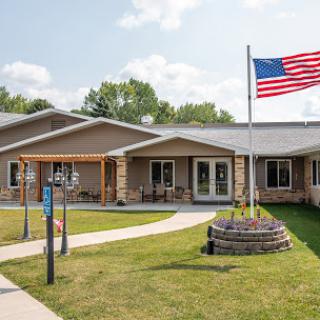
Beverly Anne Assisted Living in Lisbon, North Dakota is best suited for families seeking a warm, home-like respite option where the priority is comfort, personal attention, and straightforward communication about a loved one’s day-to-day care. This community markets itself as a place where a temporary stay feels less institutional and more like a supportive, family-like home, and that framing holds true for what the available review highlights.
The cited experience centers on a grandmother who could not travel with her family, yet still enjoyed a positive, forgivable transition into respite care. She was enthused by home-cooked meals, attentive care, and a staff demeanor that felt genuinely caring rather than transactional. The key value here is the sense that residents are treated as people, not sources of revenue. The ability for family members to request updates by phone provided essential reassurance, turning what could be a stressful separation into a manageable, less worrying process.
There are clear reasons to be cautious and to consider alternatives depending on the situation. The review does not speak to on-site medical oversight, skilled nursing capability, or the range of long-term services available. For seniors who require consistent medical management, complex nursing support, or a continuum of care as conditions change, this absence can be a decisive gap. Likewise, families seeking a larger community with a broader activity calendar or more specialized programming, especially memory care or advanced daily living supports, may want to look at options with a deeper clinical footprint and broader amenity sets.
The positives, home-cooked meals, visible attentiveness, and a familial treatment approach, offset a lack of explicit medical detail by directly addressing the daily quality of life that matters during a short-term stay. When a family is juggling travel, work obligations, and the emotional weight of leaving a loved one, the assurance that meals, routines, and personal touchpoint updates are reliable has real value. In practical terms, this means less anxiety about food, less guesswork around daily care, and more confidence during temporary separation, which can be the deciding factor for respite use.
Who should consider alternatives? Families facing higher medical acuity needs, or those seeking long-term placement with a robust clinical team and a wider array of specialized services, will likely find options that better align with clinical requirements and future planning. Individuals needing purposeful memory-care programming, more intensive rehabilitation, or a larger community with integrated healthcare partners may find that the size, scope, and service mix of Beverly Anne falls short of their standards. Additionally, households that prioritize a highly structured activity calendar or a broader menu of therapeutic offerings could prefer other communities.
In the end, Beverly Anne Assisted Living offers a compelling choice for respite stays where warmth, personal attention, and clear, accessible updates are the top criteria. It delivers a tangible, comforting experience that can ease the psychological burden of leaving a loved one in care. For families prioritizing these elements, the decision is straightforward: this community earns strong consideration. For those whose needs center more on medical oversight, long-term clinical care, or specialized programming, it is prudent to explore alternatives with a more pronounced clinical framework and broader service offerings.
 24 resident community capacity
 Assisted Living
 Activities on-site
 Beauty salon
 Cable or satellite TV
 Devotional services off-site
 Dining room
 Fully furnished
 Garden
 Housekeeping services
 Indoor common areas
 Kitchenette
 Move-in coordination
 Outdoor space
 Telephone
 Wi-Fi/high-speed internet available
 24-hour call system
 Ambulatory care
 Assistance with bathing
 Assistance with dressing
 Assistance with transfers
 Diabetes diet
 Diabetic care
 Meal preparation and service
 Medication management
 Mental wellness program
 Special dietary restrictions
 Transportation arrangement (medical)
 Transportation to doctors appointments



 8 Key Indicators That Suggest It May Be Time to Transition from Assisted Living to Skilled Nursing Care
 Vibrant Senior Living: A Comprehensive Guide for Active Older Adults
 When to Transition from Assisted Living to Memory Care: Key Indicators, Steps, and Finding the Right Community