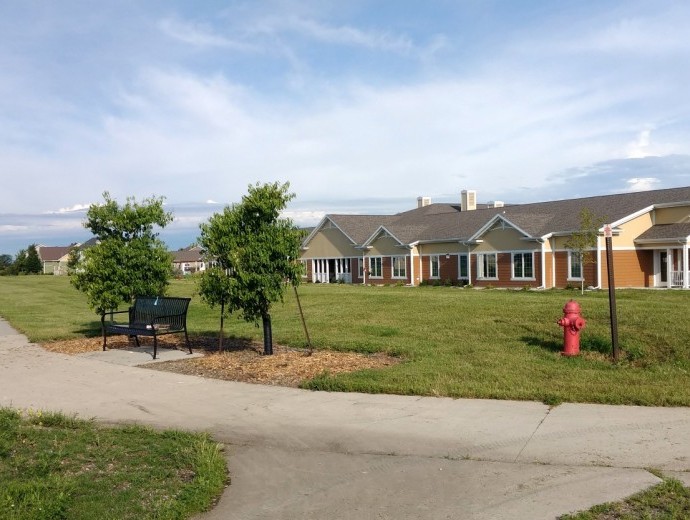







4502 37th Avenue South, Fargo, ND 58104
For more information about senior living options: (866) 208-4318
Overall Review of Good Samaritan Society
Pros
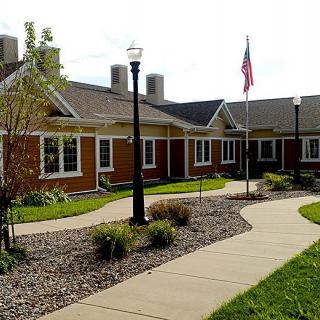
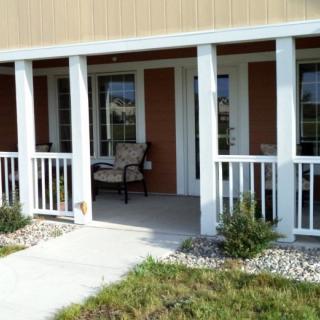
 The Good Samaritan Society in Fargo is described as a very nice facility with a clean environment and hardworking staff.
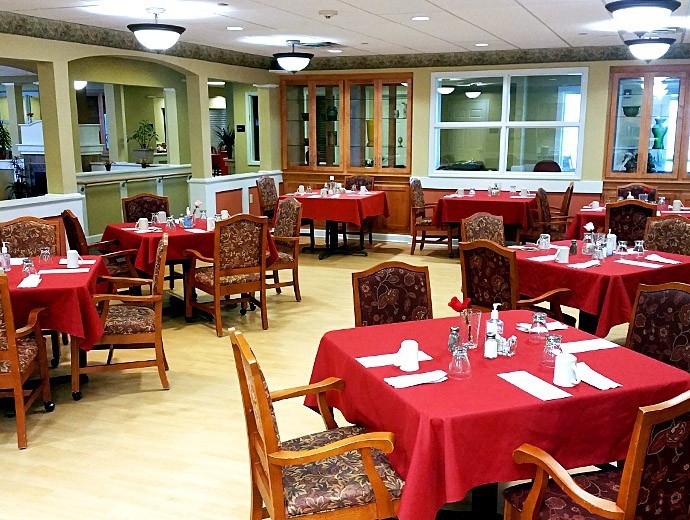
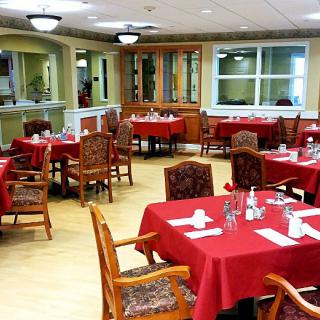
- The food is delicious and the residents are considered the best of the best.
- The management, facility, and care at Good Samaritan are highly satisfactory to families.
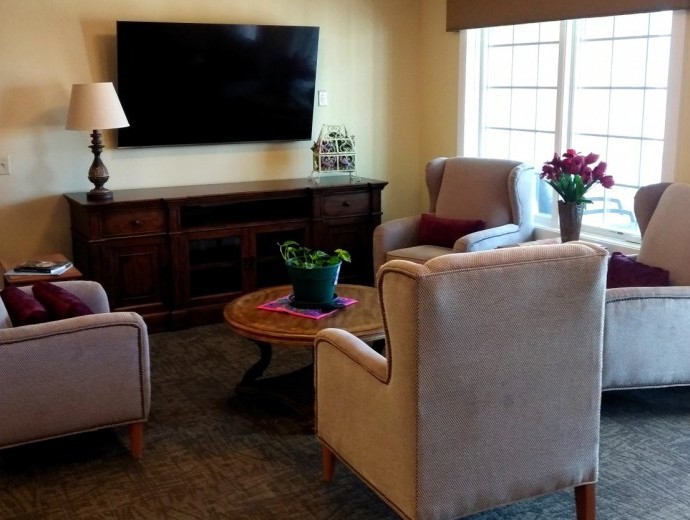
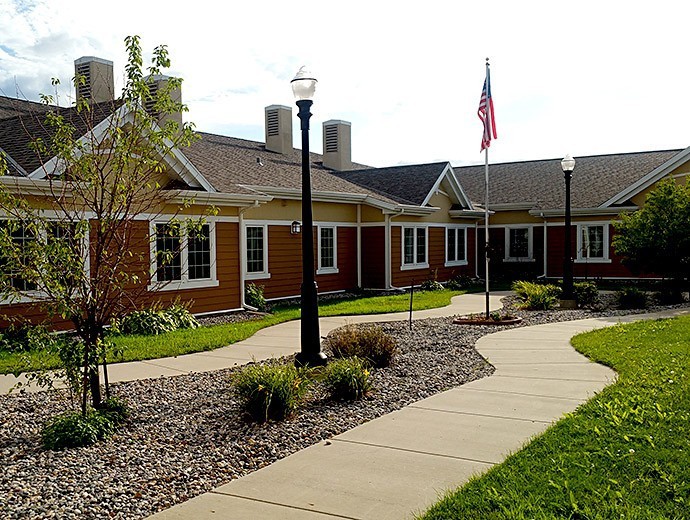
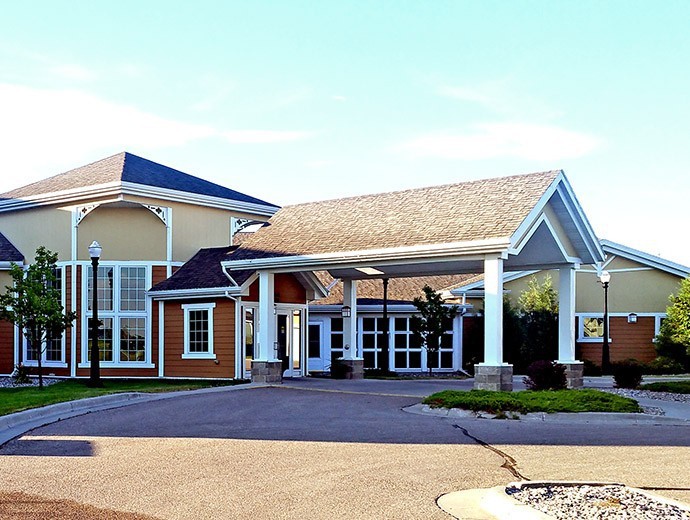
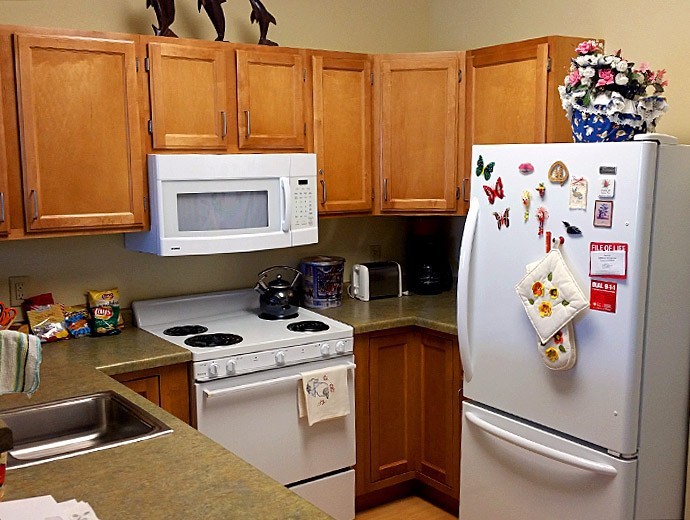
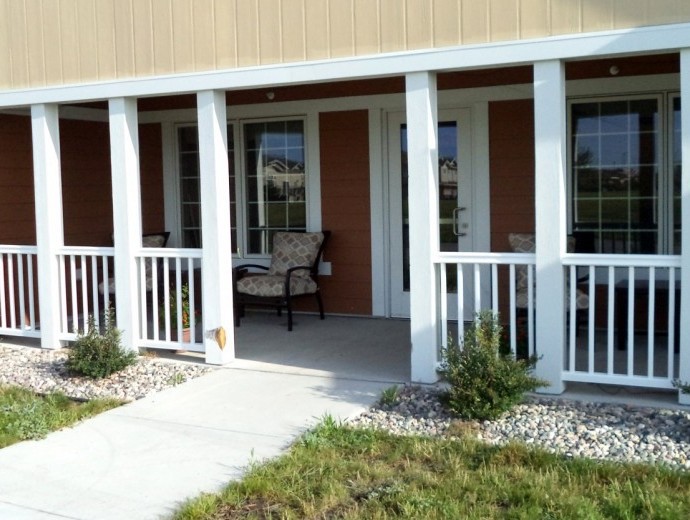
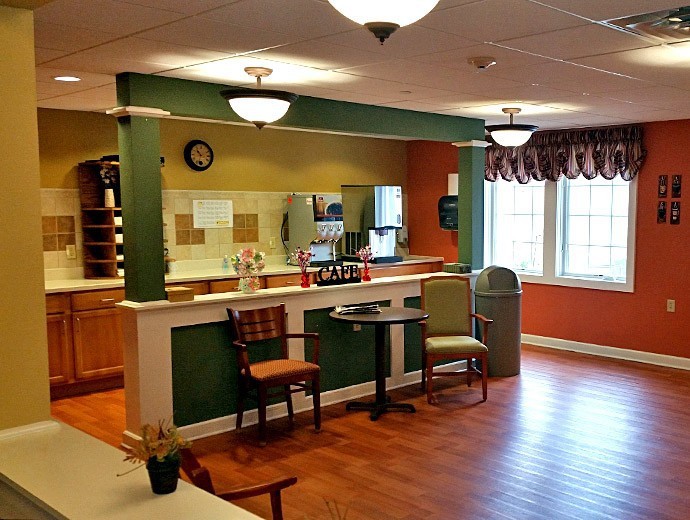
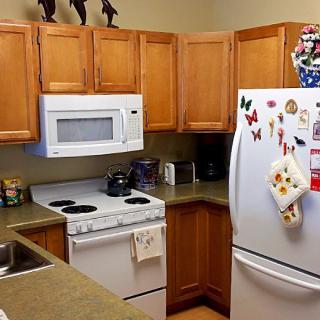
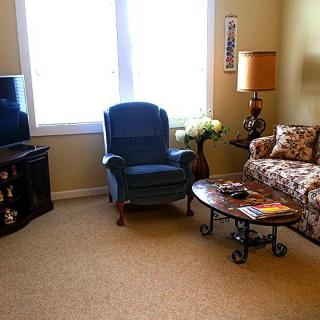
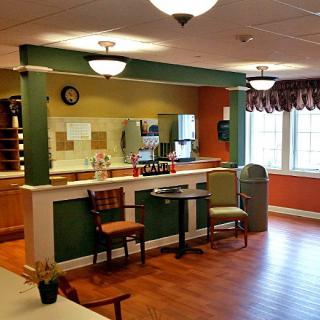
- The community offers a clean environment, friendly staff, and wonderful residents.
- It is a very nice place.
Cons
 Medication errors are too numerous to count.
- The RN staff turnover was terrible.
- There were four head RN changes in six months.
- It was a very one-sided partnership.
- The mother is not being cared for the way she used to be.
- When a facility forgets to feed residents, it poses a major problem.
- Phone customer service is lacking.
Review
Good Samaritan Society Fargo is best suited for seniors who want a clean, community‑minded campus with friendly staff and dependable basic care, plus the option of assisted living. The facility presents a welcoming, social environment where meals are well regarded and residents appear engaged. It works well for families that are prepared to take an active role in care planning and oversight, because steady nursing leadership can fluctuate and day‑to‑day care may hinge on strong family involvement to keep plans aligned with medical needs.
Those evaluating this community should explicitly consider alternatives if steady, error‑free medication management is non‑negotiable. Recurrent changes in head nurses, including multiple RN transitions within a short span, raise red flags about consistency in med passes and care coordination. For residents who require reliable oversight of medications and a seamless physician‑facility partnership, other options with more stable nursing leadership will likely prove more trustworthy. Families hoping for a mostly hands‑off experience should also scrutinize whether the staff culture and communication channels will meet expectations. In addition, expectations around responsive phone support should be tested, since reported gaps in customer service can leave families feeling left in the dark.
On the upside, the campus earns its points through a well‑kept environment, approachable staff, and a resident population that tends to be friendly and connected. Management is frequently commended for supporting transitions and for maintaining a facility that spans basic care and assisted living, creating a sense of continuity for residents who may move between levels of care. The dining experience stands out as a strength, with meals described as delicious and a component of overall quality living. The combination of clean spaces, reliable housekeeping, and a social atmosphere can deliver a genuinely comfortable daily life when care operations run smoothly.
Yet the most serious concerns temper those strengths. Medication errors are repeatedly documented and are not simply minor missteps; they have required family intervention to secure appropriate treatment. The frequent turnover of RN leadership compounds these issues, undermining trust in the consistency of med administration and routine care. Care coordination often falls on family members, who find themselves bridging gaps between doctors and the home, a pattern that should never be necessary in a well‑run assisted living setting. Reports of residents not being fed or neglected in basic needs point to gaps that raise the bar for vigilance and accountability. Add pay‑off concerns about phone and customer service responsiveness, and a perception grows that the facility can be excellent in atmosphere but uneven in reliability.
The balance between opportunity and risk here hinges on staffing stability and a proactive care culture. When the nursing team is cohesive and med management routines are solid, the positives, the clean, inviting environment, the warmth of the aides, the social vitality, and the quality dining, can deliver meaningful daily satisfaction and a true sense of community. However, those advantages rapidly erode when medications are mishandled or when leadership turnover disrupts care plans. In practical terms, the Good Samaritan Society Fargo can be a strong fit for residents who are comfortable with vigilant oversight and who can dedicate time to partner with the facility. For others, especially those with higher care needs or a preference for a more hands‑off experience, this community should be weighed against options with more consistent nursing leadership and more autonomous care coordination.
For families weighing this option, a disciplined evaluation plan is essential. Insist on meeting the current nurse leadership team and requesting a clear med‑pass protocol, a written, up‑to‑date care plan, and the names of the individuals responsible for oversight at each level of care. Observe a med pass if possible, and seek to understand how the facility handles error prevention and escalation. Ask for a trial period or a careful, staged transition to gauge how the team manages daily needs, feeding, and activity engagement over time. If the impression remains positive after probing these specifics, and a stable leadership path is identified, the community can be a solid choice. If not, prioritize facilities with demonstrated, sustained RN stability and proactive care management to minimize the risk of recurring gaps in essential services.
 9 resident community capacity
 Assisted Living
 Cable or satellite TV
 Dining room
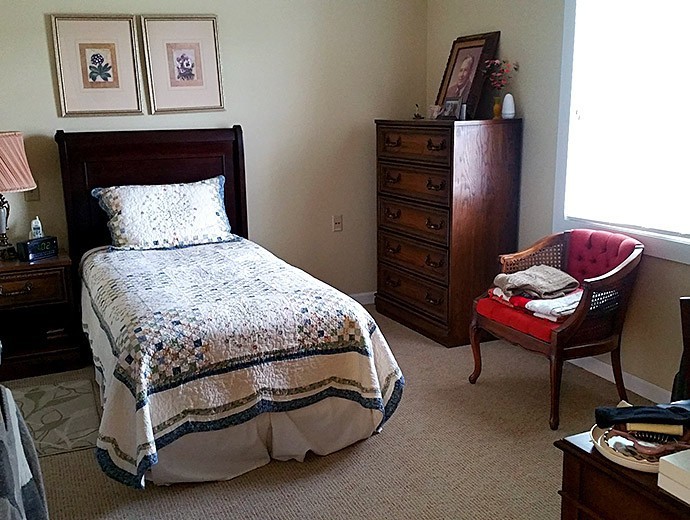
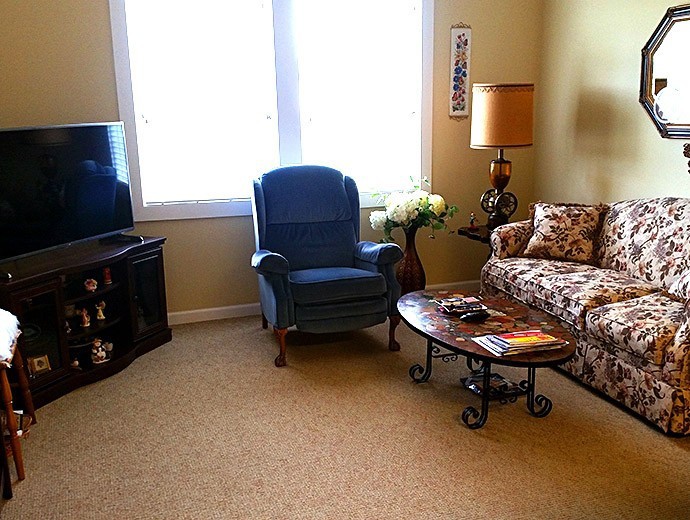
 Fully furnished
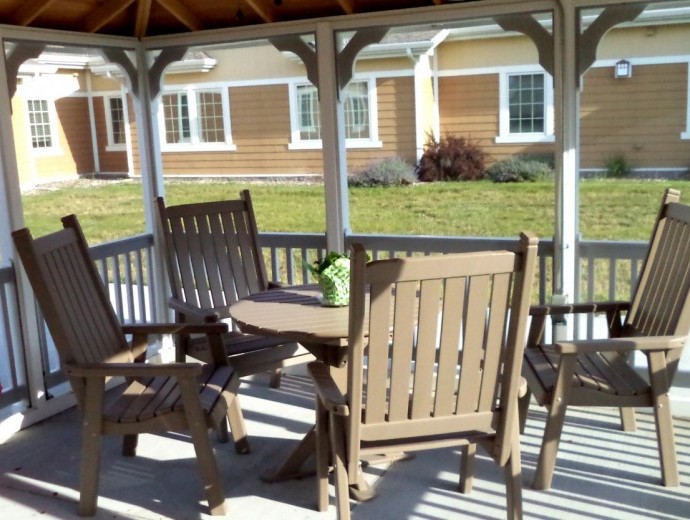
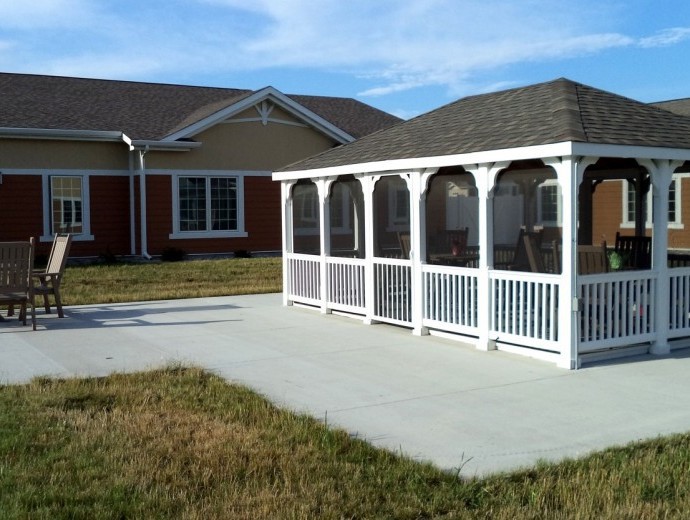
 Garden
 Housekeeping services
 Move-in coordination
 Outdoor space
 Telephone
 Wi-Fi/high-speed internet available
 Hector International (7 miles away)
 24-hour supervision
 Activities of daily living assistance
 Assistance with bathing
 Assistance with dressing
 Assistance with transfers
 Diabetes diet
 Meal preparation and service
 Medication management
 Special dietary restrictions
 Transportation arrangement (medical)
 Transportation to doctors appointments





 Assisted Living Support for Veterans: A Complete and Detailed Overview
 Exploring the Contrasts Between Assisted Living and Skilled Nursing
 8 Key Indicators That Suggest It May Be Time to Transition from Assisted Living to Skilled Nursing Care