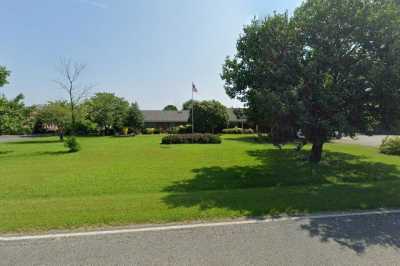
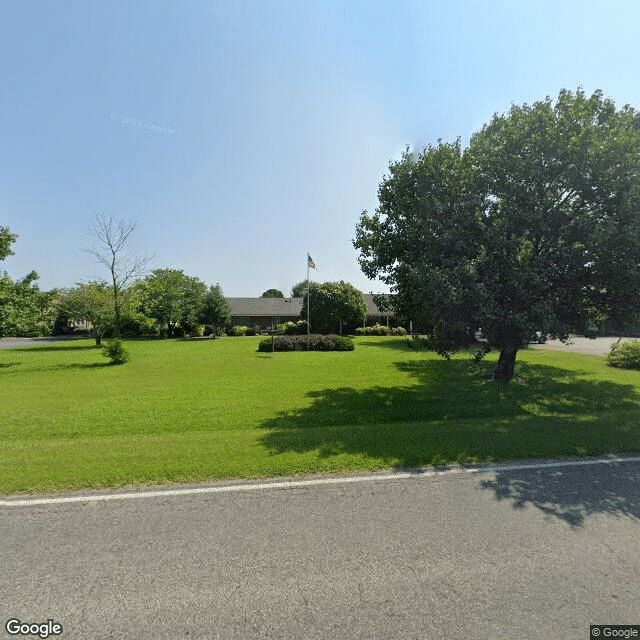
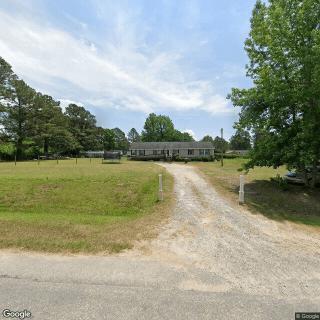
474 Jerry Road, Selma, NC 27576
For more information about senior living options: (866) 208-4318
Autumn Home Care Of Johnston County I Costs & Pricing
Autumn Home Care of Johnston County I offers competitive pricing for its residents compared to both county and state averages. For a semi-private room, the monthly cost is $1,900, which is significantly lower than the average rate of $3,005 in Johnston County and $3,584 across North Carolina. Similarly, the studio option at Autumn Home Care is priced at $2,600, well beneath the county's average of $3,493 and the state's average of $4,020. This makes Autumn Home Care an attractive choice for individuals seeking quality care without the high financial burden often associated with assisted living facilities in the region.
| Floor plans | Autumn Home Care Of Johnston County I | Johnston County | North Carolina |
|---|---|---|---|
| Semi-Private | $1,900 | $3,005 | $3,584 |
| Studio | $2,600 | $3,493 | $4,020 |
Assisted Living communities with a similar price nearby
-
About the same
Goldsboro Assisted Living & Alzheimer's Care
$1,900 / month21.1 miles away -
from -$100 / mo
Unprecedented Care
$1,800 to $2,000 / month24.0 miles away -
from -$100 / mo

Wilson Assisted Living
$1,800 to $3,600 / month21.4 miles away -
About the same

Classic Care Homes
$1,900 to $2,000 / month6.8 miles away -
from +$100 / mo
Country Wood Family Care
$2,000 to $2,500 / month13.4 miles away
Overall Review of Autumn Home Care Of Johnston County I
Pros
 The staff were extremely helpful.
- Autumncare is recommended for anyone needing senior living care.
- The mother is safe and well cared for at Autumn Home Care.
- The facility is run by a family who truly cares about the residents.
- The staff were very compassionate.
- The setting offers a peaceful, rural, homelike atmosphere.
Cons
 The staff were usually only one or two people available to care for residents.
- The facility was more like independent living than true assisted living.
- Autumn House Care of Johnson County has a small staff and is female-only, which may be unsuitable for some residents.
- One reviewer suggested that another home may suit some families better.
Review
Autumn Home Care of Johnston County I in Selma, NC is best suited for families seeking a small, home-like setting where the emphasis is on personal attention, intimate social interaction, and reliable day-to-day support rather than high-intensity medical care. The community works well for seniors who want a peaceful rural environment, a strongly family-enabled atmosphere, and a facility that feels run by people who genuinely care about residents’ comfort and dignity. It’s especially appropriate for those who mainly need help with medications, meals, bathing, and light supervision, while still valuing consistent communication with the staff and a low-key, homelike daily rhythm.
Conversely, families should seriously consider alternatives if the senior’s care needs are not modest or if a higher level of skilled nursing is required. The facility operates with a relatively small staff, and reviewers note that on some shifts there may be only one or two caregivers available. This matters most for residents with significant physical needs, complex medical schedules, or dementia that demands constant monitoring and rapid response. The setting is described as more of an independent-leaning arrangement with assisted features, rather than a true, full-service assisted living where high-acuity support is guaranteed. The caveat about adult male access and the “female-only” descriptor in one review also matters for couples or men seeking a shared living arrangement, and for families prioritizing a co-resident male presence or gender-inclusive environment.
The strongest positives, the compassionate, family-style leadership; open communication with families; and the quiet, safe, homelike ambiance, do substantial work in offsetting the limitations. Several reviews praise a caring owner and staff who treat residents with warmth, making families feel heard and involved in care decisions. The facility’s small size translates into a visible sense of attentiveness; residents appear to benefit from social interaction with neighbors and the peaceful rural setting. Medication administration is highlighted as a real strength, an important factor for families where daily routines, timing, and reliability matter. A clean, lovely campus atmosphere reinforces a sense of dignity and comfort. Taken together, these advantages create a trustworthy pocket of care for residents who are primarily independent with assistance needs rather than medically fragile.
Yet the cons aren’t cosmetic. The practical impact of a limited caregiving roster can become real, especially as needs intensify. Reviews describe scenarios where a resident’s physical demands exceeded what the staff could safely manage on-site, underscoring the risk that care gaps may emerge if a transition to a larger facility becomes necessary. The rural, small-staff model also means fewer programmatic activities and fewer built-in resources for memory care or advanced daily living support. For families contemplating long-range plans, this is a crucial consideration: when acuity rises, the facility may not sustain the level of care required without a move, which can be disruptive and emotionally challenging for residents and families alike.
What this means in practical decision-making is clear. Prospective residents and their families should prioritize questions about staffing patterns, including numbers on each shift and the specific tasks staff routinely handle (medication management, showering, mobility assistance, and monitoring). Clarify the facility’s capacity to manage early-stage dementia or memory-related care and establish a clear pathway for escalation if needs increase. Request an in-person visit, observe how staff interact with residents, and probe how transitions out of the community would be handled should care needs intensify. If mobility or cognitive challenges are anticipated to grow, ask about partnerships with nearby larger facilities or if an approved plan exists for timely transitions.
Ultimately, the decision comes down to fit. Autumn Home Care excels for families prioritizing a warm, intimate, home-like environment where staff are accessible, communication is strong, and daily routines feel respectful and predictable. It offers genuine peace of mind in a rural setting, with a clear sense that residents are treated with care and kindness. However, for any senior whose needs extend beyond medication reminders, assistance with meals and bathing, or who requires substantial 24/7 nursing, memory-care supports, or gender-inclusive housing, this community should be weighed against larger, more resource-rich options. The takeaway is practical and decisive: lean into Autumn if comfort, heartfelt staff, and a quiet, personal touch matter most, and be prepared with a plan for escalation or transition should care requirements evolve.
 12 resident community capacity
 Assisted Living
 Board and Care Home
 Activities off-site
 Air-conditioning
 Bath tubs
 Beautician on-site
 Cable or satellite TV
 Devotional services off-site
 Dining room
 Full kitchen
 Fully furnished
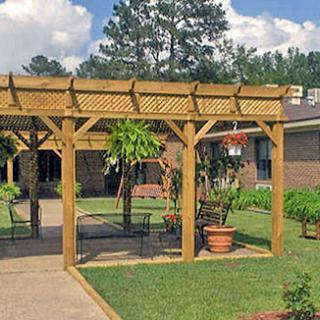
 Garden
 Ground floor units
 Handicap accessible
 Housekeeping services
 Indoor common areas
 Move-in coordination
 Outdoor space
 Private patio, deck, or balcony
 Respite or short term stays offered
 Telephone
 Wheelchair accessible showers
 Wi-Fi/high-speed internet available
 24-hour supervision
 Ambulatory care
 Assistance with bathing
 Assistance with dressing
 Assistance with transfers
 Diabetes diet
 Diabetic care
 High acuity care
 Incontinence care
 Meal preparation and service
 Medication management
 Special dietary restrictions
 Transportation arrangement (medical)
 Transportation to doctors appointments
 Bible study group
 Brain fitness
 Cards / pinochle club
 Day trips and outings
 Educational speakers / life long learning
 Trivia games

 Comprehensive Residential Support and Assisted Living Solutions for Individuals with Disabilities
 Comprehensive Supportive Living Arrangements for Adults with Disabilities
 Funding and Affording Assisted Living: A Thorough Overview