

401 U.S. 221 South Highway, Rutherfordton, NC 28139
For more information about senior living options: (866) 208-4318
Overall Review of Restwell Home
Pros
 They are really good with the patients, and the reviewer’s mother stays there, saying they are really good to her.
- It is an awesome place to live.
- It allows residents to go with their families when it comes time, which is why it earns five stars.
- It has a high rating (103) and is described as 4-star-plus by the State of North Carolina based on patient care.
- It preserves privacy with a ladies-only facility and offers a true family atmosphere.
Cons
 This place has bed bugs.
- No one wants to do anything about it other than vacuum them up and spary a little bug spray.
- They don't call pest control, nor do they seal the room off.
Review
Restwell Home in Rutherfordton is best suited for families seeking a small, home-like assisted living experience where staff can know residents well and respond with immediacy. The property operates with a tight 20-bed footprint and a ladies-only privacy model that appeals to those who value intimate surroundings over a large, buzzy campus. In this setting, residents tend to experience a warm, family atmosphere and a level of personalized attention that is less feasible in bigger communities. The care team’s reputation for being good with residents translates into daily interactions that feel attentive rather than transactional, and the environment supports steady, predictable routines that many families prize.
Those who may want to consider alternatives are clear: anyone seeking a coed environment or a facility with a larger, more bustling social calendar may find Restwell too quiet or insular. Families prioritizing rigorous medical oversight, intensive therapy programs, or broad, on-site activities may want to compare options that offer more structured clinical services or a wider array of amenities. Additionally, the one significant safety concern raised by a reviewer, bed bugs and how the issue is managed, should push every prospective mover to demand a transparent pest-control plan and a documented remediation strategy before committing.
The strong positives here, freedom to visit family, a genuine sense of home, and a highly personable care approach, do carry real weight against the potential drawbacks, but not without caveats. The 20-bed scale fosters genuine connections among residents and staff, which in practice translates to quicker responses and familiarity with personal routines. The privacy afforded by a ladies-only model and small setting can be deeply comforting for residents who value dignity, quiet companionship, and a risk-averse, predictable day-to-day rhythm. Even encouraging moments, like the ability to bring family along when time comes to transition, underline the community’s emphasis on non-institutional living. The state evaluation noting a 4+ star performance in patient care confirms that, on paper, the care quality is solid and the staff are capable.
Yet the most serious red flag is clinically meaningful: the bed bug issue. A reviewer’s report that pest control was not actively engaged, with only vacuuming and spot spraying attempted, raises legitimate concerns about ongoing cleanliness, containment, and the overall hygienic environment. In a setting this small, a pest problem can spread quickly and become emotionally exhausting for residents and their families. While the staff’s congenial, compassionate approach helps offset some anxieties, the absence of decisive pest management can erode confidence over time. In other words, the positives, staff warmth, intimate setting, and family-friendly policies, are compelling but are not enough to neutralize a persistently unaddressed pest issue.
For families evaluating this community, the practical next steps are straightforward. Tour with questions that target pest-control history, current remediation plans, and a commitment to preventive measures and room sanitation. Request recent inspection notes and any third-party pest-control records, and insist on a written protocol describing how rooms are prepared, sealed off if needed, and re-inspected after treatment. Seek candid feedback from current residents or their families about how quickly problems are resolved and whether housekeeping and maintenance keep pace with care. Align expectations with the subtle but meaningful advantages of a small, private, and family-oriented setting, while insisting on concrete assurances about pest management and ongoing cleanliness before making a decision.
In the end, Restwell Home serves best for families seeking a quiet, intimate, and respectful living environment where privacy and personal attention take precedence, especially for residents who value a female-focused, homelike atmosphere. It works well for those who prize a strong sense of community, easy family access, and attentive staff who know residents by name. The compelling counterweight remains the bed bug issue, which prospective residents must not overlook. If pest control protocols are clear, effective, and transparently shared, the overall package, high-quality care, emotional warmth, and a small, manageable setting, can outweigh the drawbacks. If those assurances cannot be secured, or if a larger campus with broader medical resources is a priority, alternatives should be pursued without hesitation.
 20 resident community capacity
 Assisted Living
 Board and Care Home
 Activities on-site
 Beauty salon
 Cable or satellite TV
 Devotional services off-site
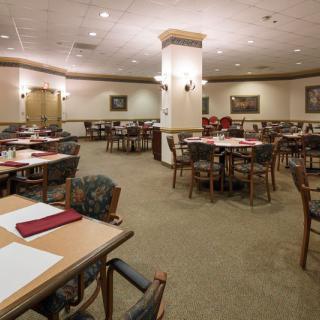
 Dining room
 Fully furnished
 Garden
 Housekeeping services
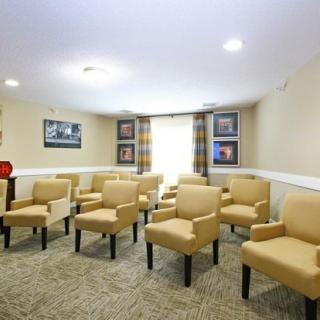
 Indoor common areas
 Kitchenette
 Move-in coordination
 Outdoor space
 Telephone
 Wi-Fi/high-speed internet available
 24-hour call system
 Ambulatory care
 Assistance with bathing
 Assistance with dressing
 Assistance with transfers
 Diabetes diet
 Diabetic care
 Meal preparation and service
 Medication management
 Mental wellness program
 Special dietary restrictions
 Transportation arrangement (medical)
 Transportation to doctors appointments





 Assisted Living and Memory Care: Understanding Their Core Differences
 Beyond the Bingo Hall: 50+ Enriching Activities for Seniors in Assisted Living
 Understanding the Distinctions: Assisted Living and Memory Care Explained