
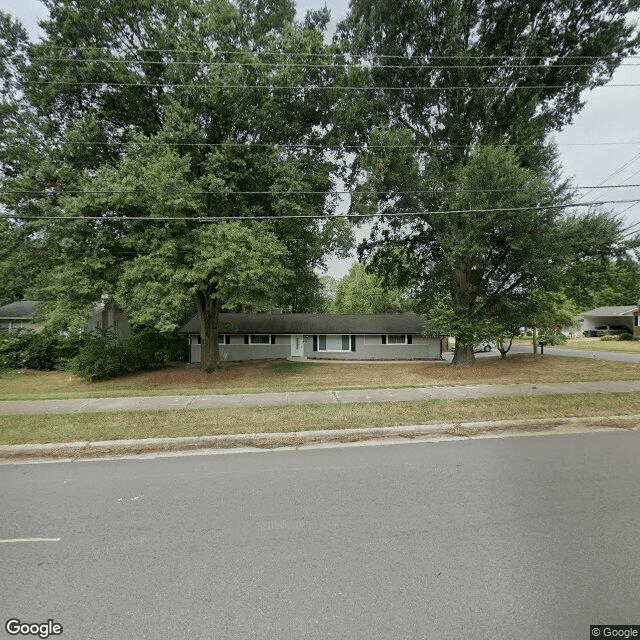
5313 Falls of Neuse Rd, Raleigh, NC 27609
To contact a resident: (919) 571-2556
For more information about senior living options: (866) 208-4318
North Hills Senior Living Costs & Pricing
North Hills Senior Living offers a private room option priced at $6,750 per month, which significantly exceeds both the average costs in Wake County and throughout North Carolina. In Wake County, the average monthly cost for similar accommodations stands at $4,658, while the state average is even lower at $4,425. This pricing reflects not just the amenities and services provided by North Hills Senior Living but also its commitment to creating a premium living environment tailored to the needs of its residents. While it may be positioned at a higher price point compared to other facilities in the region, many families find that the exceptional quality of care and supportive community justifies this investment in their loved ones' well-being.
| Floor plans | North Hills Senior Living | Wake County | North Carolina |
|---|---|---|---|
| Private | $6,750 | $4,658 | $4,425 |
Senior living communities with a similar price nearby
-
from +$250 / mo
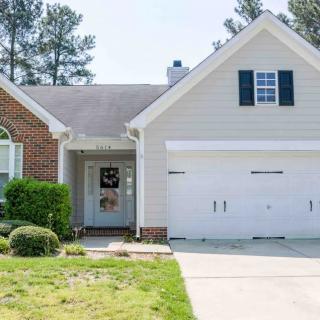
Lynn's Home at Riverside
$7,000 / month4.5 miles away -
from -$1000 / mo
Elsie's Place Family Care Home
$5,750 to $6,000 / month6.2 miles away -
from +$250 / mo
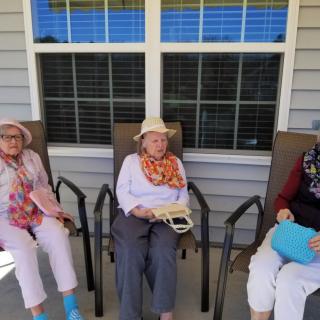
Renaissance Care Home at Neuse River Estates
$7,000 to $7,500 / month4.5 miles away -
from -$555 / mo
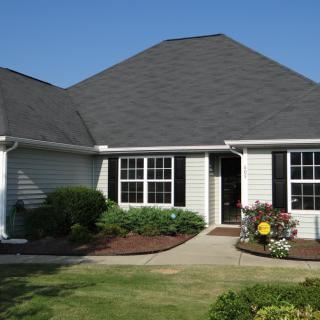
Avendelle Assisted Living At Southern Oaks
$6,195 to $6,695 / month22.1 miles away -
from -$1250 / mo
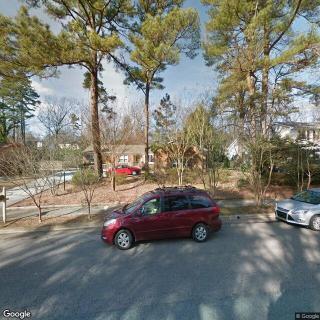
Bright Horizon Senior Care
$5,500 to $6,500 / month0.6 miles away
Overall Review of North Hills Senior Living
Pros
 Everything is going very well there.
- There are no concerns.
- The place is clean, the staff is friendly, and good food is provided.
- It is small and has a home-like setting, with more one-on-one attention.
- It is a good fit for them.
Review
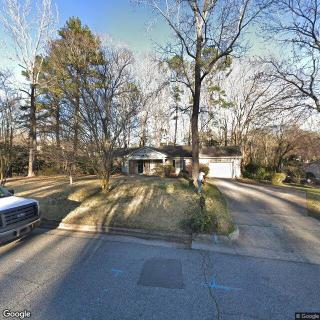
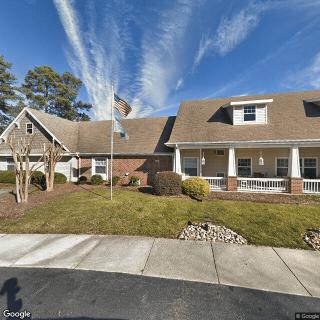
North Hills Senior Living in Raleigh, NC is best suited for seniors who prize a small, home-like setting, predictable routines, and highly personalized attention delivered by a friendly, attentive staff. The strongest signals from the reviews describe a clean environment where residents are known by name, meals that feel comforting and well-prepared, and a level of one-on-one interaction that is scarce in larger campuses. This community will particularly appeal to families seeking a calm, intimate atmosphere that minimizes the friction of transitions and maximizes daily familiarity. For seniors who want to feel genuinely cared for on a personal level and who do not require an expansive slate of on-site programs, North Hills presents a compelling match.
Those who may want to consider alternatives are families pursuing a bustling social calendar, broad activity options, or a comprehensive suite of medical services. A larger campus typically offers more structured programming, a wider array of therapies, and greater potential for spontaneous social engagement. Additionally, households with residents who require robust, around-the-clock nursing supervision, complex memory care, or highly specialized rehabilitative services may find smaller homes can fall short of the intensity and breadth available in bigger communities. In short, when needs trend toward aggressive care or expansive amenities, exploration of other options is prudent.
The primary pros, cleanliness, friendly staff, and strong food quality, combine with the intimate, home-like setting to produce everyday advantages that matter most in ordinary life. A spotless environment supports comfort and safety, while approachable, dependable staff translates into reliable assistance with daily routines and quick response to requests. Good food enhances mood and energy, reinforcing a sense of normalcy and well-being. The small scale fosters more meaningful, consistent interactions; residents receive individualized attention that can reduce the sense of impersonality common in larger facilities. Together, these elements create a daily experience that feels manageable, respectful, and reassuring.
The absence of stated drawbacks in the reviews does not imply a perfect fit for every situation; rather, it highlights trade-offs inherent in smaller senior residences. Potential families should consider whether a limited breadth of activities and amenities might limit opportunities for social engagement and stimulation. Likewise, verify the depth of medical oversight and the availability of on-site therapies or specialized care, as these are areas that often differentiate larger communities from smaller, homier settings. Any decision should weigh the desire for a warm, personalized atmosphere against the need for broader program variety and a more robust care continuum.
When the positives do align with needs, the benefits tend to offset the limitations naturally associated with a smaller operation. The repetition of friendly faces, the assurance of one-on-one attention, and the comfort of a well-kept, comforting dining environment can make daily life feel steady and dignified. For residents who value routine and personal connection, where staff know preferences and dietary patterns, the advantages become tangible armor against the disorientation that can accompany transitions to senior living. In such cases, the home-like ethos isn’t a compromise; it’s a deliberate choice that preserves autonomy while still delivering dependable assistance.
For families making a practical decision, North Hills stands out as a strong candidate when the priority is warmth, reliability, and a lived-in sense of home. Prospective residents should seek to tour, meet the care team, and assess the daily activity schedule alongside a candid discussion of available services and meal options. Confirm the staff-to-resident dynamics, inquire about medication management and emergency protocols, and review how personal preferences are incorporated into daily routines. If the aim is a serene, intimate environment with clear attentiveness and good everyday fundamentals, North Hills Senior Living delivers a confidently favorable option.
 1-bedroom apartments
 Board and Care Home
 Private
 Raleigh-Durham International (10 miles away)
 Ambulatory care
 Incontinence care
 Medication management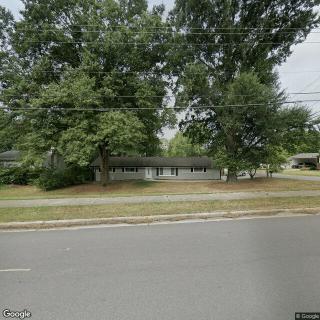

 9 Stimulating Memory Activities for Seniors: Puzzles, Cards, and Much More
 Managing Nursing Home Expenses After Medicare Coverage Ends
 Is a Geriatric Care Manager the Right Choice for Your Family?