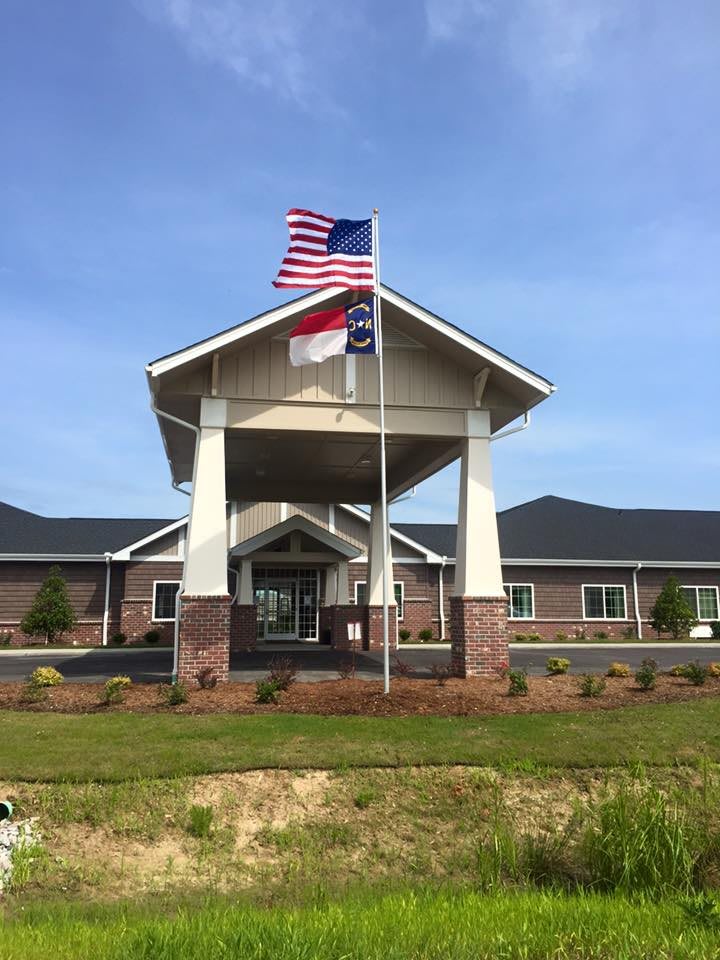
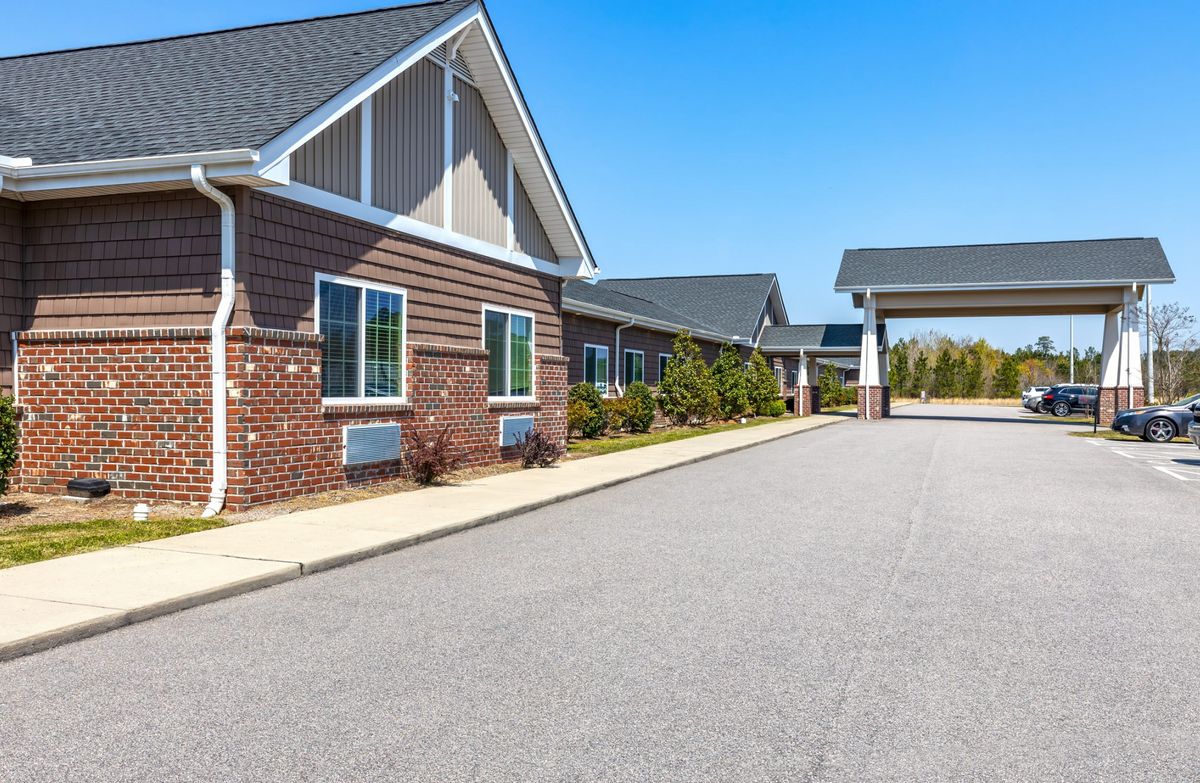
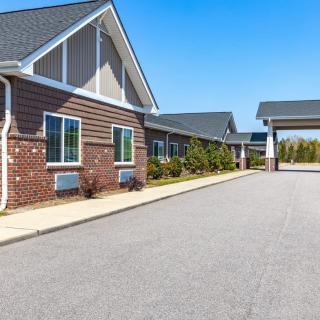


11 Commerce Drive, Gatesville, NC 27938
For more information about senior living options: (866) 208-4318
Gates House Costs & Pricing
Gates House offers competitive pricing for its accommodations, providing an appealing option within both Gates County and the broader North Carolina market. The cost for a semi-private room stands at $2,550 per month, which aligns perfectly with the county average, representing a significant savings compared to the statewide average of $3,584. Similarly, their studio units are priced at $3,000 monthly, again matching the local rate while still presenting notable value against the state's average of $4,020. This consistent pricing strategy not only positions Gates House as a financially attractive choice for residents but also underscores its commitment to affordability in a region where costs can vary significantly.
| Floor plans | Gates House | Gates County | North Carolina |
|---|---|---|---|
| Semi-Private | $2,550 | $2,550 | $3,584 |
| Studio | $3,000 | $3,000 | $4,020 |
Overall Review of Gates House
Pros
 The staff at Gates House care deeply for residents, offering attentive and affectionate support.
- The facility has a great executive director and an awesome staff who care about residents and their families.
- Management is described as helpful and knowledgeable, making Gates House a great place to live.
- It is a very caring facility where staff work from the heart.
- The facility is consistently clean, with caring, professional staff who educate and support families.
- The staff bend over backwards to please residents.
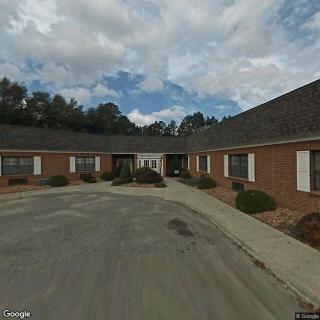
- The campus offers a nice enclosed courtyard for residents to walk around outside.
- The staff's compassion and willingness to help make each day good for clients.
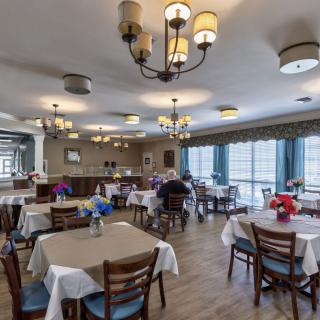
- The meals are on time and delicious, and the staff are supportive.
Cons
 The facility allowed residents' clothing and personal items to go missing for extended periods without replacement.
- The grounds and common areas were not groomed, and the meals were not appealing.
- The facility was short-staffed and staff were overworked, contributing to a resident fall.
- Nurses showed little concern for patients, often yelling at them, and neglect led to injuries such as a broken hip.
- Memory-care residents suffered from malnutrition, dehydration, and kidney injury due to inadequate care.
- The staff did not respond to concerns or return calls, and residents were deprived of things they asked for.
- Staff told the hospital they would not take the resident back, which was disrespectful.
- The review advised against placing memory-care loved ones there.
- Random other patients were allowed to enter rooms and harass residents due to insufficient supervision.
Review
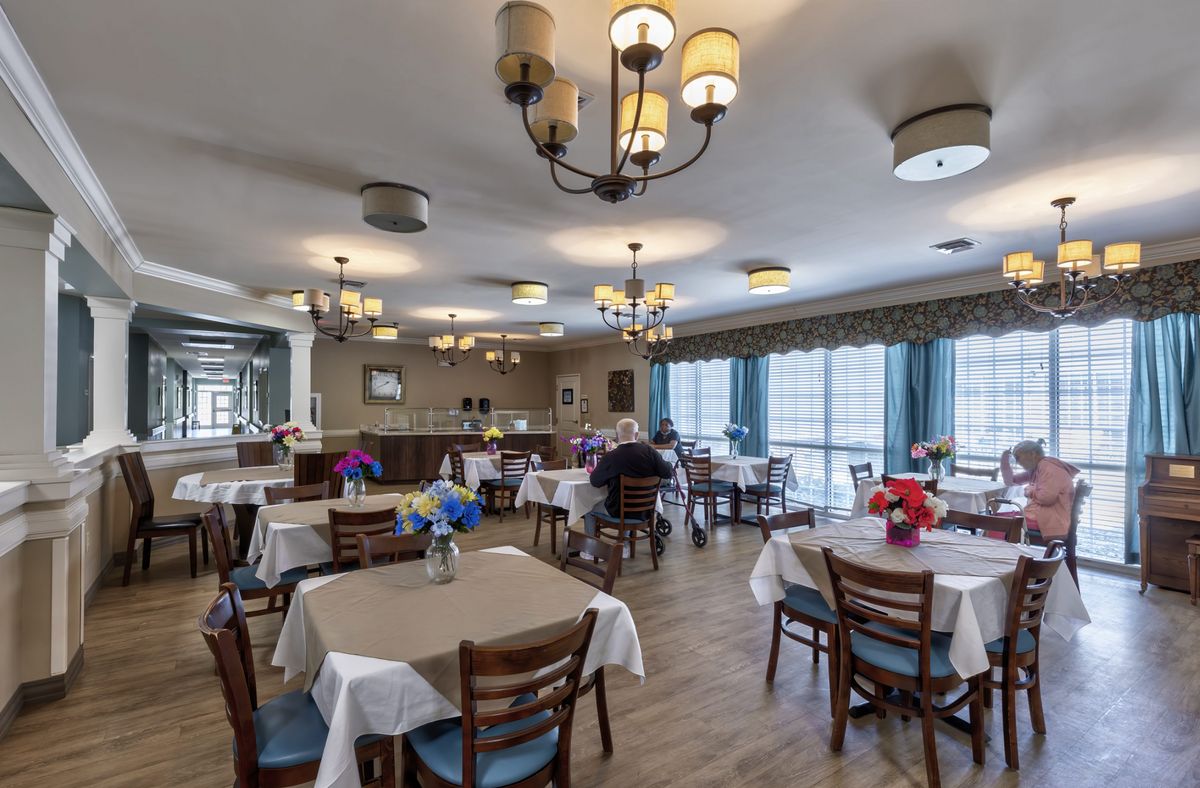
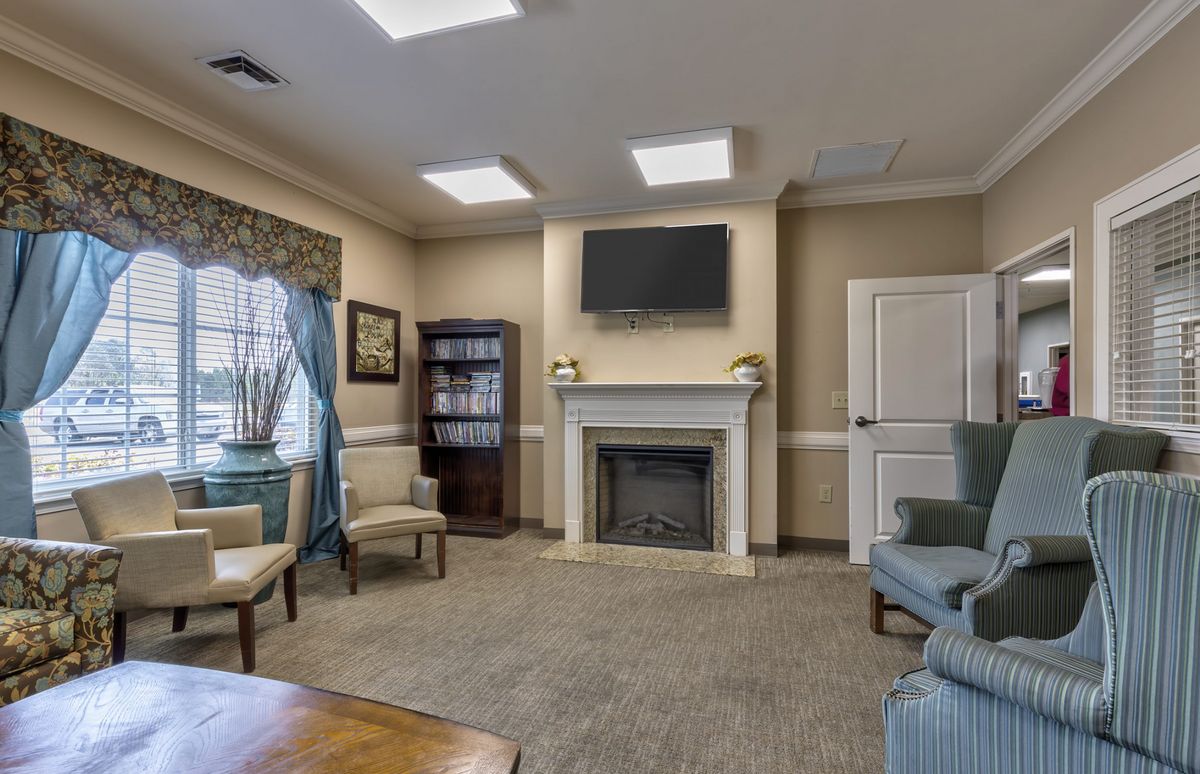
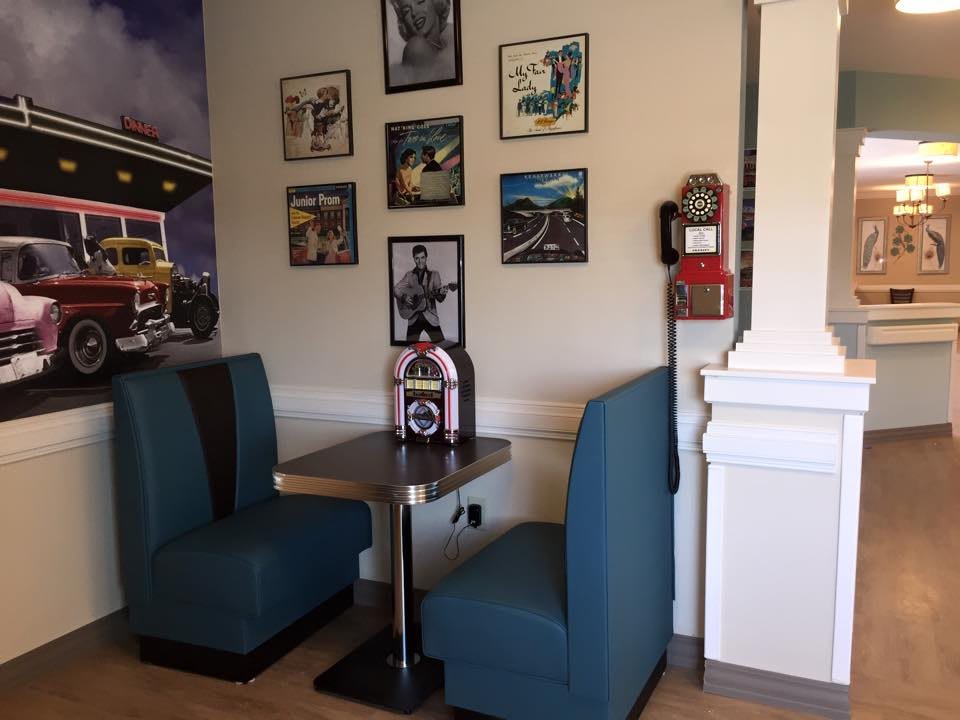
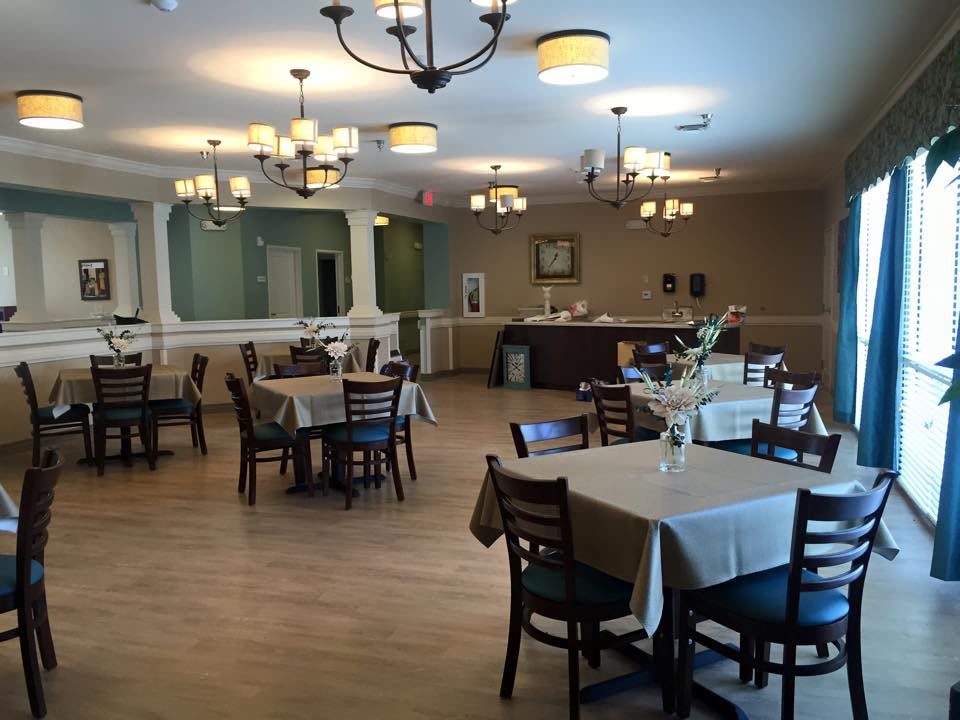
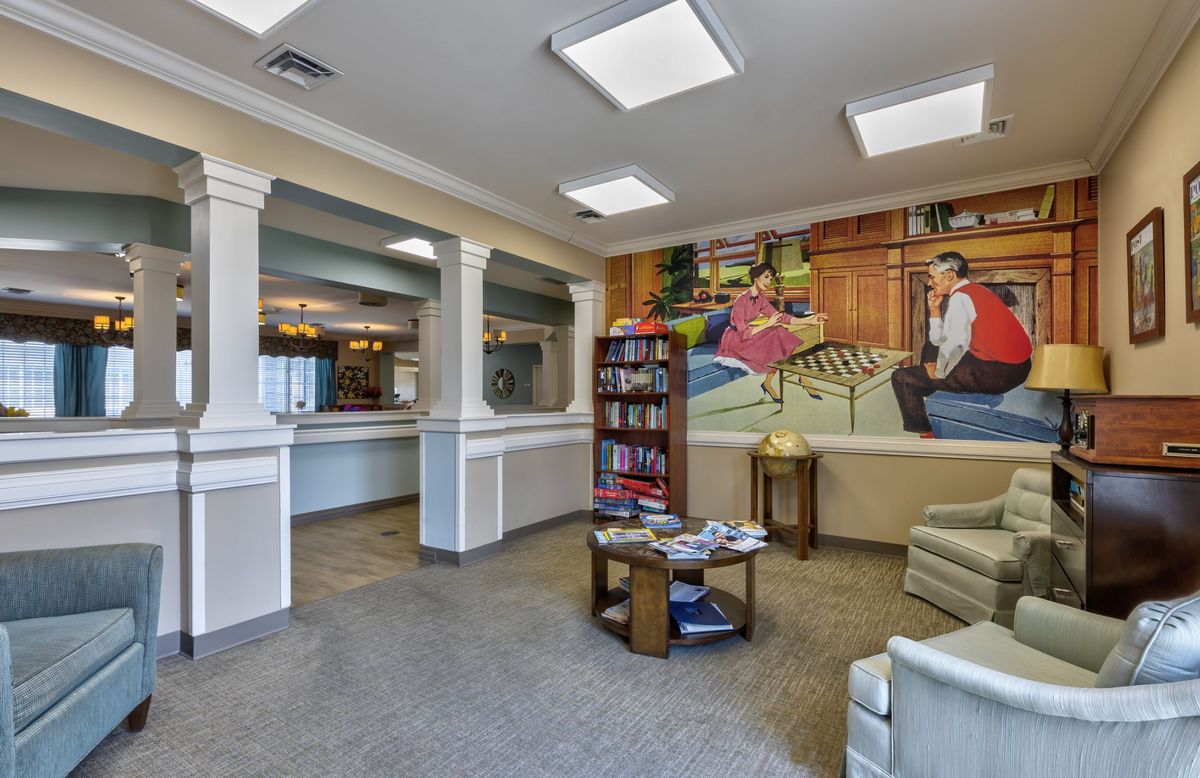
Gates House in Gatesville, NC is best suited for a senior who wants a compact, home-like setting with genuinely attentive staff and predictable daily routines. The facility’s smaller size makes it possible for caregivers to know residents well, foster warm relationships, and deliver reliable care without the feel of a large, impersonal campus. Families repeatedly highlight clean common areas, timely meals, and staff who seem to care from the heart. For residents who need mainly help with daily activities, companionship, and medication administration rather than constant medical oversight or specialized memory-care protocols, this community can be a workable, reassuring home.
Those with memory-care needs or significant medical requirements should consider alternatives. Several reviews surface concerns about how memory-impaired residents are managed, and a number of families recount serious issues around safety, hospitalizations, and medical responsiveness. Missing personal items, clothes, glasses, dentures, along with inconsistent administrative follow-through and sporadic staffing gaps create real red flags for anyone whose loved one depends on rigorous oversight. A few families describe abrupt or overburdened staff dynamics that culminated in injuries or distress, underscoring that this is not the right fit for residents needing intensive, proactive medical attention or highly structured memory-care support.
The strongest positives here, caring, personable staff; a capable executive director; clean environments; dependable meal service; and a setting that is easy for families to visit, do translate into tangible daily quality when the resident’s needs line up with what the house provides. Staff members are repeatedly praised for going “over and above” to please residents, and for maintaining consistent, neighborly interactions that reduce the sense of abandonment. An enclosed courtyard and the ability for families to coordinate with a known team add to a sense of security and familiarity. In short, when staff aren’t stretched too thin and residents do not require specialized memory-care protocols, the positive human connection often compensates for some operational hiccups.
However, the cons are weighty enough to affect the overall value proposition. Reports of missing clothing and personal items reflect security gaps that cannot be dismissed, especially for families who prize meticulous up-keep of belongings. Instances of understaffing seen during tours, observations of resident falls, and calls or visits from administration that go unanswered raise legitimate concerns about safety and governance. Complaints that some staff have yelled at residents or that procedures around pain relief and personal items were not promptly addressed further erode confidence. For memory-care residents or those with fragile health, these issues become magnified, tipping the balance away from suitability toward risk.
Decision guidance for families is clear: conduct a rigorous, unannounced tour with a sharp eye on safety, supervision, and the handling of medical needs. Ask for direct conversations with both the executive director and front-line supervisors; review incident and medication logs; verify staffing levels during different shifts; and probe how memory-care residents are tracked, monitored, and protected. Demand transparent policies on personal-item security, laundry routines, and the process for escalating concerns. Consider the facility’s transition to a new corporate company as a factor, ask how leadership stability and policy alignment will be maintained and communicated to families.
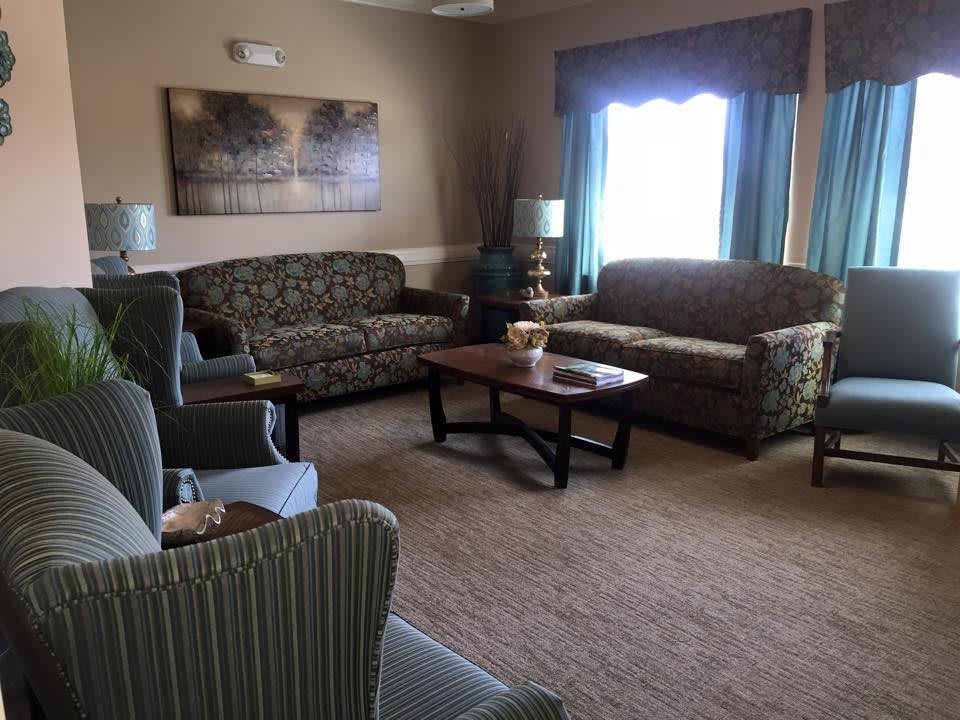
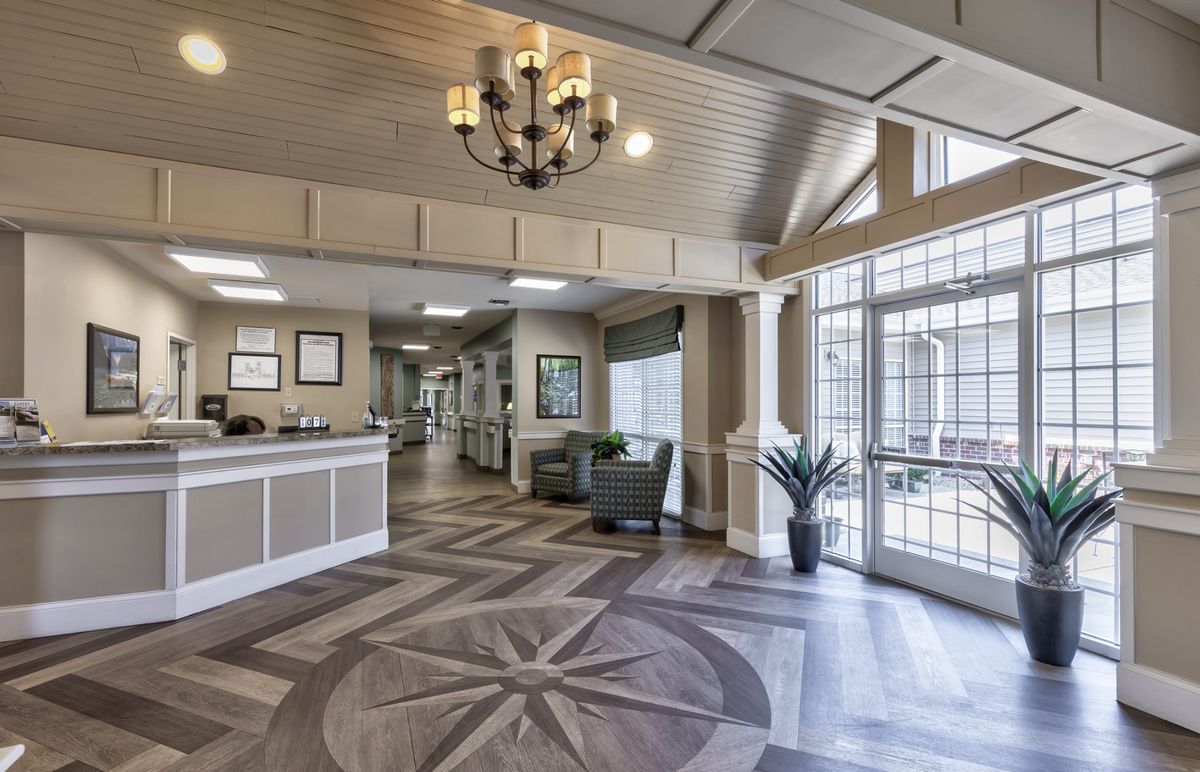
Overall, Gates House represents a solid, practical option for families seeking a smaller, attentive community where staff demonstrate genuine warmth and residents enjoy reliable meals and accessible outdoor spaces. It is not the right choice for those who require strong, consistent memory-care capabilities, intensive medical oversight, or airtight protection of personal items. Prospective residents with modest medical needs and a expectation of close-knit staff will find tangible value here, provided due diligence confirms that staffing and governance gaps do not compromise safety or basic quality standards. In the final call, use Gates House as a comparator against other nearby communities, then decide based on which setting best aligns with the resident’s care requirements, risk tolerance, and the family’s capacity for ongoing oversight.
 70 resident community capacity
 Assisted Living
 Memory Care
 Activities on-site
 Air-conditioning
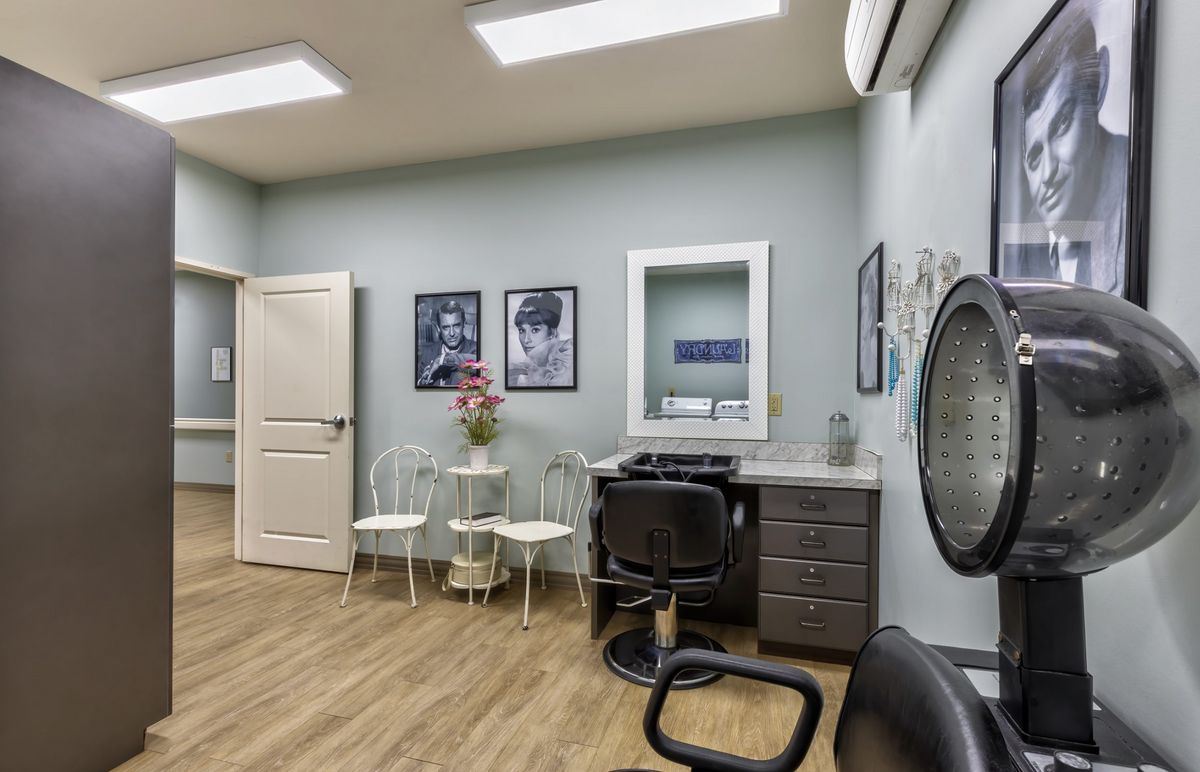
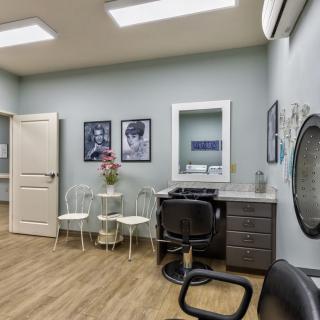
 Beauty salon
 Cable or satellite TV
 Computer center
 Devotional services off-site
 Dining room
 Fitness room
 Fully furnished
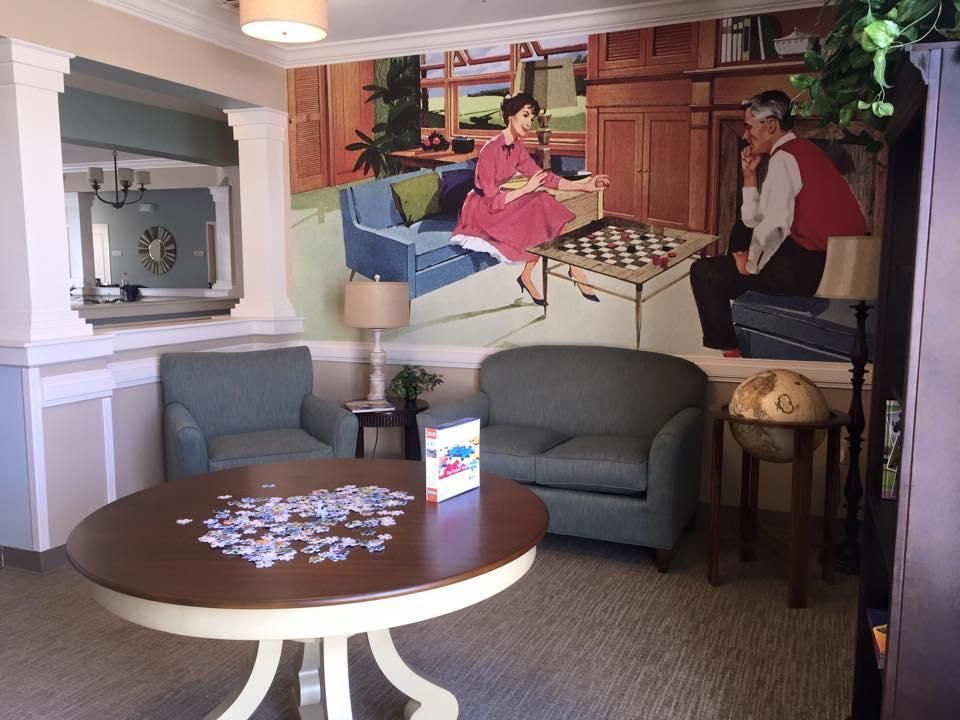
 Gaming room
 Garden
 Housekeeping services
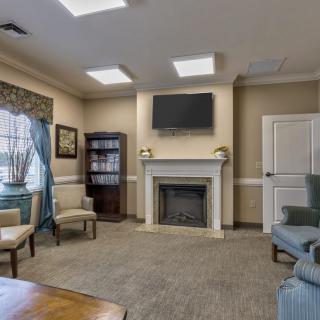
 Indoor common areas
 Kitchenette
 Move-in coordination
 Outdoor space
 Private bathrooms
 Restaurant-style dining
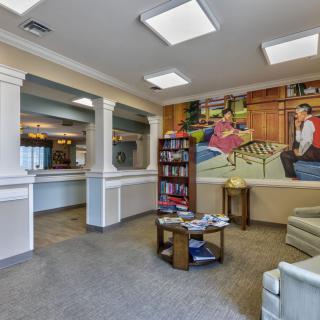
 Small library
 Telephone
 Wellness center
 Wi-Fi/high-speed internet available
 Community operated transportation
 12-16 hour nursing
 24-hour call system
 Ambulatory care
 Assistance with bathing
 Assistance with dressing
 Assistance with transfers
 Diabetes diet
 Diabetic care
 Medication management
 Mental wellness program
 Special dietary restrictions
 Concierge services
 Planned day trips

 Assisted Living and Memory Care: Understanding Their Core Differences
 Choosing the Right Senior Care: A Detailed Exploration of Assisted Living and Nursing Homes
 Safeguarding Your Memory Through the Golden Years: Eight Ways to Preserve Cognitive Health