
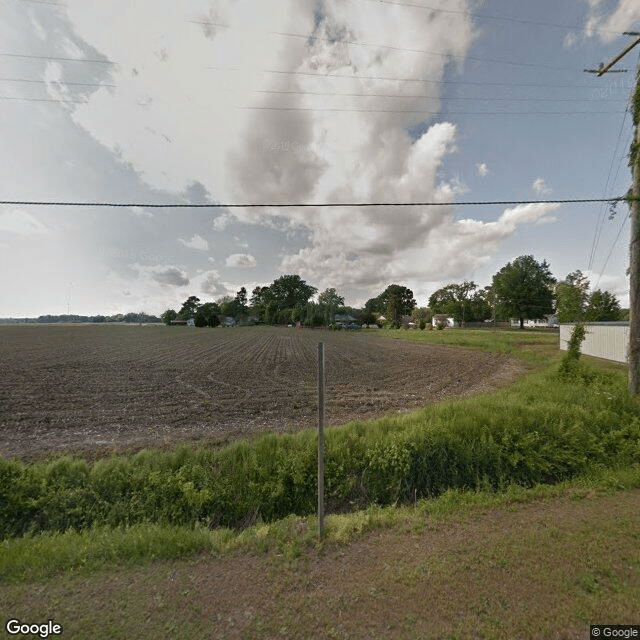
US-258, Como, NC 27818
To contact a resident: (252) 398-8110
For more information about senior living options: (866) 208-4318
Twin Oaks Adult Home Costs & Pricing
Twin Oaks Adult Home offers competitive pricing for its accommodations, with monthly costs reflecting the quality of care and services provided. For a studio, residents can expect to pay $4,075, slightly above the state average of $4,020 and significantly higher than Hertford County's average of $3,263. In terms of one-bedroom units, the cost rises to $4,385, again surpassing both the state average of $4,055 and the local county average of $3,418. While Twin Oaks may be priced higher than some alternatives in Hertford County, it is important to consider the comprehensive care and amenities that justify these costs for potential residents seeking a supportive living environment.
| Floor plans | Twin Oaks Adult Home | Hertford County | North Carolina |
|---|---|---|---|
| Studio | $4,075 | $3,263 | $4,020 |
| 1 Bedroom | $4,385 | $3,418 | $4,055 |
Assisted Living communities with a similar price nearby
-
from -$275 / mo
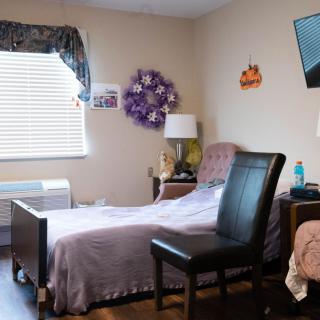
Ahoskie House
$3,800 / month14.2 miles away
Overall Review of Twin Oaks Adult Home
Pros
 The atmosphere was nice.
- The staff were caring, professional, and courteous.
- Visitors enjoyed visiting the clients.
Review
Twin Oaks Adult Home in Como, North Carolina, is best suited for families seeking a small, homelike assisted living option where residents receive steady, personal attention. The community’s vibe appears calm and comfortable, with reviews pointing to a caring, professional, and courteous staff. That combination tends to appeal to seniors who value being known by caregivers, regular family visitation, and a tranquil daily rhythm over a bustling campus with flashy amenities. For households prioritizing dependable day-to-day support, predictable routines, and closer staff relationships, Twin Oaks stands out as a practical, reliable fit.
Those needing more than basic supervision should consider alternatives. Residents who require intensive medical oversight, frequent nursing contact, wound care, or specialized memory care may find that larger, more resource-rich communities deliver greater depth of on-site services. A broader activity schedule, transportation options, and layered pricing structures are also common in bigger homes and can matter for longer-term planning. In short, Twin Oaks serves well for a modest care profile and a home-like setting; families pursuing higher medical intensity or richer program offerings should shop other options with more robust clinical support and campus-scale amenities.
Pros such as a warm atmosphere, attentive caregivers, and the ability for loved ones to visit without hassle are meaningful buffers against a lack of volume in programming. The staff’s professionalism and courtesy reduce anxiety around transitions and daily care, making everyday routines smoother and safer. However, the limited number of published experiences means one cannot assume uniformity across shifts or days. The main risk implied by the data is simply a small sample size; potential residents should plan a firsthand tour to confirm that the day-to-day care, engagement, and safety checks hold steady across meals, activities, and personal care tasks.
Visitation ease is another practical advantage. The ability for family and friends to interact with clients can reinforce well-being and foster a sense of community, particularly for seniors who thrive on familiar faces and familiar voices. The atmosphere described as nice, coupled with courteous staff, points to a cohesive team approach that supports both independence and supervision. These elements translate into tangible benefits for everyday life, predictable routines, reliable assistance with activities of daily living, and a quiet pace that reduces overstimulation. For families who prioritize relationships and a calm environment, Twin Oaks delivers on those core expectations.
With a 4.3 out of 5 rating from a small pool of three reviews, the community shows a solid baseline performance, but the data are not expansive enough to declare dominance in the local market. Prospective residents should treat this as a reassuring signal rather than a definitive verdict. Key due diligence steps include validating the resident-to-staff ratio, clarifying what medical and supportive services are included in monthly fees, and confirming the procedure for medication management, emergencies, and care plan updates. Ask for recent references, tour the living spaces, dining area, and activity calendar, and observe how staff respond to residents who need assistance during a visit.
Overall, Twin Oaks Adult Home is a compelling option for families seeking a compact, neighborly setting where care teams are attentive and residents can enjoy regular family contact. The strongest selling points, an inviting atmosphere and consistently courteous, professional staff, provide meaningful protection against the uncertainties of aging in place. Those with higher medical needs, memory-care requirements, or a desire for a busier social calendar should consider alternatives that deliver more extensive clinical resources and structured programming. A decisive step is to schedule a visit, meet the caregiving team, and review a sample care plan and pricing package to determine fit. For the right family, Twin Oaks is a sound, well-managed choice.
 Assisted Living
 Activities on-site
 Devotional services off-site
 Indoor common areas
 Ambulatory care
 Diabetic care
 Meals provided

 8 Key Indicators That Suggest It May Be Time to Transition from Assisted Living to Skilled Nursing Care
 Vibrant Senior Living: A Comprehensive Guide for Active Older Adults
 When to Transition from Assisted Living to Memory Care: Key Indicators, Steps, and Finding the Right Community