

1300 Jerico Turnpike, Suite 205, Hyde Park, NY 11040
To contact a resident: (516) 806-2223
For more information about senior living options: (866) 208-4318
Overall Review of Surrogate Family Care
Pros
 The aides are very caring and professional.
- Jessica and Natanya are appreciated for their help.
- The caregivers are excellent.
- The staff are highly trained and dedicated.
Cons
 The care was inconsistent, with many no-shows leaving the patient with mobility issues and no notification to the family or arrangements made.
 - There was no reliable backup plan for when staff called out.
- Some aides sat on the couch using their cell phones the entire time, ignoring the patientā€™s care plan.
Review
This Hyde Park community is best suited for families that value hands-on, compassionate caregiving delivered by highly trained aides and that are willing to actively participate in coordinating day-to-day care. When present, the caregiving team earns praise for professionalism and attentiveness, and the organization appears capable of delivering meaningful, person-centered support. Residents who benefit most tend to require daily assistance with mobility, ADLs, and routine supervision, yet still respond well to caregivers who take the time to engage, explain, and reassure. This is not a place that relies on a hands-off approach; it rewards families that supplement formal care with frequent check-ins, clear expectations, and a proactive stance on care planning.
Those who may want to explore alternatives include families prioritizing unflinching reliability and consistency. The most persistent concern across reviews centers on inconsistent care, with reports of no-shows and unattended mobility needs, and a lack of a dependable backup plan when aides call out. For residents who require continuous supervision or who cannot tolerate gaps in coverage, a provider with a stronger track record of backup staffing and supervisor accountability would be a safer fit. Additionally, care recipients who need strict adherence to a care plan without deviations may encounter friction if oversight and compliance are uneven.
On the plus side, several reviewers describe aides as caring, professional, and well-trained. The repeated endorsements of excellent caregivers testify to a core strength: when caregivers are present and engaged, quality of life and safety are clearly enhanced. The staff's dedication translates into responsive assistance, personalized attention, and a level of reliability that families can count on in calmer moments. Those advantages matter, especially in settings where daily routines and mobility can become fragile without a familiar, empathetic caregiver in the room.
But the strongest warning comes from the consistency gap. Inconsistent care and no reliable backup plan can leave a resident with mobility issues waiting and uncertain about next steps, undermining trust in the care system. The image of aides sitting on couches and scrolling through phones, effectively ignoring the care plan, is hard to reconcile with the genuine strengths of the team. These gaps do not erase the value of trained, compassionate staff, but they do limit the overall reliability and peace of mind that families seek in a long-term arrangement. The absence of a robust contingency structure means risk remains, especially for residents who depend on timely assistance for transfers, medication reminders, and safety monitoring.
Practically, families evaluating this option should demand concrete safeguards: a written, shared care plan with defined escalation steps; a supervisor who oversees scheduling and back-up coverage; guaranteed caregiver-to-resident ratios; and a clear, documented backup plan for call-outs. Request to meet a primary caregiver and a few alternates to assess compatibility, and insist on a trial period with measurable benchmarks, such as no-shows under a specified threshold and timely communication when adjustments are needed. Verify 24/7 on-call support, a transparent process for reporting concerns, and regular care plan reviews with progress notes. These steps turn the positives into steady reliability rather than hopeful exceptions.
Bottom line: Surrogate Family Care is a viable match for families who want highly capable caregivers and who can actively enforce coverage, communication, and care-plan adherence. The program's strengths, caring, well-trained staff and dedicated professionals, are the foundation for strong day-to-day support. However, the potential for inconsistent coverage and weak backup planning means this option may not suit those who require flawless reliability with minimal family intervention. If reliability is non-negotiable, either push for structural improvements or consider alternatives with stronger continuity guarantees. For the right family, thoughtful engagement with the agency can produce a sustainable, person-centered living arrangement in Hyde Park.
 John F Kennedy International (8 miles away)
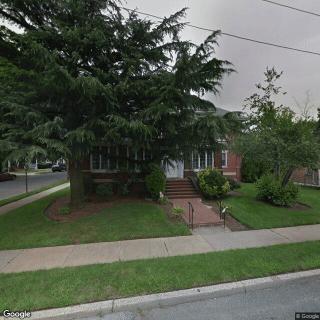







 Engaging Brain Games and Innovative Apps to Keep Senior Minds Active
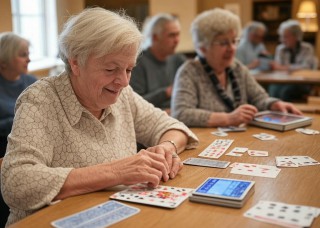 Effective Strategies for Keeping Seniors' Minds Active: A Deep Dive into Brain Games and Apps
 In-Depth Look at the VA Aid and Attendance Program