

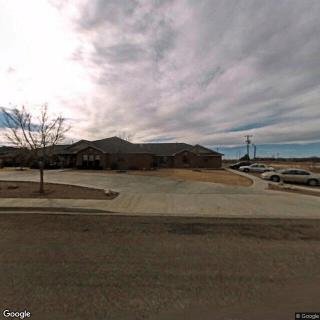
1114 S 2nd St, Tucumcari, NM 88401
To contact a resident: (505) 461-1695
For more information about senior living options: (866) 208-4318
Overall Review of Guardian Angel
Pros
 The staff are warm, friendly, and helpful, with a nicely varied inventory.
- Theresa, the store’s manager, is kind and sociable, making customers feel welcome.
- The staff, including the memorable "honeybee lady," bring cheerful energy to the store.
- Teresa is a kind and lovely proprietor, and visitors enjoy exploring her treasures.
- The thrift shop is described as a gem, and guests are grateful for the experience.
- Visitors stopping by are glad to have visited and plan to return.
Cons
 The store was closed when they arrived, even though Google said it was open.
- The place was closed despite posted hours and looked abandoned with a smashed-out window.
- An older woman at Teresa's store raised her voice at a 3-year-old, and the encounter left them feeling unwelcome.
Review
Guardian Angel is best suited for families seeking a warm, socially oriented environment where staff are consistently personable and residents are included in a lively, people-first atmosphere. The reviews point to a culture in which caregivers and front-line staff know people by name, demonstrate real warmth, and make an effort to connect with both residents and visiting family members. For families who value everyday kindness, accessible staff engagement, and a sense of community that feels more intimate than a large institutional setting, this community presents a compelling fit.
However, alternatives deserve consideration for families prioritizing predictability and steadily available access. Several accounts hint at scheduling fragility: posted hours that don’t always align with reality and occasions when the facility appeared closed or seemed unavailable when expected to be open. Those inconsistencies can undermine peace of mind for families juggling caregiving duties, work, and transportation logistics. If reliability, consistent hours, and transparent practices are non-negotiables, other options in the area may deliver greater reassurance.
On the upside, the strongest positives revolve around staff warmth and responsive outreach. Visitors describe staff as friendly, helpful, and willing to go the extra mile to make connections, an environment where families feel welcomed and engaged. When care teams invest in personal relationships, the practical benefits show up as smoother visitation, clearer communication, and a greater sense that the elder’s daily routine will be met with patience and attentiveness. These relational strengths can meaningfully offset other, more logistical drawbacks if the resident thrives on social stimulation and familiar faces.
Yet the texture of the reviews also includes cautionary notes about boundary and tone in sensitive moments. One account recounts an interaction where a staff member’s conduct toward a visiting child felt unwelcome and flagged the need for tighter boundary training and consistent, respectful communication with families. A pattern of such incidents would erode trust and complicate the decision for families evaluating a future home. The takeaway is clear: warmth must be paired with professional boundaries, respectful engagement with all visitors, and a consistent, nonintimidating atmosphere.
For families weighing options, practical due diligence matters as much as gut feeling. Tour the community with a focus on hours and access, confirm current posted hours, how quickly changes are communicated, and what contingencies exist for closures or deviations. Inquire about staff-to-resident ratios, turnover, and how personalized care plans are created and revisited. Ask about daily activities, transportation options, meal quality, and safety features. Above all, probe the tone of interactions during tours: are front-desk staff and caregivers courteous to residents and visitors alike? These questions help separate a hospitable vibe from an arrangement that can be relied upon for steady routine and predictable responsiveness.
In the end, Guardian Angel emerges as a practical choice for families who prize a genuine, neighborly feel and the everyday warmth of staff who remember and engage with residents. It is less ideal for those whose priority is ironclad reliability, uncompromising scheduling accuracy, or a uniformly strict professional boundary standard. The community can deliver meaningful social richness and heartfelt attention, but this strength must be weighed against the potential for hours to shift and for occasional interaction styles to clash with family expectations. A disciplined, in-person evaluation, focusing on hours, safety, staff consistency, and the handling of visits, will reveal whether this setting can meet the elder’s needs without creating recurring stress for loved ones.
 Assisted Living
 Activities on-site
 Devotional services off-site
 Indoor common areas
 Ambulatory care
 Diabetic care
 Meals provided

 When to Transition from Assisted Living to Memory Care: Key Indicators, Steps, and Finding the Right Community
 Assisted Living and Memory Care: Understanding Their Core Differences
 Beyond the Bingo Hall: 50+ Enriching Activities for Seniors in Assisted Living