
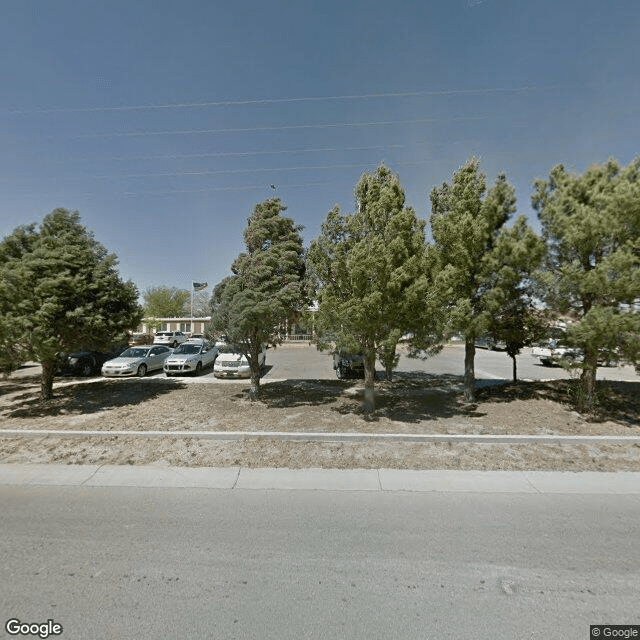
1402 W Gilchrist Ave, Artesia, NM 88210
To contact a resident: (505) 746-9865
For more information about senior living options: (866) 208-4318
Overall Review of Artesia Good Samaritan Ctr
Pros
 The physical and occupational therapists are exceptional.
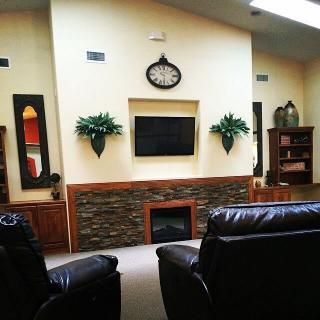
- The facility is clean and calming.
- The staff is very nice and accommodating.
- The meals are very good, prepared by a very good cook.
- It is a smaller facility with a robust staff and residents, indicating attentive care.
Cons
 They realized they could not leave their husband alone in that place.
- They reported that complaints were ignored.
- They noted that most of the staff never smiled.
- They said the administrator did not introduce himself or engage with them until their husband escaped after four weeks.
- They claimed the facility was the same despite a new name; it was still run the same way with essentially the same staff.
- They claimed the new name was a deception to hide ongoing issues and that the facility slapped a new name on it when the state started cracking down.
- They wished the therapists worked at another facility.
Review
Artesia Good Samaritan Center is best suited for families pursuing short-term, therapy-focused rehabilitation where the primary goal is skilled physical and occupational therapy to regain mobility and independence after an acute illness or setback. The facility appears to deliver top-tier rehab work, which is a decisive advantage for relatives who can commit to on-site involvement during recovery. It suits a scenario in which a loved one needs intensive therapy and the family can tolerate a care environment that may not feel warm or highly responsive on a day-to-day basis. In short, this community is most appropriate for rehab-driven stays where therapy quality can drive outcomes and family oversight is feasible.
Those considering alternatives should look beyond the rehab phase if long-term daily living requires steady social interaction, consistent staff engagement, and proactive management. The reviews signal that administrative accessibility and frontline warmth are inconsistent, which matters for residents who cannot advocate for themselves. Families with expectations of a consistently cheerful, communicative staff, and a predictable, smoothly run daily routine may want to explore other nearby options. For individuals needing ongoing companionship, or for those who value a visibly proactive administrator who engages with families, this center may fall short.
The strongest redeeming feature is the rehabilitation team. Reviewers describe the physical and occupational therapists as exceptional, delivering care that clearly supports meaningful recovery. This is not incidental; it directly affects post-acute outcomes and can make a real difference in regaining independence after a period of weakness. For a loved one who is focused on regaining mobility and function, those therapists represent a compelling reason to consider this facility, provided other factors, like daily care culture and supervision, are managed to a satisfactory level.
However, the facility’s core weaknesses are substantial and cannot be dismissed. Frontline staff morale and engagement appear low, with complaints that many staff members “never smile” and a sense that concerns are routinely ignored. The reviewer who spent long hours with a loved one observed a disconcerting lack of administrative presence or connection, culminating in a troubling incident where a resident escaped after four weeks. These dynamics help explain persistent friction between families and staff, and they raise genuine safety and continuity-of-care concerns that directly impact the overall resident experience.
In weighing pros and cons, the robust therapy program is meaningful but insufficient to offset the broader care environment shortcomings. Exceptional rehab can drive short-term gains, yet inconsistent staff interactions and a detached administrative posture erode trust, undermine daily routines, and increase family burden. The risk-reward calculation tips against long-term reliance on a setting where supervision feels reactive rather than proactive, especially for residents who require ongoing monitoring, predictable communication, and a steady, compassionate daily milieu. The bottom line favors a choice with a stronger consensus of engaged leadership and consistently warm, responsive caregiving.
For families moving forward, the practical course is clear: prioritize on-site observation during different times of day and days of the week to gauge staff morale and responsiveness; insist on meetings with the administrator and the heads of therapy to establish clear lines of accountability and communication; review how safety and incident responses are handled and whether current policies have meaningful oversight. If choosing this center, pair the prime rehab expertise with a concrete plan for daily oversight by a trusted family member or caregiver. If the current environment feels uncertain, explore alternatives with steadier administrator presence, more consistent front-line warmth, and a daily culture that prioritizes both safety and social engagement as integral parts of recovery and long-term well-being.
 Assisted Living
 Activities on-site
 Devotional services off-site
 Indoor common areas
 Ambulatory care
 Diabetic care
 Meals provided



 Understanding the Distinctions: Assisted Living and Memory Care Explained
 Guiding Elderly Parents Who Refuse Assisted Living: 6 Practical Steps
 Your Comprehensive Guide to Luxury Assisted Living: Elevated Facilities, Amenities, and Costs