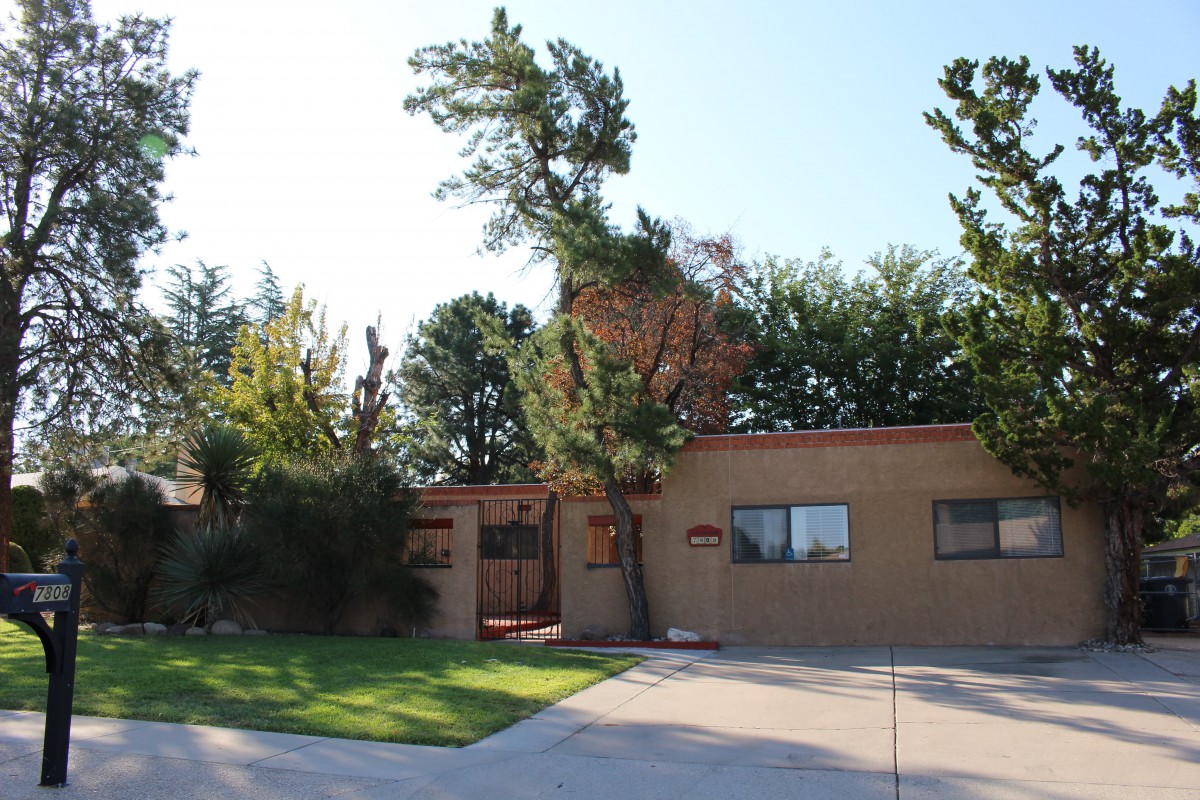
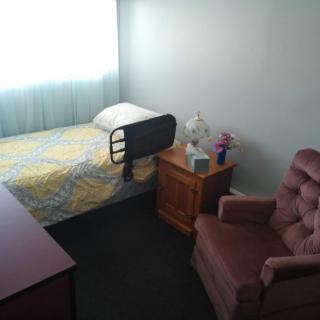

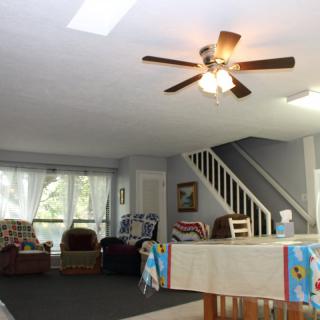

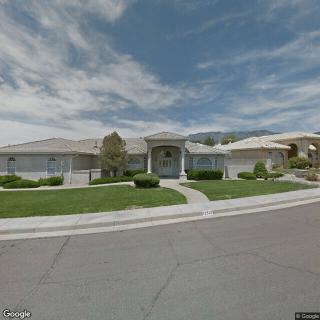
7808 Palo Duro Avenue NE, Albuquerque, NM 87110
For more information about senior living options: (866) 208-4318
Casa Palo Duro Costs & Pricing
Casa Palo Duro presents a pricing structure that reflects its commitment to providing quality care in a serene environment, with monthly costs for semi-private rooms set at $4,000 and private rooms at $5,000. When compared to the broader market, these rates are notably higher than the average costs in Bernalillo County - $3,285 for semi-private and $4,602 for private accommodations - as well as the state averages of $3,324 and $4,391 respectively. While Casa Palo Duro's pricing exceeds local and state benchmarks, it is essential to consider the unique services and amenities that may justify this premium. Residents can expect a higher level of personalized care and enriched living experiences that often accompany such an investment.
| Floor plans | Casa Palo Duro | Bernalillo County | New Mexico |
|---|---|---|---|
| Semi-Private | $4,000 | $3,285 | $3,324 |
| Private | $5,000 | $4,602 | $4,391 |
Assisted Living communities with a similar price nearby
-
from +$195 / mo

Beehive Homes Of Bosque Farms
$4,195 to $5,295 / month20.6 miles away -
from -$300 / mo
Albuquerque Uptown Assisted Living
$3,700 to $4,000 / month1.5 miles away -
from -$200 / mo

Fountain Hill Assisted Living
$3,800 to $5,500 / month8.5 miles away -
About the same

La Vida Llena Retirement Community
$4,000 to $50,000 / month2.1 miles away -
from -$400 / mo

Sandia Senior Suites
$3,600 / month3.5 miles away
Overall Review of Casa Palo Duro
Pros
 The staff are wonderful and very caring.
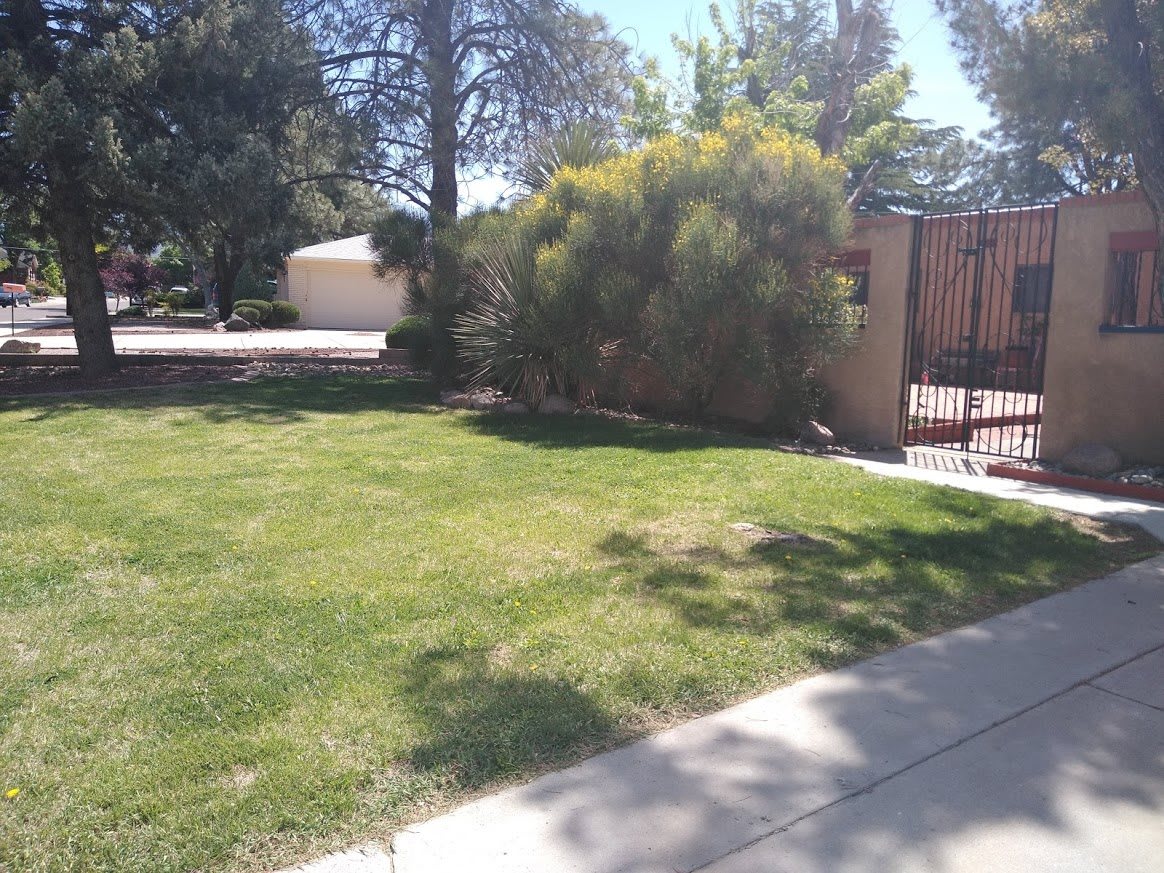
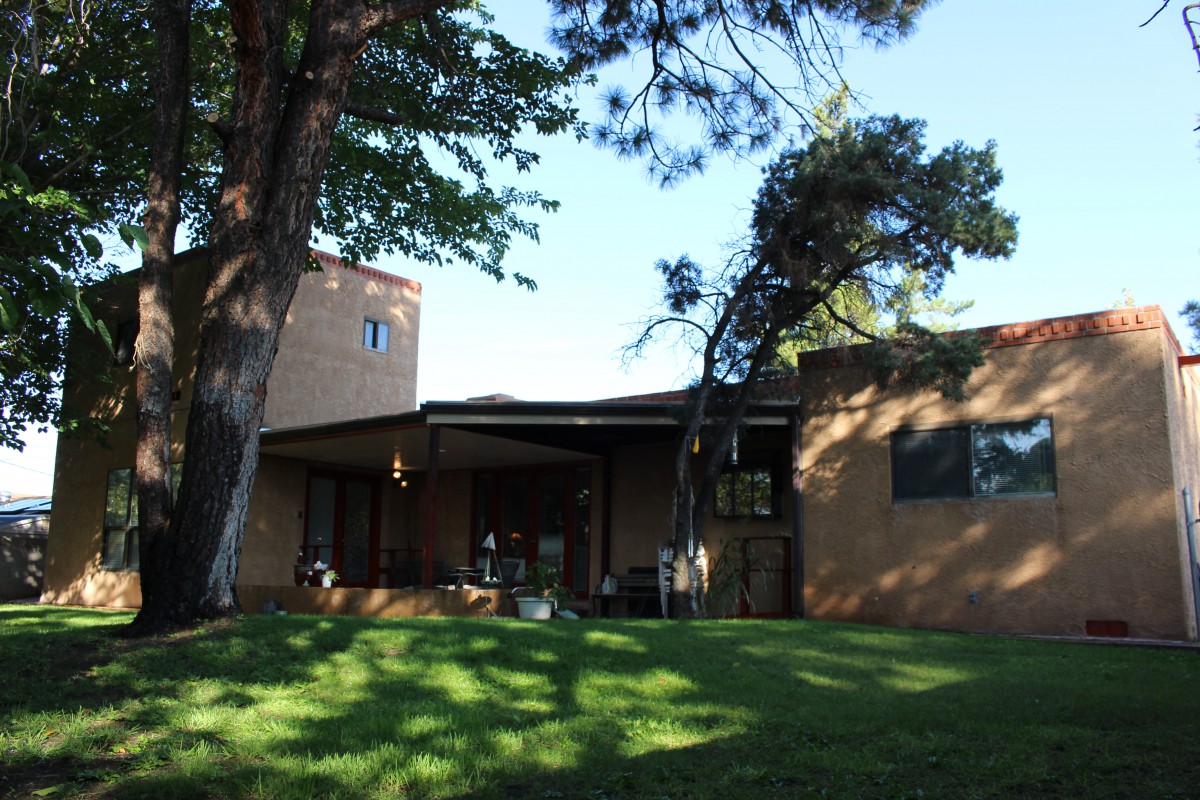
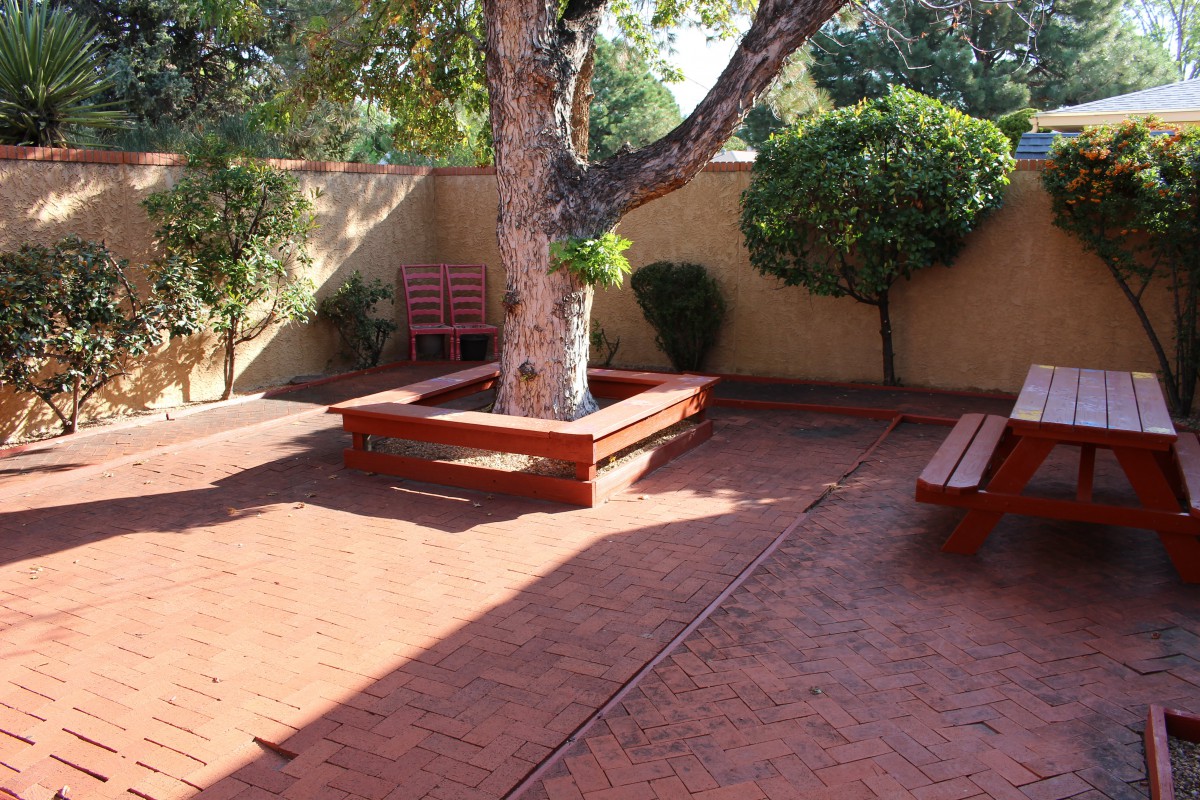
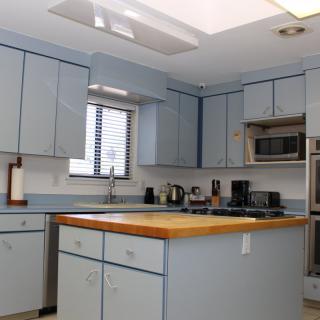
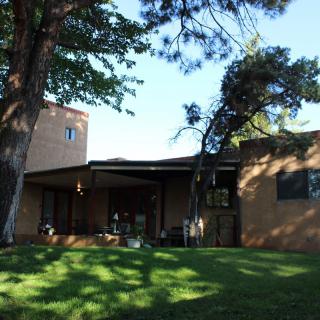
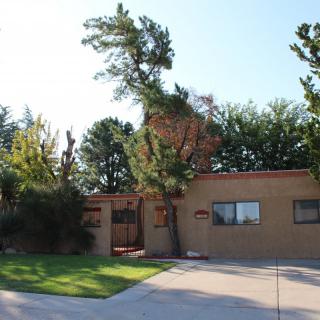
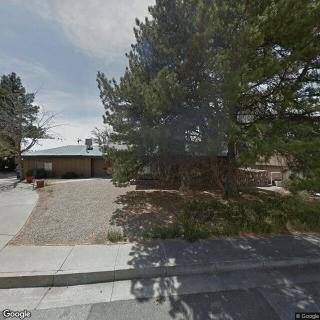
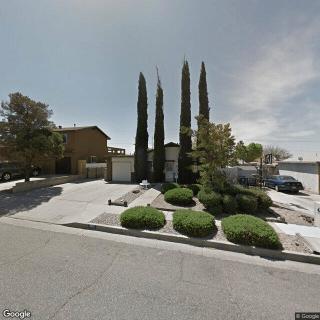
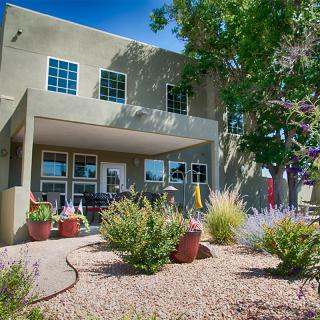
- The house is located in a nice neighborhood and has a beautiful shady courtyard and backyard.
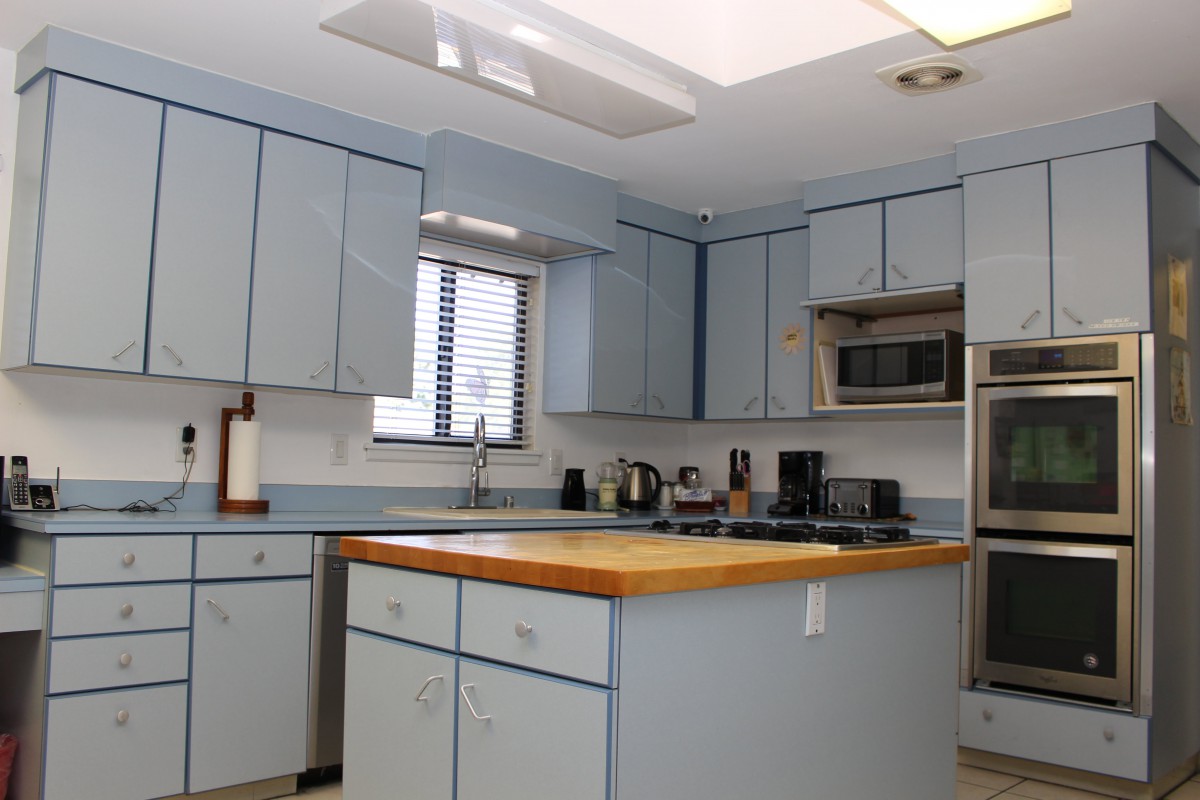
- Meals are freshly prepared.
- It is a great place for a loved one who needs extra supervision and assistance with ADLs.
- Activities like bingo took place a few times a week, even during Covid quarantine.
- A maximum of 9 residents allows for appropriate staffing.
- Residents on hospice were well cared for, which helped ease families' minds during difficult times.
Cons
 Everything was fine until Danyelle took over.
- Shawna treated the mom very cruel.
- The facility shouldn't require a two-week notice when a resident is being mistreated.
- They kept all of the mom's money, including two weeks' worth of her not being there.
- They gave no refund even though she was paid for the whole month.
- They kept her deposit.
- Danyelle didn't take the time to listen to the mom, and she didn't even know the mom could talk.
- The place doesn't care about elderly residents.
Review
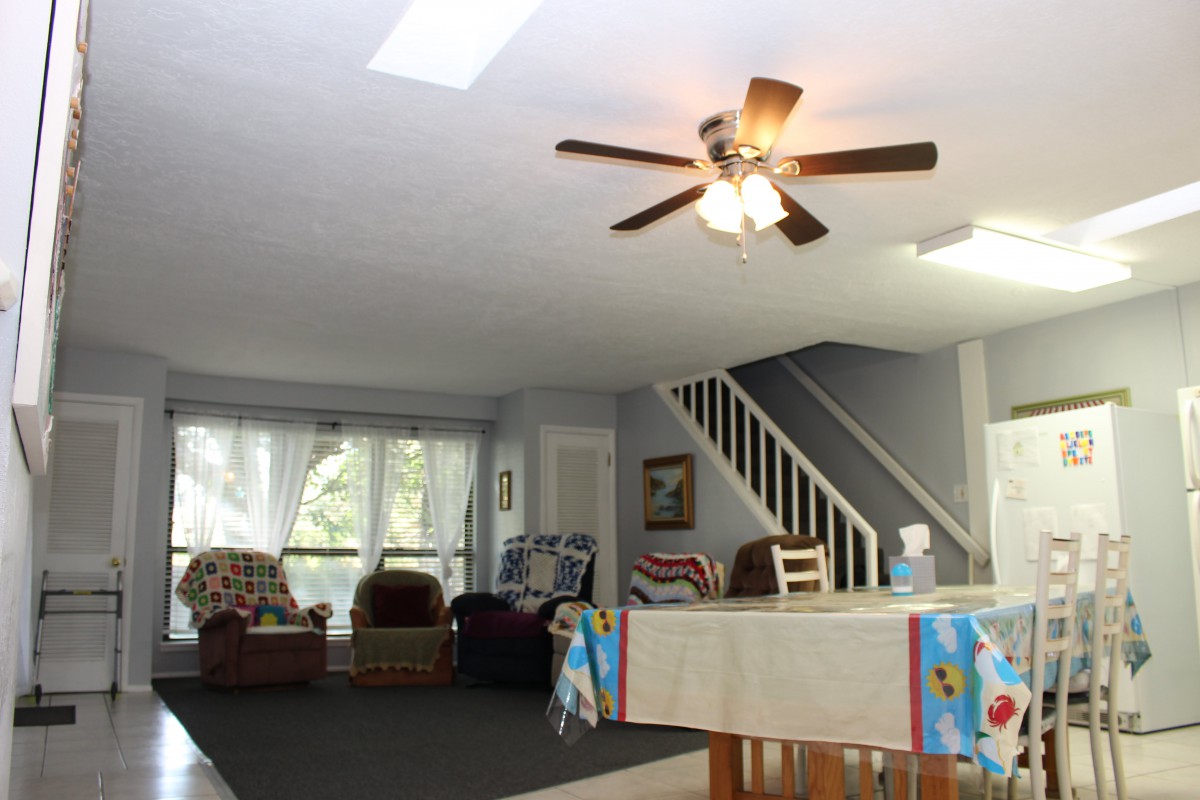
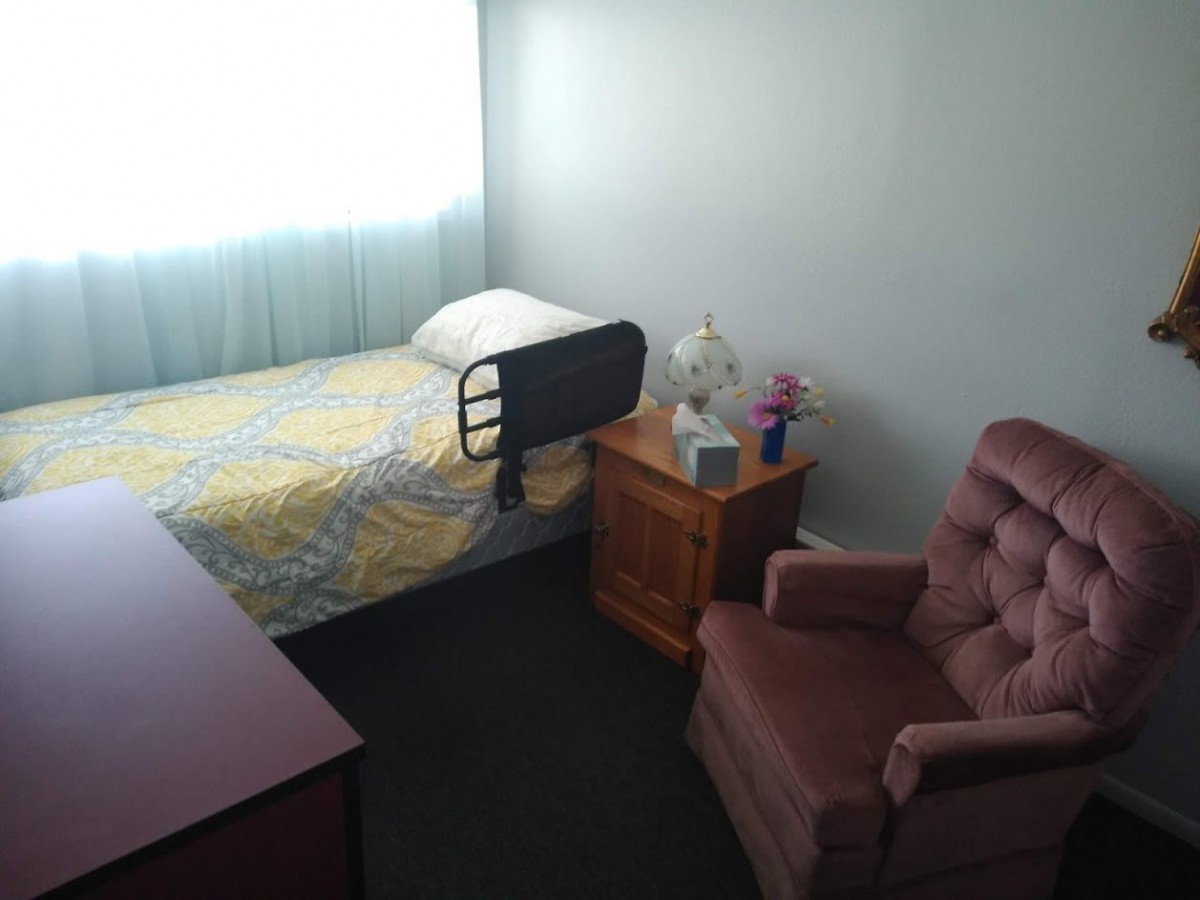
Casa Palo Duro in Albuquerque is best suited for seniors who need steady supervision and assistance with activities of daily living and who prefer a compact, homey setting. The community’s small size, no more than nine residents, facilitates closer staff-resident interactions, which can translate into more consistent attention to daily needs, mood, and routines. The neighborhood location, a shaded courtyard, and meals prepared on-site contribute to a comfortable, livable atmosphere for those who do not require hospital-level care but do rely on regular help with ADLs. For families prioritizing a warm, personal approach and a quieter pace, this community offers tangible appeal.
On the positive side, residents and families repeatedly highlight the care and kindness of the caregiving team, the appealing neighborhood setting, and the quality of meals. The small community size is repeatedly noted as a key strength, enabling staff to stay attuned to individual preferences, dietary needs, and personal histories. Activities such as bingo and other social opportunities show that residents have chances for engagement, and the setting is described as suitable for someone who benefits from supervision and routine without abrupt changes in staff or environment. Hospice moments where care stayed aligned with comfort and dignity also bolster confidence for families navigating end-of-life decisions.
Yet the caveats are serious and demand careful consideration. One review paints a stark picture of abusive behavior by a named staff member after a turnover in management, describing cruel treatment toward the resident and alleging improper financial handling, including withholding refundable funds and keeping a deposit. This account centers on a loss of trust in the leadership and accountability systems, raising red flags about how concerns are addressed and how residents are protected when conflicts arise. Even though another reviewer praises the current staff, the weight of these allegations cannot be dismissed when evaluating whether the community maintains consistent, preventive safeguards against mistreatment and financial improprieties.
The key question becomes whether the positives can sufficiently offset these significant concerns. The small, attentive staffing model and the quality of daily life elements (meals, courtyard space, and opportunities for engagement) provide real value to residents who need hands-on support and appreciate a stable, intimate environment. However, the allegations describe a breakdown in governance and resident rights, issues that threaten safety, dignity, and financial integrity. In decisions where peace of mind about staff conduct, complaint resolution, and transparent finances is non-negotiable, these concerns may eclipse the benefits of the setting, regardless of present-day warmth or competence among caregivers.
Families who should consider alternatives are those for whom strong oversight and predictable leadership are non-negotiable. If there is any hesitation about how incidents are reported, investigated, and resolved, or about whether deposits and refunds are handled with clear, contractual protections, it may be prudent to explore other options with more formally documented governance and complaint processes. Likewise, if a resident requires more specialized medical or dementia-focused care, or if confidence in long-term financial integrity is paramount, broader facilities with larger staff pools, standardized incident reporting, and third-party audits may be a safer fit.
The practical path forward is deliberate and evidence-based. Schedule a comprehensive tour focused on governance and daily routines, and request to meet the current administrator and direct caregivers. Obtain a copy of the resident rights policy, the grievances process, and the exact terms surrounding deposits and refunds. Ask for recent activity logs, incident reporting templates, and a reference list from former families. If a trial placement or short-term stay is possible, use that window to observe staff-resident interactions, response times, and how concerns are handled in real time. When transparency, accountability, and respectful care come across as genuine commitments, Casa Palo Duro can be a strong match for the right resident; otherwise, the prudent choice may be to look at alternatives that prioritize stronger governance and uncompromising safety.
 21 resident community capacity
 Assisted Living
 Board and Care Home
 Activities on-site
 Air-conditioning
 Bath tubs
 Beauty salon
 Cable or satellite TV
 Dining room
 Fully furnished
 Garden
 Housekeeping services
 Indoor common areas
 Kitchenette
 Move-in coordination
 Outdoor space
 Private
 Respite or short term stays offered
 Telephone
 Wheelchair accessible showers
 Wi-Fi/high-speed internet available
 Albuquerque International (6 miles away)
 24-hour call system
 Ambulatory care
 Assistance with bathing
 Assistance with dressing
 Assistance with transfers
 Diabetes diet
 Diabetic care
 High acuity care
 Incontinence care
 Meal preparation and service
 Medication management
 Mental wellness program
 Special dietary restrictions
 Transportation arrangement (medical)
 Transportation to doctors appointments
 Art classes
 BBQs or picnics
 Bible study group
 Book club
 Cooking classes
 Educational speakers / life long learning
 Karaoke
 Live dance or theater performances
 Live musical performances
 Trivia games
 Wii bowling
 Yoga / chair yoga


 Comprehensive Supportive Living Arrangements for Adults with Disabilities
 Funding and Affording Assisted Living: A Thorough Overview
 Assisted Living Expenses and Long-Term Care Insurance: A Comprehensive Exploration