
41 Briarwood Drive, Little Egg, NJ 08087
For more information about senior living options: (866) 208-4318
Overall Review of Cranberry Creek
Pros
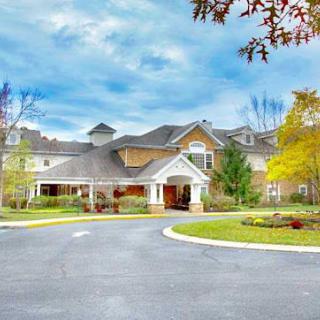
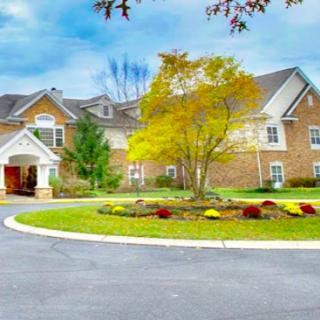
 The residents live in a lovely home in the beautiful pines of New Jersey within the Cranberry Creek 55+ neighborhood.
- The location is nice.
- The beauty of the homes and the pine lands' topography is appreciated.
- Residents appreciate Cranberry Creek's appeal and the fresh approach to improving its appearance.
- The retirement setting is enhanced by the community's scenic beauty and pine-land surroundings.
Cons
 They believe Cranberry Creek is not a happy place due to poor management.
 - They view the HOA as very badly managed and maintained.
- They claim the HOA discourages pride of ownership and updates, citing bylaws.
- They have been knocked down and denied improvements to their property.
- The board discourages modifications that would improve the community’s image while the grounds and amenities degrade.
- The common grounds and amenities are derelict and neglected.
- They question where HOA fees are being spent, implying a lack of transparency.
- They describe a culture of disenfranchisement and complete lack of transparency in decisions and control.
- They regret moving there and believe the community won’t thrive as a happy place without substantial management changes.
Review
Cranberry Creek in Little Egg Harbor presents a clear fit for retirees who prize a picturesque pine-scented setting, established homes, and the quiet reliability of a 55+ environment, provided they accept a governance culture that feels more like a volunteer-driven club than a professionally run, highly transparent operation. The location and the physical appeal of the homes are undeniable assets: seasonal views, mature landscape, and a sense of stability that can support a low-key retirement lifestyle. Yet the upside hinges on tolerance for a board-driv en dynamic where decision-making rests in a relatively small circle of volunteers rather than a professional management team. For residents who want a highly responsive, businesslike governance and visible stewardship of common spaces, this is a warning sign rather than a comfort.
Those who may want to consider alternatives are precisely the buyers who insist on predictable, well-documented financial stewardship and a community experience built on engagement rather than gatekeeping by bylaws. Prospects who expect transparent budgeting, clearly funded maintenance, and proactive upgrades will likely find Cranberry Creek disheartening under the current leadership. Families seeking a genuinely collaborative neighborhood where residents have a real say in common-area improvements and where HOA expenditures are openly tracked will want to look elsewhere. The “nice location” tag carries more weight if the governance and governance-related communications prove trustworthy and accountable; without that, the best scenic backdrop cannot compensate for a lack of community vitality.
The principal advantages, the setting and the undeniable curb appeal of the properties, do not sufficiently offset the core drawbacks. On-site management presence exists, but it fails to translate into meaningful, resident-centered service when the larger board exercises tight, opaque control over finances and decisions. A small group of volunteer leaders has become the de facto authority, and transparency appears to be a recurrent casualty. The common grounds and amenities are described as derelict or neglected, which undermines the value of the HOA fees that appear steep. In short, the scenery is appealing, but the governance and maintenance reality undermines long-term confidence in property value and daily livability.
However, there is a cautious potential for renewal if governance shifts occur. The two-on-site managers could play a constructive role if paired with a more open, accountable board that shares budgets, reserve studies, and improvement plans with residents. The upside hinges on a credible commitment to transparency, a clear path for resident input, and a disciplined capital plan that actually rejuvenates common areas and amenities. Without those changes, the best features become a mirage: the same financial outlay with little visible return in upkeep or community pride. Prospective buyers should weigh the hope of reform against the risk that the current pattern persists.
For families evaluating an active purchase, the prudent course is rigorous due diligence: request recent financial statements and reserve allocations, obtain a five-year maintenance plan, and speak with multiple residents about recent interactions with the board. Verify whether there is a published, enforceable process for updates to the community, and assess whether improvements have been delayed or sterilized by bylaws. If strong governance reform is not on the horizon, alternatives with stronger management track records, clearer budgets, and more transparent resident engagement deserve serious consideration. The decision hinges on whether the future can accommodate a governance reset that restores trust and tangible upgrades.
In the end, Cranberry Creek is not a universal pick for retirement living. It rewards those who can tolerate a quiet, scenic setting with a governance model that may lack transparency and timely maintenance. For buyers who want an engaged, administratively sound community with clear financial stewardship, alternatives are a smarter bet. If this community can demonstrably recalibrate its leadership approach, opening budgets, inviting resident input, and delivering visible improvements, then its location and housing stock could finally align with the expectations of a confident, future-focused retirement. Until that shift materializes, proceed with caution, demand concrete governance promises, and compare other 55+ options that offer greater reliability and accountability.
 6 resident community capacity
 Active Adult Communities (55+)
 Housekeeping services
 Telephone
 Wi-Fi/high-speed internet available
 Atlantic City International (14 miles away)
 Assistance with dressing
 Meal preparation and service
 Medication management
 Diabetes diet
 Special dietary restrictions

 Home Health Care Demystified: A Comprehensive Guide for Families and Caregivers
 Seniors and Modern Transportation: Exploring Uber, Lyft, and Other Ride-Hailing Options
 Comprehensive Guide to Qualifying for Home Health Care Services