

112 Woodland Ave Suite 201, Somers Point, NJ 08244
To contact a resident: (609) 927-0203
For more information about senior living options: (866) 208-4318
Overall Review of Home Instead - Somers Point, NJ
Pros
 They tailored a flexible plan that fit mom’s needs.
- The caregivers are compassionate, professional, and provide exceptional care.
- Sangeeta and the Home Instead office listened to mom and reassured her wishes would be respected.
- The service enables families to keep loved ones at home for as long as possible.
- The team is responsive, attentive, and adaptable to changing schedules.
- The live-in and daily caregivers provide continuous, high-quality support.
- The experience has been a blessing for the entire family.
Cons
 Some aides are very lazy and do bare minimum, while others provide exceptional care.
 - The aides occasionally call out and then there is no one available, or a substitute arrives who doesn’t know them.
- They clean and do laundry, which is needed, but sometimes could do an extra step.
- The aides don’t cook dinner and Dad has to do it himself, which isn’t safe.
- They do no activities even though there are games and puzzles to do for the dementia.
- The minimum required hours are four, but they are not actually worked as often as hoped.
- Meals on Wheels is only two days a week.
Review
This community is best suited for families who want a loved one to stay in their own home with highly personalized, flexible in-home care that preserves independence and comfort. It shines for seniors who value aging in place, including those dealing with memory challenges, where a mix of scheduled visits and live-in support can be tailored to the moment-to-moment needs of the client. The model works particularly well for caregivers who want to avoid a move into a traditional facility and for families seeking to adjust hours, pacing, and task focus as health status evolves. When a senior wants consistent companionship, predictable responsiveness, and a plan that can flex up or down, Home Instead Somers Point routinely delivers.
There are clear reasons to consider alternatives. For families that prioritize a traditional assisted living environment with a fixed calendar of activities, around-the-clock clinical oversight, and guaranteed, on-site nursing observation, a building-based option may be more suitable. Those who require comprehensive 24/7 supervision without the possibility of live-in arrangements, or who want a highly structured program with formal dementia activity programming, should evaluate facilities designed for constant supervision and organized group engagement. If the priority is a tighter guarantee of daily caregiver coverage with zero risk of substitutions, a center-based option may feel more reliable. In short, when the preference is a highly regimented, facility-based setting, alternatives are worth a serious look.
The strongest advantages here are the ability to craft a genuinely responsive care plan and to keep the person at home with trusted, empathetic caregivers. Families report that plans are quickly customized to fit shifting needs, and that the philosophy of remaining “home instead” resonates with loved ones who resist relocation. The continuity angle is powerful: there are long-running arrangements with daily caregivers and even live-in support that make it practical to maintain safety, comfort, and daily routines. The franchise owner, Sangeet, and the local team are consistently praised for clear communication, proactive problem-solving, and a willingness to adjust matches when a caregiver isn’t the right fit. This level of adaptability translates into real peace of mind for families negotiating complex schedules, dementia care, and hospice-adjacent needs.
However, some realities temper the appeal. Variability in caregiver availability means occasional substitutions or missed expectations around certain days, which can disrupt a carefully planned routine. Dinner coverage is not universal, with some days leaves Dad or Mom cooking themselves, and activities tailored to dementia are not always part of the daily picture. The minimum engagement is typically four hours, which can feel constraining when more intensive daily supervision is required. Billing nuances and paperwork have surfaced in certain experiences, though these are often navigated smoothly when a strong point person (like the local franchise owner) is involved. These gaps are real, but they are not insurmountable with proactive planning and explicit expectations.
The practical upshot is that this option reliably enhances quality of life and reduces family stress when the care plan emphasizes flexible scheduling, dependable caregiver presence, and fast responsiveness to changing needs. The experiences with live-in arrangements, especially during more intensive phases of decline or hospice moments, demonstrate a capacity to scale up care quickly and seamlessly. Caregivers such as Emma and Elise have been singled out as exceptional, bringing not only practical support but a sense of warmth that eases the transition for families and for loved ones alike. The ability to divert a vacation or a crisis without sacrificing caregiving continuity is repeatedly highlighted as a major win, underscoring the value of having a trusted team that can step in and maintain a stable home environment.
In sum, Home Instead Somers Point is a practical, reliable choice for families prioritizing independence, comfort, and flexible in-home care that can grow with needs. It is not the best fit for households seeking a highly structured, activity-filled facility with constant on-site nursing oversight. Families should enter with clear, written expectations about caregiver consistency, meal planning, and dementia activities, and should push for a dedicated care coordinator who can manage substitutions and schedule adjustments without friction. When it comes to keeping a loved one safely at home with compassionate, capable help, and when the goal is to preserve familiar surroundings, the value and devotion demonstrated by this team often outweigh the drawbacks. For those who can align on these terms, the path to aging in place becomes not only possible but genuinely manageable.
 Atlantic City International (9 miles away)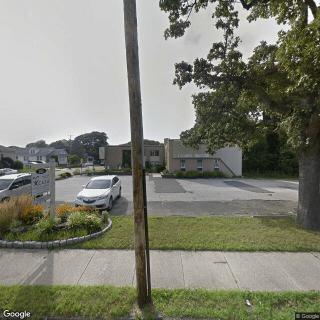







 Recognizing the Journey: Understanding and Navigating Anticipatory Grief
 Encouraging Participation in Adult Day Care: A Guide to Supporting a Hesitant Parent
 Comprehensive Exploration of Living Wills and Other Advance Directives