Winchester Gardens in Maplewood, NJ

Save

  • Interior

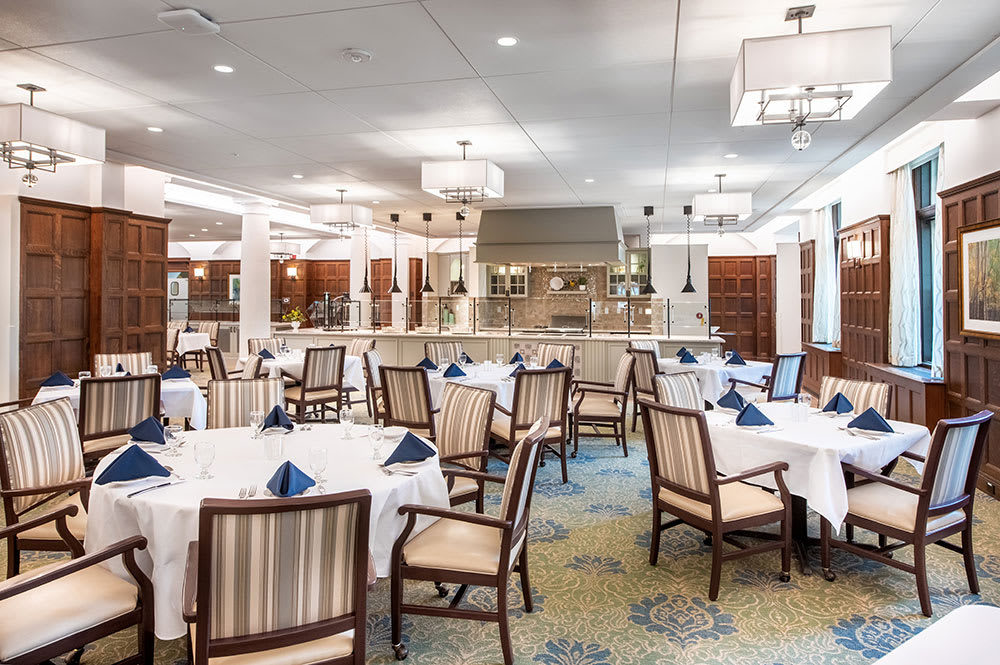
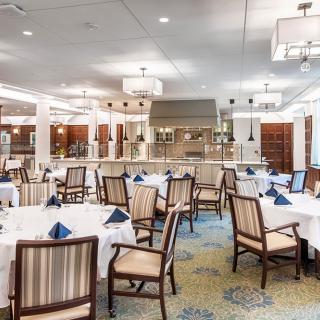
    An elegant restaurant dining room with neatly arranged tables and chairs, adorned with white tablecloths and blue napkins.
  • Decor

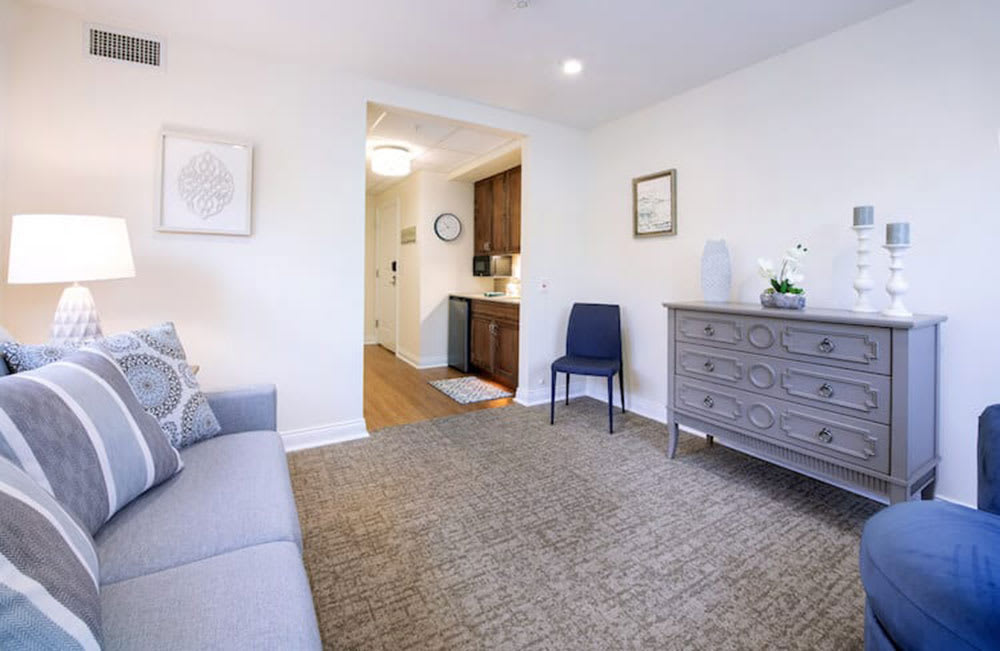
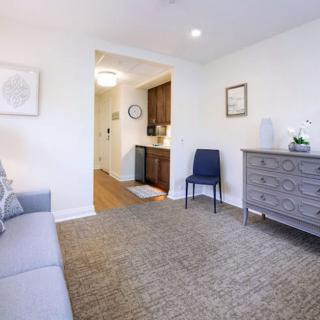
    A cozy living room with modern furnishings and decor.
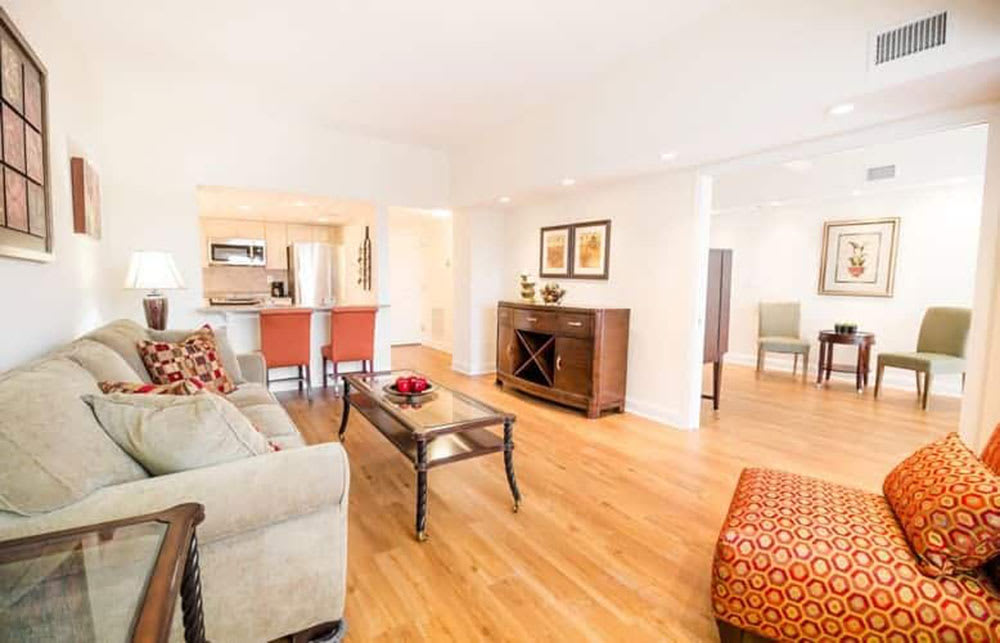
  • Living Room

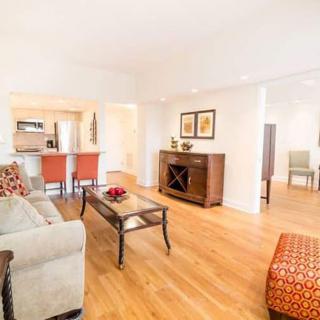
    A bright and spacious living room with modern furniture and wood flooring.
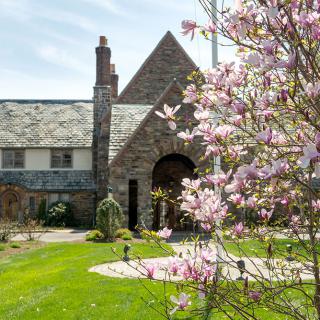
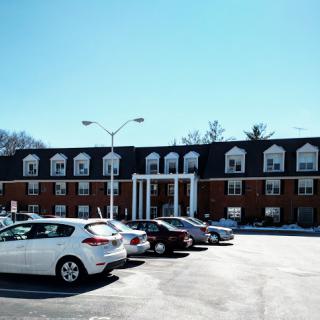
  • Architecture

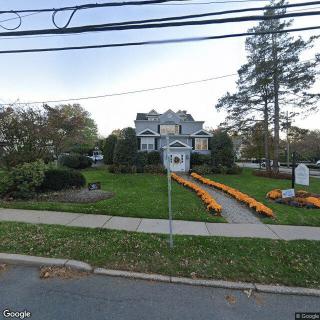
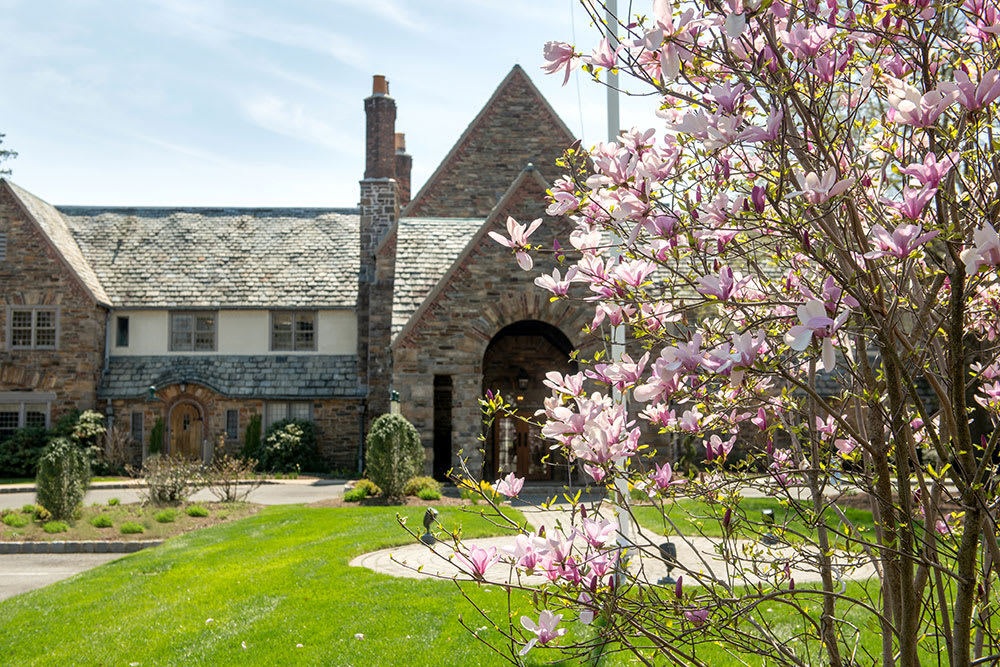
    A picturesque stone building surrounded by blooming spring flowers and lush green gardens.
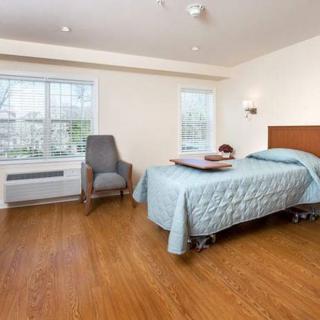
  • Bedroom

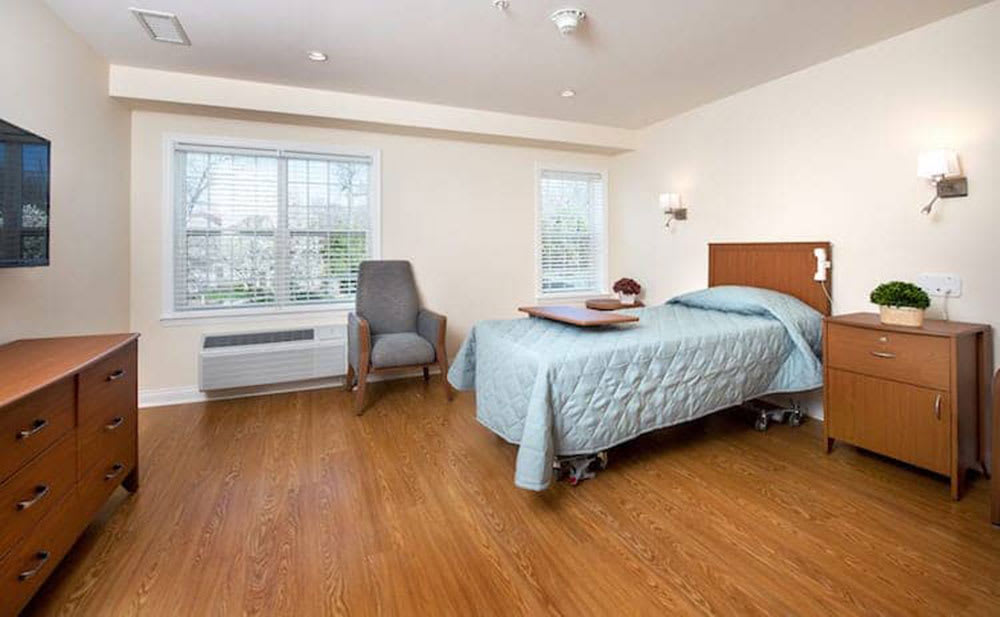
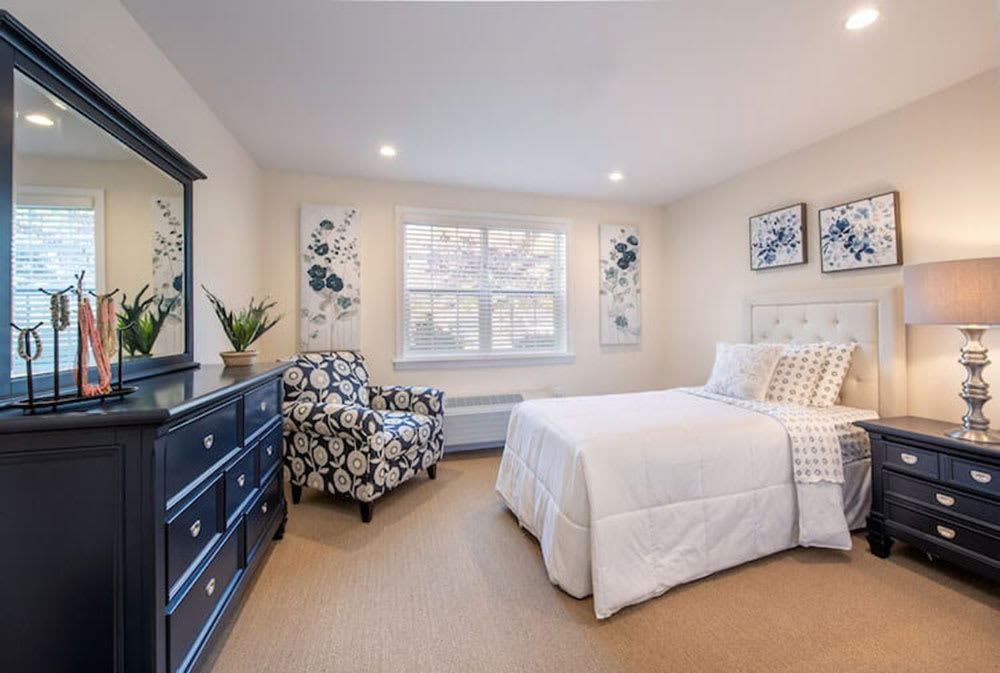
    A minimalist bedroom with a hospital bed, chair, and large windows.
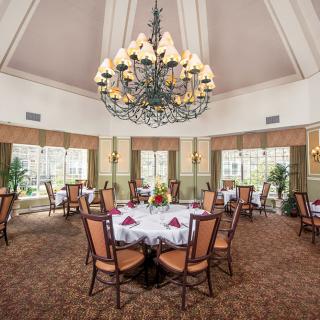
  • Windows

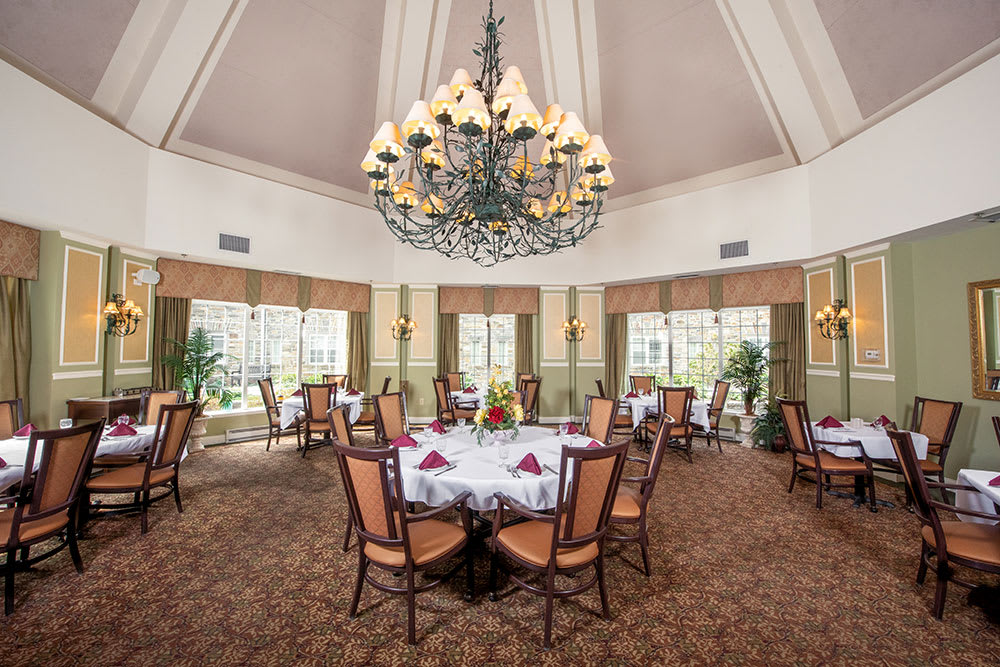
    An elegant dining room with a large chandelier, neatly arranged tables and chairs, and large windows offering natural light.
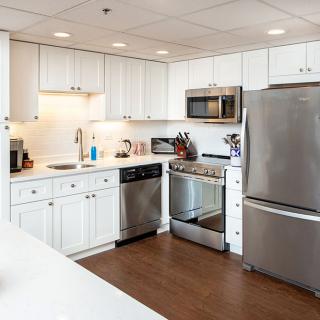
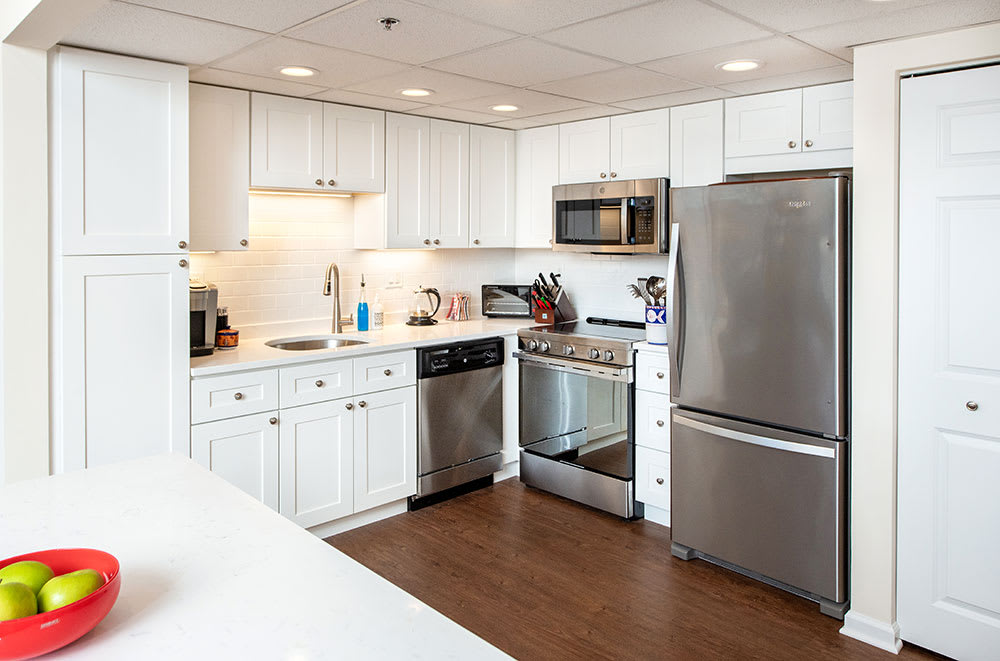
  • Kitchen

    A modern kitchen with white cabinets and stainless steel appliances.
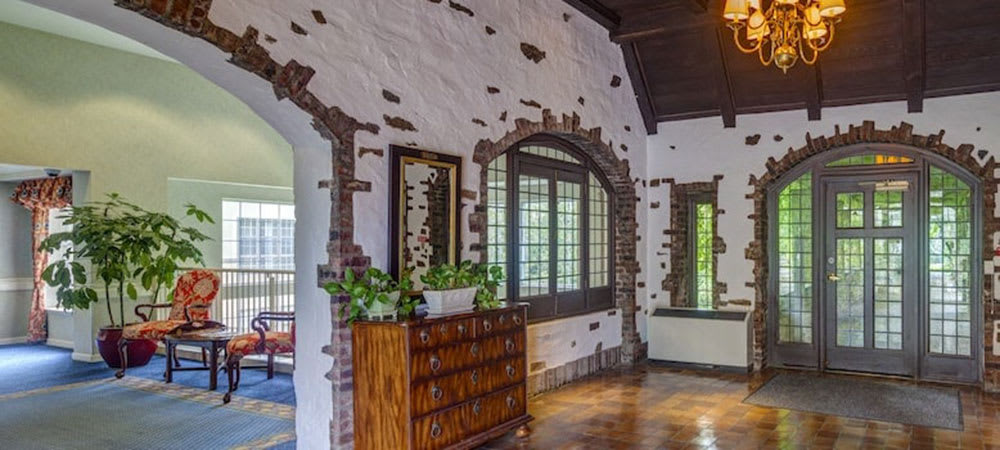
  • Fireplace

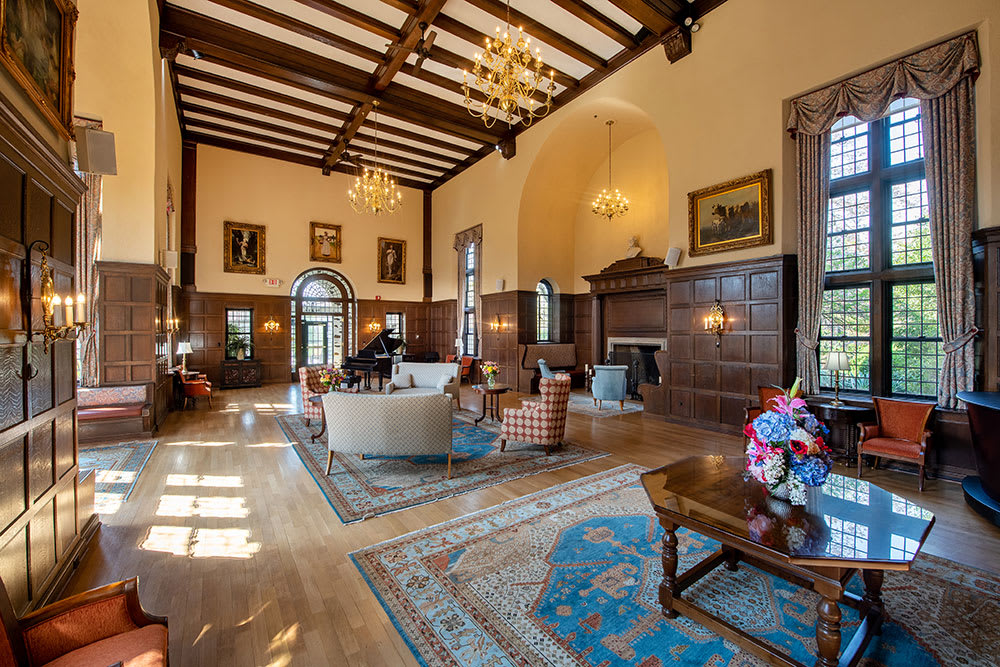
    A luxurious and elegant living room with high ceilings, wooden beams, chandeliers, and classic furniture.
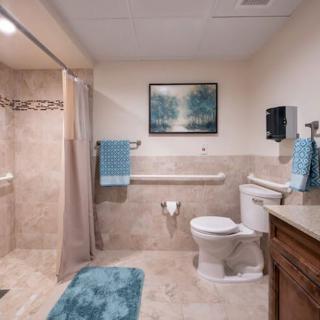
  • Bathroom

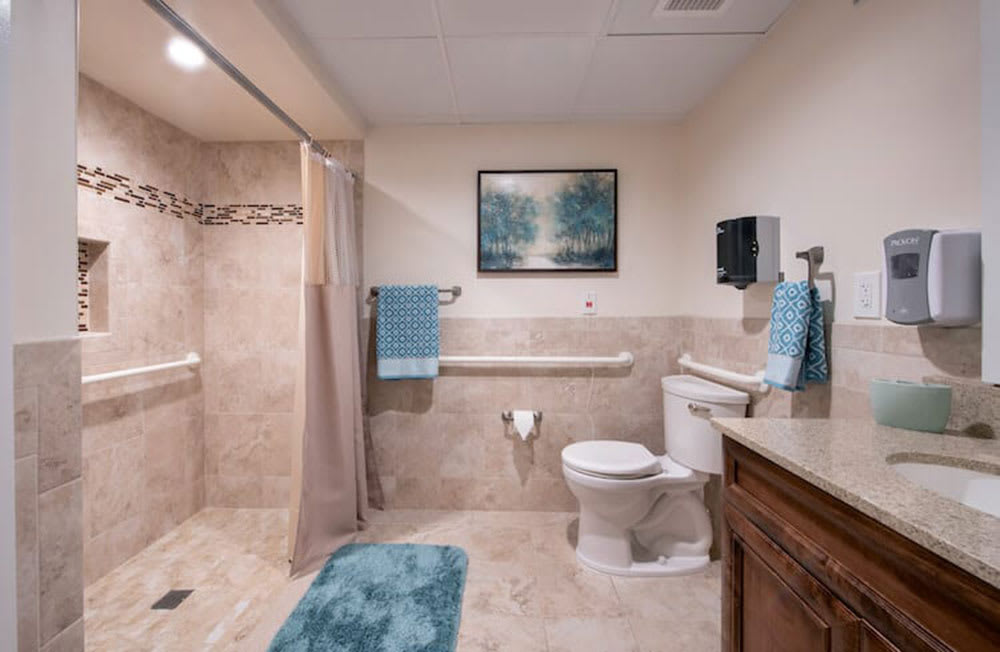
    An accessible bathroom with a shower, toilet, and sink, featuring grab bars and blue towels.
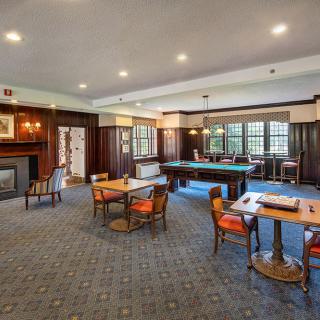
  • Game Room

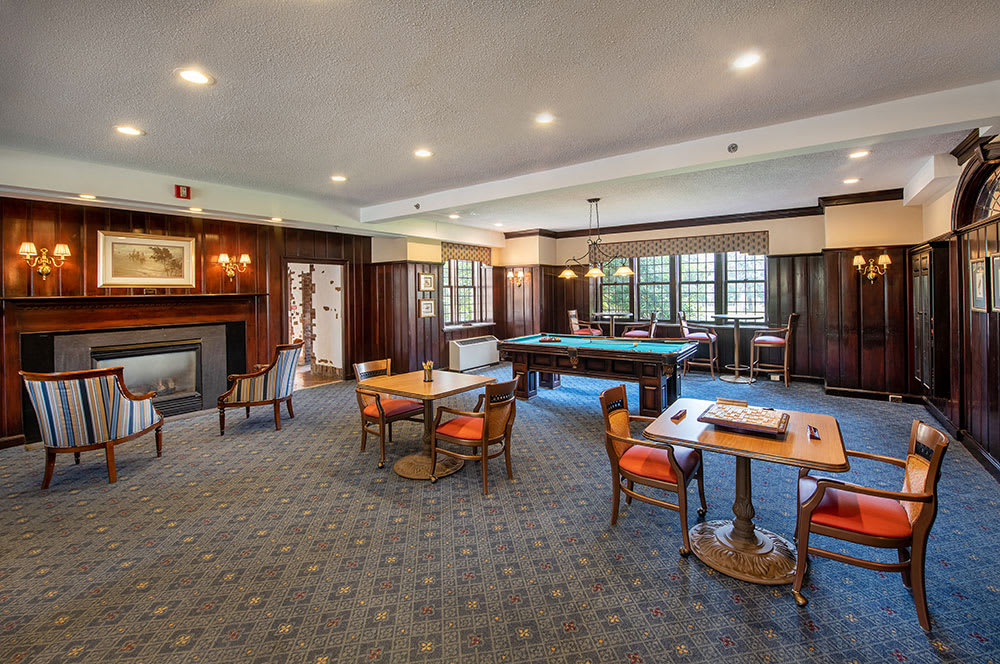
    A cozy game room featuring a pool table, several seating areas, and a fireplace.

Winchester Gardens in Maplewood, NJ

333 Elmwood Avenue, Maplewood, NJ 07040

For more information about senior living options: (844) 490-3973

4.4 from 69 reviews
5 stars
52
4 stars
6
3 stars
3
2 stars
2
1 stars
6

Assisted Living Continuing Care Retirement Community (CCRC) Memory Care Respite Care Skilled Nursing Facility

Winchester Gardens Costs & Pricing

Winchester Gardens offers a range of accommodations with costs that reflect the premium services and amenities provided to its residents. The monthly rates for a semi-private room are priced at $7,530, significantly higher than the averages for Union County ($6,083) and the state of New Jersey ($5,068). For those seeking more privacy, studio apartments are available at $7,684, again surpassing local and state averages of $5,680 and $5,286 respectively. The 1-bedroom option is listed at $9,806, which is notably greater than Union County's average of $7,862 and New Jersey's average rate of $5,994. While these costs are elevated compared to regional standards, they reflect Winchester Gardens' commitment to providing an enriching living environment tailored to the needs of its residents.

Floor plansWinchester GardensUnion CountyNew Jersey
Semi-Private$7,530$6,083$5,068
Studio$7,684$5,680$5,286
1 Bedroom$9,806$7,862$5,994

Overall Review of Winchester Gardens

Pros

  • pro Winchester Gardens is described as a beautiful setting with expansive grounds.
  • pro The staff are welcoming, professional, and provide excellent care.
  • pro The facility is regarded as head and shoulders above other facilities for rehabilitation and elder care.
  • pro The staff make residents feel like family through their care and compassion.
  • pro Administrators and staff are praised for their expertise and dedication in supporting residents' recoveries.
  • pro The community offers robust activities and programs that engage residents daily.
  • pro The grounds and historic buildings are well maintained, creating a charming, home-like atmosphere.
  • pro Lana and the LivWell team are highlighted for inclusivity and personal attention to residents.
  • pro The Great Hall and frequent concerts, games, and social events contribute to a vibrant community life.
  • pro Winchester Gardens is described as a sanctuary for the soul and a place where life feels meaningful.
  • pro The transition experience for new residents is described as warm, supportive, and well planned.
  • pro The facility provides independent living, assisted living, memory care, and skilled nursing within a cohesive community.

Cons

  • pro The reviewer states there has been sexual harassment at the facility by a manager and young servers, calling it sick and intolerable.
  • pro The kitchen is described as completely unsanitary, with molded rags and a filthy dish station, raising health concerns.
  • pro They describe staff as rude and predatory, implying mistreatment of residents.
  • pro It is claimed the facility is understaffed and lacking supplies, degrading the quality of care.
  • pro Security is described as lacking, with guards at the gate but little verification of visitors.
  • pro Staff are said to yell across rooms and perform rapid-fire memory tests, illustrating poor care.
  • pro The memory-care staff are criticized for lacking the skills to work with Alzheimer's patients, including pushing for EMT or hospital transfers.
  • pro There are accusations that some aides and therapists use personal cell phones in patients' rooms, violating privacy (HIPAA).
  • pro A review claims hip-rehabilitation care was atrocious, with delays in basic needs (ice packs, a commode) and unanswered questions.

Review

Winchester Gardens in Maplewood, NJ is best suited for active seniors who want a refined, transition-friendly community where independent living sits alongside robust rehab, memory care, and skilled nursing options. The campus blends historic English Tudor charm with park-like grounds, villa living, and a calendar that blends culture, fitness, and social connection. It is especially well matched for couples or families who value a strong sense of place, frequent concerts, lectures, and excursions, and who seek a campus where care pathways can evolve without uprooting the resident. For those who prioritize ongoing enrichment, social vitality, and a seamless continuum of care on one site, Winchester Gardens often proves a compelling choice.

That said, certain realities warrant weighing alternatives. The price tag can be a hurdle for budget-conscious families and some residents report that value depends heavily on the level of care and staffing available at any given time. Several reviews flag concerns about specific care experiences, from subacute and memory-care episodes to dining and day-to-day responsiveness, suggesting a need for careful due diligence. For seniors with more demanding cognitive decline, or for families seeking a more uniformly consistent care culture with lower overall cost, alternatives may offer more predictable outcomes. Prospective buyers should factor in personal financial constraints, desired care intensity, and the importance of clear, ongoing communication with leadership.

The community's strengths can offset many drawbacks when the fit is right. The grounds, architectural integrity, and on-site amenities create a consistently impressive first impression: multiple dining rooms, a vibrant Great Hall, an arts program, and varied activities that keep residents engaged. The on-site continuum - independent living, assisted living, memory care, and skilled nursing - gives families confidence that a loved one can transition without relocating to a new campus. The LivWell team and activity directors are repeatedly credited with tailoring programs to residents' interests, while staff across nursing, rehab, and therapy are cited as capable and caring when operating at full capacity. For residents who want to stay socially active, with accessible transportation to city experiences and nearby amenities, these advantages are meaningful and enduring.

Yet the main cons circulate around staffing consistency and the variability that comes with a large, multi-service campus. Several accounts describe moments of understaffing or slower responses to calls and transportation needs, and a few critics question specifics of rehabilitation, memory-care oversight, and even kitchen cleanliness in rare reviews. The most cautionary notes touch on experiences where care did not meet expectations during transitions or where administrative communication seemed uneven. For families evaluating Winchester Gardens, these are not universal outcomes, but they are real data points that should prompt direct questions - about nurse-to-resident ratios, daily rehab schedules, medication management, and the processes for urgent needs or emergencies.

In practical terms, Winchester Gardens works best for families who prize a distinguished setting, a strong social calendar, and a continuum of care that keeps a loved one within a single community as needs evolve. The positives - beautiful grounds, active programming, and a staff culture that many residents describe as warm and professional - often offset the potential downsides for those who can verify staffing reliability, monitor care plans closely, and maintain an ongoing dialogue with administrators. For those who cannot tolerate higher costs or who require a consistently faultless care experience across all levels of service, exploring more cost-efficient options or facilities with a sharper emphasis on dementia-specific programming may be prudent.

Actionable steps for families: arrange a comprehensive tour focused on the specific level of care anticipated (independent living, assisted living, memory care, and skilled nursing). Talk through staffing models and response times, review the dining program and kitchen hygiene history, and request to speak with current residents and their families about daily routines. Inspect a memory-care unit and a rehabilitation setting during peak hours to gauge interaction quality and safety practices. Finally, obtain written details on pricing, what is included, and what incurs extra costs, then compare against nearby options with a similar continuum of care. Winchester Gardens is a decision that pays dividends for those who value sophistication, community, and a care-on-Campus promise, while demanding diligence for those wary of cost or seeking near-perfect consistency across all care areas.

Features

Housing

  • 109 resident community capacity 109 resident community capacity

Types of Care

  • Assisted Living Assisted LivingAssisted living facilities provide crucial support and care for seniors who may need help with daily tasks such as medication management, bathing, and meal preparation. These communities offer a safe and comfortable environment where seniors can maintain their independence while receiving the assistance they need to thrive in their golden years.
  • Continuing Care Retirement Community (CCRC) Continuing Care Retirement Community (CCRC)Continuing Care Retirement Communities (CCRCs) are important for seniors because they provide a range of housing options and care services all in one location. This allows seniors to age in place and receive the level of care they need as their health changes, without having to move to a new facility. CCRCs provide a sense of security and peace of mind for seniors and their families, knowing that they will be taken care of no matter what the future holds.
  • Memory Care Memory CareMemory care is crucial for seniors as it provides specialized support and services for individuals with dementia or Alzheimer's disease. These programs offer a safe and secure environment where residents receive personalized care, cognitive stimulation, and help with daily activities. Memory care helps seniors maintain their independence, quality of life, and dignity while also providing peace of mind for their families.
  • Respite Care Respite CareRespite care provides temporary relief for caregivers, allowing them to recharge and attend to their own needs. It also gives seniors the opportunity to socialize, receive professional care, and experience a change of scenery, promoting overall well-being and reducing feelings of isolation.
  • Skilled Nursing Facility Skilled Nursing FacilitySkilled Nursing Facilities are crucial for seniors as they provide round-the-clock medical care, rehabilitation services, and assistance with daily activities. These facilities ensure that seniors receive the specialized care they need to maintain their health and well-being as they age.

Pets

  • Cats allowed Cats allowed"Pet friendly" senior living communities are important for seniors because pets provide companionship, reduce feelings of loneliness and depression, promote physical activity and mental stimulation, and offer a sense of purpose and responsibility. Pets can improve overall well-being and quality of life for seniors in many ways.
  • Dogs allowed Dogs allowed"Pet friendly" senior living communities are important for seniors because pets provide companionship, reduce feelings of loneliness and depression, promote physical activity and mental stimulation, and offer a sense of purpose and responsibility. Pets can improve overall well-being and quality of life for seniors in many ways.

Amenities

  • Activities on-site Activities on-siteActivities on-site are important for seniors because they provide opportunities for socialization, mental stimulation, physical activity, and overall well-being. Engaging in activities can help seniors stay active, maintain their independence, and improve their quality of life.
  • Air-conditioning Air-conditioningAir conditioning is important for seniors as they are more vulnerable to heat-related illnesses and may have underlying health conditions that make it difficult for them to regulate their body temperature. It helps to keep them comfortable, safe, and healthy in hot weather.
  • Beautician on-site Beautician on-siteHaving a beautician on-site at a senior living community is important for seniors as it allows them to easily access grooming and personal care services, boosting their self-esteem and overall well-being. It also provides convenience and helps seniors maintain their sense of independence and personal style.
  • Beauty salon Beauty salonBeauty salons are important for seniors because they provide a space for them to feel pampered, socialize, and maintain their personal grooming and hygiene. Regular visits to a beauty salon can help boost seniors' self-esteem and overall well-being.
  • Cable or satellite TV Cable or satellite TVCable or satellite TV is important for seniors because it provides entertainment, news, and companionship, helping to combat loneliness and boredom. It also offers a wide range of programming options tailored to different interests and preferences.
  • Computer center Computer centerA computer center is essential for seniors as it provides access to technology, communication tools, and resources that can enhance their daily lives. It allows them to stay connected with loved ones, engage in online activities, and learn new skills, ultimately promoting socialization and mental stimulation.
  • Devotional services off-site Devotional services off-siteDevotional services off-site are important for seniors as they provide spiritual nourishment, social engagement, and a sense of community outside of the senior living facility. This can enhance overall well-being and help combat feelings of isolation and loneliness often experienced by older adults.
  • Fitness room Fitness roomHaving a fitness room in a senior living community is essential for seniors to stay active, maintain their physical health, and improve their overall well-being. Regular exercise can help prevent falls, reduce the risk of chronic diseases, and promote mental sharpness. It also provides social opportunities for residents to connect with others and enjoy a sense of community.
  • Fully furnished Fully furnishedFully furnished senior living communities are important for seniors because they provide convenience, comfort, and a hassle-free moving experience. Seniors can easily settle into their new living space without the stress of having to buy and move furniture. This allows them to focus on enjoying their new home and community.
  • Gaming room Gaming roomGaming rooms are important for seniors as they provide a fun and engaging environment for socializing, cognitive stimulation, and physical activity. Games can improve memory, problem-solving skills, and overall mental well-being while fostering friendships and reducing feelings of isolation.
  • Garden GardenGardens are important for seniors as they provide a peaceful and therapeutic environment for relaxation, physical activity, and socialization. Being in nature has been shown to reduce stress, improve mood, and promote overall well-being. Gardens also offer opportunities for seniors to engage in gardening activities, which can improve mobility, flexibility, and cognitive function. Additionally, gardens create a sense of community and connection with others who share a passion for plants and outdoor spaces.
  • Ground floor units Ground floor unitsGround floor units are important for seniors because they provide easy accessibility, reduced risk of falls and injuries, and convenience for those with mobility issues. Seniors can avoid climbing stairs or using elevators, making daily tasks and activities more manageable and enjoyable.
  • Handicap accessible Handicap accessible"Handicap accessible" amenities are crucial for seniors to ensure they can easily navigate and access facilities, services, and activities without barriers or limitations due to physical impairments. This promotes independence, safety, and inclusivity for seniors in senior living communities.
  • Housekeeping services Housekeeping servicesHousekeeping services are important for seniors because they help maintain a clean and safe living environment, promote independence, and reduce the risk of accidents or illnesses. Additionally, having assistance with household chores can alleviate physical strain and allow seniors to focus on other aspects of their well-being.
  • Indoor common areas Indoor common areasIndoor common areas are crucial for seniors as they provide a space for socialization, recreation, and community engagement, promoting overall well-being and reducing feelings of isolation and loneliness.
  • Kitchenette KitchenetteKitchenettes are important for seniors living in senior living communities because they provide the convenience and independence of being able to prepare simple meals and snacks in the comfort of their own living space. This can help promote a sense of autonomy and well-being for seniors, allowing them to maintain some level of control over their dietary choices and daily routines.
  • Move-in coordination Move-in coordinationMove-in coordination is important for seniors because it helps ease the transition into their new living environment. It ensures that all logistics, such as packing, organizing movers, and setting up utilities are taken care of, allowing seniors to focus on settling in and adjusting to their new home. Having a smooth move-in process can alleviate stress and anxiety, making the transition smoother and more enjoyable for seniors.
  • Outdoor common areas Outdoor common areasOutdoor common areas are important for seniors as they provide a space for socialization, physical activity, and relaxation. Being outside in nature can improve mood and overall well-being, while also encouraging movement and engagement with others. These spaces can help combat feelings of isolation and promote a sense of community among residents.
  • Outdoor space Outdoor spaceOutdoor spaces are important for seniors as they provide opportunities for physical activity, social interaction, exposure to natural light and fresh air, and a sense of connection to nature. Having access to outdoor spaces can improve overall well-being and quality of life for older adults living in senior communities.
  • Private bathrooms Private bathroomsPrivate bathrooms are important for seniors in senior living communities because they provide independence, dignity, and comfort. Having a private bathroom allows seniors to maintain their personal hygiene routines without the need for assistance, promoting a sense of autonomy and privacy. Additionally, private bathrooms help prevent the spread of infections and provide a safe and clean environment for seniors to navigate safely.
  • Respite or short term stays offered Respite or short term stays offeredRespite or short term stays provide seniors with a temporary solution when their regular caregiver is unavailable, offering them the opportunity to receive additional care and support during times of need, while also giving caregivers a chance to rest and recharge.
  • Restaurant-style dining Restaurant-style diningRestaurant-style dining is important for seniors because it allows them to enjoy delicious, nutritious meals in a social and upscale setting. This enhances their dining experience, promotes healthy eating habits, and fosters socialization with fellow residents, ultimately contributing to their overall well-being and quality of life.
  • Small library Small librarySmall libraries are important for seniors as they provide access to a variety of reading materials, including books, newspapers, and magazines. This can help stimulate their minds, keep them engaged, and provide a sense of community through book clubs and other social activities. Additionally, reading has been shown to improve cognitive function and overall mental well-being in older adults.
  • Swimming pool / hot tub Swimming pool / hot tubSwimming pools and hot tubs are important for seniors as they provide a safe and enjoyable way to stay active, improve mobility, reduce joint pain, and promote relaxation. Regular use of these amenities can contribute to overall well-being and quality of life for older adults living in senior communities.
  • Telephone TelephoneTelephones are important for seniors as they provide a lifeline for communication with loved ones, emergency services, and healthcare providers. They offer a sense of security and independence, enabling seniors to stay connected and access assistance when needed.
  • Wellness center Wellness centerWellness centers are important for seniors because they offer a variety of programs and services that promote physical, mental, and emotional well-being. These centers provide opportunities for exercise, socialization, education, and relaxation, helping seniors maintain their overall health and quality of life.
  • Wheelchair accessible showers Wheelchair accessible showersWheelchair accessible showers are crucial for seniors as they provide a safe and independent bathing option for those with mobility challenges. These showers help prevent falls and allow seniors to maintain their dignity and autonomy while ensuring they can bathe comfortably.
  • Wi-Fi/high-speed internet available Wi-Fi/high-speed internet availableWi-Fi/high-speed internet is important for seniors to stay connected with loved ones, access online resources, and participate in virtual activities to combat feelings of loneliness and isolation. It also allows them to easily manage healthcare needs, access entertainment, and engage in lifelong learning opportunities.

Transportation

  • Newark International (5 miles away) Newark International (5 miles away)
  • LaGuardia (20 miles away) LaGuardia (20 miles away)
  • Community operated transportation Community operated transportationCommunity operated transportation is crucial for seniors as it provides them with the means to access essential services, social activities, and medical appointments. It allows seniors to maintain their independence and quality of life by ensuring they can participate in activities outside of their homes. Additionally, community-operated transportation services offer a safe and reliable way for seniors to travel without having to rely on family or friends for assistance.
  • Transportation arrangement Transportation arrangementTransportation arrangements are crucial for seniors as they may face challenges with driving, mobility, or access to public transportation. Having reliable transportation services ensures that seniors can easily attend appointments, social activities, and maintain their independence and quality of life.
  • Transportation arrangement (non-medical) Transportation arrangement (non-medical)Transportation arrangements are essential for seniors as they provide access to essential services, activities, and social interactions outside the home. This service helps maintain independence, mobility, and overall well-being for seniors who may have limited transportation options.

Care Services

  • 24-hour call system 24-hour call system24-hour call systems are important for seniors because they provide peace of mind and immediate assistance in case of emergencies. This technology ensures that help is always available, promoting safety and security for elderly individuals living alone or in assisted living facilities.
  • 24-hour supervision 24-hour supervision24-hour supervision is important for seniors to ensure their safety, well-being, and access to immediate assistance in case of emergencies or health issues. This constant support provides peace of mind for both seniors and their loved ones, allowing them to age in place with dignity and security.
  • Activities of daily living assistance Activities of daily living assistanceActivities of daily living assistance are important for seniors because they provide essential support with tasks such as eating, bathing, dressing, and mobility. This assistance helps seniors maintain their independence, dignity, and overall quality of life as they age.
  • Assistance with bathing Assistance with bathingAssistance with bathing is crucial for seniors as it helps maintain personal hygiene, prevents infections, and ensures their overall well-being and comfort. It also provides a sense of dignity and independence for seniors who may struggle with this task on their own.
  • Assistance with dressing Assistance with dressingAssistance with dressing is important for seniors because it helps maintain their independence, promotes personal hygiene, prevents accidents and injuries, and improves overall quality of life. This service ensures that seniors can continue to dress comfortably and confidently, despite any physical limitations they may have.
  • Assistance with transfers Assistance with transfersAssistance with transfers is crucial for seniors as it helps prevent falls and injuries, maintains their independence, and ensures they can safely navigate their living environment. It also provides peace of mind for both seniors and their loved ones.
  • Diabetes diet Diabetes dietA diabetes diet is crucial for seniors as it helps manage blood sugar levels, reduce risks of complications, and improve overall health and well-being. By following a balanced and nutritious diet tailored to their specific needs, seniors can better control their diabetes and enhance their quality of life.
  • Diabetic care Diabetic careDiabetic care is crucial for seniors as they are more susceptible to developing diabetes due to aging and other health conditions. Proper management of diabetes can help prevent complications such as heart disease, vision loss, and nerve damage, improving the overall quality of life for seniors in senior living communities.
  • Incontinence care Incontinence careIncontinence care is essential for seniors to maintain their dignity, hygiene, and overall quality of life. By addressing incontinence issues promptly and effectively, seniors can enjoy a sense of independence and comfort in their daily activities.
  • Meal preparation and service Meal preparation and serviceMeal preparation and service are crucial for seniors as they may have limited mobility or energy to cook nutritious meals. Having access to healthy and convenient food options can ensure they are getting the proper nutrition needed to maintain their overall health and well-being.
  • Medication management Medication managementMedication management is crucial for seniors to ensure they are taking the right medications at the correct dosages and times. This helps prevent adverse drug interactions, reduces the risk of medication errors, and promotes overall health and well-being. Proactive management also allows for adjustments as needed based on changing health conditions or new prescriptions.
  • Special dietary restrictions Special dietary restrictionsSpecial dietary restrictions are important for seniors because age-related changes in metabolism and health conditions can make it difficult for their bodies to process certain foods. By following a diet tailored to their specific needs, seniors can maintain their overall health and well-being, manage chronic conditions, and reduce the risk of complications such as malnutrition or food interactions with medications.

Dining

  • Diabetes diet Diabetes dietA diabetes diet is crucial for seniors as it helps manage blood sugar levels, reduce risks of complications, and improve overall health and well-being. By following a balanced and nutritious diet tailored to their specific needs, seniors can better control their diabetes and enhance their quality of life.
  • Meals provided Meals provided"Meals provided" are crucial for seniors in assisted living communities as it ensures they have access to nutritious, balanced meals without the stress of meal planning and preparation. This can help promote overall health and well-being for seniors who may have limited mobility or cognitive abilities.
  • No Sugar No SugarNo sugar diets are important for seniors because they can help prevent or manage chronic conditions such as diabetes, heart disease, and obesity. Sugar can also contribute to cognitive decline and inflammation in the body, so reducing sugar intake can lead to overall improved health and well-being in older adults.
  • Restaurant style dining Restaurant style diningRestaurant style dining is important for seniors as it offers them a social and enjoyable dining experience, promotes healthy eating habits, and provides personalized menu options to cater to their dietary needs and preferences. This type of dining setting can enhance their overall quality of life and create a sense of community within the senior living facility.
  • Room service Room serviceRoom service is important for seniors in a senior living community because it provides convenience and allows them to have their meals delivered directly to their room. This can be especially beneficial for seniors who may have mobility issues or difficulty accessing the dining area. Room service ensures that seniors are able to receive nutritious meals without having to navigate through the facility, allowing them to maintain their independence and overall well-being.
  • Special dietary restrictions Special dietary restrictionsSpecial dietary restrictions are important for seniors because age-related changes in metabolism and health conditions can make it difficult for their bodies to process certain foods. By following a diet tailored to their specific needs, seniors can maintain their overall health and well-being, manage chronic conditions, and reduce the risk of complications such as malnutrition or food interactions with medications.

Activities

  • Activities on-site Activities on-siteActivities on-site are important for seniors because they provide opportunities for socialization, mental stimulation, physical activity, and overall well-being. Engaging in activities can help seniors stay active, maintain their independence, and improve their quality of life.
  • Art classes Art classesArt classes are important for seniors because they provide a creative outlet, improve cognitive function, reduce stress and anxiety, promote socialization, and enhance overall well-being and quality of life.
  • Brain fitness Brain fitnessBrain fitness is important for seniors as it helps to maintain cognitive function, memory, and overall mental well-being. Engaging in activities that challenge the brain can help prevent cognitive decline and promote a healthier, more fulfilling quality of life in older adults.
  • Community-sponsored activities Community-sponsored activitiesCommunity-sponsored activities are important for seniors as they provide opportunities for social interaction, mental stimulation, and physical activity. These activities can help improve overall well-being, combat loneliness and isolation, and promote a sense of belonging and purpose among older adults.
  • Concierge services Concierge servicesConcierge services are essential for seniors as they provide assistance with daily tasks and errands, enhance their quality of life by offering convenience and personalized care, and promote a sense of safety and security.
  • Devotional activities offsite Devotional activities offsiteDevotional activities offsite are important for seniors because they provide social engagement, spiritual growth, and a sense of community outside of their living environment. This can improve overall well-being, mental health, and combat feelings of isolation or loneliness.
  • Educational speakers / life long learning Educational speakers / life long learningEducational speakers and lifelong learning opportunities are crucial for seniors as they provide mental stimulation, promote social engagement, and contribute to overall well-being. Continuous learning helps seniors stay mentally sharp, build new skills, and maintain a sense of purpose and fulfillment in their lives. It also allows them to stay connected to the world around them and fosters a sense of community within senior living facilities.
  • Fitness programs Fitness programsFitness programs are crucial for seniors as they help improve strength, flexibility, balance, and overall well-being. Staying active can reduce the risk of chronic diseases, improve mental health, and enhance quality of life in older adults.
  • Gardening club Gardening clubGardening clubs are important for seniors because they provide a sense of community, promote physical activity and mental well-being, and offer opportunities for socialization and connection with nature. Gardening can also improve cognitive function and overall quality of life for seniors.
  • Live dance or theater performances Live dance or theater performancesLive dance or theater performances are important for seniors because they provide opportunities for socialization, mental stimulation, and emotional engagement. These performances can help combat feelings of isolation and loneliness, while also offering a sense of connection to the arts and culture. Additionally, watching live performances can bring joy and create lasting memories for seniors in their later years.
  • Live musical performances Live musical performancesLive musical performances can provide seniors with a sense of joy, nostalgia, and connection. Music has the power to evoke emotions and memories, improve mood and cognitive function, and foster social interaction among seniors. It can also serve as a form of therapy and stress relief for older adults, making it an important activity to include in senior living communities.
  • Live well programs Live well programs"Live well programs are essential for seniors as they provide opportunities for physical activity, social engagement, and mental stimulation, ultimately promoting overall health and well-being in later years."
  • Planned day trips Planned day tripsPlanned day trips are important for seniors because they offer opportunities for socialization, mental stimulation, and physical activity. They provide a change of scenery and help seniors stay engaged and connected to their community, promoting overall well-being and quality of life.
  • Resident-run activities Resident-run activitiesResident-run activities are important for seniors as they encourage social interaction, creativity, and a sense of autonomy. These activities empower seniors to stay engaged and active in their community while fostering meaningful connections with their peers.
  • Scheduled daily activities Scheduled daily activitiesScheduled daily activities are important for seniors because they provide structure, socialization, mental stimulation, and physical activity. Engaging in regular activities can improve overall well-being and quality of life for seniors living in a community setting.
  • Stretching classes Stretching classesStretching classes are important for seniors because they help improve flexibility, reduce the risk of injury, and promote overall health and well-being. Regular stretching can also help alleviate joint pain and stiffness, enhance balance and coordination, and increase range of motion.
  • Yoga / chair yoga Yoga / chair yogaYoga and chair yoga are important for seniors as they promote flexibility, balance, strength, and overall wellbeing. These practices can help improve mobility, reduce stress, and enhance mental clarity, ultimately leading to a higher quality of life in their senior years.

Description

Winchester Gardens in Maplewood, NJ is an exceptional assisted living community that offers a range of care services to meet the unique needs of its residents. As a Continuing Care Retirement Community (CCRC), Winchester Gardens provides various levels of care including memory care, respite care, and skilled nursing facility options.

The community boasts numerous amenities to enhance the quality of life for its residents. Each apartment is fully furnished and equipped with air-conditioning, cable or satellite TV, and private bathrooms. Winchester Gardens also offers housekeeping services to ensure a clean and comfortable living environment. Residents can enjoy the indoor common areas, small library, gaming room, computer center, and beauty salon on-site. For those who love the outdoors, there are beautiful gardens and outdoor spaces to relax in. Additionally, there is community-operated transportation available for convenient access to nearby destinations.

At Winchester Gardens, residents receive top-notch care from a dedicated staff. Services such as 24-hour supervision and assistance with activities of daily living are provided to promote independence and well-being. The staff is well-trained in assisting with bathing, dressing, transfers, and medication management. Special dietary restrictions are accommodated through personalized meal preparation and service.

Engaging activities are offered to keep residents active and stimulated. From art classes to brain fitness exercises, there is something for everyone's interests. Community-sponsored activities provide opportunities for socializing with fellow residents while educational speakers contribute to lifelong learning. Fitness programs like stretching classes and yoga encourage physical wellness.

Located in Maplewood, NJ, Winchester Gardens enjoys proximity to various amenities that cater to residents' practical needs. There are several cafes, parks, pharmacies, physicians' offices, restaurants, transportation options within reach. Places of worship and hospitals are also conveniently located nearby.

Overall, Winchester Gardens offers a vibrant assisted living community where seniors can receive exceptional care in a comfortable environment while enjoying a rich array of amenities and engaging activities tailored to their interests and needs.

Nearby Places of Interest

This area of Maplewood, New Jersey offers a variety of amenities that may be attractive for seniors looking to settle down in a vibrant community. With several cafes like True Salvage Cafe and The Bread Stand within close proximity, residents can enjoy a leisurely cup of coffee or a light meal with friends. Parks such as Milo S. Borden Park and Memorial Park provide opportunities for outdoor recreation and relaxation. Access to pharmacies like Walgreens and CVS Pharmacy ensures convenient healthcare services, while nearby transportation options like NJT stations make it easy to get around the area. For dining options, residents can choose from local favorites such as The Able Baker and El Gordo. Places of worship like Morrow Memorial United Methodist Church offer spiritual support, and medical facilities including Saint Barnabas Medical Center and Summit Medical Group provide essential healthcare services. Overall, this area combines the convenience of urban living with the tranquility of suburban surroundings, making it an ideal location for seniors seeking a comfortable and well-rounded community setting.

Cafes

  • True Salvage Cafe (0.2 miles)
  • The Bread Stand (0.6 miles)
  • Starbucks (3.8 miles)
  • Panera Bread (4.6 miles)
  • Dunkin (4.6 miles)
  • Paper Plane Coffee Co. (6.5 miles)
  • Starbucks (6.7 miles)

Parks

  • Milo S. Borden Park (0.3 miles)
  • Memorial Park (0.9 miles)
  • Orange Park Nj (2.4 miles)
  • South Mountain Reservation (4.7 miles)
  • Eagle Rock Reservation (4.9 miles)
  • Degnan Memorial Park (5.4 miles)
  • Winfield Park (6.7 miles)

Pharmacies

  • Walgreens (0.6 miles)
  • CVS Pharmacy (1 miles)
  • Walgreens (1.3 miles)
  • CVS Pharmacy (2.2 miles)
  • Walgreens (2.3 miles)
  • CVS Pharmacy (2.4 miles)
  • CVS Pharmacy (3 miles)

Transportation

  • NJT - Maplewood Station (1.1 miles)
  • NJT - Millburn Station (2.6 miles)
  • NJT - Brick Church Station (3.3 miles)
  • East Orange Station (3.3 miles)
  • NJT - Short Hills Station (3.6 miles)
  • Newark Liberty International Airport Station (3.7 miles)
  • Rail Link (3.7 miles)

Restaurants

  • The Able Baker (1.3 miles)
  • El Gordo (2.3 miles)
  • Huck Finn Diner (2.4 miles)
  • Millburn Delicatessen (2.7 miles)
  • McLoone's Boathouse (3.2 miles)
  • McDonald's (3.3 miles)
  • Taco Bell (3.5 miles)

Places of Worship

  • Morrow Memorial United Methodist Church (1.5 miles)

Hospitals

  • Saint Barnabas Medical Center (3.6 miles)

Physicians

  • Merck (3.7 miles)
  • Summit Medical Group (3.7 miles)
  • Kenilworth Primary Care (4.1 miles)
  • Summit Medical Group (4.5 miles)
  • Care Station Medical Group (4.5 miles)
  • Summit Medical Group (4.7 miles)
  • Kartan Saritha Summit Medical Group Westfield (5.2 miles)

Theaters

  • 2198 Amc Jersey Garden (6.5 miles)

Frequently Asked Questions

How much does it cost to live at Winchester Gardens in Maplewood, NJ?
Where is Winchester Gardens?
Does Winchester Gardens provide care for residents with dementia or Alzheimer's disease?
Does Winchester Gardens allow residents to have pets?
What photos are available for Winchester Gardens in Maplewood, New Jersey?

Nearby Communities

  • Maplewood Senior Citizens

    Maplewood Senior Citizens

    Maplewood, NJ


    pro Great nearby access to cafes, parks, pharmacies, physicians, restaurants, transport, worship, and a hospital.


  • Alaris Health At Essex

    Alaris Health At Essex

    Irvington, NJ

    2.7 from 50 reviews
     

    pro Extensive on-site amenities and comprehensive care (24/7 supervision, meals, transport, activities).

  • Maxim Healthcare

    Maxim Healthcare

    South Orange, NJ

    3 from 4 reviews
     

    pro Convenient location with nearby amenities and supportive care.

  • Reliable Healthcare Agency

    Reliable Healthcare Agency

    Irvington, NJ

    3.7 from 3 reviews
     

    pro Excellent access to healthcare and nearby medical facilities, plus transportation and local amenities.

  • Griswold Home Care

    Griswold Home Care

    South Orange, NJ

    5 from 6 reviews
     

    pro Compassionate, professional care with prompt assessments and responsive staff.

  • Jewish Federation Towers

    Jewish Federation Towers

    Irvington, NJ

    5 from 1 review
     

    pro Excellent access to nearby dining, parks, pharmacies, healthcare, and transportation.

  • Brookhaven Center for Rehabilitation and Healthcare

    Brookhaven Center for Rehabilitation and Healthcare

    East Orange, NJ

    4.3 from 112 reviews
    $2,877 to $3,452 / month

    pro Strong rehab therapy and caring staff with engaging activities.

  • Oakwood Towers

    Oakwood Towers

    Orange, NJ

    3.7 from 30 reviews
     

    pro Vibrant community with easy access to dining, parks, healthcare, transportation, and spiritual support.

  • Heritage Estates

    Heritage Estates

    Newark, NJ

    3.2 from 29 reviews
    $975 to $1,400 / month

    pro Kind, attentive management; clean facilities, 24-hour security, and a convenient location.

Related Resources

  • delirium vs dementiaDelirium and Dementia: Unraveling the Key Differences

    Delirium is a rapidly onset, reversible cognitive disturbance often caused by acute medical issues, while dementia is a gradual and irreversible decline due to chronic neurodegenerative diseases. Accurate differentiation between the two is essential for appropriate treatment and management in older adults.

  • can you die from dementiaAre Dementia and Alzheimer's Disease Lethal? A Comprehensive Exploration

    Dementia, including Alzheimer’s disease, is often mischaracterized in terms of lethality as it leads to complications that can be fatal rather than being a direct cause of death; it causes a progressive decline in cognitive and physical health, making patients vulnerable to infections and other health crises. Effective management of nutrition, hydration, and communication is crucial in patient care, with palliative care becoming vital in advanced stages to enhance comfort and quality of life while caregivers play a key role amidst the challenges posed by the disease.

  • reminiscence therapyExploring the Power of Reminiscence Therapy for Individuals With Dementia
    Reminiscence therapy helps individuals with dementia recall past memories through structured discussions and meaningful objects, enhancing mood, relationships, and sense of identity while celebrating their lives. It can be practiced in formal settings or at home, requiring sensitivity to personal histories and cultural backgrounds.