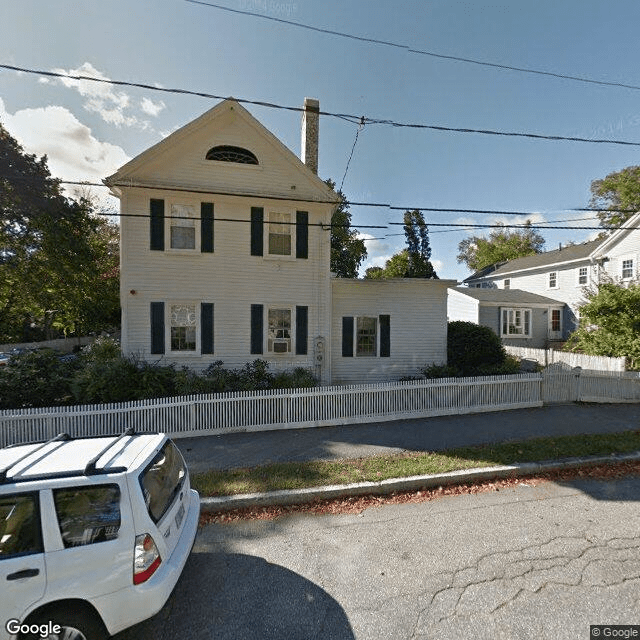
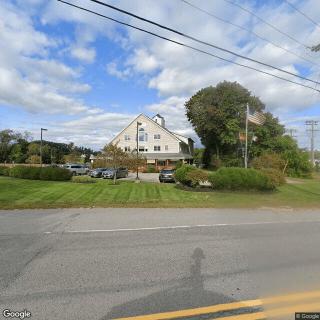
10 Summer Street, Dover, NH 03820
For more information about senior living options: (866) 208-4318
Wadleigh House Costs & Pricing
Wadleigh House offers competitive pricing for its accommodations, particularly when compared to the broader market in Strafford County and across New Hampshire. For both private and semi-private rooms, Wadleigh House charges $4,000 per month, which is notably lower than the county average of $5,150 for private rooms and $4,651 for semi-private options. Additionally, its one-bedroom unit is priced at $5,000 - slightly above the county's average of $4,374 but still within a reasonable range considering the quality of services provided. Overall, Wadleigh House presents an attractive choice for individuals seeking affordable yet comfortable living arrangements in this region.
| Floor plans | Wadleigh House | Strafford County | New Hampshire |
|---|---|---|---|
| Private | $4,000 | $5,150 | $5,170 |
| Semi-Private | $4,000 | $4,651 | $4,881 |
| 1 Bedroom | $5,000 | $4,374 | $4,444 |
Memory care communities with a similar price nearby
-
from -$555 / mo
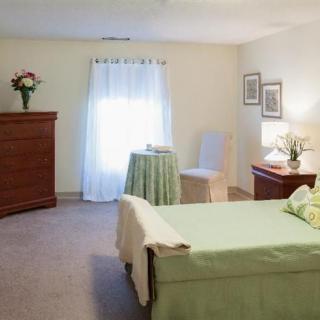
Langdon Place Of Exeter
$3,445 to $5,677 / month14.9 miles away -
from -$500 / mo
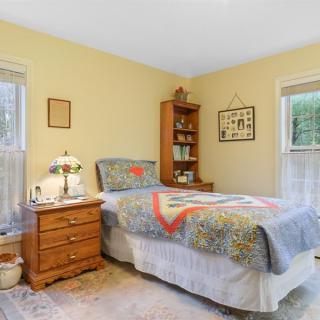
Pines Of Newmarket
$3,500 to $5,000 / month9.0 miles away -
from +$220 / mo
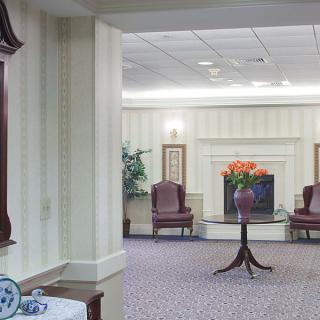
Partridge House
$4,220 to $5,538 / month16.7 miles away -
from +$670 / mo
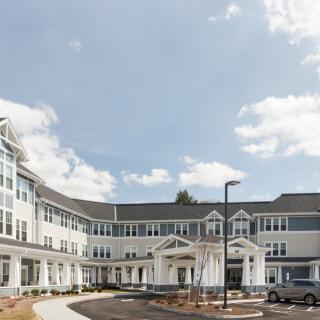
The Residence At Silver Square
$4,670 to $8,135 / month0.6 miles away -
from +$200 / mo
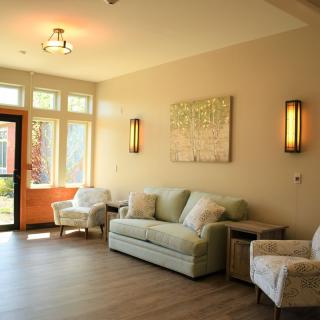
Harmony Homes By the Bay
$4,200 to $5,000 / month4.0 miles away
Overall Review of Wadleigh House
Pros
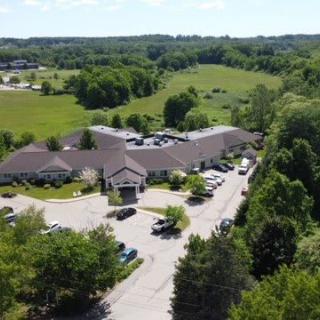
 Wadleigh House is a small facility with a good location.
- The staff are very knowledgeable.
- The facility is very clean and well kept.
- It offers music, exercise classes, and multilingual games.
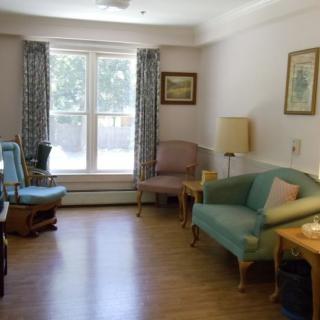
- It is a very nice community with a warm, homey atmosphere.
- The staff are friendly and professional.
Cons
 One complaint is that the facility could do better on activities, as residents are often seen sitting in front of the TV sleeping.
Review
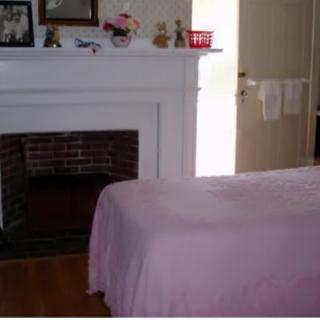
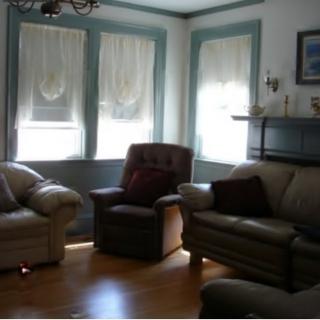
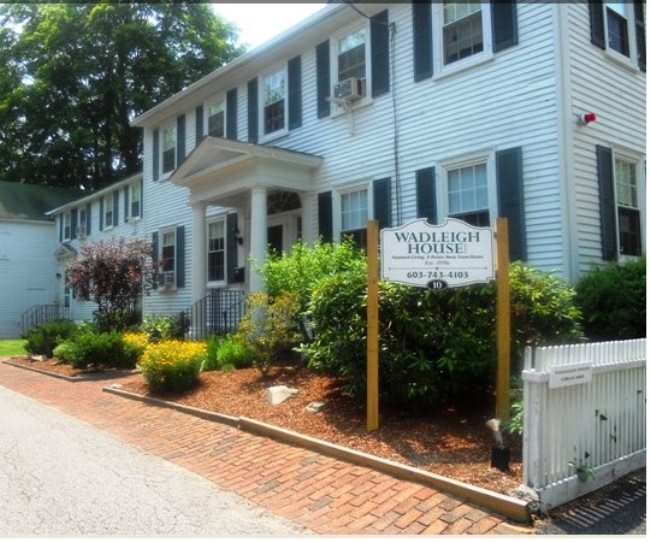
Wadleigh House in Dover is best suited for seniors who want a small, home-like assisted living environment where residents quickly form connections and staff deliver attentive, personal care. The community’s compact size makes navigation simple and relationships feel intimate rather than institutional. Its location is practical for families, close to shopping, services, and medical appointments, so regular visits and spontaneous support are easy. This setting works especially well for residents who arrive with a ready-made social circle or who prefer to build one quickly through nearby neighbors and staff who know each resident by name.
Those considering alternatives should note who may not be as well served here. If a loved one requires a high-energy activity calendar, many off-site outings, or specialized memory-care programming, a larger campus with broader programming may be a better fit. Families needing intensive rehabilitation services, highly structured daily schedules, or extensive, ongoing medical oversight often find more options in bigger communities. Also, couples where one partner needs significantly more care than the other may encounter mismatched levels of service in a smaller house-like setting.
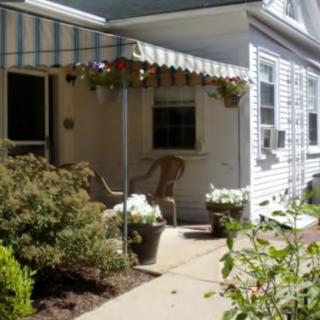
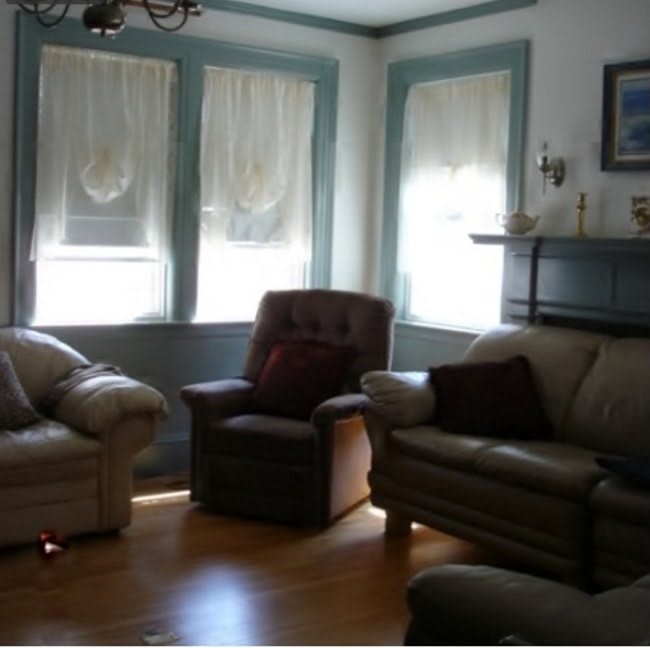
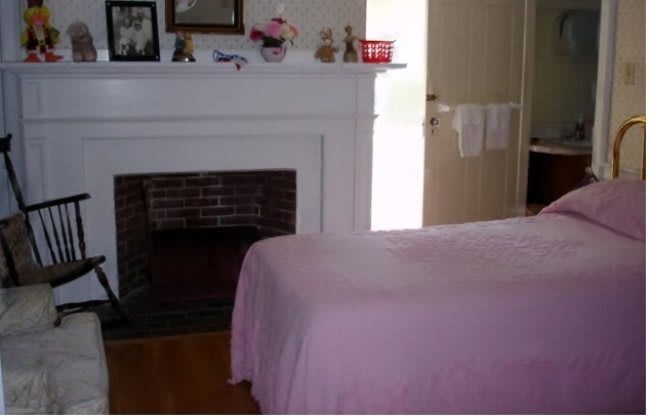
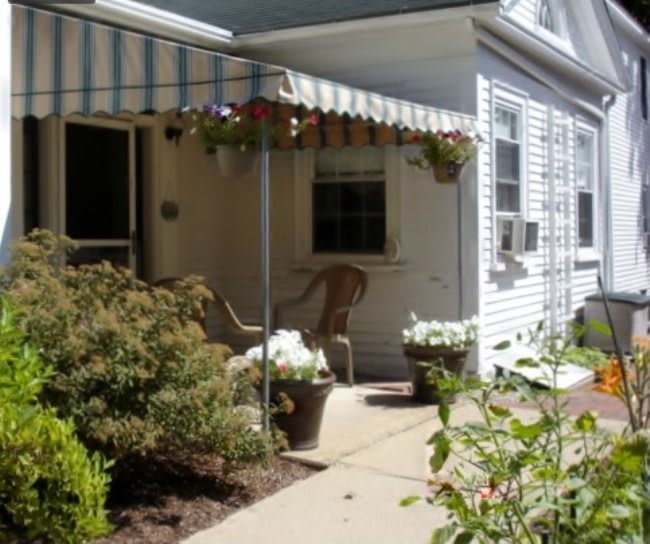
On the plus side, the strongest pros at Wadleigh House are palpable and meaningful. The small, homelike atmosphere translates into a warm, welcoming daily rhythm where staff appear approachable and residents are known well. Cleanliness and maintenance stand out, common areas and private rooms feel well-kept, contributing to a sense of safety and pride in the living environment. The staff are described as friendly and professional, with residents noting that team members are knowledgeable and able to respond to individual needs. Activities exist as part of the program, music, exercise classes, and social games, even when attendance varies, and there is evidence of intentional efforts to engage residents in multiple languages and group activities.
That said, the main con voiced by reviewers centers on activity depth and engagement. The perception at times is that programming can drift toward passive moments, people sitting in front of the TV rather than participating in meaningful, structured activities. This concern does not negate the presence of music, movement, and multi-language games, but it does hint at variability in day-to-day engagement. A counterbalance comes from the staff’s evident accessibility and the homey environment that supports informal social interaction. When programs are staffed and planned with resident input, the small scale becomes a strength rather than a weakness, allowing for more personalized attempts to stimulate interest and social connection.
Weighing the pros and cons, Wadleigh House serves as a practical option for families prioritizing security, comfort, and a tight-knit community within a Dover address. It is a natural choice for residents who want a low-stress transition with reliable housekeeping, friendly care partners, and a daily vibe that feels like a well-run home. However, for families pursuing consistent, high-energy programming and expansive activity menus, it makes sense to compare calendars, ask for a sample week, and observe during peak activity times to ensure expectations align with reality. The best-fit decision rests on whether the priority is intimate atmosphere and dependable staff or a demanding, program-rich schedule.
The practical next steps are straightforward. Schedule a visit during a regular activity day to gauge how residents engage, note how staff interact with individuals, and verify the current activity calendar and any plans to expand offerings. Sample the dining experience and ask for a recent menu to assess consistency and nutritional variety. Meet with the director to discuss care planning, resident-to-staff ratios, and how emergencies or memory-care needs would be handled should conditions evolve. If possible, speak with current residents and family members about daily life, pacing, and how well needs are anticipated and met. For the right family, Wadleigh House offers a dependable, comfortable home base with potential for stronger social engagement as programming evolves.
 16 resident community capacity
 Studio apartments
 Assisted Living
 Board and Care Home
 Memory Care
 Activities off-site
 Beautician on-site
 Cable or satellite TV
 Dining room
 Financial aid
 Fully furnished
 Garden
 Guest parking
 Housekeeping services
 Indoor common areas
 Laundry
 Move-in coordination
 Outdoor common areas
 Party space
 Private
 Private bathrooms
 Respite or short term stays offered
 Telephone
 Wheelchair accessible showers
 Wi-Fi/high-speed internet available
 Transportation & parking
 24-hour supervision
 Ambulatory care
 Assistance with bathing
 Assistance with dressing
 Assistance with transfers
 Companion care
 Diabetes diet
 Hospice care
 Incontinence care
 Meal preparation and service
 Medication management
 Special dietary restrictions
 Transportation arrangement (medical)
 Arts and crafts
 Book club
 Educational speakers / life long learning
 Games
Games Live musical performances
 Religious services
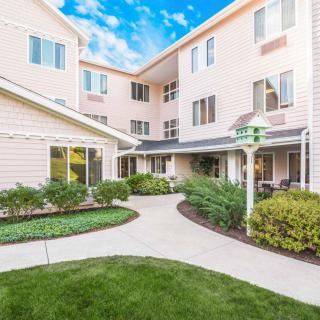
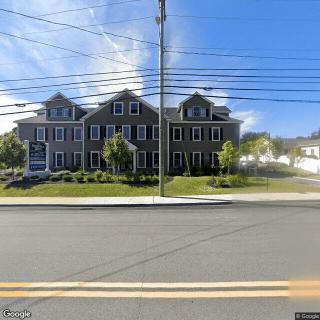

 Understanding Dementia Behaviors: Practical Insights and Strategies for Caregivers
 When Dementia Sparks Anger and Aggression: Understanding the Connection and Ways to Cope
 Dementia Behaviors: In-Depth Understanding and Effective Coping Strategies