

141 Mountain Rd., Center Tuftonboro, NH 03816
To contact a resident: (603) 539-1080
For more information about senior living options: (866) 208-4318
Wcc Applegate Gardens Home Costs & Pricing
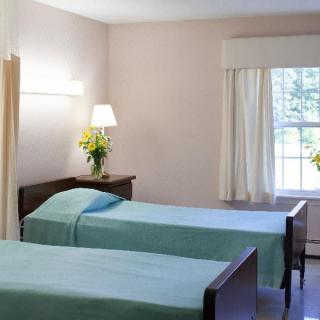
At Wcc Applegate Gardens Home, the cost for a semi-private room is set at $6,500 per month, which notably exceeds both the average rates in Carroll County and throughout New Hampshire. In comparison, Carroll County's average monthly cost stands at $4,458, while the state level reflects a slightly higher average of $4,881. This significant difference suggests that Wcc Applegate Gardens Home may offer unique amenities or specialized care that justify its premium pricing. Prospective residents and their families should consider these costs in relation to the quality of life and services provided when evaluating this option against other facilities in the region.
| Floor plans | Wcc Applegate Gardens Home | Carroll County | New Hampshire |
|---|---|---|---|
| Semi-Private | $6,500 | $4,458 | $4,881 |
Senior living communities with a similar price nearby
-
from +$325 / mo
Mineral Springs
$6,825 / month22.5 miles away -
from -$644 / mo

Huggins Hospital
$5,856 to $7,612 / month8.0 miles away
Overall Review of Wcc Applegate Gardens Home
Pros
 Applegate has been a godsend.
- The staff are extremely friendly and attentive.
- Their passion for caregiving is evident.
- They provide excellent care and spend quality time with each resident, ensuring each feels loved.
- The facility is very clean and feels like a home.
- Visiting the facility feels like being in a home rather than in a hospital.
Cons
 Her quality of life in the nursing home was extremely underwhelming.
- The search for care options for her proved difficult.
Review
Applegate Gardens Home in Center Tuftonboro, NH is best suited for families seeking a small, residential, home-like assisted living option that delivers warm, hands-on attention for seniors who have substantial daily needs, such as stroke survivors, yet do not require hospitalization or a large facility’s level of medical infrastructure. The community shines when care is framed around personal connection: staff members who are described as extremely friendly, attentive, and clearly passionate about their work, combined with a living environment that feels more like a home than a health facility. For families prioritizing daily companionship, individualized care plans, and a setting where visits feel like stepping into a relative’s home, this is a compelling choice.
That said, some families may want to consider alternatives. If a resident’s needs tilt toward intensive skilled nursing, 24/7 clinical monitoring, or specialized memory-care programming, a larger or more medically oriented community may be a better fit. Likewise, for households that require a broader range of high-volume therapies, robust medical equipment on-site, or a more structured, hospital-like environment, the smaller scale of Applegate Gardens could feel limiting. Prospective residents should weigh whether the strongest appeal, personalized, affectionate care in a homey setting, aligns with the anticipated trajectory of care requirements.
The core strengths of Applegate Gardens are clear and powerful. The reviews repeatedly highlight staff who are not only capable but genuinely devoted to residents’ well-being, spending meaningful time with each person and ensuring every resident feels loved. Cleanliness and a home-like atmosphere reinforce a sense of dignity and normalcy, making daily routines feel less clinical and more affirming. This combination translates into lower stress for families and a higher quality of life for residents, particularly for someone recovering from a stroke who benefits from consistent, patient-facing support rather than institutional rigidity. In practical terms, these factors often reduce agitation and confusion, support adherence to daily schedules, and promote meaningful social connection.
Where the positives most tangibly offset potential drawbacks is in the lived experience of daily life. The warmth of interactions, the feeling of “being at home,” and the ability to visit without hospital-type formality can be decisive for families weighing long-term happiness and emotional well-being. In settings where clinical acuity is necessary, or where a resident’s trajectory may require frequent skilled interventions, this home-style model may expose a gap. The absence of explicit information about on-site nursing depth, rehab intensity, or memory-care specifics means inquiries are essential. Nonetheless, for what this community aims to deliver, steadfast companionship, respectful care, and a dignified, genteel daily rhythm, the advertised strengths largely compensate for the absence of a more clinical footprint.
To determine fit, prospective residents should approach a visit with clear questions and objectives. Verify the level of medical staffing and capabilities on-site, especially for post-stroke care; ask how rehabilitation services (physical, occupational, speech therapy) are organized, scheduled, and billed; request a detailed outline of daily routines, meals, and activity options; and probe memory-care provisions if memory challenges are a factor. Cost transparency matters too: clarify what is included in monthly fees, what might incur add-ons, and how respite stays are handled. Observing caregiver interactions during tours, how staff communicate with residents, how they respond to needs, and how volunteers or family visits are accommodated, will reveal more than brochure language ever can.
Ultimately, this community excels for seniors who want a nurturing, intimate setting where care feels personal and purposeful, and where staff turnover is low enough to foster genuine relationships. It is particularly well-suited for stroke survivors transitioning from hospital or inpatient rehab who crave daily companionship, gentle assistance with activities of daily living, and a living environment that respects autonomy within a warm, familial framework. Families should consider alternatives if a resident’s needs trend toward intensive nursing supervision, specialized memory-care programming, or a demand for a broader array of clinical services. When aligned with these preferences, Applegate Gardens Home stands out as a thoughtful, high-quality option that turns compassionate care into a daily, lived experience.
 Board and Care Home
 Activities on-site
 Devotional services off-site
 Indoor common areas
 Private bathrooms
 Diabetic care
 Incontinence care
 Meals provided

 Understanding the Full Cost of 24/7 In-Home Care: A Detailed Overview
 Exploring the World of Home Health Nurses: Qualifications, Roles, and Hiring Tips
 Navigating Medicare Coverage for In-Home Care Services