
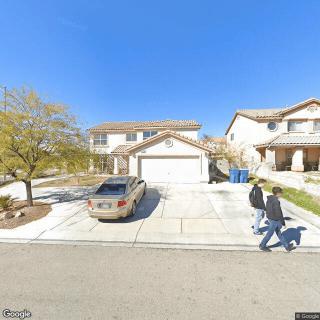
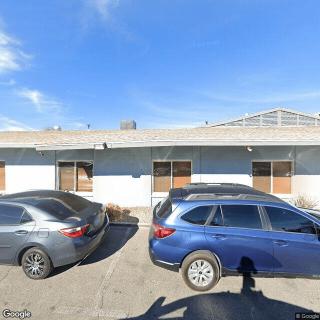
6880 Hathaway Drive, Las Vegas, NV 89156
For more information about senior living options: (866) 208-4318
Overall Review of Saint Jude Home Care
Pros
 The staff provided the utmost care for him, assisting with meals daily and regularly repositioning him to prevent bedsores.
- He was kept clean, and his happiness was evident as he smiled when his favorite staff members entered his room.
- The residents appeared happy during visits, with activities like bingo and a 4th of July celebration on the patio.
- St Jude surpassed expectations.
- The center is described as an excellent place for the care and attention of older adults.
Cons
 Patients are rarely taken out of bed, with at least one patient having developed a bed sore in the last month.
- The only full-time nurse cannot lift these patients on her own, leaving heavier patients bed-bound for an extended period.
- The owner is described as belligerent when asked difficult questions about the care and treatment offered.
- The reviewer has observed him screaming at residents while on the phone with an elderly patient.
- He stated, "if they treat me bad, I treat them bad," which was shocking to the reviewer.
- Some residents are not receiving the full extent of their required medical care.
- He and his staff have made inappropriate, unprofessional digs at clients when they inquire about services.
- The reviewer would not recommend the facility.
- The owner is difficult to deal with, and there has been high staff turnover in the 14 months the reviewer’s relative has been there.
Review
Saint Jude Home Care in Las Vegas is best suited for seniors who want a warm, home-like setting where compassionate aides deliver hands-on daily support and personal attention. The care team is described as genuinely caring, with staff helping residents eat, repositioning to prevent bedsores, and maintaining a clean, cheerful environment that invites smiles from residents. Social life is visible and valued: bingo, holiday gatherings, and patio time create a sense of community that can be as important as basic supervision. A reviewer noted that the facility surpassed expectations after ownership change, suggesting a meaningful, relationship-driven approach to everyday care. For families prioritizing connection, dignity, and a homelike rhythm over clinical formality, Saint Jude often feels like the right fit.
That said, clear cautions exist and should push families to consider alternatives if the senior’s needs tilt toward higher levels of medical oversight. A recurring concern is medical fragility: residents who are not routinely taken out of bed and who may develop or still have bedsores point to limitations in nursing capacity and movement-focused care. The single full-time nurse cannot lift heavier residents, which can leave some patients effectively bedbound for extended periods. For seniors with mobility challenges or requiring frequent repositioning and hands-on nursing interventions, other communities with stronger clinical staffing and robust wound-care protocols may prove safer and more reliable.
The positive caregiving experience remains meaningful and has real weight in decision-making. The pros, attentive eating assistance, consistent cleanliness, and visible joy among residents, help offset some daily-care gaps by delivering steadiness, routine, and human warmth. Family members who value consistent, person-centered interaction will find comfort in the way staff engage residents and in the shared moments of celebration and companionship that surface during visits. In short, the human elements of care at Saint Jude can significantly enrich daily life and emotional well-being for residents who do not require intensive medical interventions.
Yet the footprint of management and staffing variability cannot be ignored. Reports describe a difficult owner who becomes belligerent when pressed for information, along with concerns about how care questions are handled. There are accounts of inappropriate, unprofessional remarks toward clients and a sense that some residents do not receive their full medical needs due to systemic gaps. A few reviews praise the center’s care in a broad sense, but the spectrum of experience, from excellent to troubling, signals that leadership stability and communication quality are critical determinants of overall safety and satisfaction. For families, this translates into a need for up-close assessment and clear, written care plans before any long-term commitment is made.
When evaluating Saint Jude, practical diligence is nonnegotiable. Prospective families should request a transportable, written care plan that details feeding routines, wound-prevention protocols, and daily staffing coverage, including who supervises and when. Observe a mealtime and a typical care routine; ask to speak with frontline caregivers, and request recent wound-care or repositioning outcomes. Confirm licensing, inspection histories, and any formal complaints, and compare these findings against alternatives with stronger nursing presence or larger teams. If memory support or higher-acuity care becomes necessary, immediate access to a facility with integrated clinical oversight will matter more than the warmth of a one-to-one staff dynamic.
In the end, Saint Jude Home Care offers a compelling option for families prioritizing a homey environment, meaningful resident interactions, and daily life that centers on companionship and gentle, hands-on assistance. It is not a one-size-fits-all solution: residents who require robust medical management, reliable nurse-led therapy, and consistent, low-stress handling of heavier or more fragile conditions should look elsewhere. The decision hinges on alignment between the resident’s level of need and the facility’s capacity to deliver secure, medically attentive care without sacrificing the human, everyday warmth that many residents and families value most. A thoughtful visit, supported by candid conversations and a clear care plan, will reveal whether Saint Jude is the right home or if a more clinically resourced option better serves the long-term well-being and safety of the senior in question.
 6 resident community capacity
 Assisted Living
 Cable or satellite TV
 Dining room
 Fully furnished
 Garden
 Housekeeping services
 Move-in coordination
 Outdoor space
 Telephone
 Wi-Fi/high-speed internet available
 McCarran International (11 miles away)
 24-hour supervision
 Activities of daily living assistance
 Assistance with bathing
 Assistance with dressing
 Assistance with transfers
 Diabetes diet
 Meal preparation and service
 Medication management
 Special dietary restrictions
 Transportation arrangement (medical)
 Transportation to doctors appointments


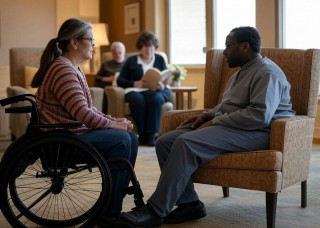 Comprehensive Residential Support and Assisted Living Solutions for Individuals with Disabilities
 Comprehensive Supportive Living Arrangements for Adults with Disabilities
 Funding and Affording Assisted Living: A Thorough Overview