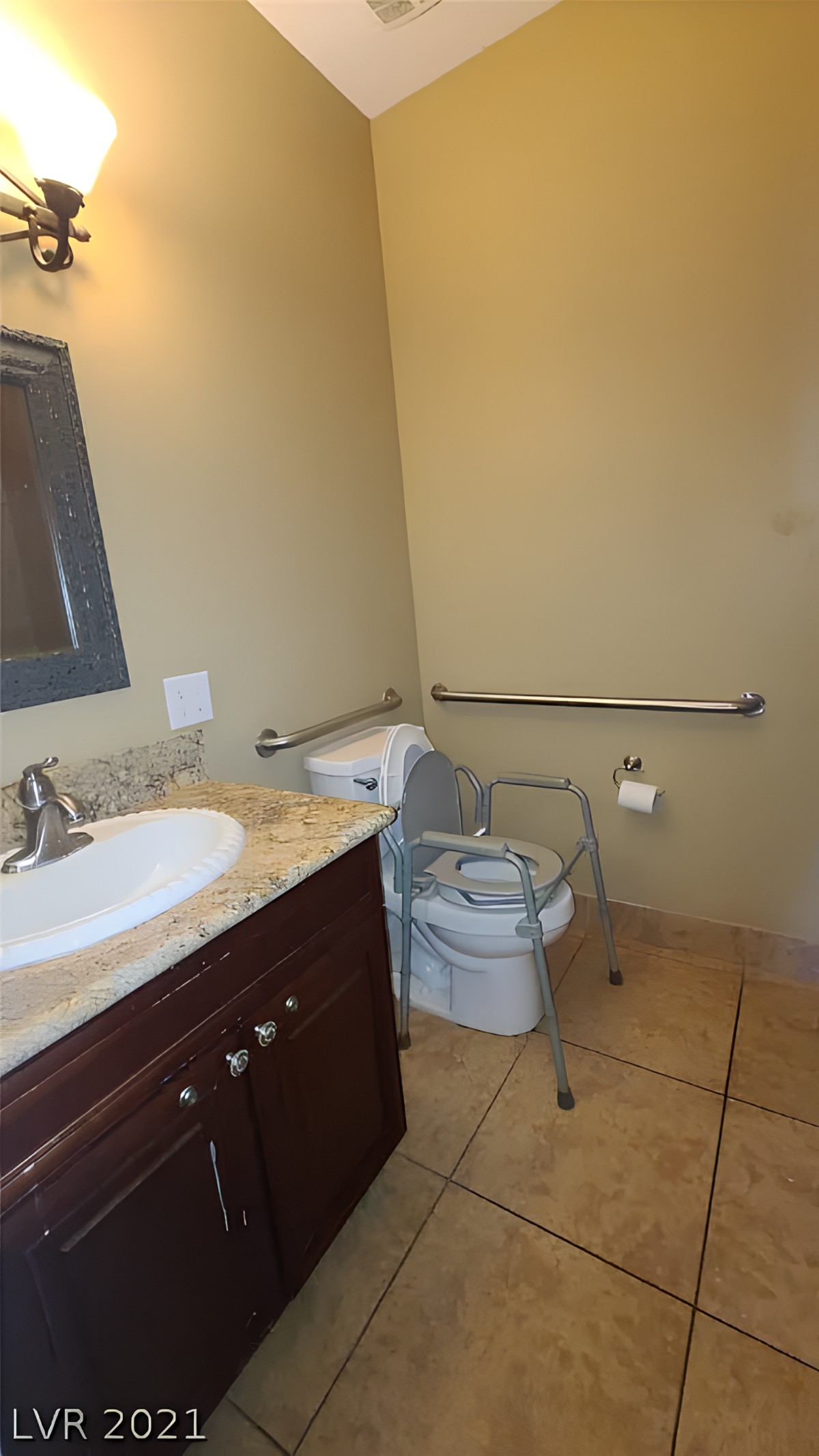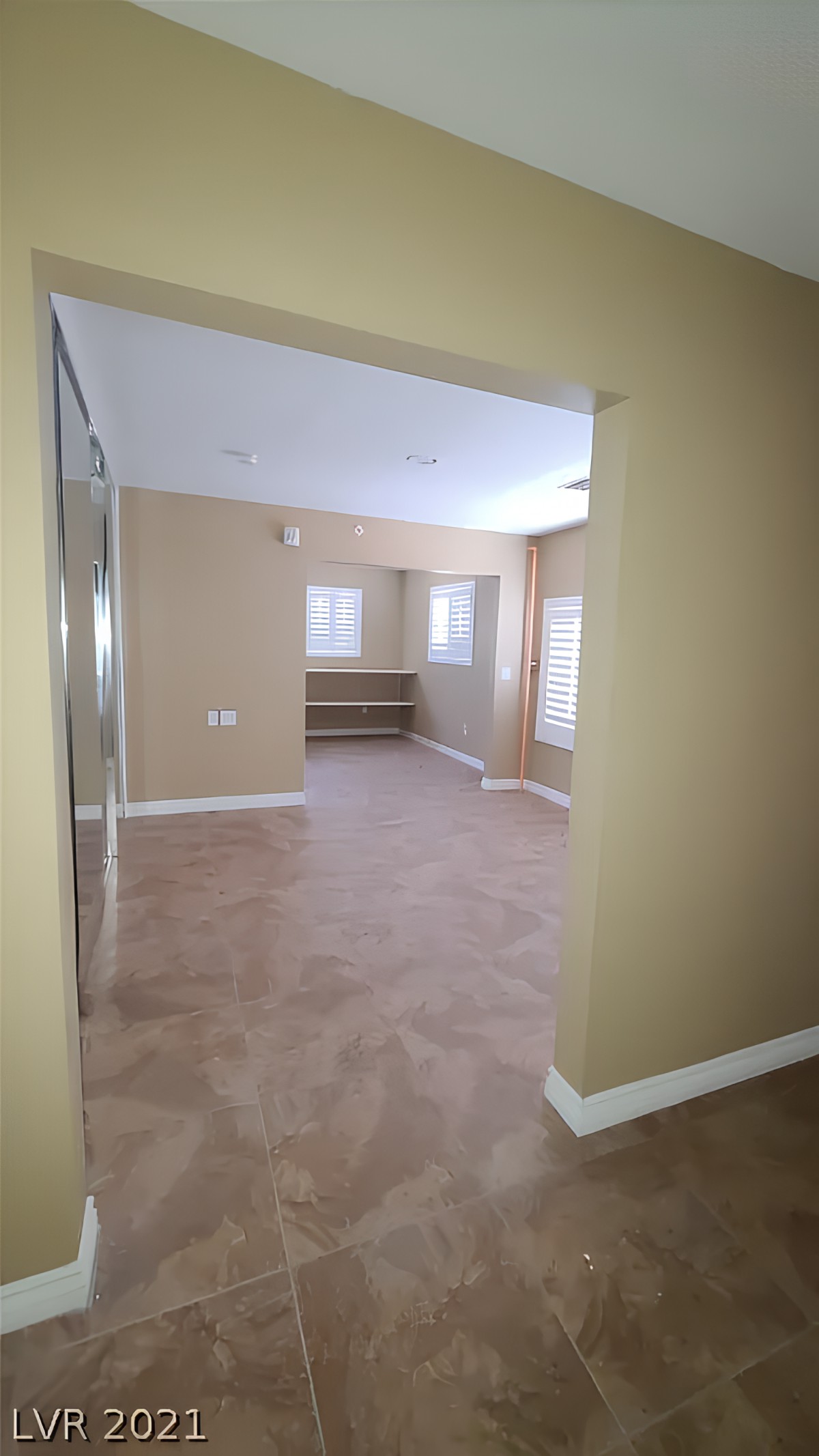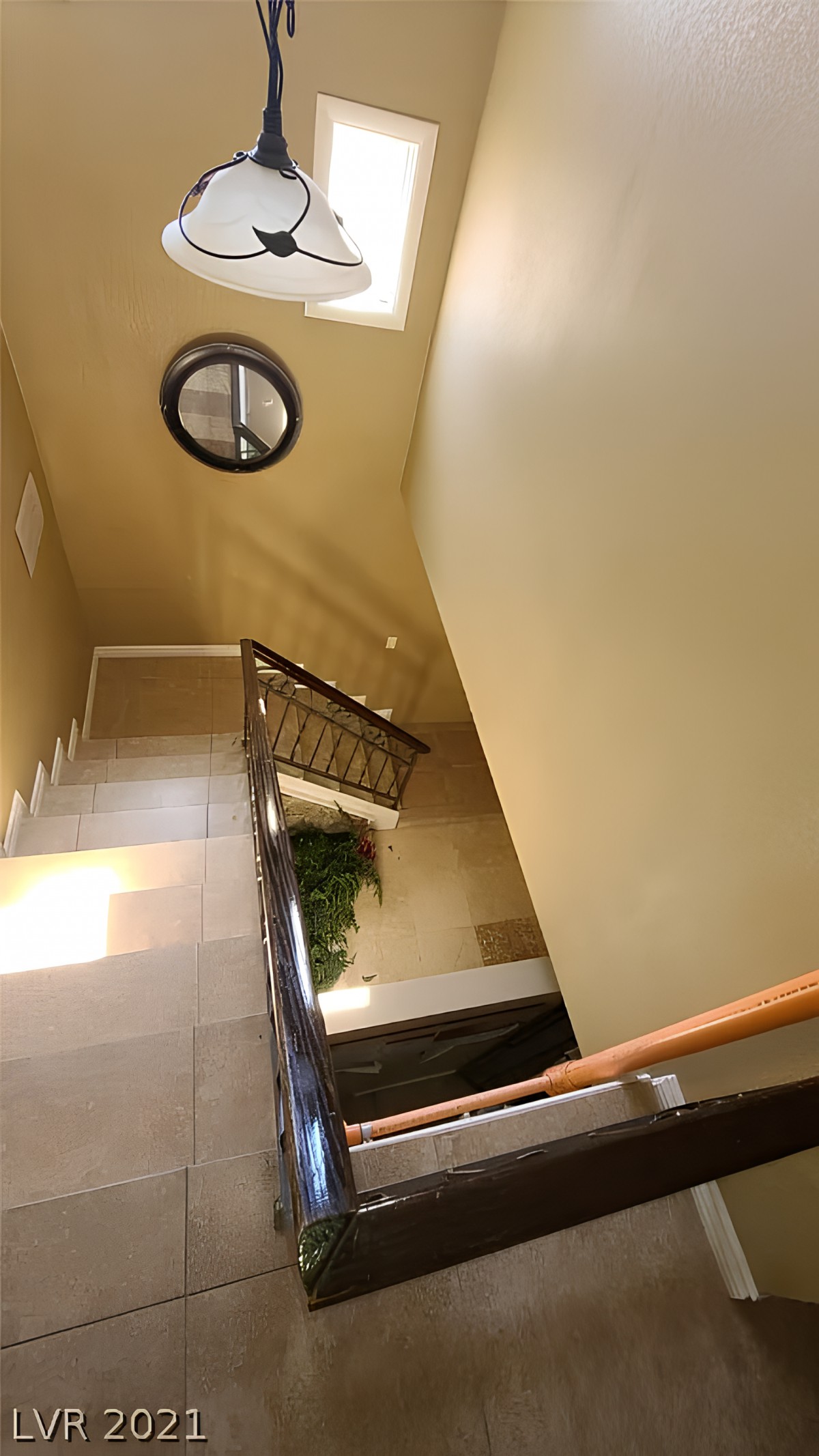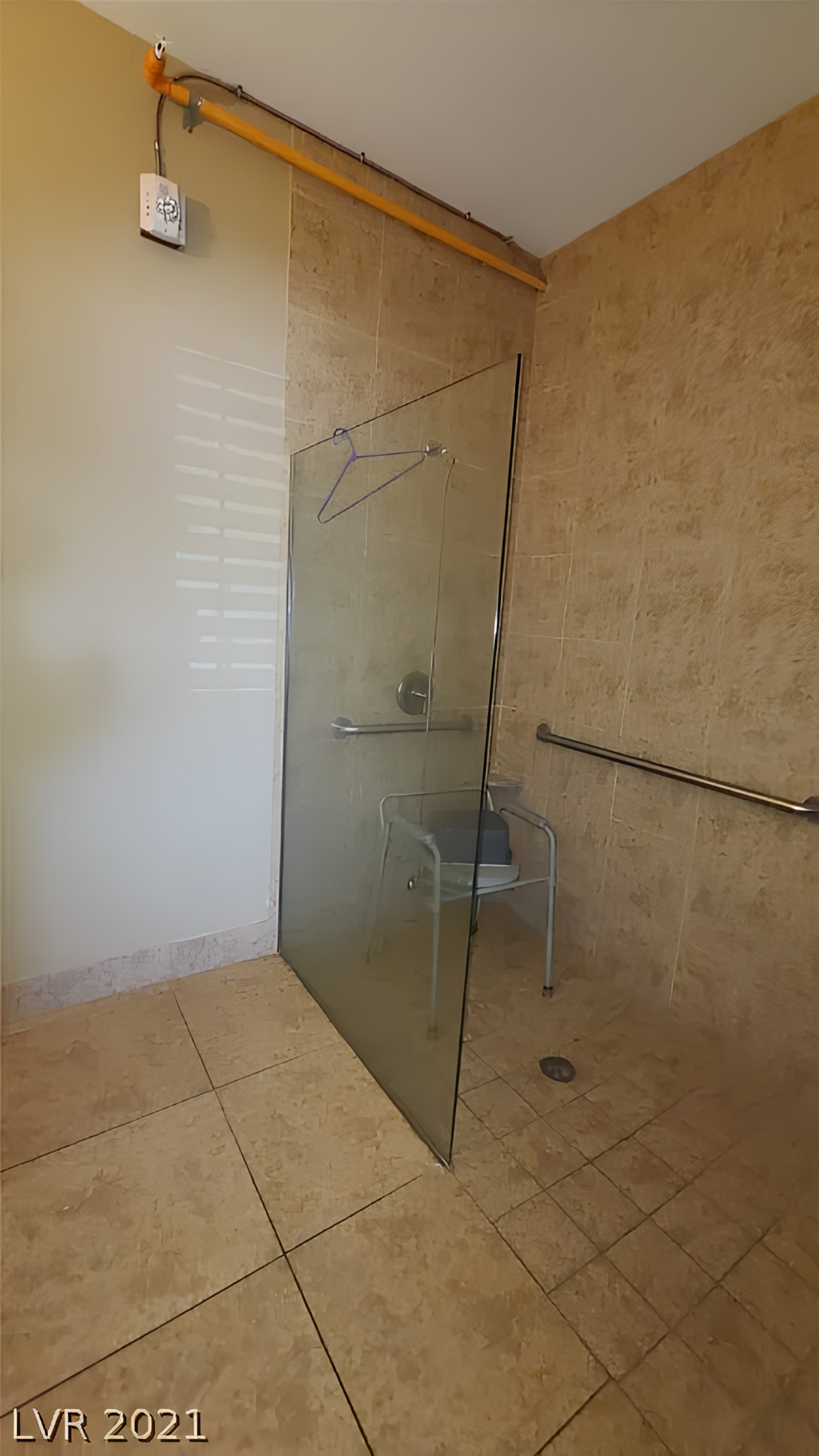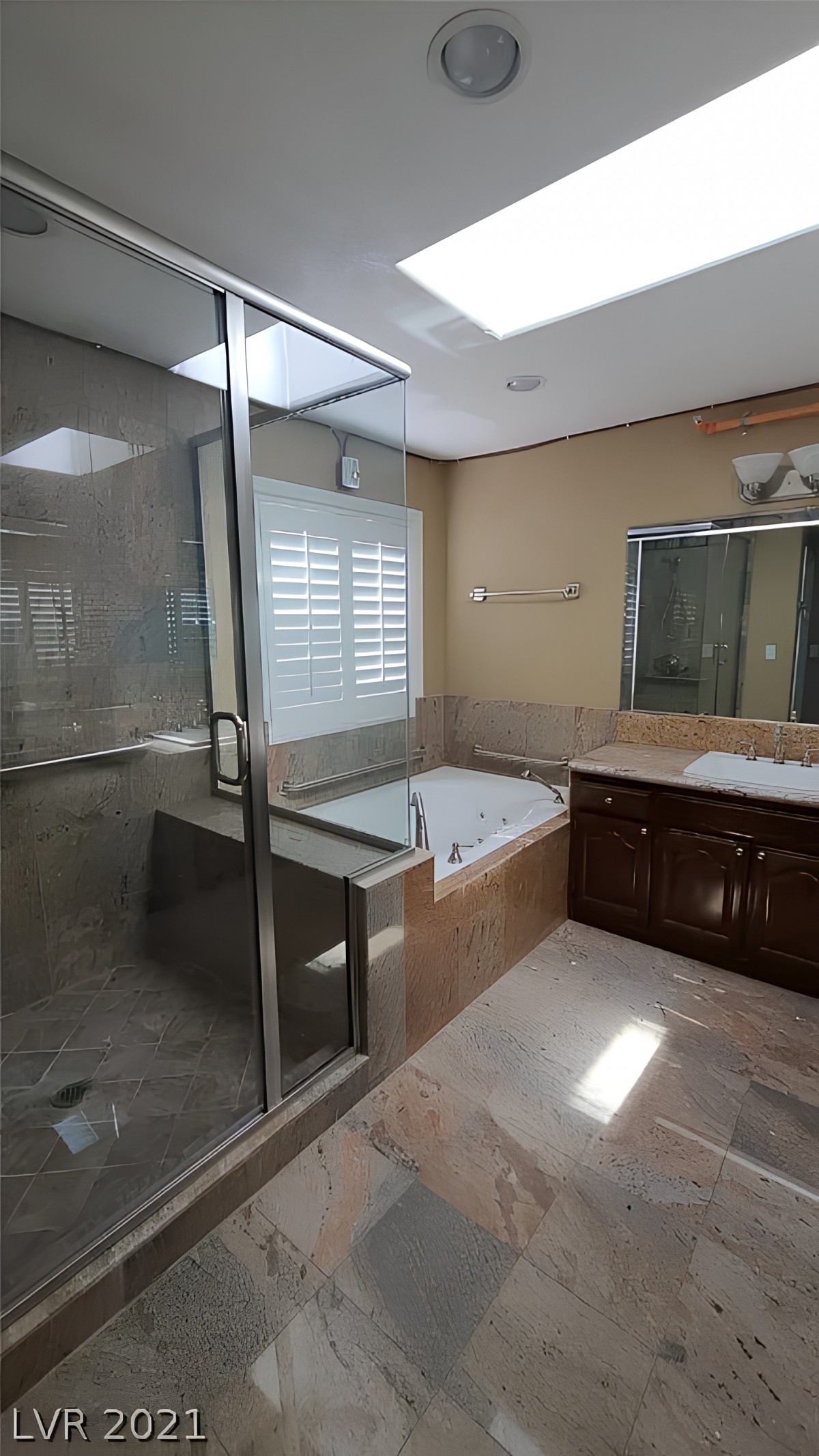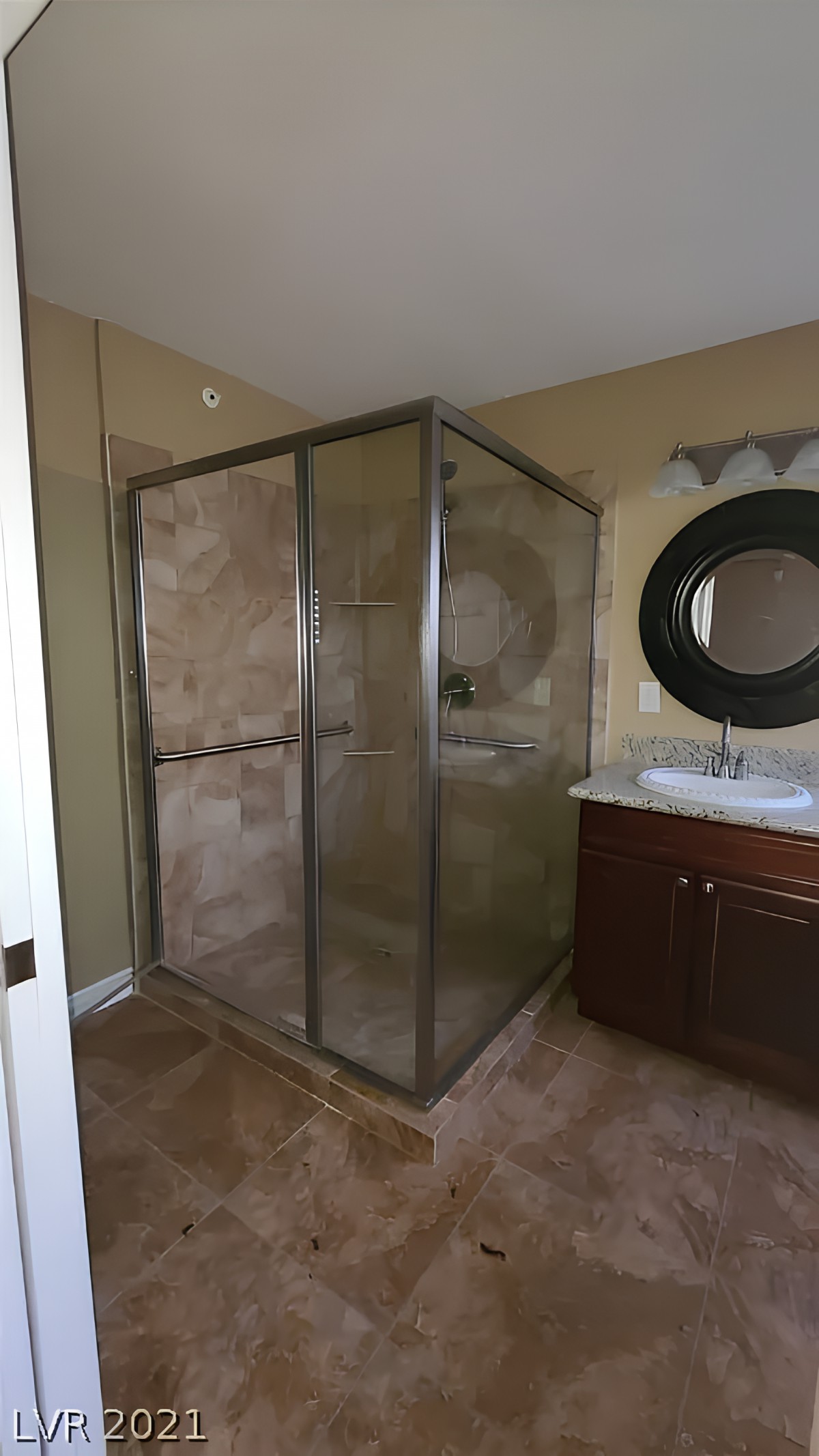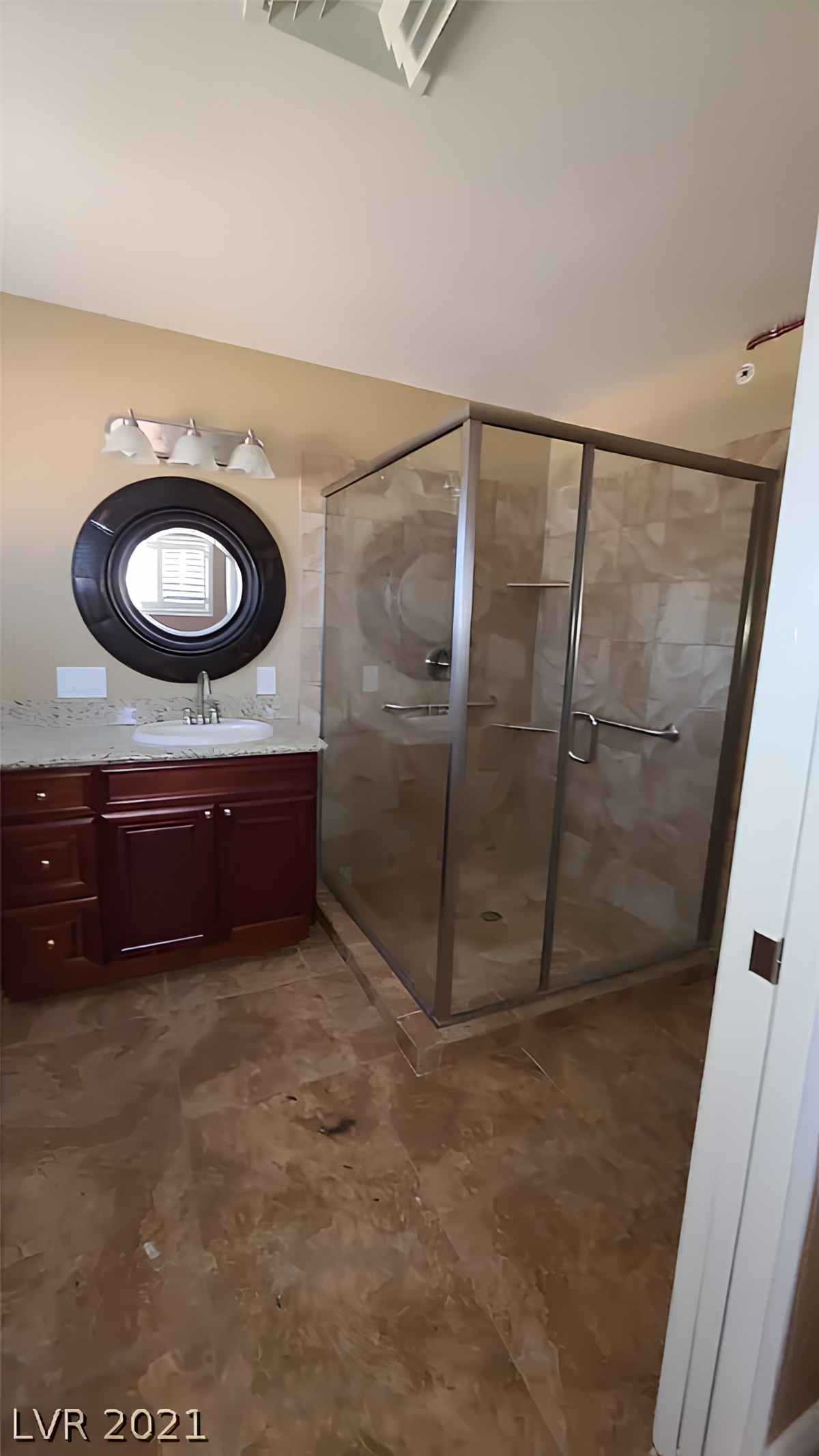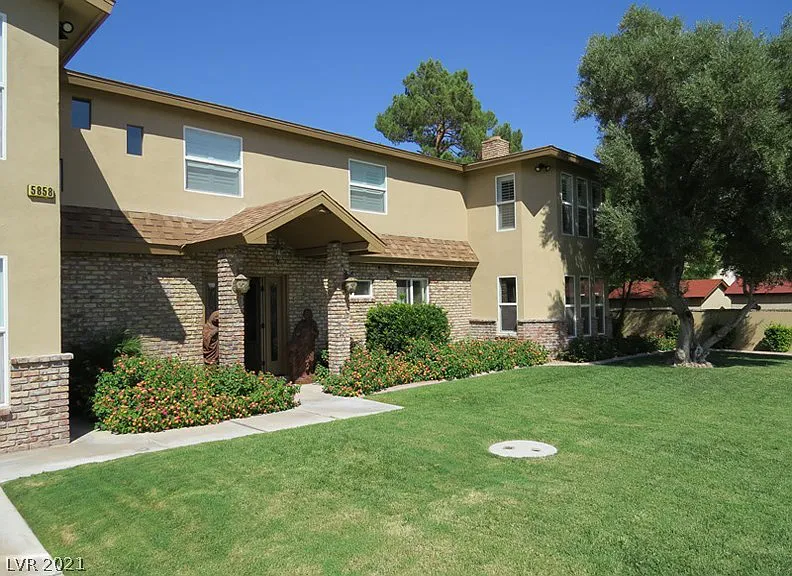
Livingston Home in Las Vegas, NV

Save

Livingston Home in Las Vegas, NV

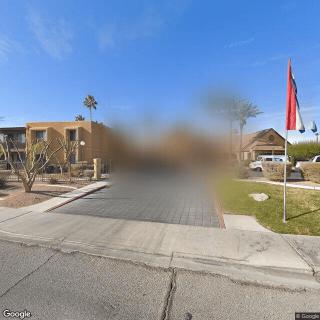
5858 Palmyra Avenue, Las Vegas, NV 89146

For more information about senior living options: (844) 490-3973

5 from 12 reviews
5 stars
12
4 stars
0
3 stars
0
2 stars
0
1 stars
0

Assisted Living

What level of care are you interested in?

Assisted Living

Memory Care

Independent Living

Skilled Nursing Facility

Continuing Care Retirement Community (CCRC)CCRC

Other


Request a tour at Livingston Home

    Overall Review of Livingston Home

    Pros

    • pro Pauline and Phillip are deeply engaged with an amazing staff and residents.
    • pro The staff are among the most patient and loving caregivers, forming heartfelt connections.
    • pro The owners are easily reachable by phone at all times for concerns big and small.
    • pro Caregivers welcome visitors warmly and make them feel at home with refreshments and conversation.
    • pro Families feel their loved ones are safe, well cared for, and comfortable in a warm, inviting home.
    • pro The group home delivers consistent, compassionate care, including for memory care residents.
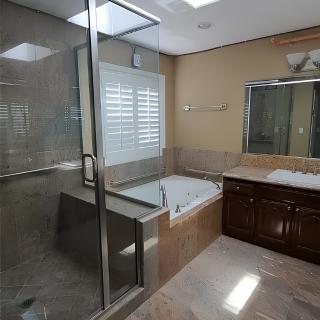
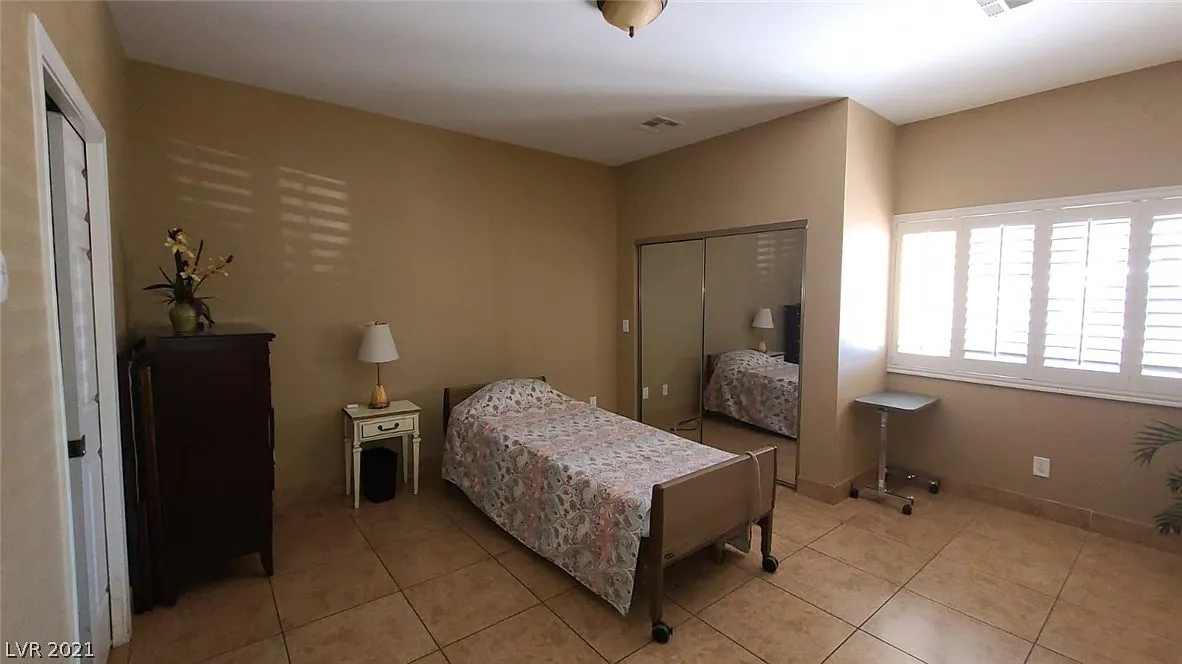
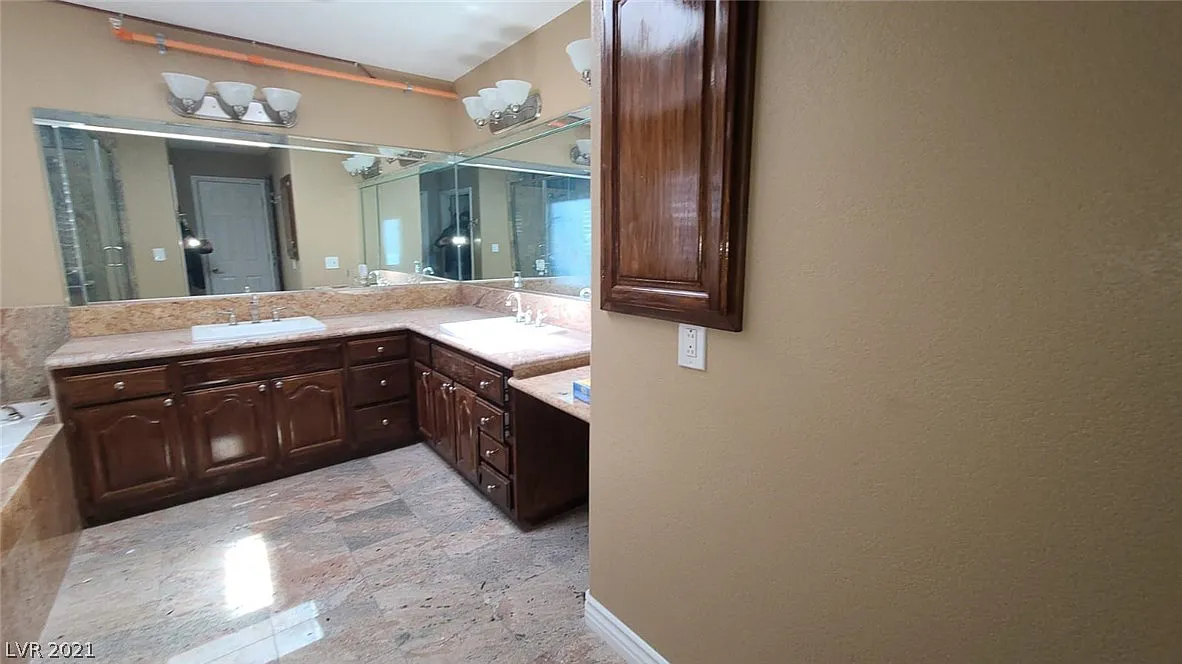
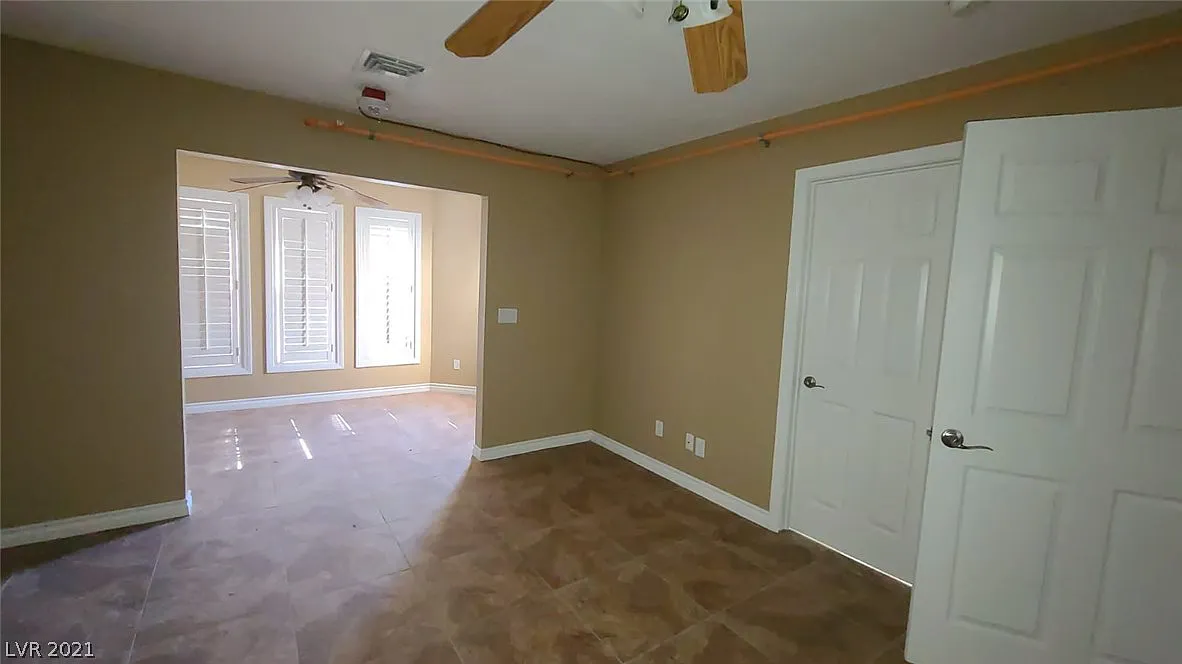
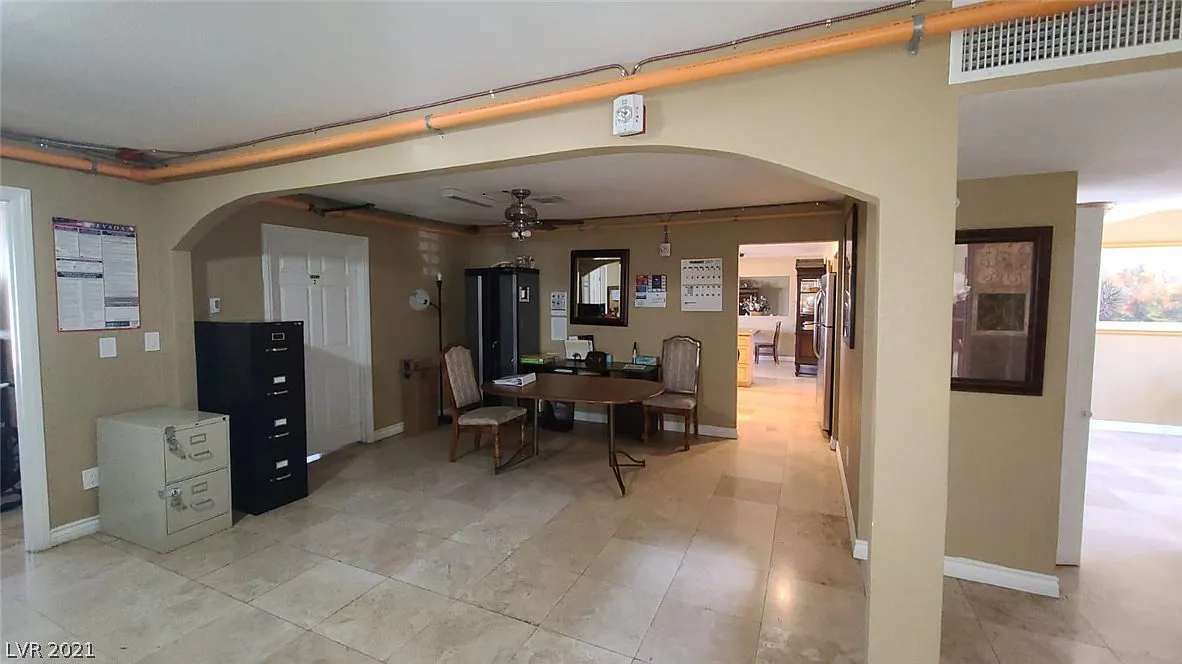
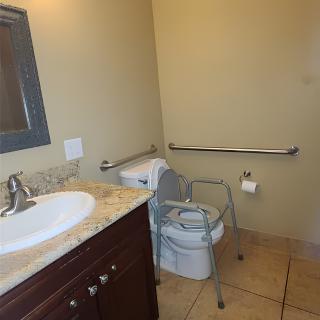
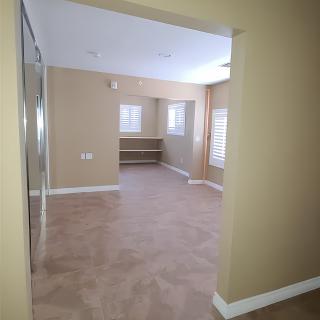
    • pro The home is pristine, spacious, and has a positive, cheerful atmosphere.
    • pro The staff are often described as angels, dedicated to making families feel valued and supported.

    Cons

    • pro The large facility was understaffed and overcrowded, leaving his safety jeopardized and his needs unmet.
    • pro Caring for residents during end-of-life transitions is described as messy, with staff having to manage emotional and frustrated family members' critiques and worries, as well as thankless and arduous work.
    • pro The dementia situation has been extremely challenging, to the point where the family could not safely care for her at home anymore.
    • pro End-of-life decision making is described as causing huge emotional distress.

    Review

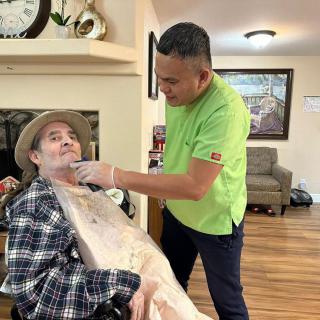
    Livingston Home is best suited for families that prize an intimate, home-like setting where dementia or end-of-life care is managed with steady, personalized attention. This community shines when the priority is close, continuous contact with caregivers who know residents well, a warm atmosphere, and frequent, honest communication with families. It is a clear fit for those who want a small-group environment where the residents are treated more like family members than patients, and where updates, photos, and day-to-day progress are readily shared to ease the emotional burden of caregiving from afar.

    Those weighing alternatives should consider that this approach may not be ideal for every situation. For families seeking hospital-level medical oversight, a vast campus with extensive on-site therapy programs, or highly specialized clinical services, a larger facility may be a better match. The reviews of similar small-group homes consistently highlight that while warmth and consistency rule the day, the scale and formal medical infrastructure found in larger settings can be missing. A prior experience with a larger, understaffed environment underscored the trade-off: safety and care quality can deteriorate when staffing is thin. If complex medical needs, frequent skilled nursing, or a broad spectrum of clinical services are non-negotiable, alternatives deserve careful comparison.

    On the balance sheet of positives, the strongest advantages are the most tangible: an intimate footprint that enables highly personalized attention, a stable, long-tenured caregiving staff, and owners who are engaged and reachable. Families repeatedly describe a care team that speaks with patience, treats residents with genuine warmth, and remembers idiosyncrasies that improve daily life. The consistency of caregivers matters deeply in memory care, where recognizing triggers, preferences, and routines reduces agitation and confusion. The ability to contact the leadership at any time and to receive thoughtful guidance during challenging moments shifts the experience from uncertain to secure, especially when decisions must be made with compassion and speed.

    Additional strengths center on the environment and culture: a clean, well-kept, welcoming home ambiance, ample outdoor space, and a cheerful, positive mood among residents and staff. The care setting feels like a "home away from home," not a clinical corridor, which enhances dignity and mood for people living with memory challenges. Regular updates and visible family involvement reinforce trust, making families feel included rather than peripheral. The combination of a respectful, patient staff and a community that feels safe and organized creates a reinforcing loop: as residents settle into routines, families gain confidence, and that confidence in turn supports better continuity of care.

    When evaluating options, prospective families should structure the visit around practical, decision-influencing questions. Inquire about staff-to-resident ratios during peak hours, as well as staff turnover and continuity across shifts. Probe how memory-specific programming is delivered day-to-day and what happens when a resident's needs escalate. Clarify how and when families will receive updates - whether through photos, calls, or ad hoc messages - and how quickly concerns are addressed by the owners or management. Confirm what end-of-life care looks like in practice, including the availability of comfort-focused services and the extent of on-site medical support. Finally, observe the environment: does the home feel orderly, safe, and navigable for someone with cognitive impairment, and do residents appear supported, engaged, and treated with respect?

    The bottom line is clear: for families prioritizing intimate, memory-care?focused living with highly engaged caregivers and transparent family communication, a small, family-run home model offers compelling advantages that can offset the absence of a large clinical footprint. Livingston Home, in this context, represents a highly practical, no-nonsense choice for those who want dignity-driven care wrapped in a warm, consistent daily experience. If medical complexity, rapid access to wide-ranging clinical services, or institutional scale is non-negotiable, however, alternatives merit serious consideration. The decision should align with the resident's specific care needs and the family's capacity to participate in a closely knit caregiving team.

    Features

    Housing

    • 10 resident community capacity 10 resident community capacity

    Types of Care

    • Assisted Living Assisted LivingAssisted living facilities provide crucial support and care for seniors who may need help with daily tasks such as medication management, bathing, and meal preparation. These communities offer a safe and comfortable environment where seniors can maintain their independence while receiving the assistance they need to thrive in their golden years.

    Amenities

    • Cable or satellite TV Cable or satellite TVCable or satellite TV is important for seniors because it provides entertainment, news, and companionship, helping to combat loneliness and boredom. It also offers a wide range of programming options tailored to different interests and preferences.
    • Dining room Dining roomDining rooms are important for seniors as they provide a space for socialization, connection, and nutritious meals. They offer opportunities for residents to bond over shared meals, foster a sense of community, and promote healthy eating habits. Dining rooms also ensure that seniors have access to well-balanced meals tailored to their dietary needs and preferences.
    • Fully furnished Fully furnishedFully furnished senior living communities are important for seniors because they provide convenience, comfort, and a hassle-free moving experience. Seniors can easily settle into their new living space without the stress of having to buy and move furniture. This allows them to focus on enjoying their new home and community.
    • Garden GardenGardens are important for seniors as they provide a peaceful and therapeutic environment for relaxation, physical activity, and socialization. Being in nature has been shown to reduce stress, improve mood, and promote overall well-being. Gardens also offer opportunities for seniors to engage in gardening activities, which can improve mobility, flexibility, and cognitive function. Additionally, gardens create a sense of community and connection with others who share a passion for plants and outdoor spaces.
    • Housekeeping services Housekeeping servicesHousekeeping services are important for seniors because they help maintain a clean and safe living environment, promote independence, and reduce the risk of accidents or illnesses. Additionally, having assistance with household chores can alleviate physical strain and allow seniors to focus on other aspects of their well-being.
    • Move-in coordination Move-in coordinationMove-in coordination is important for seniors because it helps ease the transition into their new living environment. It ensures that all logistics, such as packing, organizing movers, and setting up utilities are taken care of, allowing seniors to focus on settling in and adjusting to their new home. Having a smooth move-in process can alleviate stress and anxiety, making the transition smoother and more enjoyable for seniors.
    • Outdoor space Outdoor spaceOutdoor spaces are important for seniors as they provide opportunities for physical activity, social interaction, exposure to natural light and fresh air, and a sense of connection to nature. Having access to outdoor spaces can improve overall well-being and quality of life for older adults living in senior communities.
    • Telephone TelephoneTelephones are important for seniors as they provide a lifeline for communication with loved ones, emergency services, and healthcare providers. They offer a sense of security and independence, enabling seniors to stay connected and access assistance when needed.
    • Wi-Fi/high-speed internet available Wi-Fi/high-speed internet availableWi-Fi/high-speed internet is important for seniors to stay connected with loved ones, access online resources, and participate in virtual activities to combat feelings of loneliness and isolation. It also allows them to easily manage healthcare needs, access entertainment, and engage in lifelong learning opportunities.

    Transportation

    • McCarran International (5 miles away) McCarran International (5 miles away)

    Care Services

    • 24-hour supervision 24-hour supervision24-hour supervision is important for seniors to ensure their safety, well-being, and access to immediate assistance in case of emergencies or health issues. This constant support provides peace of mind for both seniors and their loved ones, allowing them to age in place with dignity and security.
    • Activities of daily living assistance Activities of daily living assistanceActivities of daily living assistance are important for seniors because they provide essential support with tasks such as eating, bathing, dressing, and mobility. This assistance helps seniors maintain their independence, dignity, and overall quality of life as they age.
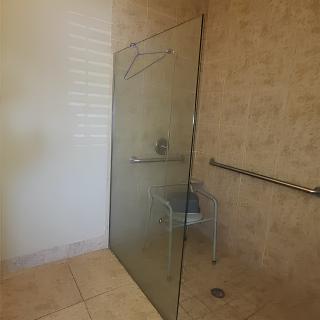
    • Assistance with bathing Assistance with bathingAssistance with bathing is crucial for seniors as it helps maintain personal hygiene, prevents infections, and ensures their overall well-being and comfort. It also provides a sense of dignity and independence for seniors who may struggle with this task on their own.
    • Assistance with dressing Assistance with dressingAssistance with dressing is important for seniors because it helps maintain their independence, promotes personal hygiene, prevents accidents and injuries, and improves overall quality of life. This service ensures that seniors can continue to dress comfortably and confidently, despite any physical limitations they may have.
    • Assistance with transfers Assistance with transfersAssistance with transfers is crucial for seniors as it helps prevent falls and injuries, maintains their independence, and ensures they can safely navigate their living environment. It also provides peace of mind for both seniors and their loved ones.
    • Coordination with health care providers Coordination with health care providersCoordination with health care providers is crucial for seniors to ensure proper medical care, medication management, and overall well-being. This collaboration helps prevent overlapping treatments, track progress more effectively, and provide comprehensive support tailored to individual needs.
    • Diabetes diet Diabetes dietA diabetes diet is crucial for seniors as it helps manage blood sugar levels, reduce risks of complications, and improve overall health and well-being. By following a balanced and nutritious diet tailored to their specific needs, seniors can better control their diabetes and enhance their quality of life.
    • Meal preparation and service Meal preparation and serviceMeal preparation and service are crucial for seniors as they may have limited mobility or energy to cook nutritious meals. Having access to healthy and convenient food options can ensure they are getting the proper nutrition needed to maintain their overall health and well-being.
    • Medication management Medication managementMedication management is crucial for seniors to ensure they are taking the right medications at the correct dosages and times. This helps prevent adverse drug interactions, reduces the risk of medication errors, and promotes overall health and well-being. Proactive management also allows for adjustments as needed based on changing health conditions or new prescriptions.
    • Special dietary restrictions Special dietary restrictionsSpecial dietary restrictions are important for seniors because age-related changes in metabolism and health conditions can make it difficult for their bodies to process certain foods. By following a diet tailored to their specific needs, seniors can maintain their overall health and well-being, manage chronic conditions, and reduce the risk of complications such as malnutrition or food interactions with medications.
    • Transportation arrangement (medical) Transportation arrangement (medical)Transportation arrangements for medical purposes are essential for seniors as they may have difficulty driving themselves to appointments or accessing public transportation. Having reliable and safe transportation options ensures that seniors can receive timely medical care and maintain their health and well-being.
    • Transportation to doctors appointments Transportation to doctors appointmentsTransportation to doctors' appointments is crucial for seniors as it ensures they have access to necessary medical care and support for their health needs. Without reliable transportation, seniors may struggle to attend important appointments, leading to potential delays in treatment and health complications. Providing transportation services helps seniors maintain their overall well-being and quality of life.

    Dining

    • Diabetes diet Diabetes dietA diabetes diet is crucial for seniors as it helps manage blood sugar levels, reduce risks of complications, and improve overall health and well-being. By following a balanced and nutritious diet tailored to their specific needs, seniors can better control their diabetes and enhance their quality of life.
    • Special dietary restrictions Special dietary restrictionsSpecial dietary restrictions are important for seniors because age-related changes in metabolism and health conditions can make it difficult for their bodies to process certain foods. By following a diet tailored to their specific needs, seniors can maintain their overall health and well-being, manage chronic conditions, and reduce the risk of complications such as malnutrition or food interactions with medications.

    Activities

    • Community-sponsored activities Community-sponsored activitiesCommunity-sponsored activities are important for seniors as they provide opportunities for social interaction, mental stimulation, and physical activity. These activities can help improve overall well-being, combat loneliness and isolation, and promote a sense of belonging and purpose among older adults.
    • Scheduled daily activities Scheduled daily activitiesScheduled daily activities are important for seniors because they provide structure, socialization, mental stimulation, and physical activity. Engaging in regular activities can improve overall well-being and quality of life for seniors living in a community setting.

    Description

    The Livingston Home in Las Vegas, NV is a premier assisted living community offering a range of amenities and care services to ensure the comfort and well-being of its residents. The community features a spacious dining room where residents can enjoy delicious meals prepared by the staff. Each living space is fully furnished, providing a cozy and inviting atmosphere for residents.

    The Livingston Home also boasts a beautiful garden and outdoor space where residents can relax, socialize, or engage in outdoor activities. Housekeeping services are provided to ensure that each resident's living environment remains clean and tidy.

    Residents at the Livingston Home receive assistance with daily activities such as bathing, dressing, and transfers. The dedicated staff also coordinates with health care providers to ensure that each resident receives the necessary medical attention. Specialized care for diabetes management and medication management is available, along with meal preparation and service for those with special dietary restrictions.

    Transportation arrangement for medical purposes and doctors' appointments is provided, allowing residents to attend their necessary medical appointments conveniently.

    In terms of nearby amenities, there are 6 cafes, 37 pharmacies, 5 physicians, 48 restaurants, and 3 transportation options located near the community. This ensures that residents have easy access to various services and establishments.

    Moreover, the Livingston Home offers scheduled daily activities to keep residents engaged and entertained. Whether it be group outings or in-house events, there are plenty of opportunities for socializing and maintaining an active lifestyle within the community.

    Overall, the Livingston Home provides a nurturing environment with comprehensive care services and amenities designed to enhance the quality of life for its residents in Las Vegas, NV.

    Nearby Places of Interest

    Pharmacies

    • Walgreens (0.5 miles)
    • CVS Pharmacy (1.6 miles)
    • The Apothecary Shoppe (1.8 miles)
    • Walgreens (1.9 miles)
    • Walmart Pharmacy (2 miles)
    • CVS Pharmacy (2 miles)
    • CVS Pharmacy (2 miles)

    Restaurants

    • The Phoenix Bar & Lounge (1.5 miles)
    • The Golden Tiki (1.7 miles)
    • Sonic Drive-In (1.8 miles)
    • Chick-Fil-A (2.1 miles)
    • Pantry (2.7 miles)
    • The Beatles LOVE (2.7 miles)
    • Cafe Americano (2.9 miles)

    Cafes

    • Dutch Bros Coffee (2.2 miles)
    • Starbucks (2.9 miles)
    • The LINQ Hotel & Casino (3 miles)
    • Starbucks (3.1 miles)
    • Primrose (3.2 miles)
    • Hello Kitty Cafe (3.3 miles)

    Physicians

    • Hope Cancer Care of Nevada (2.6 miles)
    • Southwest Medical Rancho Urgent Care (3.3 miles)
    • Longford Medical Building (3.7 miles)
    • Nevada Orthopedic & Spine Center (3.7 miles)
    • Sunrise Hospital and Medical Center (4.8 miles)

    Transportation

    • ARIA Express Bellagio Station (2.9 miles)
    • Las Vegas Monorail - Harrah's/Quad Station (3.1 miles)
    • Las Vegas Monorail - Sahara Station (3.8 miles)

    Frequently Asked Questions

    Where is Livingston Home?
    What photos are available for Livingston Home in Las Vegas, Nevada?

    Nearby Communities

    • Livingston Home II

      Livingston Home II

      Las Vegas, NV


      pro Fully furnished assisted living with meals, housekeeping, outdoor spaces, comprehensive care, transportation to appointments, and planned activities.

    • Rosarios Group Home

      Rosarios Group Home

      Las Vegas, NV

      5 from 2 reviews
       

      pro Intimate, small-community assisted living with 24/7 supervision, comprehensive ADL support, and diabetes-friendly dining.

    • All Valley Home Health Care

      All Valley Home Health Care

      Las Vegas, NV

      4.5 from 2 reviews
       

    • Trinibelle Elderly Care

      Trinibelle Elderly Care

      Las Vegas, NV

      3 from 2 reviews
       

      pro Luxurious, well-equipped assisted living with comprehensive care and engaging activities.

    • Aluxe Residence

      Aluxe Residence

      Las Vegas, NV

      5 from 2 reviews
      $5,725 / month

      pro Luxurious, fully furnished apartments with on-site dining and comprehensive daily living support.

    • European Home Care

      European Home Care

      Las Vegas, NV

      5 from 12 reviews
       

      pro Luxurious setting with comprehensive care, dining, activities, and medical transportation.

    • Heritage Park Apartments

      Heritage Park Apartments

      Las Vegas, NV

      4.1 from 18 reviews
      $640 to $2,988 / month

      pro Affordable pricing with a friendly, long-term community.

    • Destinations Spring Valley

      Destinations Spring Valley

      Las Vegas, NV

      4.2 from 76 reviews
      $1,239 to $1,687 / month

      pro Clean, well-run community with engaging on-site activities and friendly staff.

    • Torrey Pines Post Acute And Rehabilitation

      Torrey Pines Post Acute And Rehabilitation

      Las Vegas, NV

      2.8 from 41 reviews
       

      pro Compassionate staff with strong rehabilitation focus.

    Assisted Living in Nearby Cities

    Related Resources

    • does medicare pay for assisted livingMedicare Coverage for Assisted Living: An In-Depth Exploration

      Medicare does not cover assisted living costs, as it focuses on acute medical needs and short-term care, with exceptions for certain medically necessary services like physical therapy. Individuals must explore other options such as Medicaid, veterans' benefits, or long-term care insurance to manage these expenses effectively.

    • assisted living vs nursing homeChoosing the Right Senior Care: A Detailed Exploration of Assisted Living and Nursing Homes

      Choosing between assisted living and nursing homes involves evaluating emotional and financial factors, with assisted living offering independence and support for daily activities at a lower cost, while nursing homes provide intensive medical care for individuals with significant health needs. The decision is influenced by personal preferences, health status, cognitive function, and varying Medicaid coverage across states.

    • assisted living costUnderstanding the True Cost of Assisted Living in 2025: A Comprehensive Guide
      Assisted living in 2025 offers a crucial balance of independence and support for seniors, with costs varying from $2,500 to over $7,000 per month based on factors such as location and care level. Understanding pricing complexities, including regional differences and potential hidden fees, is essential for families to plan financially while ensuring quality care for their loved ones.


    Get Pricing Ask A Question Schedule A Tour Contact Senior Advisor