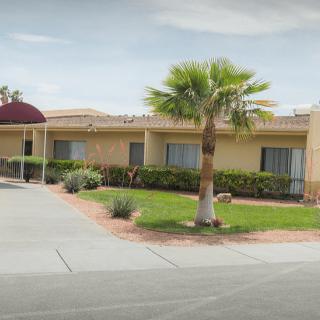
At Royal Villa Home Care

2970 South Torrey Pines Road, Las Vegas, NV 89146

For more information about senior living options: (844) 490-3973

2.6 from 35 reviews
5 stars
10
4 stars
3
3 stars
3
2 stars
0
1 stars
19

Assisted Living

Overall Review of At Royal Villa Home Care

Pros

  • pro Jacqueline Walker is described as a loving and caring professional wound doctor at Torrey Pines Rehabilitation Center.
  • pro CNAs are praised for their patience and for handling difficult situations with care.
  • pro Dr. Le visits daily and provides timely and appropriate medications.
  • pro Wound doctor Jacklyn did a great job on the patient's large wound.
  • pro Torrey Pines Rehabilitation Facility is regarded as the best of its kind; no other centers can compete.
  • pro Claire Miguel is praised as a compassionate caregiver whose warmth and dignity uplift the family and resident.
  • pro The reviewer would choose Torrey Pines again for rehabilitation in the future.

Cons

  • pro The facility is described as untrustworthy and hospice-like.
  • pro The staff are rude and disrespectful, including the receptionist.
  • pro The facility allegedly stole residents' belongings and damaged items.
  • pro The owner has not responded to concerns.
  • pro There were incidents where a resident went missing and ended up in the hospital, with staff unaware of his whereabouts.
  • pro The environment is described as unsafe and poorly maintained (leaking roof, overpowering air freshener).
  • pro A claim of racism by the new director of nursing, including wage discrimination against Black CNAs, is reported.
  • pro Some reviews describe the place as misfit territory where residents were "there to die" and suggest it should be shut down.

Review

Across a spectrum of experiences, the Las Vegas facility (Torrey Pines Rehabilitation Center and related references) has drawn a mix of sharp condemnations, earnest praise, and troubling anecdotes that together paint a picture of inconsistent care and mixed accountability. Several reviews begin with a blunt sense of distrust and alarm about how residents are treated, signaling a culture where some patients and families feel unseen, disrespected, or unsafe. One reviewer bluntly says the place feels more like a hospice than a rehabilitation center and that they would not trust a animal to be cared for there, a stark opening that frames a pervasive concern about staff demeanor and patient dignity. Another person recounts a very bad experience with rude and disrespectful treatment from the receptionist when they went to apply for a job, then extends that concern to residential care, worrying aloud about how residents might be treated behind closed doors. Taken together, these comments suggest a climate where courtesy and professionalism are inconsistent and where patient welfare sometimes feels secondary to other priorities.

A thread running through several accounts is a troubling pattern of loss, misplacement, or outright theft of patients' belongings, sometimes alongside alarming gaps in communication or supervision. One reviewer describes their brother, who had dementia and was undergoing dialysis, facing multiple incidents of belongings going missing and even a phone being broken while at dialysis. In these passages, the facility is accused of failing to track or safeguard personal items, with instances where staff apparently could not locate a patient, or where they notified a family only after the fact that a patient had left, leading to an emergency call to EMTs and hospital visits. The sense of abandonment is palpable for families who feel they must fend for themselves, and there is also a recurring note that the owner or leadership has not responded to these concerns, leaving families feeling dismissed and powerless.

Among the many voices, there is also one resonant counterpoint: a heartfelt letter praising a specific caregiver, Claire Miguel, for her extraordinary kindness and the way she has positively affected a grandmother who stays at the facility. This message stands out as a passionate testament to what compassionate, dignified care looks like when it arrives through one dedicated individual. The author describes Claire as a source of warmth, calm, eloquence, and steadfast companionship - someone who brings peace to the family and breathes life into the grandmother's daily experience. The tone is reverent, emphasizing that the caregiver's presence and humanity have become a defining feature of the family's sense of security and gratitude, even amid broader concerns about the facility as a whole. This one note of praise suggests that when staff members embody genuine empathy and consistent attentiveness, they can transform even difficult circumstances into moments of grace.

There are, in fact, glowing testimonials about particular professionals who deliver outstanding care, offering a vivid counterpoint to the harsher critiques. A caller extols the wound care team, especially a doctor named Jacqueline Walker, and lauds the CNA staff Barney and Jonhney for their evident dedication. The account also highlights Nurse Arlene, who allegedly remembers details and administers medications on time, as well as Dr. Le, who visits daily, and a nurse director referred to as JB, who is described as genuinely caring. The sentiment here is that Torrey Pines can, on some days and with some teams, operate at the highest level of professionalism, delivering comprehensive and compassionate care that makes a tangible difference in patients' recovery and quality of life. A separate testimonial appreciates the admission team and the overall professionalism of the staff, including the wound care team and housekeepers, depicting a facility that, when functioning well, values timely care, clear communication, and respectful treatment of patients and their families.

Yet, even as there are pockets of excellence, the broader record contains jarring, negative episodes that raise serious questions about safety, respect, and accountability. One reviewer, who would "prefer to give negative stars," describes a sequence of distressing events after their father's passing: a brief, impersonal phone call from a staff member that offered no clear explanation, followed by a social worker who could not provide details because he was unavailable. The family travels from another state to handle belongings and encounters a scene that includes leaking roofs, strong-smelling air fresheners, and a front desk experience that felt dismissive. The reviewer believes their father's death was not adequately acknowledged or explained, and they imply a broader pattern of neglect or indifference that undermines trust in the facility's ability to handle sensitive moments with appropriate compassion. The same reviewer's narrative underscores a troubling sense that the facility is ill-equipped to handle crises or communicate clearly with families in mourning.

There are equally distressing accusations tied to the care environment and outcomes for other loved ones. One account asserts that the facility took a mother-in-law and left her with a wound that became infected with MRSA, culminating in her death, and adds the claim that someone at the facility stole her new phone. This accusation, if true, signals a grievous breach of safety and respect for residents' personal property and health. Another review alleges discriminatory behavior from a new director of nursing appointed around December 2023, describing him as racist toward Black employees and suggesting a wage disparity by race, with minorities allegedly offered lower pay than non-minority staff for similar roles. The author of this claim passes along what they describe as evidence from four CNAs who visited the facility, further intensifying the charge of systemic bias and unfair treatment in the hiring and compensation practices.

Taken together, the collection of reviews presents a picture of a facility with significant variability in performance. On one end, compassionate, competent care from individual caregivers and clinicians can transform a resident's experience and provide families with a sense of peace and gratitude. On the other end, alarming gaps in safety, communication, and administrative accountability raise concerns about theft, neglect, and the potential mistreatment of residents. The most troubling threads include theft and misplacement of personal belongings, a lack of timely and transparent responses from leadership after serious incidents, inconsistent staff conduct and bedside manner, and allegations of discriminatory practices at the management level. For families considering Torrey Pines or similar facilities, these reviews suggest a need for careful due diligence: direct conversations with the care team, clear expectations about safety protocols and escalation procedures, and a candid inquiry into how the facility handles bereavement, transfers, and the protection of patients' personal property. The presence of outstanding individuals - like the praised Claire Miguel and the wound care specialists - offers a reminder that meaningful, humane care is possible even in settings where other aspects of service fail to meet basic standards.

Features

Housing

  • 10 resident community capacity 10 resident community capacity

Types of Care

  • Assisted Living Assisted LivingAssisted living facilities provide crucial support and care for seniors who may need help with daily tasks such as medication management, bathing, and meal preparation. These communities offer a safe and comfortable environment where seniors can maintain their independence while receiving the assistance they need to thrive in their golden years.

Amenities

  • Cable or satellite TV Cable or satellite TVCable or satellite TV is important for seniors because it provides entertainment, news, and companionship, helping to combat loneliness and boredom. It also offers a wide range of programming options tailored to different interests and preferences.
  • Dining room Dining roomDining rooms are important for seniors as they provide a space for socialization, connection, and nutritious meals. They offer opportunities for residents to bond over shared meals, foster a sense of community, and promote healthy eating habits. Dining rooms also ensure that seniors have access to well-balanced meals tailored to their dietary needs and preferences.
  • Fully furnished Fully furnishedFully furnished senior living communities are important for seniors because they provide convenience, comfort, and a hassle-free moving experience. Seniors can easily settle into their new living space without the stress of having to buy and move furniture. This allows them to focus on enjoying their new home and community.
  • Garden GardenGardens are important for seniors as they provide a peaceful and therapeutic environment for relaxation, physical activity, and socialization. Being in nature has been shown to reduce stress, improve mood, and promote overall well-being. Gardens also offer opportunities for seniors to engage in gardening activities, which can improve mobility, flexibility, and cognitive function. Additionally, gardens create a sense of community and connection with others who share a passion for plants and outdoor spaces.
  • Housekeeping services Housekeeping servicesHousekeeping services are important for seniors because they help maintain a clean and safe living environment, promote independence, and reduce the risk of accidents or illnesses. Additionally, having assistance with household chores can alleviate physical strain and allow seniors to focus on other aspects of their well-being.
  • Move-in coordination Move-in coordinationMove-in coordination is important for seniors because it helps ease the transition into their new living environment. It ensures that all logistics, such as packing, organizing movers, and setting up utilities are taken care of, allowing seniors to focus on settling in and adjusting to their new home. Having a smooth move-in process can alleviate stress and anxiety, making the transition smoother and more enjoyable for seniors.
  • Outdoor space Outdoor spaceOutdoor spaces are important for seniors as they provide opportunities for physical activity, social interaction, exposure to natural light and fresh air, and a sense of connection to nature. Having access to outdoor spaces can improve overall well-being and quality of life for older adults living in senior communities.
  • Telephone TelephoneTelephones are important for seniors as they provide a lifeline for communication with loved ones, emergency services, and healthcare providers. They offer a sense of security and independence, enabling seniors to stay connected and access assistance when needed.
  • Wi-Fi/high-speed internet available Wi-Fi/high-speed internet availableWi-Fi/high-speed internet is important for seniors to stay connected with loved ones, access online resources, and participate in virtual activities to combat feelings of loneliness and isolation. It also allows them to easily manage healthcare needs, access entertainment, and engage in lifelong learning opportunities.

Transportation

  • McCarran International (6 miles away) McCarran International (6 miles away)

Care Services

  • 24-hour supervision 24-hour supervision24-hour supervision is important for seniors to ensure their safety, well-being, and access to immediate assistance in case of emergencies or health issues. This constant support provides peace of mind for both seniors and their loved ones, allowing them to age in place with dignity and security.
  • Activities of daily living assistance Activities of daily living assistanceActivities of daily living assistance are important for seniors because they provide essential support with tasks such as eating, bathing, dressing, and mobility. This assistance helps seniors maintain their independence, dignity, and overall quality of life as they age.
  • Assistance with bathing Assistance with bathingAssistance with bathing is crucial for seniors as it helps maintain personal hygiene, prevents infections, and ensures their overall well-being and comfort. It also provides a sense of dignity and independence for seniors who may struggle with this task on their own.
  • Assistance with dressing Assistance with dressingAssistance with dressing is important for seniors because it helps maintain their independence, promotes personal hygiene, prevents accidents and injuries, and improves overall quality of life. This service ensures that seniors can continue to dress comfortably and confidently, despite any physical limitations they may have.
  • Assistance with transfers Assistance with transfersAssistance with transfers is crucial for seniors as it helps prevent falls and injuries, maintains their independence, and ensures they can safely navigate their living environment. It also provides peace of mind for both seniors and their loved ones.
  • Coordination with health care providers Coordination with health care providersCoordination with health care providers is crucial for seniors to ensure proper medical care, medication management, and overall well-being. This collaboration helps prevent overlapping treatments, track progress more effectively, and provide comprehensive support tailored to individual needs.
  • Diabetes diet Diabetes dietA diabetes diet is crucial for seniors as it helps manage blood sugar levels, reduce risks of complications, and improve overall health and well-being. By following a balanced and nutritious diet tailored to their specific needs, seniors can better control their diabetes and enhance their quality of life.
  • Meal preparation and service Meal preparation and serviceMeal preparation and service are crucial for seniors as they may have limited mobility or energy to cook nutritious meals. Having access to healthy and convenient food options can ensure they are getting the proper nutrition needed to maintain their overall health and well-being.
  • Medication management Medication managementMedication management is crucial for seniors to ensure they are taking the right medications at the correct dosages and times. This helps prevent adverse drug interactions, reduces the risk of medication errors, and promotes overall health and well-being. Proactive management also allows for adjustments as needed based on changing health conditions or new prescriptions.
  • Special dietary restrictions Special dietary restrictionsSpecial dietary restrictions are important for seniors because age-related changes in metabolism and health conditions can make it difficult for their bodies to process certain foods. By following a diet tailored to their specific needs, seniors can maintain their overall health and well-being, manage chronic conditions, and reduce the risk of complications such as malnutrition or food interactions with medications.
  • Transportation arrangement (medical) Transportation arrangement (medical)Transportation arrangements for medical purposes are essential for seniors as they may have difficulty driving themselves to appointments or accessing public transportation. Having reliable and safe transportation options ensures that seniors can receive timely medical care and maintain their health and well-being.
  • Transportation to doctors appointments Transportation to doctors appointmentsTransportation to doctors' appointments is crucial for seniors as it ensures they have access to necessary medical care and support for their health needs. Without reliable transportation, seniors may struggle to attend important appointments, leading to potential delays in treatment and health complications. Providing transportation services helps seniors maintain their overall well-being and quality of life.

Dining

  • Diabetes diet Diabetes dietA diabetes diet is crucial for seniors as it helps manage blood sugar levels, reduce risks of complications, and improve overall health and well-being. By following a balanced and nutritious diet tailored to their specific needs, seniors can better control their diabetes and enhance their quality of life.
  • Special dietary restrictions Special dietary restrictionsSpecial dietary restrictions are important for seniors because age-related changes in metabolism and health conditions can make it difficult for their bodies to process certain foods. By following a diet tailored to their specific needs, seniors can maintain their overall health and well-being, manage chronic conditions, and reduce the risk of complications such as malnutrition or food interactions with medications.

Activities

  • Community-sponsored activities Community-sponsored activitiesCommunity-sponsored activities are important for seniors as they provide opportunities for social interaction, mental stimulation, and physical activity. These activities can help improve overall well-being, combat loneliness and isolation, and promote a sense of belonging and purpose among older adults.
  • Scheduled daily activities Scheduled daily activitiesScheduled daily activities are important for seniors because they provide structure, socialization, mental stimulation, and physical activity. Engaging in regular activities can improve overall well-being and quality of life for seniors living in a community setting.

Description

Royal Villa Home Care in Las Vegas, NV is an exceptional assisted living community that offers a wide range of amenities and care services to ensure the comfort and well-being of its residents.

Our residents can enjoy delicious meals in our spacious dining room, which is fully furnished for their convenience. The beautiful garden provides a peaceful outdoor space where residents can relax and unwind. Our dedicated housekeeping staff ensures that each resident's living space is clean and comfortable at all times.

We understand that moving to a new place can be a stressful experience, which is why we offer move-in coordination services to assist our residents throughout the process. Our goal is to make the transition as smooth as possible.

For those who wish to stay connected, we provide telephone and Wi-Fi/high-speed internet services. Residents can easily communicate with their loved ones or browse the internet from the comfort of their own homes.

At Royal Villa Home Care, our highly trained staff is committed to providing assistance with activities of daily living such as bathing, dressing, and transfers. We also coordinate with health care providers to ensure that all medical needs are met. For individuals with diabetes or special dietary restrictions, we offer diabetes diets as well as meal preparation and service according to specific dietary requirements.

Medication management is another important aspect of our care services. Our staff ensures that medications are taken on time and in the correct dosages to maintain optimal health.

Transportation arrangement for medical purposes is readily available for our residents who require it. We also provide transportation to doctors' appointments for added convenience.

In terms of nearby amenities, there are 6 cafes, 35 pharmacies, 6 physicians, and 50 restaurants located near our community. This allows residents easy access to various services and dining options should they choose to explore outside of our premises.

To keep our residents engaged and entertained, we offer scheduled daily activities that cater to different interests and preferences. Whether it's group exercises, arts and crafts, or social gatherings, there is always something exciting happening at Royal Villa Home Care.

If you are looking for a warm and welcoming assisted living community in Las Vegas, NV with a wide range of amenities and care services, Royal Villa Home Care is the perfect choice.

Nearby Places of Interest

Pharmacies

  • Walgreens (0.8 miles)
  • CVS Pharmacy (1.4 miles)
  • CVS Pharmacy (1.5 miles)
  • Walgreens (1.6 miles)
  • The Apothecarium - Medical Cannabis Dispensary (1.7 miles)
  • CVS Pharmacy (2.2 miles)
  • Walmart Pharmacy (2.3 miles)

Restaurants

  • The Phoenix Bar & Lounge (2.1 miles)
  • The Golden Tiki (2.4 miles)
  • Sonic Drive-In (2.4 miles)
  • Chick-Fil-A (2.8 miles)
  • Pantry (3.4 miles)
  • The Beatles LOVE (3.4 miles)
  • The Mayfair Supper Club (3.6 miles)

Physicians

  • Hope Cancer Care of Nevada (2.6 miles)
  • Longford Medical Building (3.3 miles)
  • Nevada Orthopedic & Spine Center (3.3 miles)
  • Southwest Medical Rancho Urgent Care (3.8 miles)
  • Nevada Spine Clinic (4.8 miles)
  • Las Vegas Radiology (4.9 miles)

Cafes

  • Dutch Bros Coffee (2.8 miles)
  • Starbucks (3.6 miles)
  • The LINQ Hotel & Casino (3.7 miles)
  • Starbucks (3.7 miles)
  • Primrose (3.8 miles)
  • Hello Kitty Cafe (3.9 miles)

Transportation

  • ARIA Express Bellagio Station (3.6 miles)
  • Las Vegas Monorail - Harrah's/Quad Station (3.8 miles)
  • Las Vegas Monorail - Sahara Station (4.4 miles)

Frequently Asked Questions

Where is At Royal Villa Home Care?

Nearby Communities

Assisted Living in Nearby Cities

Related Resources

  • when to move from assisted living to memory careWhen to Transition from Assisted Living to Memory Care: Key Indicators, Steps, and Finding the Right Community

    Transitioning from assisted living to memory care is driven by an individual's cognitive decline and specific needs, requiring careful evaluation of indicators like increased confusion and wandering. The process involves consulting medical professionals, researching suitable communities, considering financial and legal aspects, and ensuring effective communication for personalized care plans.

  • assisted living vs memory careAssisted Living and Memory Care: Understanding Their Core Differences

    Assisted living provides moderate support for seniors seeking independence, while memory care offers specialized support for individuals with dementia or cognitive impairments through structured routines and trained staff. Key differences include care approaches, environment security measures, staff training levels, activity types, and cost considerations.

  • assisted living activitiesBeyond the Bingo Hall: 50+ Enriching Activities for Seniors in Assisted Living

    Assisted living communities offer diverse activities beyond traditional games to enhance seniors' physical health, cognitive well-being, emotional enrichment, and social connections, including fitness classes, creative expression, and intergenerational interactions. These enriching programs foster community bonds and support residents' independence and happiness.