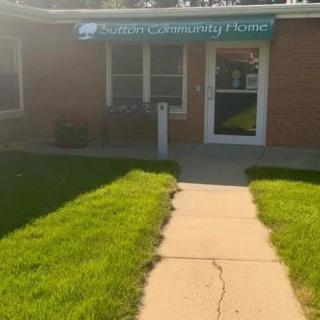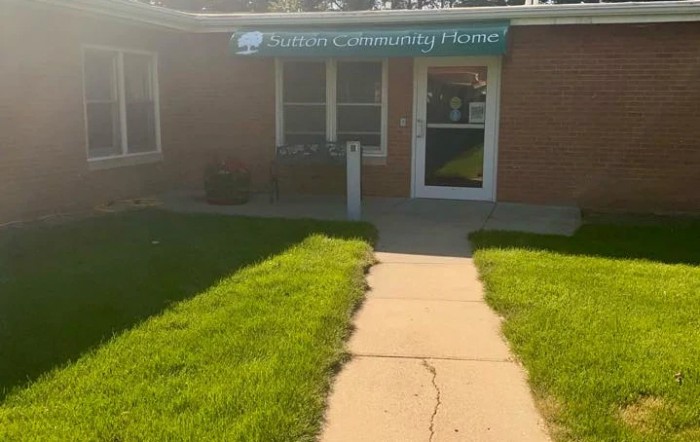

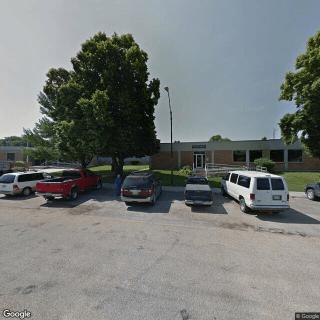
1106 North Saunders, Sutton, NE 68979
For more information about senior living options: (866) 208-4318
Overall Review of Sutton Community Home
Pros
 The facility is very clean.
- Some nursing staff are very nice.
- The grandmother received great care.
- She rehabilitated back to her independent apartment in two weeks.
- She had great compliments about the staff, the care, and the food.
- The home provided physical, speech, and occupational therapy.
- Her discharge planner followed up with calls after she returned home.
- The reviewer would recommend the home to others.
- The hospice nurses were very helpful.
Cons
 Some residents dislike the traveling contractor of color.
- Not all nursing staff are nice.
- The nurses were rushed and rude.
- The care provided was inadequate.
- Most people were not compassionate or friendly.
Review
Sutton Community Home is best suited for families seeking short- to mid-term skilled nursing rehabilitation with a concrete route back to independent living, delivered in a clean, orderly setting. The standout strengths are clear: therapy availability (physical, speech, and occupational), a responsive discharge-planning process, and a reputation for cleanliness and basic daily care. When a loved one’s goal is a quick, supported return to an apartment or home, this community often delivers tangible progress and a structured path out of skilled care.
Those who may want to consider alternatives are families prioritizing consistently warm bedside care on every shift and a culture of uniformly compassionate staff. The reviews indicate mixed experiences with nursing personnel, some nurses are described as rushed or less friendly, and one account notes discomfort with a subset of staff. In a setting where interpersonal warmth and steady, respectful communication are critical to comfort and trust, these disparities can be meaningful. If proximity to family, a broader or more consistent caregiving culture, or fewer reports of friction are important, exploring other options is prudent.
The main pros, cleanliness, robust rehab capabilities, and proactive discharge planning, often offset the primary concerns. A clean environment reduces infection risk and supports comfort during recovery. The ability to supply physical, speech, and occupational therapy in a relatively short window can translate into meaningful gains and a smoother pathway back to independent living, as one family member observed with a rapid two-week rehab outcome. A discharge planner who follows up after discharge adds a helpful continuity of care that reassures families during the transition home. For families whose priority is measurable rehab progress and a clear exit strategy, these assets carry real salience.
However, several notable drawbacks temper the overall value. The nursing staff is not uniformly described as compassionate or approachable, and some families felt that care was inconsistent or rushed. In a setting where residents rely on nurses for timely attention, the perception of hurried interactions and variable warmth can undermine confidence, even when clinical tasks are performed competently. A mention of biased behavior among some residents and a dated sense of internal culture adds another layer of hesitation for families weighing long-term placement or repeated visits. These factors do not negate the rehab strengths, but they do narrow the circle of households for whom Sutton is an ideal fit.
To make a well-grounded decision, prospective families should verify several practical points. Observe how nurses interact during routine tasks and ask about staffing levels on weekends and holidays. Request direct confirmation from the discharge-planning team about the post-discharge plan, and seek references from families who have recently navigated the transition home. Discuss the care philosophy with staff, and ask about how cultural sensitivity and resident respect are addressed day to day. If distance to loved ones is a concern, weigh travel times against reported outcomes and consider what other nearby communities offer in terms of consistent bedside care and a similar rehab track.
In summary, Sutton Community Home stands out for rehab-readiness and a clean, supportive environment that can deliver a timely return to independent living for motivated residents. Its strongest case is for families who prioritize tangible therapy outcomes and a structured discharge path, paired with a straightforward, small-community setting. Those who require uniformly exceptional bedside warmth, consistently compassionate staff, or a culture free of bias concerns may find better alignment elsewhere. With careful due diligence, tours, stakeholder conversations, and a direct read on staff interactions, families can determine whether Sutton’s advantages align with their loved one’s rehabilitation goals and personal care expectations.
 31 resident community capacity
 Assisted Living
 Skilled Nursing Facility
 Activities on-site
 Beauty salon
 Cable or satellite TV
 Devotional services off-site
 Dining room
 Fully furnished
 Garden
 Housekeeping services
 Indoor common areas
 Kitchenette
 Move-in coordination
 Outdoor space
 Restaurant-style dining
 Small library
 Telephone
 Wi-Fi/high-speed internet available
 24-hour call system
 Ambulatory care
 Assistance with bathing
 Assistance with dressing
 Assistance with transfers
 Diabetes diet
 Diabetic care
 Medication management
 Mental wellness program
 Special dietary restrictions




 Beyond the Bingo Hall: 50+ Enriching Activities for Seniors in Assisted Living
 Understanding the Distinctions: Assisted Living and Memory Care Explained
 Guiding Elderly Parents Who Refuse Assisted Living: 6 Practical Steps