
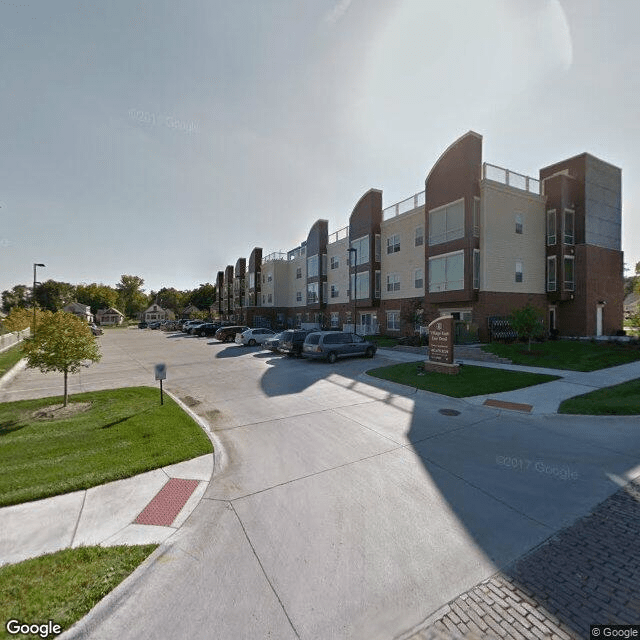
2011 N 25th Street, Omaha, NE 68111
To contact a resident: (402) 679-3229
For more information about senior living options: (866) 208-4318
Village East Costs & Pricing
At Village East, the monthly cost for a two-bedroom unit is remarkably affordable at $695. This significantly contrasts with the average costs in Douglas County, which stand at approximately $3,202, and even more so compared to the broader state of Nebraska, where the typical expense reaches around $3,627. Such a competitive pricing structure not only highlights Village East's commitment to providing accessible housing options but also positions it as an attractive alternative for those seeking affordable living solutions in a market characterized by higher rental rates.
| Floor plans | Village East | Douglas County | Nebraska |
|---|---|---|---|
| 2 Bedrooms | $695 | $3,202 | $3,627 |
Senior living communities with a similar price nearby
-
from +$130 / mo
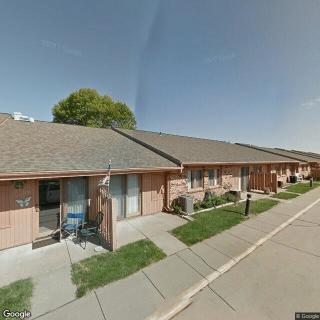
The Wellington
$825 to $1,475 / month10.8 miles away -
from -$105 / mo

Crowell
$590 to $2,800 / month20.9 miles away -
from +$31 / mo
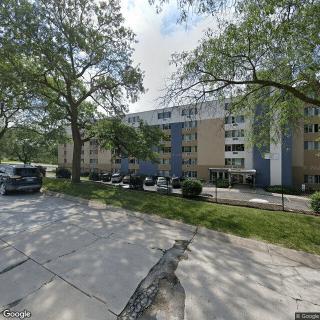
North Avenue Tower
$726 to $851 / month6.1 miles away -
from -$36 / mo
The Rose of Council Bluffs
$659 to $925 / month7.1 miles away -
About the same
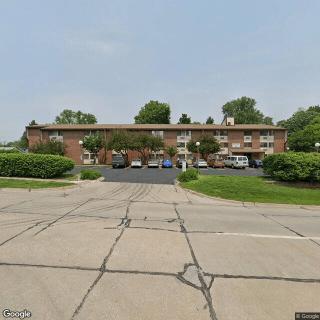
Mission House Vue
$693 / month10.2 miles away
Overall Review of Village East
Pros
 The apartment is peaceful.
- The apartment is very clean and beautiful.
- The staff is amazing.
- Grandchildren enjoy the environment.
- The community is child-friendly.
- The facility offers a gym, pool, and dog park.
- Kaylee is appreciated as the best at Highlander Apartments.
Cons
 The place is wrong.
- The inside is not new.
- The manager never works and does nothing.
- The manager never provides a receipt for the monthly rent.
- The office is never open.
Review
Village East in Omaha is best suited for independent seniors who prize a quiet, clean, and safe living environment and can manage administrative details without heavy on-site support. The limited feedback suggests a community that can deliver a peaceful apartment life and solid basics, but work remains on the management side. In short, it fits someone who wants a straightforward, residence-focused experience and can tolerate potential gaps in office access and billing processes.
Those weighing alternatives should note that this is not a polished, all-in-one solution for anyone who relies on predictable, highly responsive management or on-site staff for day-to-day needs. If reliable billing, clear receipts, consistent office hours, and proactive management are essential, exploring other options with overt, visible on-site teams would be prudent. For residents with evolving care needs or a desire for a more hands-on management presence, other communities may offer a smoother experience and stronger continuity of service.
The strongest positives that can carry the day are cleanliness, a sense of safety, and a peaceful atmosphere. When these elements align, residents often feel calmer, more settled, and able to enjoy their living space without daily frictions. A well-kept unit and a quiet setting can compensate somewhat for limited common-area amenities or less modern interiors, especially for those who prioritize a clutter-free, easy-to-maintain home. In environments where personal comfort and habitability are the primary goals, these factors matter a lot.
However, the most significant red flags center on administrative reliability. A pattern of inaccessible or inconsistent management, office doors that are not reliably open, and a history of rent transactions lacking receipts, undermines trust and financial control. In senior living, clear, timely documentation is not a luxury but a necessity. The prospect of questions about payments, unclear billing, or delayed access to the leasing office translates into real stress for families and residents alike. These issues do not automatically negate the positive living aspects, but they heavily influence long-term suitability.
To decide confidently, prospective residents should conduct a structured due-diligence process. Schedule a current resident tour focused on the daily routines of the on-site team: office hours, response times, and the ease of obtaining payment receipts or leases. Request recent billing statements and a sample receipt to verify how charges are documented. Ask for a current, written policy on late payments, maintenance requests, and move-in/out procedures. If possible, speak with multiple residents about how often the office is actually accessible and whether management follows through on promised follow-ups. Finally, assess whether the unit’s condition meets expectations for the age and price point, and whether any modernization or ongoing upkeep is planned or feasible.
The verdict rests on the alignment between personal priorities and the community’s operational reality. Village East offers a peaceful, clean living environment that can suit residents who value stability and a straightforward apartment experience. Yet the caveats around management accessibility and billing transparency cannot be dismissed. For families prioritizing flawless administration and visible, proactive on-site leadership, alternatives with stronger, more reliable operational track records are likely to deliver fewer surprises. In the end, a careful site visit paired with candid conversations about office hours and billing practices will determine whether Village East is the right fit or if another option would better shield a loved one from administrative uncertainty.
 Active Adult Communities (55+)
 Cats allowed
 Dogs allowed
 Activities off-site
 Bath tubs
 Devotional services off-site
 Indoor common areas
 Outdoor common areas
 Wheelchair accessible showers
 Eppley Airfield (3 miles away)






 A Detailed Exploration of Living Wills and Advance Directives
 Comprehensive Guide to Medicare Coverage for Hospice Care
 Caring for Those Who Care: Recognizing, Understanding, and Overcoming Caregiver Burnout