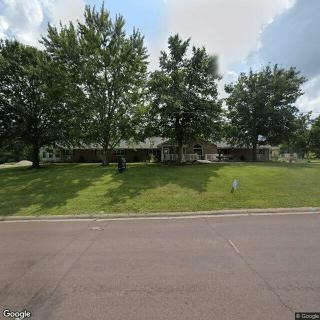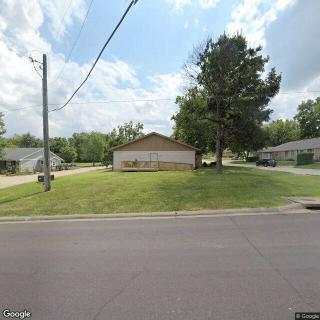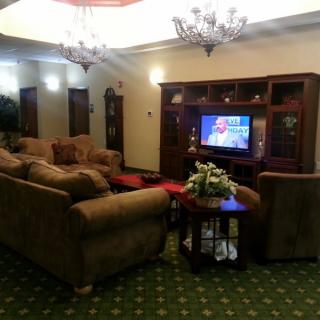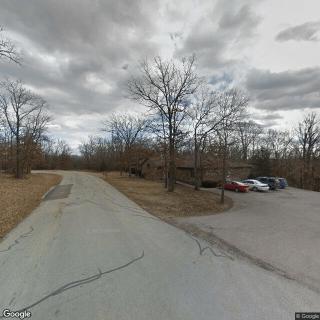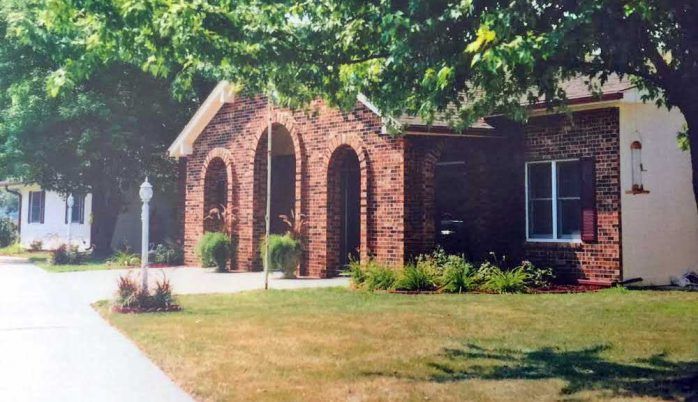
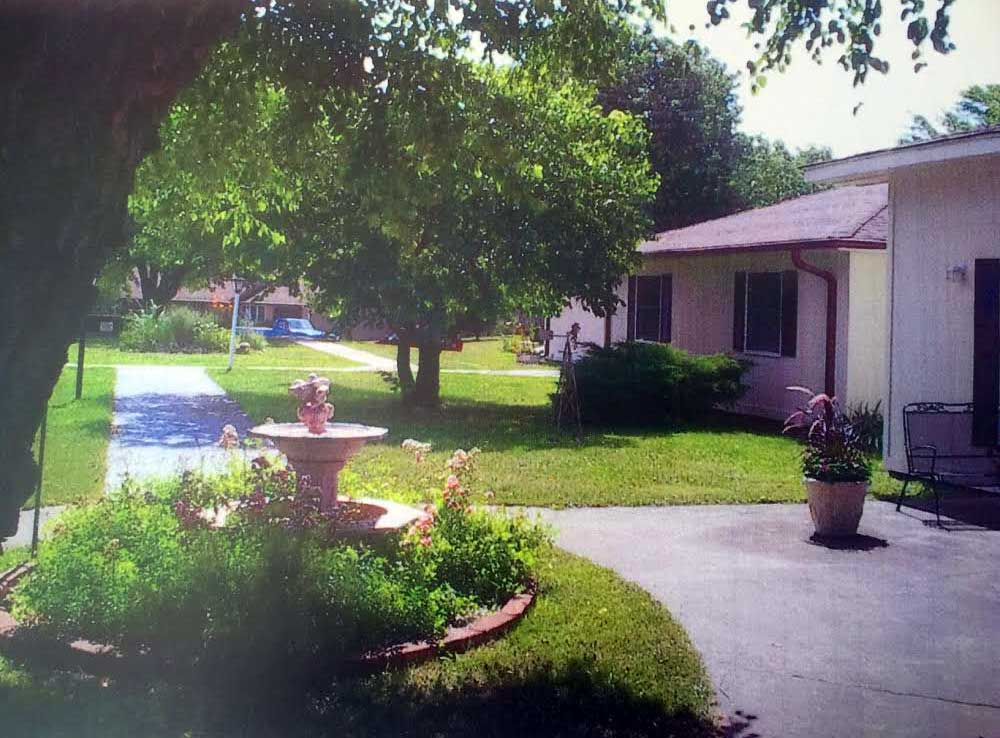
Pettis County Assisted Living in Sedalia, MO

Save
Pettis County Assisted Living Pettis County Assisted Living

Pettis County Assisted Living in Sedalia, MO

Information last verified:

3017 Brooking Park Avenue, Sedalia, MO 65301

For more information about senior living options: (844) 490-3973

2.5 from 6 reviews
5 stars
2
4 stars
0
3 stars
0
2 stars
1
1 stars
3

Overall Review of Pettis County Assisted Living

Pros

  • pro The janitorial staff did a good job keeping the building clean.
  • pro The maintenance man did his best to keep everything repaired.
  • pro The staff was fine.

Cons

  • pro They say the place is not a home and lacks any sense of home feeling.
  • pro They allege they were stolen from and lied to by staff, treated like cattle, spoken to as children, with nutritionally poor meals and sometimes not enough food.
  • pro They would never go back and do not recommend the place.
  • pro They claim the facility should be shut down, calling it corrupt and a joke that takes people’s pride.
  • pro They report extremely high room rates (around $6,000 per month) and being billed for medications and other charges, effectively taking their money.
  • pro They accuse staff of embezzlement and say their accounts were charged after leaving, with ongoing unresolved charges.
  • pro They assert that residents’ money, pride, and dignity are being taken, and call for investigation by media or authorities.
  • pro They describe the building as overcrowded, old, not clean, with few amenities, and not worth the money, indicating they wouldn’t put their own mom there.

Review

Pettis County Assisted Living in Sedalia is best suited for seniors who truly need just the basics and can tolerate an older, no-frills environment. The building is dated, the rooms are small, and the dining or social amenities are limited. In practical terms, this community appeals to families that can live with a compact footprint and a calmer pace of life, provided they are comfortable with close oversight of finances and care. For anyone seeking a home-like atmosphere, generous shared spaces, varied programming, or robust privacy, this option rarely meets those expectations. The bottom line: it is not a good match for households prioritizing comfort, dignity in daily life, and transparency in how care and billing are actually handled.

Those evaluating alternatives should consider steering away if the priority is strong home-like warmth, clear and consistent staffing, and straightforward, value-driven pricing. Families with a loved one who has higher care needs, or who insists on a consistently nutritious menu and predictable routines, will likely be disappointed. The location out of town for some families compounds the challenge of regular oversight. Additionally, if there is a preference for a facility with a more modern feel, more extensive on-site amenities, or a track record of stable operations, this community will feel even less competitive. In short, this option tends to deter households seeking a higher standard of living, transparent administration, and a dignified daily experience.

On the upside, there are a few practical strengths that can still matter in the right circumstances. Several reviews note that janitorial services keep the building reasonably clean, and maintenance staff attempt repairs with a responsive attitude. Those are real, tangible positives in a setting where rough edges are common. Some staff members may come across as capable and attentive in certain situations, and the basic infrastructure, hallways, elevators, and common spaces, generally functions. Yet these pros are consistently undercut by the more troubling themes that appear across multiple accounts: overcrowded rooms, a lack of meaningful amenities, and the perception that care quality and governance are uncertain at the highest levels. The contrast between occasional competent service and broader systemic issues is stark and persistent.

The most consequential cons revolve around value, trust, and dignity. A recurring thread is the feeling of being overcharged for an undersized, aging facility with limited resident autonomy. At roughly six thousand dollars a month, plus extra charges for medications and other services, families will want strong assurances about what they’re paying for. Several reviewers describe experiences of misbilling, embezzlement rumors, and staff behavior that undermines dignity, including being treated less like adults and more like artifacts to be managed. Even when some staff perform competently, the overarching impression is that governance and financial controls are not reliable, which makes the financial risk of placement hard to swallow. For families seeking transparency, predictability, and a sense of pride in resident care, these gaps create a chasm between expectation and reality.

Given the weight of concerns, families should proceed with rigorous due diligence if considering Pettis County Assisted Living. Demand a detailed, itemized billing history and a written explanation of every charge, including meds, room, and any ancillary services. Request live demonstrations of mealtime service, room sizes, and the current status of programming and guest activities. Speak with multiple current residents and their families to gauge day-to-day consistency, and observe a meal and a few activities to assess nutritional quality and engagement. Check state licensing records, complain histories, and recent inspection reports to corroborate the tone of resident feedback. Insist on a transparent governance structure: who is responsible, how decisions are made, and what remedies exist when concerns arise. If red flags persist, pivot to a higher-trust option rather than betting on reform in a facility with a history of complaints.

The practical takeaway is clear: Pettis County Assisted Living is a high-risk choice for families prioritizing home-like comfort, robust meals, transparent finances, and proactive, dignified care. It may be considered only when oversight is unwavering, the resident’s needs are modest, and the family is prepared to play an active, ongoing role in monitoring every facet of daily life and billing. For most seniors, however, safer paths exist, options with clearer care standards, larger and brighter living spaces, more generous amenities, and a track record of steady operations. Families should earmark a careful decision window, line up alternative communities, and plan a concrete exit strategy should comfort, safety, or financial transparency fail to meet expectations. In practice, that means prioritizing facilities with proven, patient-centered care, explicit pricing structures, and a genuine sense of home, rather than accepting a portfolio of risks dressed up as affordability.

Features

Housing

  • 80 resident community capacity 80 resident community capacity
  • 1-bedroom apartments 1-bedroom apartments1-bedroom apartments are important for seniors because they provide a sense of independence, privacy, and autonomy while still offering the necessary space for comfortable living. These apartments allow seniors to maintain their own personal space and lifestyle preferences in a supportive community setting.

Types of Care

  • Assisted Living Assisted LivingAssisted living facilities provide crucial support and care for seniors who may need help with daily tasks such as medication management, bathing, and meal preparation. These communities offer a safe and comfortable environment where seniors can maintain their independence while receiving the assistance they need to thrive in their golden years.

Amenities

  • Air-conditioning Air-conditioningAir conditioning is important for seniors as they are more vulnerable to heat-related illnesses and may have underlying health conditions that make it difficult for them to regulate their body temperature. It helps to keep them comfortable, safe, and healthy in hot weather.
  • Beauty salon Beauty salonBeauty salons are important for seniors because they provide a space for them to feel pampered, socialize, and maintain their personal grooming and hygiene. Regular visits to a beauty salon can help boost seniors' self-esteem and overall well-being.
  • Cable or satellite TV Cable or satellite TVCable or satellite TV is important for seniors because it provides entertainment, news, and companionship, helping to combat loneliness and boredom. It also offers a wide range of programming options tailored to different interests and preferences.
  • Computer center Computer centerA computer center is essential for seniors as it provides access to technology, communication tools, and resources that can enhance their daily lives. It allows them to stay connected with loved ones, engage in online activities, and learn new skills, ultimately promoting socialization and mental stimulation.
  • Dining room Dining roomDining rooms are important for seniors as they provide a space for socialization, connection, and nutritious meals. They offer opportunities for residents to bond over shared meals, foster a sense of community, and promote healthy eating habits. Dining rooms also ensure that seniors have access to well-balanced meals tailored to their dietary needs and preferences.
  • Fitness room Fitness roomHaving a fitness room in a senior living community is essential for seniors to stay active, maintain their physical health, and improve their overall well-being. Regular exercise can help prevent falls, reduce the risk of chronic diseases, and promote mental sharpness. It also provides social opportunities for residents to connect with others and enjoy a sense of community.
  • Fully furnished Fully furnishedFully furnished senior living communities are important for seniors because they provide convenience, comfort, and a hassle-free moving experience. Seniors can easily settle into their new living space without the stress of having to buy and move furniture. This allows them to focus on enjoying their new home and community.
  • Gaming room Gaming roomGaming rooms are important for seniors as they provide a fun and engaging environment for socializing, cognitive stimulation, and physical activity. Games can improve memory, problem-solving skills, and overall mental well-being while fostering friendships and reducing feelings of isolation.
  • Garden GardenGardens are important for seniors as they provide a peaceful and therapeutic environment for relaxation, physical activity, and socialization. Being in nature has been shown to reduce stress, improve mood, and promote overall well-being. Gardens also offer opportunities for seniors to engage in gardening activities, which can improve mobility, flexibility, and cognitive function. Additionally, gardens create a sense of community and connection with others who share a passion for plants and outdoor spaces.
  • Housekeeping services Housekeeping servicesHousekeeping services are important for seniors because they help maintain a clean and safe living environment, promote independence, and reduce the risk of accidents or illnesses. Additionally, having assistance with household chores can alleviate physical strain and allow seniors to focus on other aspects of their well-being.
  • Kitchenette KitchenetteKitchenettes are important for seniors living in senior living communities because they provide the convenience and independence of being able to prepare simple meals and snacks in the comfort of their own living space. This can help promote a sense of autonomy and well-being for seniors, allowing them to maintain some level of control over their dietary choices and daily routines.
  • Move-in coordination Move-in coordinationMove-in coordination is important for seniors because it helps ease the transition into their new living environment. It ensures that all logistics, such as packing, organizing movers, and setting up utilities are taken care of, allowing seniors to focus on settling in and adjusting to their new home. Having a smooth move-in process can alleviate stress and anxiety, making the transition smoother and more enjoyable for seniors.
  • Outdoor space Outdoor spaceOutdoor spaces are important for seniors as they provide opportunities for physical activity, social interaction, exposure to natural light and fresh air, and a sense of connection to nature. Having access to outdoor spaces can improve overall well-being and quality of life for older adults living in senior communities.
  • Private bathrooms Private bathroomsPrivate bathrooms are important for seniors in senior living communities because they provide independence, dignity, and comfort. Having a private bathroom allows seniors to maintain their personal hygiene routines without the need for assistance, promoting a sense of autonomy and privacy. Additionally, private bathrooms help prevent the spread of infections and provide a safe and clean environment for seniors to navigate safely.
  • Restaurant-style dining Restaurant-style diningRestaurant-style dining is important for seniors because it allows them to enjoy delicious, nutritious meals in a social and upscale setting. This enhances their dining experience, promotes healthy eating habits, and fosters socialization with fellow residents, ultimately contributing to their overall well-being and quality of life.
  • Small library Small librarySmall libraries are important for seniors as they provide access to a variety of reading materials, including books, newspapers, and magazines. This can help stimulate their minds, keep them engaged, and provide a sense of community through book clubs and other social activities. Additionally, reading has been shown to improve cognitive function and overall mental well-being in older adults.
  • Telephone TelephoneTelephones are important for seniors as they provide a lifeline for communication with loved ones, emergency services, and healthcare providers. They offer a sense of security and independence, enabling seniors to stay connected and access assistance when needed.
  • Wellness center Wellness centerWellness centers are important for seniors because they offer a variety of programs and services that promote physical, mental, and emotional well-being. These centers provide opportunities for exercise, socialization, education, and relaxation, helping seniors maintain their overall health and quality of life.
  • Wi-Fi/high-speed internet available Wi-Fi/high-speed internet availableWi-Fi/high-speed internet is important for seniors to stay connected with loved ones, access online resources, and participate in virtual activities to combat feelings of loneliness and isolation. It also allows them to easily manage healthcare needs, access entertainment, and engage in lifelong learning opportunities.

Transportation

  • Community operated transportation Community operated transportationCommunity operated transportation is crucial for seniors as it provides them with the means to access essential services, social activities, and medical appointments. It allows seniors to maintain their independence and quality of life by ensuring they can participate in activities outside of their homes. Additionally, community-operated transportation services offer a safe and reliable way for seniors to travel without having to rely on family or friends for assistance.
  • Transportation arrangement Transportation arrangementTransportation arrangements are crucial for seniors as they may face challenges with driving, mobility, or access to public transportation. Having reliable transportation services ensures that seniors can easily attend appointments, social activities, and maintain their independence and quality of life.
  • Transportation arrangement (non-medical) Transportation arrangement (non-medical)Transportation arrangements are essential for seniors as they provide access to essential services, activities, and social interactions outside the home. This service helps maintain independence, mobility, and overall well-being for seniors who may have limited transportation options.
  • Transportation to doctors appointments Transportation to doctors appointmentsTransportation to doctors appointments is crucial for seniors as it ensures they have access to necessary medical care and support, promoting their health and well-being. It allows them to receive timely treatment, monitor existing conditions, and address any new health concerns efficiently. Additionally, transportation services can help seniors maintain their independence and quality of life by enabling them to stay connected with their healthcare providers.

Care Services

  • 12-16 hour nursing 12-16 hour nursing12-16 hour nursing care is crucial for seniors in order to ensure around-the-clock monitoring, timely medication administration, and prompt response to any health concerns or emergencies. This level of care helps to promote the overall well-being and safety of seniors living in senior living communities.
  • 24-hour call system 24-hour call system24-hour call systems are important for seniors because they provide peace of mind and immediate assistance in case of emergencies. This technology ensures that help is always available, promoting safety and security for elderly individuals living alone or in assisted living facilities.
  • 24-hour supervision 24-hour supervision24-hour supervision is important for seniors to ensure their safety, well-being, and access to immediate assistance in case of emergencies or health issues. This constant support provides peace of mind for both seniors and their loved ones, allowing them to age in place with dignity and security.
  • Activities of daily living assistance Activities of daily living assistanceActivities of daily living assistance are important for seniors because they provide essential support with tasks such as eating, bathing, dressing, and mobility. This assistance helps seniors maintain their independence, dignity, and overall quality of life as they age.
  • Assistance with bathing Assistance with bathingAssistance with bathing is crucial for seniors as it helps maintain personal hygiene, prevents infections, and ensures their overall well-being and comfort. It also provides a sense of dignity and independence for seniors who may struggle with this task on their own.
  • Assistance with dressing Assistance with dressingAssistance with dressing is important for seniors because it helps maintain their independence, promotes personal hygiene, prevents accidents and injuries, and improves overall quality of life. This service ensures that seniors can continue to dress comfortably and confidently, despite any physical limitations they may have.
  • Assistance with transfers Assistance with transfersAssistance with transfers is crucial for seniors as it helps prevent falls and injuries, maintains their independence, and ensures they can safely navigate their living environment. It also provides peace of mind for both seniors and their loved ones.
  • Diabetes diet Diabetes dietA diabetes diet is crucial for seniors as it helps manage blood sugar levels, reduce risks of complications, and improve overall health and well-being. By following a balanced and nutritious diet tailored to their specific needs, seniors can better control their diabetes and enhance their quality of life.
  • Meal preparation and service Meal preparation and serviceMeal preparation and service are crucial for seniors as they may have limited mobility or energy to cook nutritious meals. Having access to healthy and convenient food options can ensure they are getting the proper nutrition needed to maintain their overall health and well-being.
  • Medication management Medication managementMedication management is crucial for seniors to ensure they are taking the right medications at the correct dosages and times. This helps prevent adverse drug interactions, reduces the risk of medication errors, and promotes overall health and well-being. Proactive management also allows for adjustments as needed based on changing health conditions or new prescriptions.
  • Mental wellness program Mental wellness programMental wellness programs are essential for seniors as they promote cognitive stimulation, emotional support, and social engagement. These programs help prevent isolation, depression, and cognitive decline, ultimately enhancing the overall quality of life for older adults.
  • Special dietary restrictions Special dietary restrictionsSpecial dietary restrictions are important for seniors because age-related changes in metabolism and health conditions can make it difficult for their bodies to process certain foods. By following a diet tailored to their specific needs, seniors can maintain their overall health and well-being, manage chronic conditions, and reduce the risk of complications such as malnutrition or food interactions with medications.

Dining

  • Diabetes diet Diabetes dietA diabetes diet is crucial for seniors as it helps manage blood sugar levels, reduce risks of complications, and improve overall health and well-being. By following a balanced and nutritious diet tailored to their specific needs, seniors can better control their diabetes and enhance their quality of life.
  • Special dietary restrictions Special dietary restrictionsSpecial dietary restrictions are important for seniors because age-related changes in metabolism and health conditions can make it difficult for their bodies to process certain foods. By following a diet tailored to their specific needs, seniors can maintain their overall health and well-being, manage chronic conditions, and reduce the risk of complications such as malnutrition or food interactions with medications.

Activities

  • Community-sponsored activities Community-sponsored activitiesCommunity-sponsored activities are important for seniors as they provide opportunities for social interaction, mental stimulation, and physical activity. These activities can help improve overall well-being, combat loneliness and isolation, and promote a sense of belonging and purpose among older adults.
  • Concierge services Concierge servicesConcierge services are essential for seniors as they provide assistance with daily tasks and errands, enhance their quality of life by offering convenience and personalized care, and promote a sense of safety and security.
  • Fitness programs Fitness programsFitness programs are crucial for seniors as they help improve strength, flexibility, balance, and overall well-being. Staying active can reduce the risk of chronic diseases, improve mental health, and enhance quality of life in older adults.
  • Planned day trips Planned day tripsPlanned day trips are important for seniors because they offer opportunities for socialization, mental stimulation, and physical activity. They provide a change of scenery and help seniors stay engaged and connected to their community, promoting overall well-being and quality of life.
  • Resident-run activities Resident-run activitiesResident-run activities are important for seniors as they encourage social interaction, creativity, and a sense of autonomy. These activities empower seniors to stay engaged and active in their community while fostering meaningful connections with their peers.
  • Scheduled daily activities Scheduled daily activitiesScheduled daily activities are important for seniors because they provide structure, socialization, mental stimulation, and physical activity. Engaging in regular activities can improve overall well-being and quality of life for seniors living in a community setting.

Description

Pettis County Assisted Living in Sedalia, MO is a vibrant and welcoming community designed to provide seniors with a comfortable and fulfilling lifestyle. Our facility offers a comprehensive range of amenities and care services to ensure that residents' needs are met while promoting their independence and well-being.

For the convenience and enjoyment of our residents, we offer a beauty salon for hair styling needs, as well as cable or satellite TV for entertainment. Our community-operated transportation makes it easy for residents to explore the surrounding area or attend appointments. The computer center allows residents to stay connected with loved ones or engage in online activities.

Meals are served in our elegant dining room, offering restaurant-style dining where residents can enjoy delicious and nutritious cuisine prepared by our skilled staff. For those who prefer more privacy, kitchenettes are available in some units. We also accommodate special dietary restrictions to ensure that all residents' nutritional needs are met.

Our community features various spaces for recreational activities including a fitness room, gaming room, small library, and outdoor garden space. Resident-run activities and scheduled daily activities provide opportunities for socialization and engagement with fellow residents. Additionally, planned day trips allow residents to explore new places and create lasting memories.

Residents can enjoy peace of mind knowing that our caring staff provides 24-hour supervision and assistance with activities of daily living such as bathing, dressing, and transferring. We also offer medication management services to ensure that medications are taken properly. Our mental wellness program focuses on supporting residents' emotional well-being.

In terms of nearby amenities, Pettis County Assisted Living boasts proximity to numerous cafes, parks, pharmacies, physicians' offices, restaurants, places of worship, and hospitals. This ensures that residents have convenient access to essential services and opportunities for leisurely outings.

At Pettis County Assisted Living in Sedalia, MO, we strive to create an inclusive community where seniors can lead fulfilling lives while receiving the care they need. Contact us to learn more about our welcoming and supportive environment.

Nearby Places of Interest

Places of Worship

  • General Conference Of Seventh-Day Adventists (0.6 miles)
  • Parkview Christian Church (3.3 miles)
  • Southern Baptist Convention (3.6 miles)
  • Southern Baptist Convention (3.7 miles)
  • East Sedalia Baptist Church (3.7 miles)
  • Southern Baptist Convention (3.7 miles)
  • New Hope Baptist Church (3.8 miles)

Cafes

  • Smithton Diner (3.1 miles)
  • Ozark Coffee Company and Roastery (4.3 miles)
  • Clara's Sunrise Cafe (4.8 miles)
  • Teremok Coffee & Desserts (6.3 miles)
  • Panera Bread (6.5 miles)

Pharmacies

  • Bings (3.1 miles)
  • Woods Pharmacy (3.8 miles)
  • Medical Center Pharmacy (3.9 miles)
  • CVS Pharmacy (4.3 miles)
  • Swords Family Pharmacy (4.4 miles)
  • Walgreens (5.4 miles)
  • Woods Supermarket (5.4 miles)

Parks

  • Centennial Park (3.2 miles)
  • Hubbard Park (4.8 miles)
  • Liberty Auditorium (5.2 miles)
  • Clover Dell Park (7.6 miles)

Physicians

  • Pettis County Health Center (3.6 miles)
  • Riverside Pediatrics (3.8 miles)
  • Orthopaedic Surgeons (3.8 miles)
  • Bothwell Ob/Gyn Associates (3.9 miles)
  • Bothwell Sleep Center-Sedalia (3.9 miles)
  • G & R Health Associates (4 miles)
  • Allergy & Asthma Consultants (4.3 miles)

Restaurants

  • E Street (3.6 miles)
  • CKE Restaurants (3.8 miles)
  • Tacos Degollado (3.9 miles)
  • Subway (4.3 miles)
  • Ivory Grille (4.4 miles)
  • Mapleleaf Antique & Tea Room (4.4 miles)
  • Sonic Drive-In (4.4 miles)

Hospitals

  • Bothwell Regional Health Center (3.9 miles)

Transportation

  • Nelson Natural Creations (12.3 miles)

Frequently Asked Questions

What floor plans and room types does Pettis County Assisted Living offer?
Where is Pettis County Assisted Living?

Nearby Communities

  • Parkview Estates

    Parkview Estates

    Sedalia, MO

    3 from 1 review
     

    pro Intimate 26-bed community with personalized, 24/7 supervision and restaurant-style dining.

  • Bristol Manor - Sedalia

    Bristol Manor - Sedalia

    Sedalia, MO

    1 from 4 reviews
     

    pro Comprehensive care with 24/7 supervision, medication management, and restaurant-style dining with chef-prepared meals.

  • Bristol Manor of Sedalia

    Bristol Manor of Sedalia

    Sedalia, MO

    3.3 from 15 reviews
    $2,030 to $3,030 / month

    pro Homey, cozy atmosphere with friendly staff and clean, well-maintained spaces.

  • Landmark Terrace

    Landmark Terrace

    Sedalia, MO

    5 from 1 review
    $2,390 / month

    pro Competitive pricing for Missouri, plus on-site/off-site devotional services and engaging activities.

  • Essex By Bristol

    Essex By Bristol

    Sedalia, MO

    4.2 from 10 reviews
     

    pro Fully furnished apartments with restaurant-style dining and 24/7 assisted living care.

  • Essex of Sedalia

    Essex of Sedalia

    Sedalia, MO

    4.2 from 11 reviews
    $2,100 to $3,400 / month

    pro New administration under Jennifer improving communication, resident engagement, and home-cooked meals.

  • Westport Estates & Arbors at Westport Estates

    Westport Estates & Arbors at Westport Estates

    Marshall, MO

    4.1 from 8 reviews
    $2,820 to $3,810 / month

    pro Memory-care oriented community with personalized care, engaging activities, and accessible ground-floor units.

  • Bristol Manor of Warsaw

    Bristol Manor of Warsaw

    Warsaw, MO

    4.7 from 6 reviews
    $1,950 to $2,950 / month

    pro Clean facility with friendly staff who support independence.

Assisted Living in Nearby Cities

Related Resources

  • active senior livingVibrant Senior Living: A Comprehensive Guide for Active Older Adults

    Vibrant Senior Living emphasizes active senior living communities that promote independence and engagement through diverse amenities and activities, fostering wellness and social interaction among older adults. These communities range from independent to assisted living, with a focus on personal growth, family involvement, financial planning, and leveraging technology to enhance residents' experiences.

  • when to move from assisted living to memory careWhen to Transition from Assisted Living to Memory Care: Key Indicators, Steps, and Finding the Right Community

    Transitioning from assisted living to memory care is driven by an individual's cognitive decline and specific needs, requiring careful evaluation of indicators like increased confusion and wandering. The process involves consulting medical professionals, researching suitable communities, considering financial and legal aspects, and ensuring effective communication for personalized care plans.

  • assisted living vs memory careAssisted Living and Memory Care: Understanding Their Core Differences
    Assisted living provides moderate support for seniors seeking independence, while memory care offers specialized support for individuals with dementia or cognitive impairments through structured routines and trained staff. Key differences include care approaches, environment security measures, staff training levels, activity types, and cost considerations.