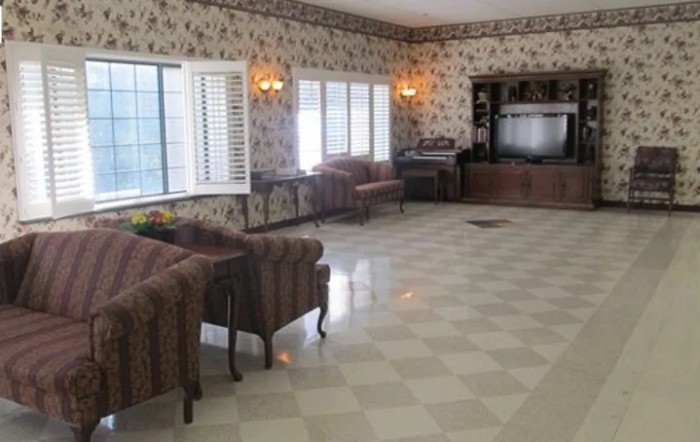
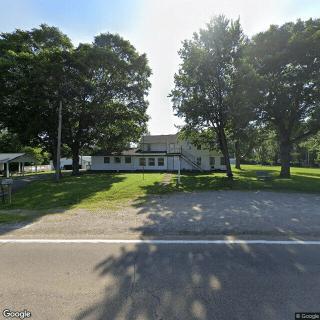
1301 North Street Joe Drive, Park Hills, MO 63601
For more information about senior living options: (866) 208-4318
Overall Review of Country Meadows
Pros
 The staff at the facility are excellent.
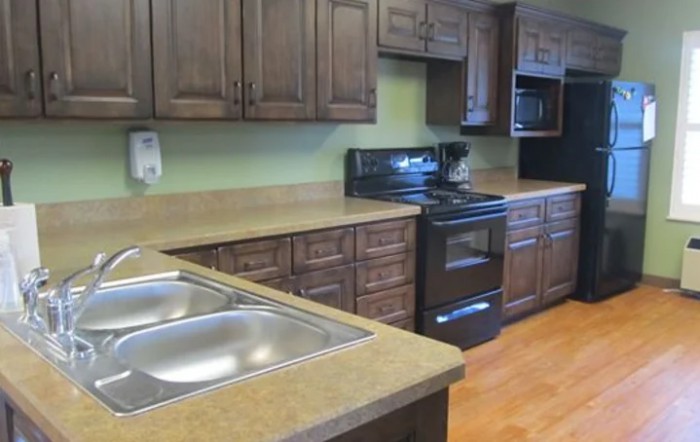
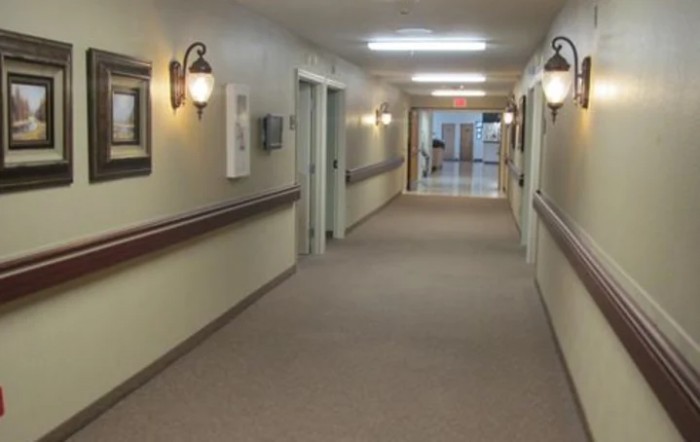
- The facility is very clean and smells great.
- The food is tasteful and plentiful.
- The residents seem happy and well taken care of.
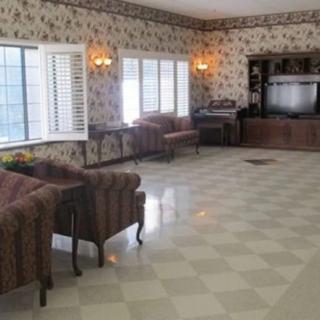
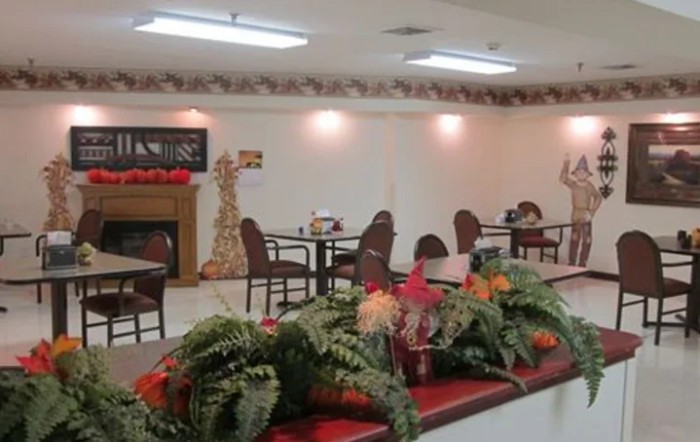
- The place is beautiful inside and out and feels like family.
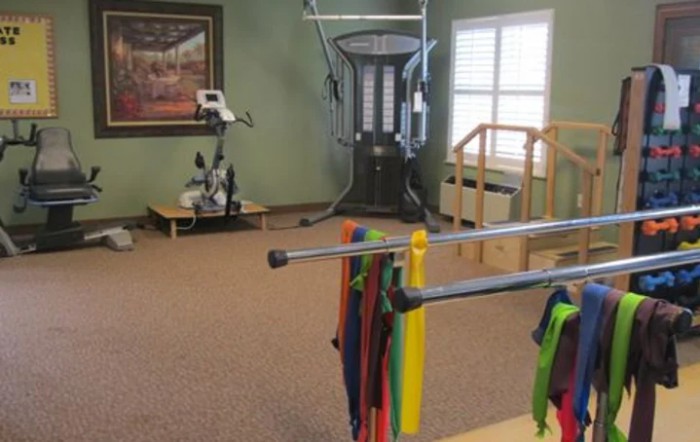
- The staff and therapy department provide encouragement when needed.
- The facility is highly recommended by those who have visited.
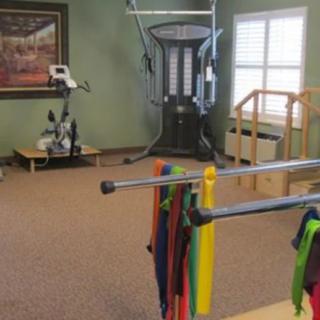
- Therapy has helped residents regain independence and walk again, with friendly aides and good care.
Cons
 The staff were horrible and rude.
- They left the grandfather in urine from 7pm to 5am.
- A resident was found on the floor with someone yelling for help, and staff were more interested in their conversation.
- The place is awful.
- The staff steals from the patients.
- The administration was described as very poor.
- The staff smoked on breaks and cared less about their patients.
- The staff argued with a patient and made her feel like she didn't matter.
Review
Country Meadows in Park Hills, Missouri is best suited for seniors who are actively pursuing rehabilitation and want a facility where therapy teams are readily available, the environment feels clean and inviting, and staff interactions generally convey warmth and competence. The strongest case comes from a combination of robust therapy services, dependable nursing care, and a palpable sense of daily life moving in a positive direction for many residents. When therapy goals and measurable progress matter most, this community stands out as a practical, outcome-driven option.
But there are clear caveats that families should weigh carefully. Prospective residents or their supporters who require highly consistent oversight should proceed with caution. Multiple reviews flag concerns about response times, staff engagement during difficult moments, and a few specific safety lapses. There are reports of residents left without timely assistance, situations where cleanliness or basic dignity was not upheld to expected standards, and episodes that point to gaps in supervision. Administration is described in mixed terms, with some praise paired with pointed critiques, signaling a governance environment that can vary by shift or period.
The upside of Country Meadows centers on the quality of care that helps people regain or maintain independence through rehab. Families repeatedly highlight skilled therapists, friendly CNAs and nurses, and a care culture that encourages residents to participate in recovery and daily routines. The facility earns praise for cleanliness and appealing dining options, food is described as tasteful and plentiful, a small but meaningful factor in comfort and morale. For those whose priority is to move a loved one toward walking again or toward greater functional ability, the therapy outcomes cited by several families are compelling and hard to dismiss.
That said, the most consequential drawbacks are not superficial. The most frequent red flags involve inconsistent staffing responses and behavioral patterns that undermine confidence in safety and dignity. Incidents of delays in assistance, rooms or patients left in uncomfortable or unsafe conditions, and a few firsthand accounts of neglect or rough handling cast a long shadow. Allegations of theft and disputes about personal belongings, while not universal, further complicate the risk calculus for families weighing long-term placement. In combination, these elements raise legitimate questions about day-to-day reliability and the degree of proactive risk management the facility exercises.
From a decision-making standpoint, the pros and cons create a clear tension. The strong rehab program and the general sense of care can offset many daily-life stressors for residents focused on recovery, particularly when families can stay engaged and monitor progress closely. However, the concerns about supervision, timely assistance, and safety lapses cannot be dismissed, especially for seniors with high care needs, cognitive challenges, or vulnerable health statuses. The balance tilts toward caution: Country Meadows can be a solid choice for rehab-driven goals and a respectful, clean environment, but it demands careful, ongoing oversight and a readiness to intervene if care quality dips.
Practical next steps for families are to visit with a sharp focus on process and responsiveness. Ask for current staff-to-resident ratios during different shifts, request real-time demonstrations of response times to call lights, and speak with both therapy staff and front-line aides about daily routines. Seek out multiple residents or families who can attest to consistency of care, and request concrete examples of progress in recent rehab cases. If rehabilitation success and a welcoming atmosphere are non-negotiables, and ongoing family involvement is feasible, Country Meadows can be a strong fit. If consistency of attention, timely assistance, and unambiguous safety oversight are non-negotiable, it may be worth exploring alternatives that offer tighter governance and steadier day-to-day reliability.
 15 resident community capacity
 Studio apartments
 Assisted Living
 Board and Care Home
 Skilled Nursing Facility
 Beautician on-site
 Cable or satellite TV
 Dining room
 Financial aid
 Fully furnished
 Garden
 Housekeeping services
 Laundry
 Move-in coordination
 Outdoor space
 Party space
 Telephone
 Wi-Fi/high-speed internet available
 24-hour supervision
 Activities of daily living assistance
 Assistance with bathing
 Assistance with dressing
 Assistance with transfers
 Blood work
 Diabetes diet
 Meal preparation and service
 Medication management
 Physical therapy
 Special dietary restrictions
 Transportation arrangement (medical)
 Transportation to doctors appointments
 Arts and crafts
 Fitness programs
 Games
Games Live musical performances
 Religious services
 English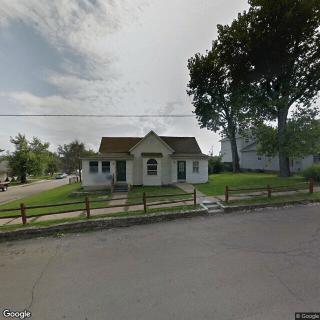


 Comprehensive Insights into Activities of Daily Living (ADLs) and Their Assessment
 Medicare Coverage for Assisted Living: An In-Depth Exploration
 Choosing the Right Senior Care: A Detailed Exploration of Assisted Living and Nursing Homes