
321 South Main Streetpo Box 66, Ironton, MO 63650
For more information about senior living options: (866) 208-4318
Overall Review of Granite House Rcf
Pros
 The place was very good.
- The rest of the staff were great.
- It was great until the new owner arrived.
Cons
 The new owner was very rude.
- This is the worst place they toured while looking for a place for their daughter.
- There is horrible drama and the staff is mean to residents.
- It is the worst.
Review
Granite House RCF in Ironton, MO is best suited for families whose loved ones can thrive in a small, hands-on environment where frontline caregivers matter more than polished administration. This community works for residents who can tolerate variability in leadership and occasional staffing turbulence, provided there are still compassionate caregivers on the floor who connect with residents. It is not a production-line facility with a distant corporate culture; instead, it lives or dies by the mood and competence of its day-to-day staff. For a resident who needs steady, consistently respectful governance and a culture of politeness from every level of leadership, Granite House is unlikely to deliver reliably.
Those who should seriously consider alternatives are families seeking predictable, drama-free management and a consistently respectful atmosphere. The reviews reveal a history of turnover at the top and a recent change in ownership that coincided with visible shifts in tone and behavior from leadership. When a new owner is described as rude and staff members are reported to have “foul mouths” or to create “horrible drama,” the risk of ongoing friction grows. In short, if daily life for a resident hinges on steady, constructive interaction with management and a resident-first culture, this community may not meet those expectations.
On the upside, there are glimmers of value embedded in Granite House’s care environment. Several reviews praise portions of the staff as genuinely caring, and one customer even called the experience “very good” before the ownership shift altered the dynamic. The presence of competent, empathetic frontline workers suggests that when things are operating smoothly, residents can receive attentive help and warm companionship. That contrast, the contrast between short-lived positives and ongoing concerns, helps explain why some families tolerate the environment while others run for the exits. The potential for decent daily care exists, but it is heavily contingent on which staff member is on shift and who is at the helm.
The dominant drawbacks are hard to ignore and they tend to eclipse the occasional good care. The most persistent themes center on leadership and interpersonal behavior: a rude or dismissive owner can set a negative tone, while certain staff members are accused of rude language and inappropriate conduct. The result is a climate that can feel tense, with residents potentially experiencing mean-spirited interactions or “drama” that undermines trust in the facility. With six one-star reviews out of eleven, the pattern suggests that problems are not isolated incidents but parts of a broader cultural issue that families must weigh against any potential personal fit their loved one might have.
For decisiveness, focus on concrete due-diligence steps and a clear understanding of what matters most. Prospective residents should demand current, specific assurances about staffing stability, supervisor presence on each shift, and a transparent process for addressing resident concerns. Visit at various times to observe how staff interact with residents and whether tensions are palpable on the floor. Ask direct questions: How are complaints handled? Is there a resident council or regular family meeting? What changes in ownership have occurred, and how does the new leadership engage with families and staff? Compare these findings with nearby options that offer stronger reputations for consistent civility and proactive management.
In the end, Granite House RCF should be regarded as a potential option only for families willing to trade some level of governance stability and culture for a smaller, more intimate setting and the possibility of decent frontline care. If a resident prioritizes a consistently respectful environment, predictable leadership, and a non-turbulent daily routine, reputable alternatives are advisable. If, however, a family can tolerate the risk of leadership swings and occasional interpersonal friction in exchange for a simpler, potentially cost-conscious arrangement and access to dependable on-the-ground caregivers, Granite House may still be worth a careful, time-limited trial. The key is to enter with clear expectations and a plan to reassess quickly if the culture does not stabilize.
 60 resident community capacity
 Assisted Living
 Air-conditioning
 Beauty salon
 Cable or satellite TV
 Computer center
 Dining room
 Fitness room
 Fully furnished
 Gaming room
 Garden
 Housekeeping services
 Kitchenette
 Move-in coordination
 Outdoor space
 Private bathrooms
 Restaurant-style dining
 Small library
 Telephone
 Wellness center
 Wi-Fi/high-speed internet available
 Community operated transportation
 12-16 hour nursing
 24-hour call system
 Activities of daily living assistance
 Assistance with bathing
 Assistance with dressing
 Assistance with transfers
 Diabetes diet
 Medication management
 Mental wellness program
 Special dietary restrictions
 Concierge services
 Planned day trips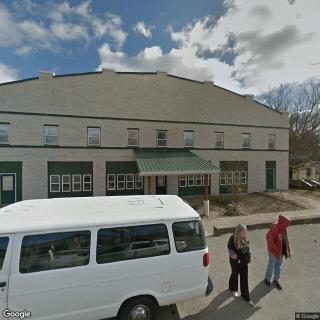






 8 Key Indicators That Suggest It May Be Time to Transition from Assisted Living to Skilled Nursing Care
 Vibrant Senior Living: A Comprehensive Guide for Active Older Adults
 When to Transition from Assisted Living to Memory Care: Key Indicators, Steps, and Finding the Right Community