

801 South Colby, Hamilton, MO 64644
For more information about senior living options: (866) 208-4318
Overall Review of Hill Crest Manor
Pros
 Hillcrest Manor is described by visitors as kind and accommodating to residents.
- The staff are noted to go out of their way to do kind little things for people in their care.
- The facility is decorated in a happy, cute way, contributing to a pleasant environment.
- Live birds in the dining room provide an engaging atmosphere for residents.
- Visitors are impressed by the care and overall atmosphere at Hillcrest Manor.
Cons
 The facility is described as unprofessional and hateful, more focused on smoking than residents.
- Staff are accused of neglecting residents, failing to take them to doctor appointments, and making excuses for poor pericare and lack of showers, while blaming families for the care gaps.
- The reviews claim residents were treated horribly and that the place should be shut down.
- The social worker is described as the worst, and the higher-ups as jokes.
- The place reportedly needs a lot more cleaning and more friendly interactions from staff toward residents.
- A great-grandmother was not cared for, with medications taken by workers and a broken rib, and the facility is labeled horrible and should be shut down.
- A family member had to sit in urine and blood for hours after surgery because of the facility, and others had to clean her up.
- The care given to a mother for rehab is described as horrible, resulting in hospitalization and death shortly after leaving the facility.
- The death of a loved one is attributed to inadequate care by Hillcrest staff and the house doctor, with claims of deception by staff.
Review
Hill Crest Manor in Hamilton, Missouri is best suited for families who must work within a tight budget and are prepared to assume a high level of oversight and risk. Given the community’s troubling care history, this option should only be considered when other facilities have been ruled out and the family is ready to supervise care continually, intervene quickly, and demand constant accountability. This is not a hands-off placement; results hinge on relentless family involvement and a proactive advocate who can push for strong care plans, timely interventions, and transparent communication.
Those considering Hill Crest Manor should also explicitly weigh alternatives with greater clinical reliability. Prospective residents needing robust rehab services, dependable medication management, and consistently clean, respectful environments should look elsewhere. Reviews repeatedly describe serious lapses in hygiene, delays in essential care, and medications mishandled or left unsecured. For families seeking predictable staffing, prompt responses, and durable safety, other communities with steadier clinical oversight will likely deliver far better outcomes. If post-acute recovery or complex medical needs are involved, alternatives should be the default starting point.
On the surface, a few positives surface in the anecdotes. Some reviewers report kindness from individual staff members and a decor that feels comfortable and pleasant to residents. One account notes live birds in the dining room, which suggests moments of genuine warmth and engagement. These glimpses of favorable treatment are important, but they are not a remedy for the fundamental care gaps that dominate the experiences described by the majority of families. The presence of occasional kindness cannot offset the chronic issues around hygiene, safety, and medical oversight that define the overall impression.
The main cons, documented across many accounts, are systemic and potentially dangerous. Families report inadequate pericare and insufficient showers, medications mishandled or taken by staff, and residents left in distressing circumstances such as being found in their own urine after procedures. Several stories describe delayed or deceptive communication, with assurances given only to see health decline shortly thereafter. The pattern includes hospitalizations and, in at least one case, a death attributed to neglect and poor oversight. This is not anecdotal noise; the repeated, serious allegations point to a pervasive risk that families must weigh heavily.
For decision-making, this profile translates into clear, actionable steps. Demand recent state inspection results and any health department citations, with emphasis on staffing ratios and supervisor presence on each shift. Speak directly with current residents or family members about daily routines, response times, and the consistency of medication administration. Insist on a concrete rehab plan with goals, timelines, and regular progress notes if post-acute care is needed. Verify hygiene protocols and accountability mechanisms for concerns, and insist on written, enforceable escalation channels. If these assurances cannot be documented and upheld, alternatives become not just reasonable but prudent.
The bottom line is unequivocal. Hill Crest Manor carries substantial safety and care risks that undermine any decor or occasional kindness. It is a facility to consider only when all other options have been exhausted and when a dedicated, structured oversight plan is in place. For most families, pursuing other communities with proven staffing stability, reliable rehab outcomes, and consistently clean conditions will yield far greater long-term safety and peace of mind. If the decision to stay within Hill Crest Manor is made, it should be accompanied by a formal, written care agreement, mandatory trial periods, and a clear exit strategy should care quality decline or safety concerns arise.
 24 resident community capacity
 Assisted Living
 Skilled Nursing Facility
 Activities on-site
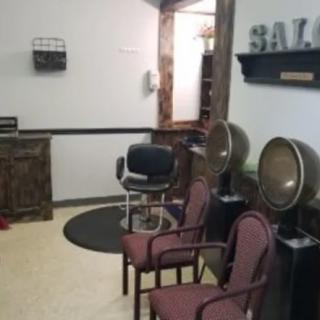
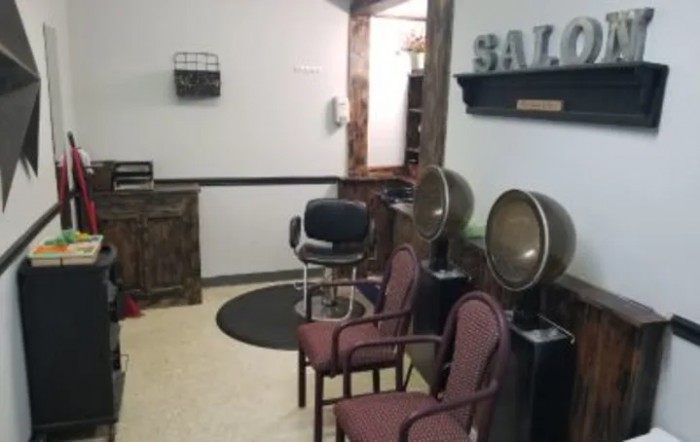
 Beauty salon
 Cable or satellite TV
 Devotional services off-site
 Dining room
 Fully furnished
 Garden
 Housekeeping services
 Indoor common areas
 Kitchenette
 Move-in coordination
 Outdoor space
 Restaurant-style dining
 Small library
 Telephone
 Wi-Fi/high-speed internet available
 24-hour call system
 Ambulatory care
 Assistance with bathing
 Assistance with dressing
 Assistance with transfers
 Diabetes diet
 Diabetic care
 High acuity care
 Medication management
 Mental wellness program
 Special dietary restrictions






 Senior Transition Services: Understanding Their Role, Cost, and Importance
 Exploring the Path to Senior Living: A Comprehensive Look at Independent Living and Assisted Living
 Is Assisted Living Deductible on Your Taxes? Understanding the Complexities of Assisted Living Expenses and Deductions