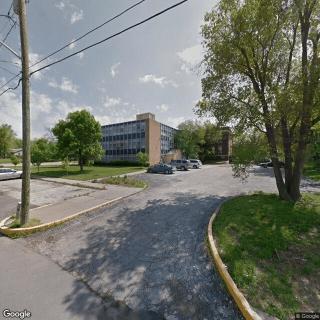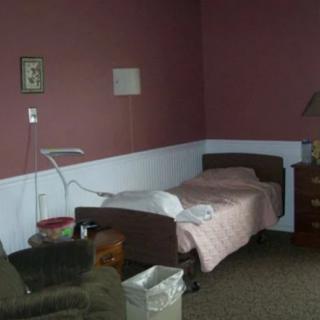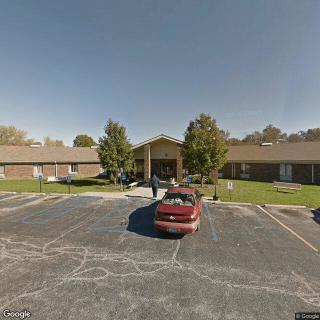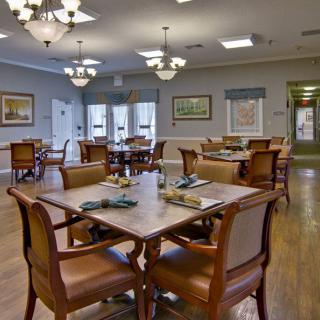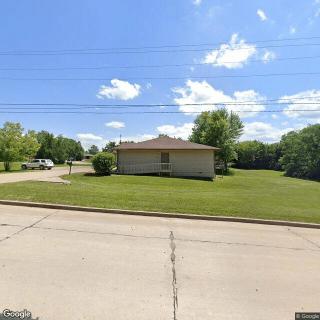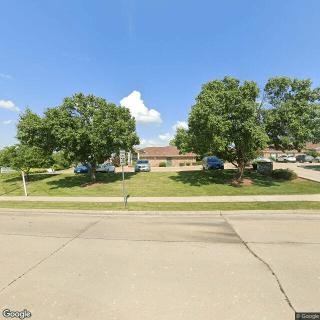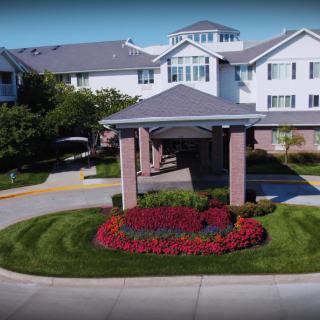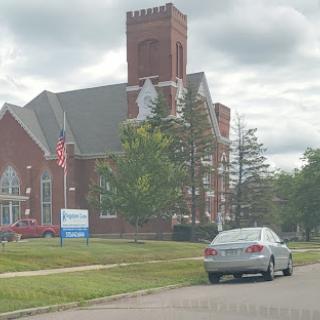

Fulton Presbyterian Manor in Fulton, MO

Save

Fulton Presbyterian Manor in Fulton, MO

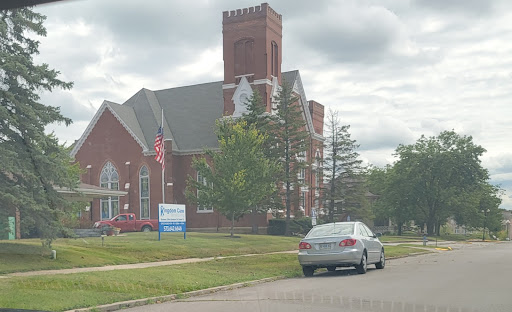
811 Center Street, Fulton, MO 65251

For more information about senior living options: (844) 490-3973

4 from 3 reviews
5 stars
1
4 stars
1
3 stars
1
2 stars
0
1 stars
0

Assisted Living Continuing Care Retirement Community (CCRC) Independent Living Respite Care Skilled Nursing Facility

Overall Review of Fulton Presbyterian Manor

Pros

  • pro The nurses went out of their way to make the family feel like they belonged together.
  • pro The staff loved the mother, even on their hardest days.
  • pro They planned many ways to keep the mother safe while ensuring comprehensive care.
  • pro The building was clean and free of an aged smell.
  • pro The dining area and halls looked clean as people passed.
  • pro The food was plentiful and tasty.
  • pro The staff engaged residents as they passed in the halls.
  • pro The staff communicated with family by phone often and shared changes in care and health.
  • pro The mother enjoyed her rehab stay.
  • pro Kingdom Care Senior Living is highly recommended.

Cons

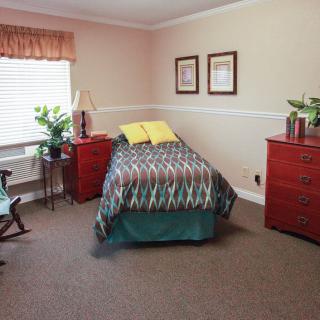
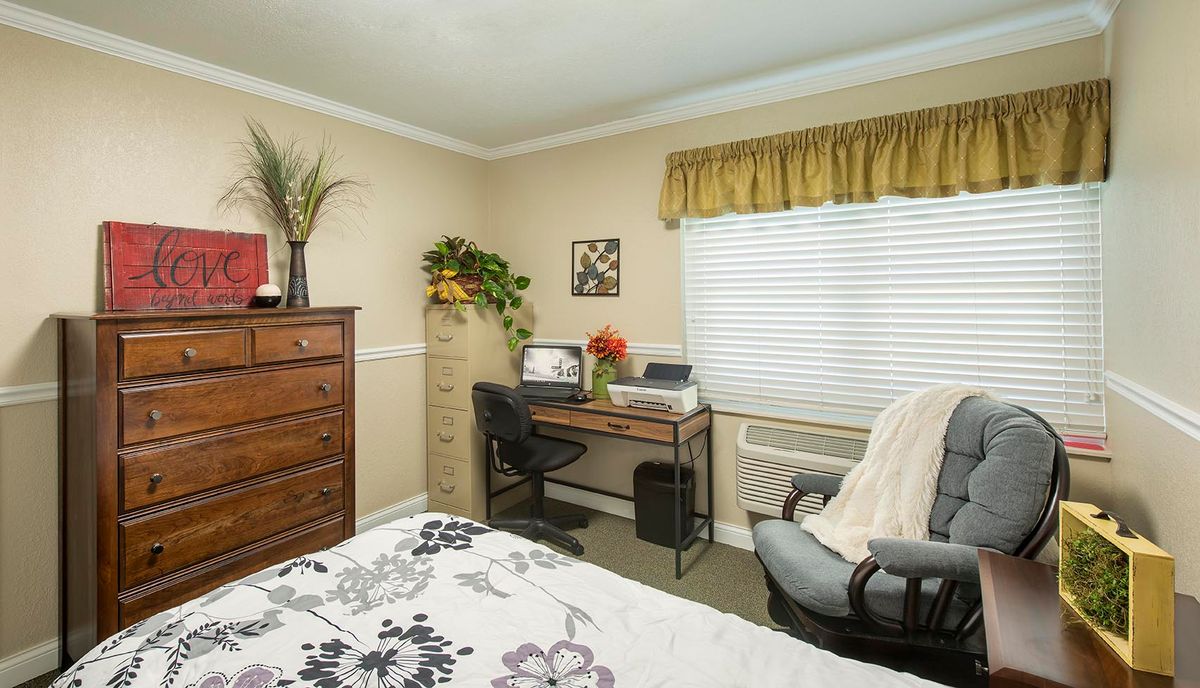
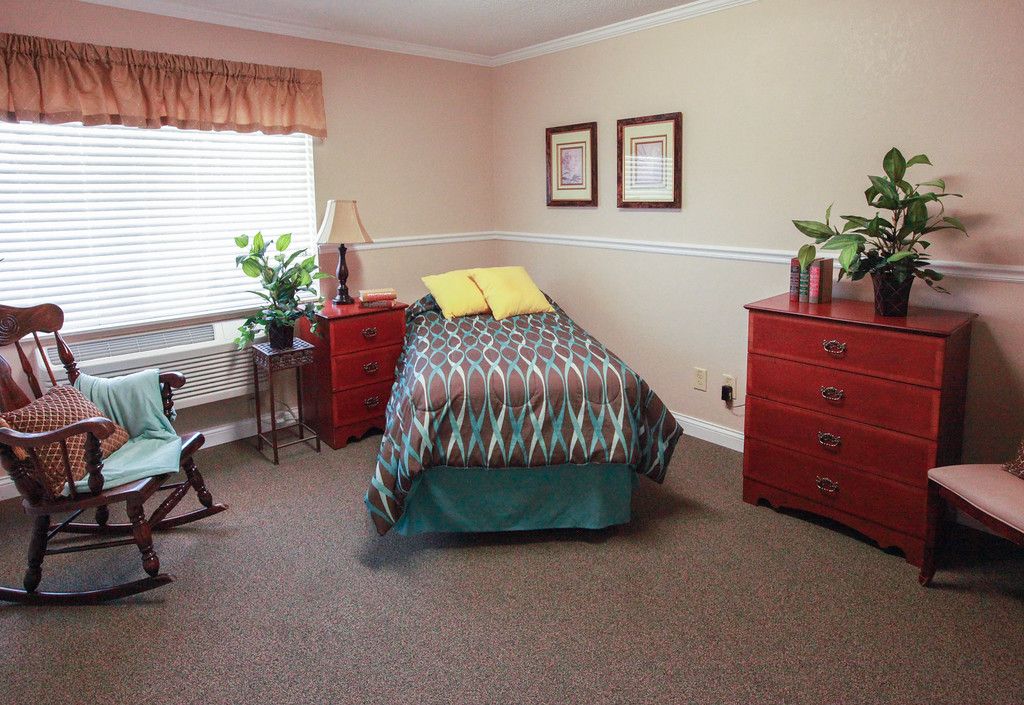
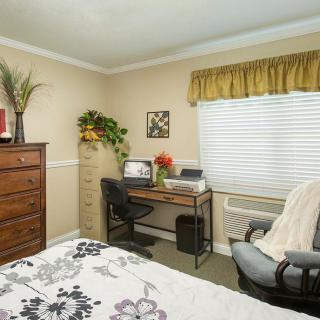
  • pro The rooms were pretty small.
  • pro The facility itself was very crowded.
  • pro No private rooms were available.
  • pro The facility's availability was not good.
  • pro The facility needs to be updated.
  • pro The furniture was old.

Review

This Fulton Presbyterian Manor?style community is best suited for families prioritizing devoted, hands-on care, steady daily routines, and transparent communication over pristine newness or expansive private space. It suits seniors who need regular assistance with activities of daily living and who value safety measures, proactive staff involvement, and clear, frequent updates to families about health and care changes. For families that place a premium on a warm, engaged caregiving culture and dependable nourishment, this type of setting can be a strong fit. The emphasis is on practical, compassionate care, not on frills or cutting-edge design.

From the pattern of experiences reflected in similar reviews, the strongest pros are staff who genuinely care, safety-conscious care plans, reliable family communication, and clean, welcoming common areas. Residents tend to benefit from a personable, attentive team that makes daily interactions meaningful and reassuring. Cleanliness and a dining environment that feels consistent and satisfying also surface as meaningful positives, contributing to a sense of normalcy and comfort. When staff are proactive about discussing concerns and including families in decision-making, that collaborative dynamic can offset some uncertainties inherent in transitions to care.

On the other hand, the main drawbacks highlighted in these accounts center on space and modernization. Rooms described as small or lacking private options can create privacy challenges, especially for couples or long-term residents who value personal space. A crowded atmosphere or older furniture can dampen the sense of comfort, even when care quality remains high. These factors matter because they influence daily living rhythms, visiting ease, and overall mood during longer stays. In short, the care experience can be excellent, but the physical footprint and atmosphere may feel dated or restrictive.

Those pros can offset the cons to a meaningful degree when the core need is dependable, relationship-centered care. Staff devotion and reliable communication provide emotional security for families navigating transitions, while strong meals and clean surroundings support daily well-being. For seniors focused on consistent supervision, fall-prevention, and regular health monitoring, the stability of a well-organized care team often makes up for tighter living spaces. The ability to keep relatives informed and involved can reduce anxiety substantially, which is a substantial, practical benefit in itself.

Alternatives become worth considering for families with different nonnegotiables. If private rooms are essential, or if there is a priority placed on a more modern, spacious facility with contemporary furnishings, then exploring communities with guaranteed private accommodations and recent renovations is prudent. If a quieter, less crowded environment is paramount, programs with smaller resident populations or redesigned spaces to maximize privacy may be a better match. In cases where more intensive medical or rehabilitative services are needed beyond standard assisted living, seeking a facility with robust therapy suites and more specialized staffing becomes a practical imperative.

Practical next steps anchor the decision process. Schedule in-depth tours and request a candid room-by-room walk-through, paying special attention to room sizes, layout, and privacy options. Inquire about resident-to-staff ratios, consistency of caregiving teams, and the frequency of family updates. Confirm whether private accommodations exist and, if so, what the costs and availability look like. Ask about rehabilitation, therapy services, and activity programming to gauge how well daily structure supports recovery and engagement. Finally, weigh the priority of skilled, communicative care against the value placed on private space and modern amenities, and let that balance guide whether Fulton Presbyterian Manor?style options feel like the right long-term home or if an alternative community better aligns with the family's core priorities.

Features

Housing

  • 41 resident community capacity 41 resident community capacity

Types of Care

  • Assisted Living Assisted LivingAssisted living facilities provide crucial support and care for seniors who may need help with daily tasks such as medication management, bathing, and meal preparation. These communities offer a safe and comfortable environment where seniors can maintain their independence while receiving the assistance they need to thrive in their golden years.
  • Continuing Care Retirement Community (CCRC) Continuing Care Retirement Community (CCRC)Continuing Care Retirement Communities (CCRCs) are important for seniors because they provide a range of housing options and care services all in one location. This allows seniors to age in place and receive the level of care they need as their health changes, without having to move to a new facility. CCRCs provide a sense of security and peace of mind for seniors and their families, knowing that they will be taken care of no matter what the future holds.
  • Independent Living Independent LivingIndependent living communities are important for seniors because they offer a safe and supportive environment where older adults can live independently while still having access to amenities and services that enhance their quality of life. These communities provide social opportunities, recreational activities, and assistance with daily tasks, promoting overall well-being and allowing seniors to maintain their independence for as long as possible.
  • Respite Care Respite CareRespite care provides temporary relief for caregivers, allowing them to recharge and attend to their own needs. It also gives seniors the opportunity to socialize, receive professional care, and experience a change of scenery, promoting overall well-being and reducing feelings of isolation.
  • Skilled Nursing Facility Skilled Nursing FacilitySkilled Nursing Facilities are crucial for seniors as they provide round-the-clock medical care, rehabilitation services, and assistance with daily activities. These facilities ensure that seniors receive the specialized care they need to maintain their health and well-being as they age.

Amenities

  • Beauty salon Beauty salonBeauty salons are important for seniors because they provide a space for them to feel pampered, socialize, and maintain their personal grooming and hygiene. Regular visits to a beauty salon can help boost seniors' self-esteem and overall well-being.
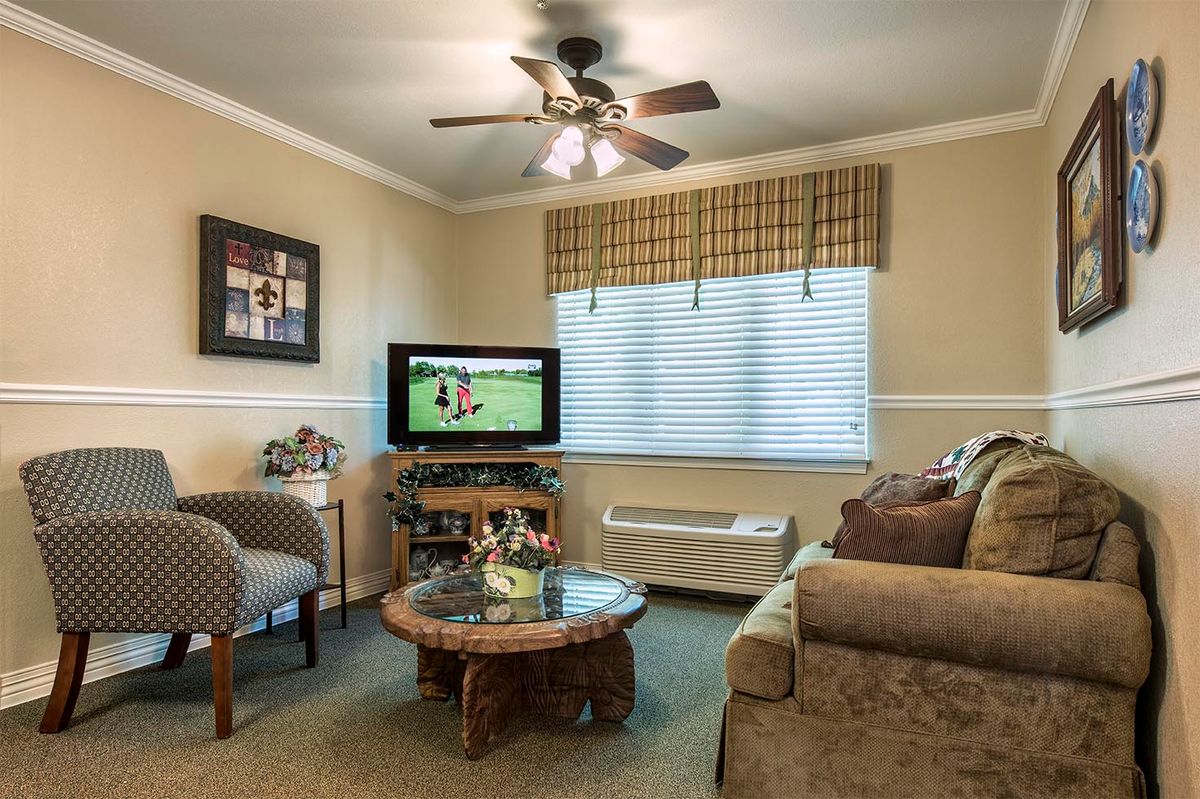
  • Cable or satellite TV Cable or satellite TVCable or satellite TV is important for seniors because it provides entertainment, news, and companionship, helping to combat loneliness and boredom. It also offers a wide range of programming options tailored to different interests and preferences.
  • Fully furnished Fully furnishedFully furnished senior living communities are important for seniors because they provide convenience, comfort, and a hassle-free moving experience. Seniors can easily settle into their new living space without the stress of having to buy and move furniture. This allows them to focus on enjoying their new home and community.
  • Garden GardenGardens are important for seniors as they provide a peaceful and therapeutic environment for relaxation, physical activity, and socialization. Being in nature has been shown to reduce stress, improve mood, and promote overall well-being. Gardens also offer opportunities for seniors to engage in gardening activities, which can improve mobility, flexibility, and cognitive function. Additionally, gardens create a sense of community and connection with others who share a passion for plants and outdoor spaces.
  • Housekeeping services Housekeeping servicesHousekeeping services are important for seniors because they help maintain a clean and safe living environment, promote independence, and reduce the risk of accidents or illnesses. Additionally, having assistance with household chores can alleviate physical strain and allow seniors to focus on other aspects of their well-being.
  • Move-in coordination Move-in coordinationMove-in coordination is important for seniors because it helps ease the transition into their new living environment. It ensures that all logistics, such as packing, organizing movers, and setting up utilities are taken care of, allowing seniors to focus on settling in and adjusting to their new home. Having a smooth move-in process can alleviate stress and anxiety, making the transition smoother and more enjoyable for seniors.
  • Outdoor space Outdoor spaceOutdoor spaces are important for seniors as they provide opportunities for physical activity, social interaction, exposure to natural light and fresh air, and a sense of connection to nature. Having access to outdoor spaces can improve overall well-being and quality of life for older adults living in senior communities.
  • Private bathrooms Private bathroomsPrivate bathrooms are important for seniors in senior living communities because they provide independence, dignity, and comfort. Having a private bathroom allows seniors to maintain their personal hygiene routines without the need for assistance, promoting a sense of autonomy and privacy. Additionally, private bathrooms help prevent the spread of infections and provide a safe and clean environment for seniors to navigate safely.

Transportation

  • Columbia Regional (15 miles away) Columbia Regional (15 miles away)
  • Transportation arrangement Transportation arrangementTransportation arrangements are crucial for seniors as they may face challenges with driving, mobility, or access to public transportation. Having reliable transportation services ensures that seniors can easily attend appointments, social activities, and maintain their independence and quality of life.
  • Transportation arrangement (non-medical) Transportation arrangement (non-medical)Transportation arrangements are essential for seniors as they provide access to essential services, activities, and social interactions outside the home. This service helps maintain independence, mobility, and overall well-being for seniors who may have limited transportation options.

Care Services

  • 24-hour call system 24-hour call system24-hour call systems are important for seniors because they provide peace of mind and immediate assistance in case of emergencies. This technology ensures that help is always available, promoting safety and security for elderly individuals living alone or in assisted living facilities.
  • 24-hour supervision 24-hour supervision24-hour supervision is important for seniors to ensure their safety, well-being, and access to immediate assistance in case of emergencies or health issues. This constant support provides peace of mind for both seniors and their loved ones, allowing them to age in place with dignity and security.
  • Activities of daily living assistance Activities of daily living assistanceActivities of daily living assistance are important for seniors because they provide essential support with tasks such as eating, bathing, dressing, and mobility. This assistance helps seniors maintain their independence, dignity, and overall quality of life as they age.
  • Assistance with bathing Assistance with bathingAssistance with bathing is crucial for seniors as it helps maintain personal hygiene, prevents infections, and ensures their overall well-being and comfort. It also provides a sense of dignity and independence for seniors who may struggle with this task on their own.
  • Assistance with dressing Assistance with dressingAssistance with dressing is important for seniors because it helps maintain their independence, promotes personal hygiene, prevents accidents and injuries, and improves overall quality of life. This service ensures that seniors can continue to dress comfortably and confidently, despite any physical limitations they may have.
  • Assistance with transfers Assistance with transfersAssistance with transfers is crucial for seniors as it helps prevent falls and injuries, maintains their independence, and ensures they can safely navigate their living environment. It also provides peace of mind for both seniors and their loved ones.
  • Diabetes diet Diabetes dietA diabetes diet is crucial for seniors as it helps manage blood sugar levels, reduce risks of complications, and improve overall health and well-being. By following a balanced and nutritious diet tailored to their specific needs, seniors can better control their diabetes and enhance their quality of life.
  • Meal preparation and service Meal preparation and serviceMeal preparation and service are crucial for seniors as they may have limited mobility or energy to cook nutritious meals. Having access to healthy and convenient food options can ensure they are getting the proper nutrition needed to maintain their overall health and well-being.
  • Medication management Medication managementMedication management is crucial for seniors to ensure they are taking the right medications at the correct dosages and times. This helps prevent adverse drug interactions, reduces the risk of medication errors, and promotes overall health and well-being. Proactive management also allows for adjustments as needed based on changing health conditions or new prescriptions.
  • Special dietary restrictions Special dietary restrictionsSpecial dietary restrictions are important for seniors because age-related changes in metabolism and health conditions can make it difficult for their bodies to process certain foods. By following a diet tailored to their specific needs, seniors can maintain their overall health and well-being, manage chronic conditions, and reduce the risk of complications such as malnutrition or food interactions with medications.
Dining

  • Diabetes diet Diabetes dietA diabetes diet is crucial for seniors as it helps manage blood sugar levels, reduce risks of complications, and improve overall health and well-being. By following a balanced and nutritious diet tailored to their specific needs, seniors can better control their diabetes and enhance their quality of life.
  • Special dietary restrictions Special dietary restrictionsSpecial dietary restrictions are important for seniors because age-related changes in metabolism and health conditions can make it difficult for their bodies to process certain foods. By following a diet tailored to their specific needs, seniors can maintain their overall health and well-being, manage chronic conditions, and reduce the risk of complications such as malnutrition or food interactions with medications.

Activities

  • Community-sponsored activities Community-sponsored activitiesCommunity-sponsored activities are important for seniors as they provide opportunities for social interaction, mental stimulation, and physical activity. These activities can help improve overall well-being, combat loneliness and isolation, and promote a sense of belonging and purpose among older adults.
  • Scheduled daily activities Scheduled daily activitiesScheduled daily activities are important for seniors because they provide structure, socialization, mental stimulation, and physical activity. Engaging in regular activities can improve overall well-being and quality of life for seniors living in a community setting.

Description

Fulton Presbyterian Manor in Fulton, MO is a vibrant assisted living community offering a range of care options including Continuing Care Retirement Community (CCRC), Independent Living, Respite Care, and Skilled Nursing Facility services.

Residents at Fulton Presbyterian Manor enjoy a variety of amenities designed to enhance their comfort and convenience. Each unit comes fully furnished and includes cable or satellite TV for entertainment. The community also features beautiful gardens and outdoor spaces for residents to relax and enjoy nature. Housekeeping services are provided to ensure a clean and tidy living environment. Additionally, move-in coordination is available to assist new residents with the transition process.

The care services provided at Fulton Presbyterian Manor are comprehensive and personalized. Residents receive 24-hour supervision along with assistance with activities of daily living such as bathing, dressing, and transfers. The dedicated staff also offers medication management to ensure that residents stay on track with their prescribed medications. Special dietary restrictions can be accommodated, including diabetes diets, ensuring that residents maintain a healthy lifestyle. Transportation arrangements for non-medical purposes are made readily available, allowing residents to easily access nearby amenities and services.

Dining at Fulton Presbyterian Manor is a delightful experience with special attention given to catering to individual dietary needs. Nutritious meals are prepared and served according to each resident's specific requirements.

Engaging in daily activities is an integral part of life at Fulton Presbyterian Manor. Scheduled activities are organized to promote physical fitness, social interaction, mental stimulation, and overall well-being.

Located in the heart of Fulton, MO, this assisted living community enjoys close proximity to various parks, pharmacies, physicians' offices, restaurants, places of worship, theaters, and hospitals. This ensures that residents have convenient access to essential services while remaining connected to the local community.

At Fulton Presbyterian Manor, seniors can expect compassionate care in a warm and welcoming environment that supports their independence while meeting their individual needs.

Nearby Places of Interest

This part of Fulton, Missouri offers a variety of amenities and services that cater to seniors looking to settle in a convenient and comfortable neighborhood. There are several restaurants within walking distance, providing easy access to different cuisines. Places of worship are also nearby for spiritual fulfillment. Residents can easily find medical care with physicians and pharmacies close by, including eye care specialists. Transportation options are available for those who need to get around town or travel further distances. The area also features parks for leisurely walks and outdoor activities. For healthcare needs, there are hospitals in the vicinity offering quality medical services. Lastly, entertainment options include a cinema nearby for enjoying movies. Overall, this part of Fulton provides a well-rounded community for seniors seeking a vibrant yet peaceful place to call home.

Restaurants

  • Little Caesars Pizza (0.1 miles)
  • China Palace (0.3 miles)
  • Beks (0.3 miles)
  • Brooklyn Pizza (0.3 miles)
  • Tap Room (0.3 miles)
  • Fontenot's Po'Boys (0.3 miles)
  • Ms Kim's Fish and Chicken Shack (0.3 miles)

Places of Worship

  • Court Street United Methodist Church (0.2 miles)
  • First Presbyterian Church (0.2 miles)
  • First Baptist Church (0.2 miles)
  • Community Of Christ Church (0.2 miles)
  • Calvary Baptist Church (0.2 miles)
  • Truth For Mormons (0.3 miles)
  • United Pentecostal Church (0.5 miles)

Physicians

  • VisionArts Eyecare Center (0.2 miles)
  • International Eyecare Center (1 miles)
  • Fulton Medical Clinic (1.1 miles)
  • Callaway Physicians (1.1 miles)
  • Fulton Family Health Associates (2.1 miles)
  • Faith Medical (9.3 miles)
  • Holts Summit Family Health Center (16.1 miles)

Pharmacies

  • Red Cross Pharmacy (0.2 miles)
  • CVS Pharmacy (0.2 miles)
  • Saults Drug Store (0.3 miles)
  • Walgreens (0.6 miles)
  • Walmart Pharmacy (0.8 miles)
  • Holts Summit Pharmacy (16.3 miles)
  • SSM Health Pharmacy (16.5 miles)

Transportation

  • Fulton Taxi (0.3 miles)
  • Tiger Taxi (0.9 miles)
  • U-Haul (1.7 miles)
  • U-Haul Neighborhood Dealer (1.8 miles)
  • Hogan Truck Leasing (1.8 miles)
  • Budget Rent A Car (2.2 miles)
  • Columbia Regional Airport (COU) (14.9 miles)

Parks

  • Memorial Park (0.5 miles)
  • Veteran's Park (0.6 miles)
  • Hockaday Hill Park (0.7 miles)
  • Hibernia Station Park (16.8 miles)
  • Eastport Park (17.7 miles)

Hospitals

  • Fulton State Hospital (0.6 miles)
  • Fulton State Hospital (0.9 miles)
  • Fulton State Hospital (0.9 miles)
  • Callaway Community Hospital (1.2 miles)
  • Mu Battle Ave Clinic (17.2 miles)
  • Columbia Endoscopy Center (19.6 miles)
  • Missouri Health Connection (19.7 miles)

Theaters

  • B&B Fulton Cinema 8 (1.6 miles)
  • Columbia STM 14 & RPX (19.6 miles)

Frequently Asked Questions

Where is Fulton Presbyterian Manor?
What photos are available for Fulton Presbyterian Manor in Fulton, Missouri?

Nearby Communities

  • Kingdom Care Senior Living

    Kingdom Care Senior Living

    Fulton, MO

    4.7 from 9 reviews
    $2,204 to $3,223 / month

    pro Caring staff, clean facility, and strong family communication with on-site dining and activities.

  • Bridgeway Residential Care Facility

    Bridgeway Residential Care Facility

    Fulton, MO

    3.1 from 8 reviews
     

    pro Dedicated staff delivering attentive, personalized care.

  • Fulton Nursing & Rehab

    Fulton Nursing & Rehab

    Fulton, MO


    pro 24/7 skilled nursing with diabetes care and on-site amenities.

  • Fulton Community Care

    Fulton Community Care

    Fulton, MO


    pro Excellent access to healthcare and nearby amenities.

  • Churchill Terrace

    Churchill Terrace

    Fulton, MO

    4.9 from 8 reviews
    $2,940 to $4,710 / month

    pro Highly personalized, attentive care in a small, family-like setting.

  • Ashbury Heights of Fulton

    Ashbury Heights of Fulton

    Fulton, MO

    3.6 from 7 reviews
    $2,175 to $3,175 / month

    pro Caring staff and a clean facility with diabetes-friendly dining.

  • Bristol Manor Of Fulton

    Bristol Manor Of Fulton

    Fulton, MO

    3.4 from 5 reviews
    $1,970 to $2,970 / month

    pro Kind and attentive staff; reasonable pricing

  • The Arbors at Bluff Creek Terrace

    The Arbors at Bluff Creek Terrace

    Columbia, MO

    2.3 from 3 reviews
    $3,750 to $4,500 / month

    pro Friendly staff and helpful in transitions.

  • Solstice Senior Living at Columbia

    Solstice Senior Living at Columbia

    Columbia, MO

    4.4 from 166 reviews
    $1,895 to $2,995 / month

    pro Flexible care options with a bright, active community and attentive staff.

Related Resources

  • assisted living vs nursing homeChoosing the Right Senior Care: A Detailed Exploration of Assisted Living and Nursing Homes

    Choosing between assisted living and nursing homes involves evaluating emotional and financial factors, with assisted living offering independence and support for daily activities at a lower cost, while nursing homes provide intensive medical care for individuals with significant health needs. The decision is influenced by personal preferences, health status, cognitive function, and varying Medicaid coverage across states.

  • assisted living costUnderstanding the True Cost of Assisted Living in 2025: A Comprehensive Guide

    Assisted living in 2025 offers a crucial balance of independence and support for seniors, with costs varying from $2,500 to over $7,000 per month based on factors such as location and care level. Understanding pricing complexities, including regional differences and potential hidden fees, is essential for families to plan financially while ensuring quality care for their loved ones.

  • does medicaid pay for assisted livingUnderstanding Medicaid Coverage for Assisted Living: A Comprehensive Guide
    The guide outlines the complexities of Medicaid coverage for assisted living, highlighting significant state-to-state variations, limited coverage often restricted to personal care services, and the existence of specialized waivers for certain needs like memory care. It advises families to consult local Medicaid offices for options while emphasizing the importance of understanding state-specific regulations and facility policies.