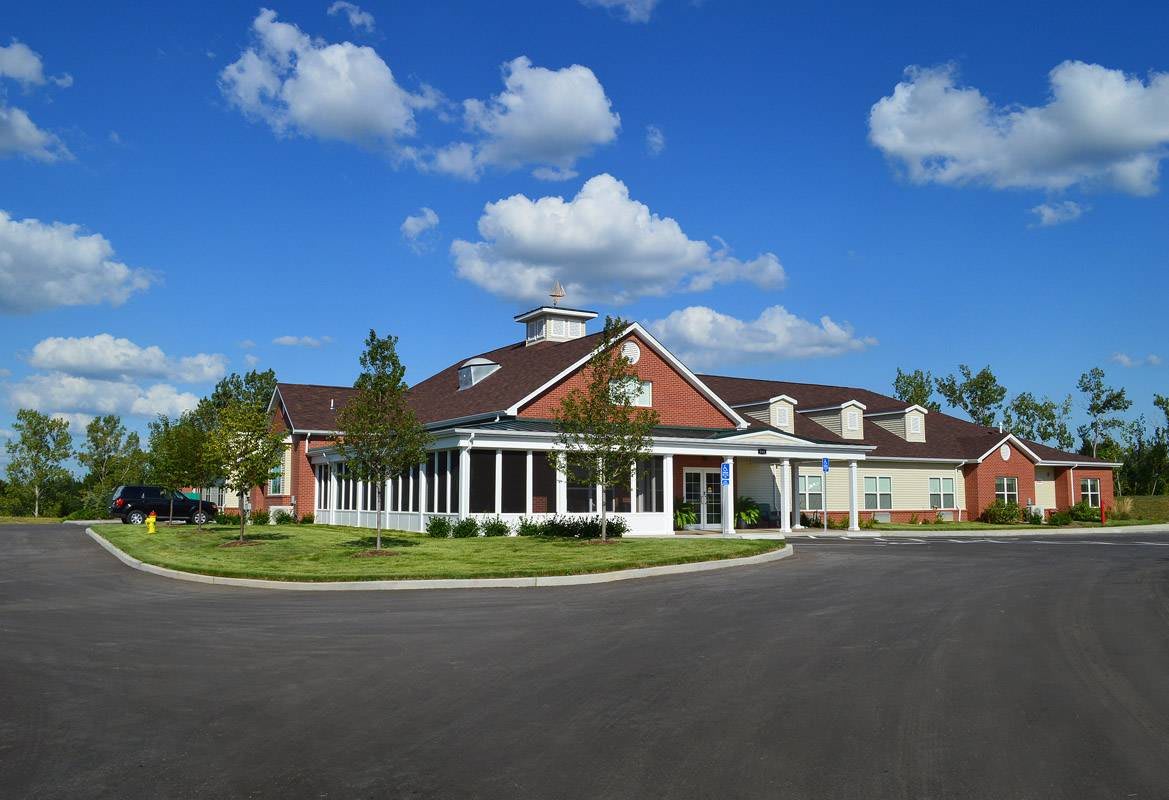
100 Woodlands Ct, Arnold, MO 63010
To contact a resident: (636) 296-1400
For more information about senior living options: (866) 208-4318

Meadowview Assisted Living at the Woodlands Costs & Pricing
Meadowview Assisted Living at the Woodlands offers a range of accommodation options with pricing that reflects its quality care and services. For a semi-private room, residents can expect to pay $3,900 per month, which is slightly higher than the average cost of $3,533 in Jefferson County, Missouri, and above the state average of $3,772. The studio option is priced at $4,200 per month; again, this exceeds both county and state averages, which stand at $3,516 and $3,418 respectively. While these costs may be above local benchmarks, they likely represent the enhanced amenities and personalized care available at Meadowview Assisted Living.
| Floor plans | Meadowview Assisted Living at the Woodlands | Jefferson County | Missouri |
|---|---|---|---|
| Semi-Private | $3,900 | $3,533 | $3,772 |
| Studio | $4,200 | $3,516 | $3,418 |
Assisted Living communities with a similar price nearby
-
from -$370 / mo

Brentmoor
$3,530 to $4,990 / month16.2 miles away -
About the same

Garden Place Columbia
$3,995 to $5,095 / month9.3 miles away -
from -$150 / mo
Cedarhurst of Waterloo
$3,750 to $6,500 / month15.4 miles away -
from -$605 / mo

Brookdale Creve Coeur
$3,295 to $5,775 / month17.2 miles away -
from -$200 / mo

Clarendale Clayton
$3,700 to $7,700 / month14.9 miles away
Overall Review of Meadowview Assisted Living at the Woodlands
Pros
 Meadowview Memory Care has a friendly environment and caring staff.
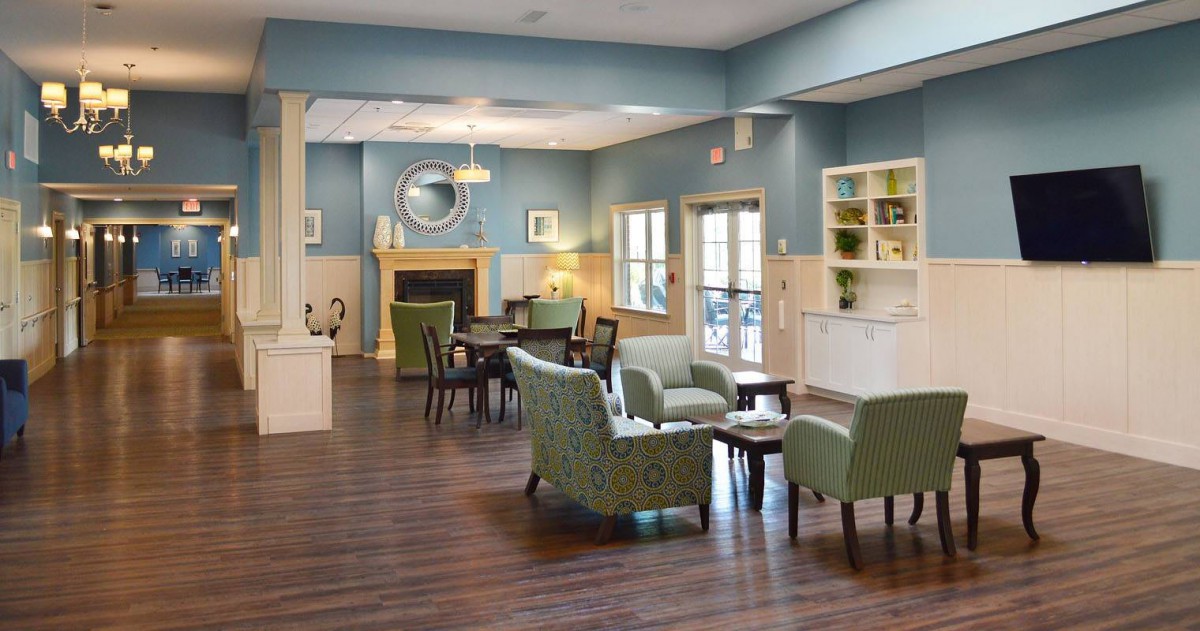
- Meadowview Memory Care features a nice layout that lets residents dine together in the great room, watch TV, or participate in activities.
- Mom is content and loved by everyone.
- The food is good and therapy helps residents regain walking.
- The staff are competent, caring, and compassionate.
- The social worker and activities department are great.
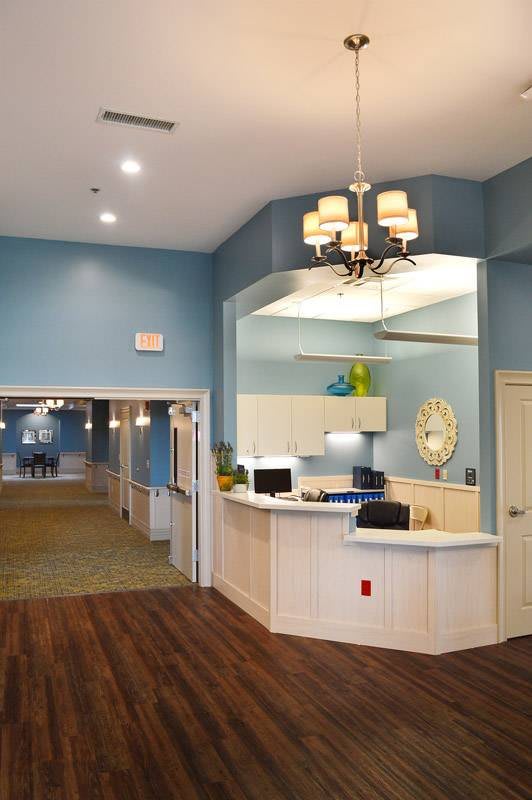
- The facility is beautifully kept with a great atmosphere and is clean and well cared for.
- They have done a good job with Covid-19 and are responsive to family needs.
- Woodland Manor is highly recommended for its patient, quick-to-respond CNAs and nurses and its well-kept facilities.
Cons
 They advertise that they provide music therapy but they don’t.
- They claim to provide transportation for appointments or outings, but they don’t do that either.
- They no longer do any activities, so residents just sit around with nothing to do.
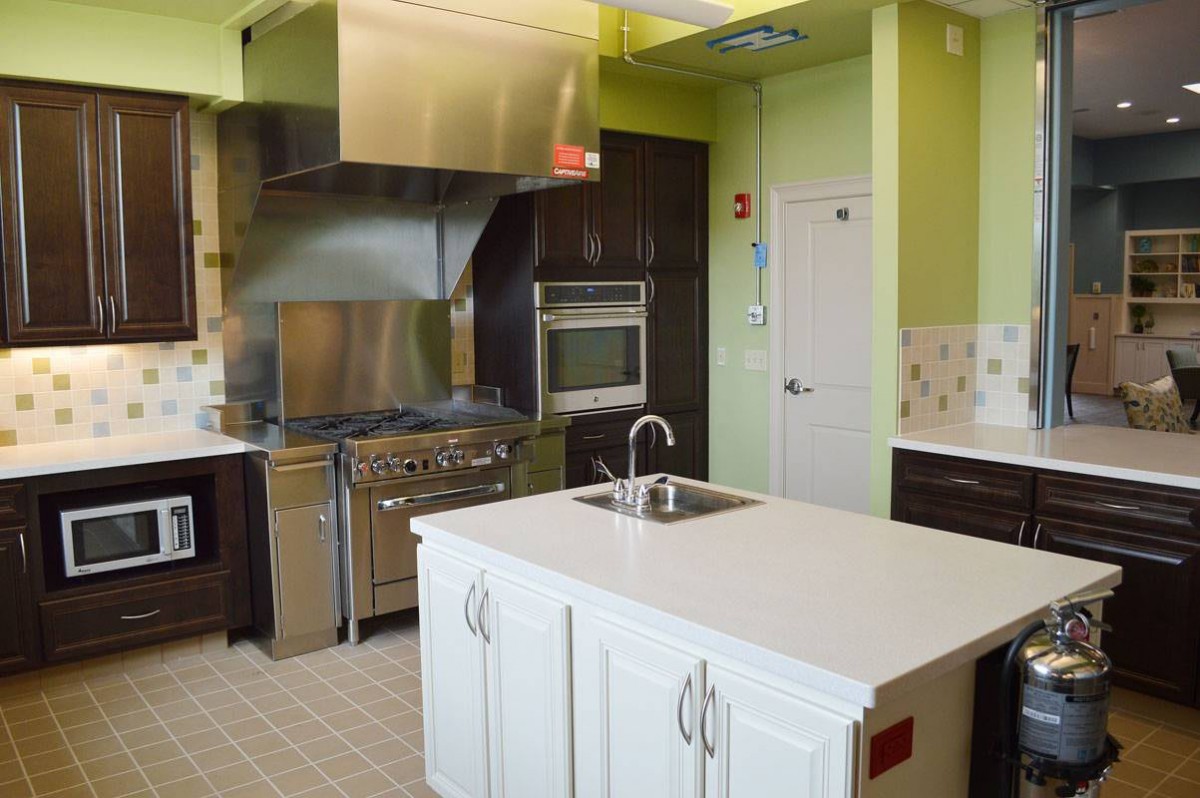
- They don’t always have somebody on duty to prepare meals, so the food comes from another location late and cold.
- They’ve witnessed residents who couldn’t feed themselves and the staff didn’t bother to help them.
- A resident was left at the dining room table who fell asleep with her face in the food on her plate.
- When addressed, the staff cleaned the resident’s face and scolded her for falling asleep at the table.
- Most of the staff doesn’t care about the job or the residents; they just want a paycheck.
- They are short-staffed.
- They did not notify the family when he fell and had bruises on his back and buttocks.
- Some aids are better than others.
- One reviewer warned that the facility is only suitable for those who are comfortable with old residents.
Review
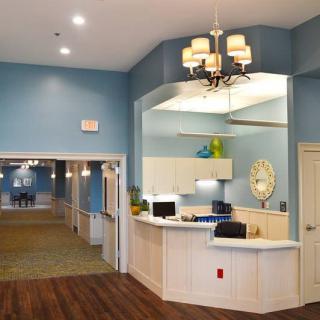
Meadowview Assisted Living at the Woodlands in Arnold, Missouri, is best suited for families seeking a warm, caregiver-forward environment where daily life centers on hands-on assistance, steady nursing oversight, and access to rehabilitation services. The community earns trust through a friendly, home-like atmosphere and staff who are repeatedly described as compassionate and attentive. Those who require robust, on-site transportation, a wide array of structured activities, or intensive memory-care programming should consider alternatives. The reviews reveal a clear dichotomy: residents receive genuine kindness and steady care, but programming, staffing consistency, and certain operational gaps can undermine the experience for some needs.
The strongest positives center on the human side of care: a welcoming environment, staff who are perceived as caring and capable, and a culture that treats residents like family. Families consistently praise the warmth of the team, the cleanliness and upkeep of the facility, and the presence of nurses and therapists who engage with residents in meaningful ways. Therapy, in particular, emerges as a standout, helpful efforts to restore mobility and communication can translate into real quality-of-life gains. When care is aligned with family communication, the tone is reassuring, and the overall atmosphere feels steady and respectful.
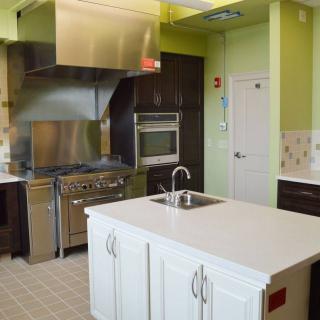
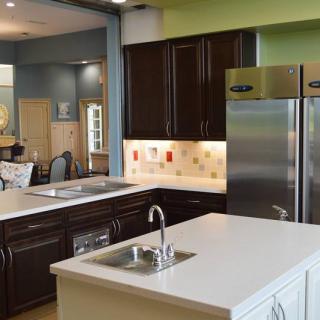
Yet, the strongest appeal is tempered by notable operational gaps. Short-staffing appears repeatedly as a friction point, with reports of uneven aide performance and delayed assistance in daily routines. Safety concerns surface in a few anecdotes, instances where residents were not promptly assisted, or where bruising went uncommunicated, raising legitimate questions about oversight and response times during busy shifts. Meal service also flags issues: meals sometimes arrive late and cold, with insufficient on-site preparation capacity to consistently meet demand. In the memory-care context, activities and engagement can be limited, diminishing stimulation for residents who require more dynamic programming.
These cons do not erase the clear strengths, but they do determine where Meadowview truly shines versus where families should push for stronger assurances. For rehab-focused outcomes, strong therapy teams, a clean environment, and reliable family communication can offset many day-to-day irritants, delivering tangible progress and a confident level of daily support. However, persistent staffing gaps and safety-related concerns blunt the advantages, particularly for residents with higher care needs or those who rely on predictable programming and constant monitoring. In memory-care scenarios, the lack of robust activities and dependable on-site transportation becomes a decisive flaw that other communities may better address.
Practical due-diligence can tilt the decision toward confidence rather than concern. Prospective families should request a current staffing schedule, ask for evidence of nurse call responsiveness, and review the latest incident logs related to resident safety. A thorough tour should include a close look at the activity calendar, opportunities for resident engagement, and a sense of how therapy and rehabilitation integrate with daily living. Inquire about meal timing, kitchen protocols, and whether transport or outings are reliably available. Speak with several residents and families about consistency of care, and specifically question how staff respond to emergencies or sudden needs. If memory-care programming is essential, verify that wing’s activity offerings, staff-to-resident ratios, and transport options meet expectations.
In sum, Meadowview is a solid choice for families who prize a compassionate, home-like environment with proven rehabilitative support and strong on-site nursing. It delivers meaningful benefits where personal attention, cleanliness, and therapeutic progress count most. For those who require highly structured activity programming, dependable on-site transportation, or robust memory-care engagement, alternatives should be explored to avoid gaps that could compromise daily life and safety. A careful, pointed due-diligence process will reveal whether Meadowview’s strengths align with the elder’s specific care trajectory and lifestyle priorities, or whether another community would better meet the threshold of activity, safety, and consistent staffing.
 Studio apartments
 Assisted Living
 Activities off-site
 Air-conditioning
 Beautician on-site
 Cable or satellite TV
 Devotional services off-site
 Dining room
 Fireplaces
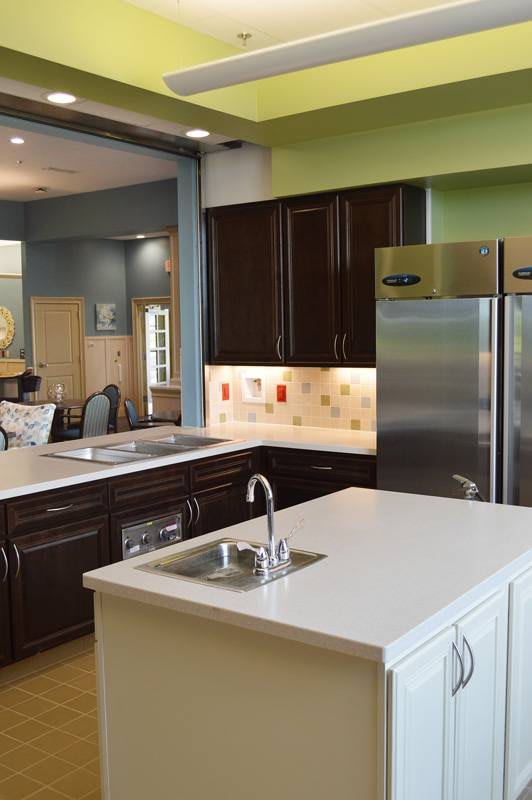
 Full kitchen
 Garden
 Ground floor units
 Housekeeping services
 Indoor common areas
 Outdoor common areas
 Respite or short term stays offered
 Security gate
 Wheelchair accessible showers
 Wi-Fi/high-speed internet available
 Lambert-St Louis International (22 miles away)
 Transportation & parking
 Ambulatory care
 Diabetic care
 Incontinence care
 Medication management
 Meals provided
 BBQs or picnics
 Day trips and outings





 Social Security Benefits and Assisted Living: Navigating Options Across the U.S.
 An Extensive Exploration of the VA Aid and Attendance Benefit
 Senior Transition Services: Understanding Their Role, Cost, and Importance