

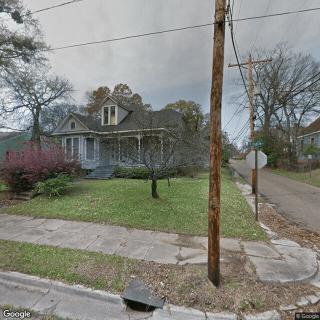
311 Highland Blvd, Natchez, MS 39120
To contact a resident: (601) 446-5097
For more information about senior living options: (866) 208-4318
Overall Review of Magnolia Village
Pros
 Wonderful care is provided here.
Cons
 Lisa Welch kept the reviewer’s father hostage, drugged, and threatened to call the police when the reviewer took him away from this horrible place.
- The ALZ wing is very depressing.
- The ALZ wing needs modernization.
Review
Magnolia Village in Natchez, MS is best suited for families seeking a small, local care option where kindness can surface in daily routines but where facility modernization and dementia-specific safety demand close attention. The community can work for seniors who need regular assistance and supervision within a familiar, home-like setting, and for families who can supplement care with outside services and vigilant oversight. It is not the first choice for those requiring robust, high-level memory-care services or a campus with modern, purpose-built dementia units. For memory-care heavy needs or families prioritizing sleek, updated spaces and stringent governance, alternatives in Natchez or nearby towns should be weighed carefully. Those who can tolerate variability in experience but insist on ongoing oversight will find Magnolia Village more viable than many budget options, yet not without notable caveats.
On the positive side, care can feel genuine and responsive when staff are on shift. Several families describe moments of attentive, compassionate interaction and acknowledge that some caregivers bring warmth and steadiness to daily routines. The sentiment “wonderful care is provided here” surfaces in multiple accounts, signaling that, in certain shifts or with certain aides, residents experience meaningful, person-centered attention. Yet these endorsements sit alongside mixed experiences; consistency varies and the overall impression is that quality hinges on particular staff members and times rather than a uniform standard across the board. Families should expect to see caring intent, tempered by the realities of staffing realities that can produce uneven outcomes.
The most troubling element in the narratives is a serious allegation regarding staff conduct. One reviewer claims a staff member, identified in the account as Lisa Welch, held the reviewer’s father hostage, drugged him, and threatened to call police when the parent was removed from the facility. Such allegations, if accurate, represent a grave safety and governance failure. While this is a single account, it demands a rigorous response: prospective families should demand transparent incident reporting, clear safeguarding protocols, independent audits, and visible evidence of accountability. Until the facility demonstrates robust, verifiable safeguards, this kind of claim cast a long shadow over overall trust and reliability.
The ALZ wing, described as depressing and in need of modernization, further weakens Magnolia Village’s appeal for dementia care. An environment that feels dark or dated can aggravate mood and agitation in memory-impaired residents, undermining even the best daily care. This is not just a cosmetic concern; it translates into resident satisfaction, participation in activities, and overall quality of life. For families evaluating memory care, this particular space signals that the unit may suit residents who require minimal specialized equipment and constant supervision but not those who demand a bright, engaging, well-lit, and safely upgraded dementia-focused setting. Until upgrades occur, the wing will likely continue to dampen overall impressions for many.
Overall, Magnolia Village presents a cautious value proposition: genuine warmth in some caregiving interactions and a supportive, homey feel can meet certain low- to mid-level care needs for families who can stay actively involved. However, safety concerns raised by serious allegations, combined with an outdated memory-care environment, tilt the balance toward a careful, guarded approach. Prospective residents with significant memory-care needs or those requiring seamless, consistently excellent oversight should seriously compare other options where dementia-specific programming, safety governance, and modern amenities are more clearly demonstrated. For those who proceed, a disciplined due-diligence process, detailed incident histories, staff training verification, governance transparency, and candid conversations with current residents, will determine whether Magnolia Village can be trusted to deliver steady, compassionate care.
In deciding, families should schedule a thorough tour with a prepared checklist: ask for room-by-room observations of the ALZ wing, review maintenance or safety upgrades, and request a copy of the most recent state inspection results. Speak with several frontline caregivers and supervisors about daily routines, activity offerings, meal quality, and supervision levels. Request the facility’s plan for modernization, including timelines and budget allocations, and probe how any past incident was addressed and prevented in the future. Compare monthly fees, move-in costs, and what services are included versus add-ons. If memory care safety, modern dementia programming, and transparent governance are non-negotiable, Magnolia Village may be left as a possible option only for very specific, closely monitored needs; otherwise, stronger choices with clearer safety records and updated facilities will better align with families’ expectations and peace of mind.
 1-bedroom apartments
 Assisted Living
 Activities on-site
 Devotional services off-site
 Dining room
 Financial aid
 Indoor common areas
 Ambulatory care
 Diabetic care
 Meal preparation and service
 English



 Senior Transition Services: Understanding Their Role, Cost, and Importance
 Exploring the Path to Senior Living: A Comprehensive Look at Independent Living and Assisted Living
 Is Assisted Living Deductible on Your Taxes? Understanding the Complexities of Assisted Living Expenses and Deductions