
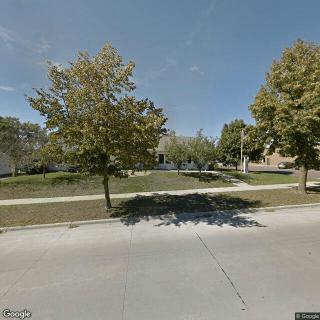
725 Fuller Drive, Windom, MN 56101
For more information about senior living options: (866) 208-4318
Overall Review of Mikkelsen Manor Assisted Livin
Pros
 Mikkelsen Manor is a beautiful, clean place to live with attentive staff and amazing food.
- The Mikkelsen Manor team truly cares about their residents and creates a warm, family-like atmosphere that brings peace of mind.
- Residents receive good care with independence in a very nice apartment and helpful support for laundry, meals, and medical needs, plus opportunities to socialize.
- The staff are wonderful and make residents feel at home.
- The location is convenient and the facility is bright and airy, with many spaces for residents to sit and a four-season patio that feels welcoming.
- The team is personable and caring, almost like an extension of a family.
Cons
 She was apprehensive at first.
Review
Mikkelsen Manor Assisted Living in Windom, Minnesota is best suited for seniors who want a warm, intimate setting where staff know residents by name, and where independence is preserved in a well-appointed apartment. It suits families seeking proximity to loved ones in a small-town environment, with a living experience that feels like a welcoming home rather than a clinical campus. Residents benefit from a clean, attractive setting, consistent quality meals, and a daily rhythm that emphasizes personal attention and comfort. The combination of a bright, well-maintained physical space and staff that cultivates a family-like atmosphere makes this community particularly appealing to those who value dignity, personal rapport, and straightforward day-to-day support.
Those who may want to consider alternatives are those whose needs include heavy, round-the-clock medical oversight, secure memory-care supervision, or access to a wider roster of on-site specialists and rehabilitation services. In a smaller Windom setting, the depth of medical resources and the breadth of campus-wide programming may not rival larger facilities, which can matter for residents with complex health conditions or dementia requiring secure, specialized environments. For families prioritizing extensive hospital partnerships, expansive therapy options, or a bustling, resource-rich community, it is prudent to compare options beyond this intimate setting. The decision hinges on finding the right balance between personal connection and medical density.
The strongest pros center on people and place. Staff are repeatedly described as genuinely caring, attentive, and dependable, an unmistakable advantage in keeping residents engaged, comfortable, and at ease. The environment itself reinforces this: a very nice apartment layout supports independence, while practical help with laundry, meals, and medicine ensures that daily tasks do not become burdens. Social connectivity is a clear strength as well, with ample opportunities for conversation and interaction that prevent isolation. The four-season patio and abundant common areas give residents places to gather, relax, or simply enjoy the light, the kind of atmosphere that makes daily life feel approachable rather than transactional. Add to that the sense of security that comes from a small, closely watched community near family, and the value of these pros becomes even more pronounced.
How the pros offset any potential drawbacks is evident in the lived experience described by families. A potential limitation of a smaller community is the relative breadth of on-site medical services and specialty programming, yet the staff’s almost familial responsiveness tends to fill those gaps. The result is a care model that prioritizes timely, personalized attention over formal breadth of services. Residents retain meaningful independence in well-maintained, comfortable apartments while receiving practical assistance when needed. That combination, dignified autonomy paired with a responsive care team, reduces friction around daily needs and fosters a reassuring sense of belonging, which can offset any perception that the campus lacks the scale of larger competitors.
Practical considerations for families planning a move emphasize flexibility and clarity. The facility advertises varying levels of assistance, which is a meaningful signal that care can scale as the resident’s needs evolve. Prospective residents should have frank conversations about what is included in ongoing pricing, how care levels can be adjusted, and what transitions look like if extra support becomes necessary. Visitation and onboarding are described as welcoming and informative, with staff who take the time to help families visualize life in the community. In short, the practical structure supports a thoughtful downsizing process, reducing anxiety about the move and ensuring that expectations align with daily realities.
The bottom-line recommendation is straightforward: Mikkelsen Manor is a strong, practical choice for families seeking a warm, hands-on, people-first living environment in Windom. It excels at delivering cleanliness, good meals, accessible assistance, and meaningful social opportunities within a compact, home-like setting. This is not a campus built around spectacle; it is a community built around relationships, respect, and reliable day-to-day support. Prospective residents who prioritize a high-touch, intimate atmosphere, where staff know their preferences, routines, and stories, will likely feel at home quickly. Those who require heavy medical oversight, memory-care security, or a broader service menu should deliberately assess whether the available resources meet longer-term needs, and consider nearby options that offer greater medical breadth. With clear expectations, a tour, and conversations about care planning, Mikkelsen Manor can represent a practical, dignified stepping stone to comfortable aging in place.
 21 resident community capacity
 1-bedroom apartments
 Condos / townhomes
 Assisted Living
 Skilled Nursing Facility
 Beautician on-site
 Cable or satellite TV
 Dining room
 Financial aid
 Full kitchen
 Fully furnished
 Garden
 Guest parking
 Hiking trails
 Housekeeping services
 Laundry
 Move-in coordination
 Outdoor space
 Overnight guests
 Telephone
 Wi-Fi/high-speed internet available
 Transportation & parking
 24-hour call system
 Activities of daily living assistance
 Assistance with bathing
 Assistance with dressing
 Assistance with transfers
 Diabetes diet
 Meal preparation and service
 Medication management
 Mental wellness program
 Physical therapy
 Special dietary restrictions
 Transportation arrangement (medical)
 Fitness programs
 Religious services
 English

 Understanding the True Cost of Assisted Living in 2025: A Comprehensive Guide
 Understanding Medicaid Coverage for Assisted Living: A Comprehensive Guide
 How and When Medicaid May Cover Assisted Living Costs