

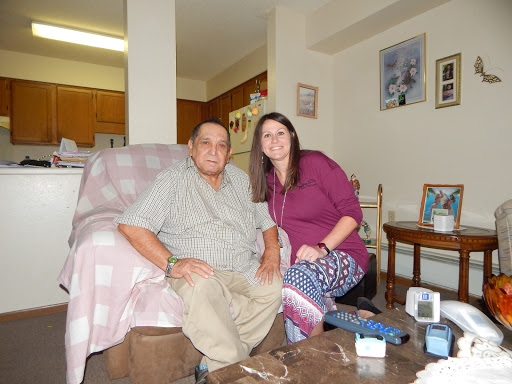
322 2Nd Street Sw, Willmar, MN 56201
For more information about senior living options: (866) 208-4318
Overall Review of Divine Home Care IV
Pros
 "Divine Homecare is a family oriented business which truly cares for their clients."
- "They are the most loving and caring people I have ever met."
- "They are flexible and truly appreciate everything the employees do."
- "They are kind, caring, loving, and put the clients first."
- "They make sure everyone is comfortable with who they are and what they need as a client and as an employee."
Cons
 They do not live up to their motto of "home care with a heart."
- They heartlessly cancelled the client's home care because the client's needs were beyond their level of experience.
- They discharged the client without notice, without face-to-face discussion, and without assisting in finding an alternative.
- This left the family in a crisis situation.
Review
Divine Home Care IV in Willmar, Minnesota, is best suited for families seeking a genuinely family-operated in-home care option that prioritizes warmth, flexible scheduling, and personalized attention. The service targets seniors who need daily living assistance, companionship, and basic medical tasks but who prefer to stay in a home environment rather than move to an assisted living setting. A practical fit emerges for clients who value a caregiver team that treats clients like family and who appreciate the reassurance that comes from a close-knit, locally rooted operation. The agency’s identity as a family-oriented business translates into responsive communication and a visible commitment to the people they serve. For families prioritizing compatibility and emotional support, this provider often delivers outcomes that feel more humane than larger, more impersonal agencies. Still, the fit depends on the care plan staying within the scope of what the team can reliably manage, especially as needs evolve.
Those with high medical complexity or rapidly evolving needs may want to consider alternatives. The most common warning signs are care plans that require frequent nursing escalation, intensive monitoring, or rapid adjustments that outpace the agency’s capacity. In such cases, a larger home health organization or an assisted living option with more structured clinical oversight often offers the continuity and contingency planning that families rely on. For households where a reliable discharge policy and proactive crisis management are non-negotiable, Divine Home Care IV should be weighed against options with clear escalation protocols and guaranteed back-up coverage. Families should also consider whether ongoing needs include specialized medical tasks, medication management, or complex care coordination that exceed what a smaller, family-run team routinely handles.
The strongest positives center on genuine warmth and a client-first ethos. Reviewers describe caregivers as loving, flexible, and dedicated, with staff who genuinely appreciate what they do and who place the client’s comfort and preferences at the forefront. That human touch translates into strong rapport, easier scheduling, and a sense of security when routines are in flux. The family-owned framework also tends to yield more direct accountability and faster problem-solving than some larger agencies, contributing to smoother day-to-day experiences and a feeling that the client is truly seen. These advantages buffer minor misalignments in scheduling or routine and can produce high satisfaction when needs stay within a reasonable range, particularly for families seeking meaningful companionship and a homey atmosphere.
However, the most consequential red flag in the feedback is a crisis-style disruption: a client losing care with little warning and without help in locating alternatives. One account details a sudden discharge because the needs were beyond what the agency could safely support, delivered without notice or a face-to-face handoff. That kind of experience corrodes trust, creates real hardship for families in crisis, and highlights a potential gap in care continuity. Even with exceptional bedside manner and flexibility, an operation that cannot guarantee proactive discharge planning or seamless transitions risks leaving vulnerable clients exposed. A related concern is whether medical needs beyond basic daily living tasks are consistently managed by appropriately trained staff, which can undermine confidence when conditions change or complications arise.
For families whose loved ones present as stable, moderately dependent, and amenable to home-based care, Divine Home Care IV can be a terrific match, delivering meaningful companionship and dependable daily support in a familiar setting. The warm staff and adaptable approach often translate into better quality-of-life outcomes than more rigid arrangements, especially when schedules need to accommodate fluctuating routines or caregiver availability. Yet for anyone facing complex or unpredictable care trajectories, where escalation, medication management, or concomitant health issues are likely, the potential for abrupt discharges or inadequate crisis planning makes alternatives worth serious consideration. The offset between warmth and risk increases when care plans are clearly defined, supervision is explicit, and backup staffing is guaranteed; absent those guardrails, the advantages can be quickly undermined by the negatives.
When weighing a decision, families should insist on a detailed, written care plan with defined capabilities and limits, including what tasks are covered, how often, and who supervises clinical care. Request a clear discharge policy with timelines and guaranteed help in finding equivalent support if services must end. Probe for backup aides, on-call coverage, and whether a registered nurse supervises the team; seek references from families with similar needs to understand how transitions have been handled in practice. Verify transparency about scheduling and who will be the point person for changes, so expectations are aligned before any commitment. With those safeguards, Divine Home Care IV offers a compelling option for personalized, compassionate home care; without them, the risk of disruptive transitions makes it essential to compare with alternatives that provide stronger continuity and crisis management to ensure a seamless safety net for a loved one.
 21 resident community capacity
 Assisted Living
 Beauty salon
 Cable or satellite TV
 Dining room
 Fully furnished
 Garden
 Housekeeping services
 Kitchenette
 Move-in coordination
 Outdoor space
 Telephone
 Wi-Fi/high-speed internet available
 24-hour call system
 Activities of daily living assistance
 Assistance with bathing
 Assistance with dressing
 Assistance with transfers
 Diabetes diet
 Meal preparation and service
 Medication management
 Mental wellness program
 Special dietary restrictions
 Transportation arrangement (medical)
 Transportation to doctors appointments


 Funding and Affording Assisted Living: A Thorough Overview
 Assisted Living Expenses and Long-Term Care Insurance: A Comprehensive Exploration
 Securing Financial Support for Assisted Living: A Comprehensive Overview