
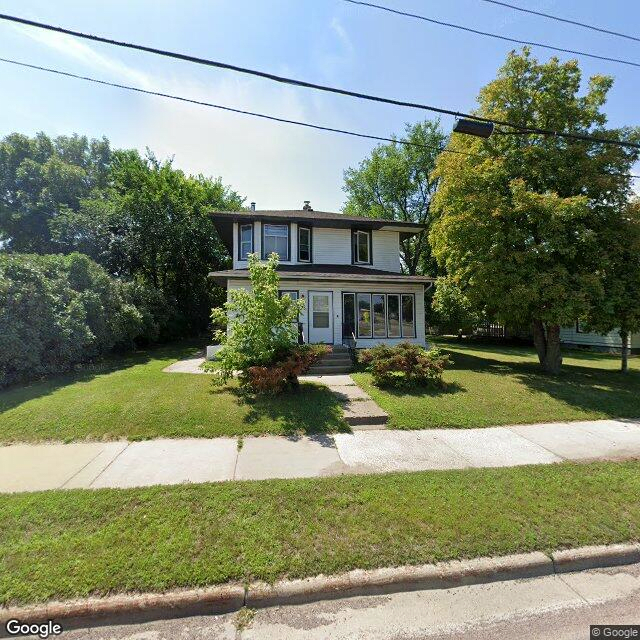
920 3rd St N, Waite Park, MN 56387
To contact a resident: (320) 259-0586
For more information about senior living options: (866) 208-4318
Brotts Boarding & Lodging Home Costs & Pricing
At Brotts Boarding & Lodging Home, the monthly cost for a private room is set at $4,000. This pricing positions it competitively within Stearns County, where the average cost for similar accommodations is approximately $3,605. In comparison to the broader state average in Minnesota, which stands at around $5,090 for private rooms, Brotts offers a balanced value that reflects both quality care and personalized services. Such pricing may appeal to those seeking a welcoming environment without straying too far from the county's more economical offerings while still ensuring access to higher standards of living inherent in the region.
| Floor plans | Brotts Boarding & Lodging Home | Stearns County | Minnesota |
|---|---|---|---|
| Private | $4,000 | $3,605 | $5,090 |
Senior living communities with a similar price nearby
-
from -$150 / mo

The Sanctuary at St. Cloud
$3,850 to $4,250 / month8.1 miles away -
from -$338 / mo

Benedict Homes
$3,662 / month4.7 miles away -
from -$280 / mo

Mary Clare Olson Agency
$3,720 / month6.7 miles away -
About the same
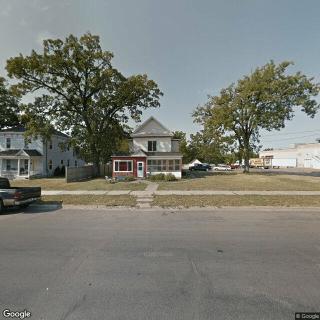
Brotts Boarding & Lodging Home
$4,000 / month3.7 miles away
Overall Review of Brotts Boarding & Lodging Home
Pros
 The staff members are nice and the workers are awesome.
- The stay is enjoyable.
- The staff members are doing their jobs well.
- The nurses professionally help people regain a meaningful life.
Cons
 They will kick guests out for no reason and throw away their personal belongings.
- They can't give anything at a certain time.
- There is a lack of emotional engagement in their care.
Review
This community is best suited for a senior who wants a small, homey lodging option in Waite Park with genuinely friendly staff and basic daily care, and who can tolerate the possibility of service gaps or abrupt changes in placement. It will appeal to families that prioritize personable interaction and a simple, low-friction environment over polished programming or heavy clinical oversight. Residents who need frequent, highly structured medical management or who rely on consistent policies and guaranteed continuity of care may find this setting insufficient. In short, this is a practical, no-frills choice for those who can advocate for themselves or benefit from a strong family backup.
What stands out here are the people. Several reviewers praise the staff as nice, with workers described as “awesome” and clearly invested in doing their jobs. There is a sense that daily interactions are positive and that companionship and attentive bedside care come through in routine moments. A professional nursing presence is acknowledged by at least one reviewer, suggesting that basic clinical oversight exists and can meet everyday needs. For families prioritizing a warm, familiar atmosphere and approachable caregivers, these human qualities are meaningful and can translate into steadier, more comfortable days at a modest cost.
However, safety and reliability concerns come through more strongly. The most alarming red flag is the claim that help-seeking could trigger an eviction with no clear justification, and that personal belongings could be discarded in the process. That kind of policy volatility undercuts trust, raises real safety worries, and makes continuity of care hard to secure. Coupled with reports of limited availability or timing for certain services, the environment can feel unpredictable. When a resident’s ability to receive timely assistance or to keep personal belongings is at stake, the overall value of the care undermines what otherwise could be a stable, supportive living situation.
These dynamics force a careful balancing act between the pros and cons. The friendly, capable staff and the presence of nursing care do offset some daily caregiving needs, especially for residents who require basic daily living support rather than intensive medical management. Yet the potential for sudden discharge, combined with perceived emotional distance in care, weighs heavily against long-term reliability. For anyone who requires guaranteed stability, consistent caregiver-resident relationships, or a compassionate, emotionally engaged approach to daily life, the drawbacks tend to overshadow the benefits. This is not a setting that earns high marks for predictability or deep, sustained reassurance.
Decision guidance is clear. If a family’s priority is a small, approachable environment with warm staff and straightforward care, and if the loved one can tolerate potential policy fluctuations, Brotts Boarding & Lodging Home may fit. The important caveat is the need for very explicit, written policies on discharges, belongings, grievance procedures, and service hours before admission. Prospective residents should insist on speaking with current residents or families, review recent incident notes, and request a detailed care plan that outlines how medical needs, medication management, and emergency contacts are handled. A trial stay, if possible, could illuminate whether the emotional tone and practical care meet expectations.
For those seeking steadier guarantees, more robust oversight, or deeper emotional care, alternatives deserve serious consideration. Larger assisted living facilities with transparent discharge policies, clearer resident-rights protections, and stronger continuity of staffing typically deliver greater peace of mind. Memory care options, when relevant, can provide specialized programming and supervision that reduce risk and anxiety for families. In short, Brotts Boarding & Lodging Home should be pursued only with thorough diligence and a clear plan to monitor safety, stability, and the quality of compassionate care over time.
 Board and Care Home
 Private
 St Cloud Regional (8 miles away)


 Navigating the Financial Road to Nursing Home Care: In-Depth Guidance and Resources
 Supportive Employee Benefits That Help Caregivers Attain Better Work-Life Harmony
 Top Cars for Senior Drivers and Essential Safety Innovations