
1567 County Road I, Shoreview, MN 55126
For more information about senior living options: (866) 208-4318
Overall Review of Zubeer Group Home
Pros
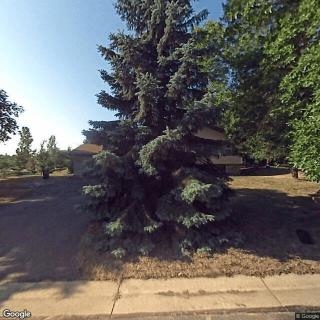
 The group home is located in a residential area next to longtime neighbors, suggesting a stable community setting.
- Being next to friends who have lived there for 40 years reflects strong neighborhood ties.
- Placing group homes in the community is viewed as a good thing.
- There is a positive expectation that staff and management will be proactive and be good neighbors.
Cons
 At 2:30am on Friday, someone at Zubeer turned on loud music that woke the neighbors.
- Police were called and responded, but the music stopped only to start up again five minutes later.
- There have been other situations that have negatively impacted the neighbors who live nearby.
- The staff and management are not proactively preventing problems or being good neighbors.
Review
This community is best suited for seniors who want a small, home-like living environment tucked into a quiet Shoreview residential street. The setting emphasizes neighborhood integration over a stark institutional feel, with the advantage of being right next door to longtime residents who have built a stable, local community footprint for decades. For families seeking continuity, a familiar, neighborly atmosphere, and a pace that feels more like living in a private home than in a large facility, Zubeer Group Home presents an attractive option. It particularly appeals to residents who value proximity to trusted local ties and a less corporate caregiving experience.
Those who may want to consider alternatives are primarily families prioritizing consistent routines, rigorous noise control, and crystal-clear governance. If a resident requires dependable overnight management, formalized incident follow-up, and proactive neighbor relations as non-negotiables, a larger, more regimented assisted living setting or a facility with a dedicated neighborhood-relations program may prove more reliable. In addition, families who demand highly predictable quiet hours, strict enforcement of community standards, and a clearly published, enforceable complaint-resolution process should weigh other options more heavily.
The strongest positives here, a compact, home-like footprint and easy access to a stable, local network, do not automatically overcome the most salient downside unless management acts decisively. The proximity to neighbors who have lived nearby for decades creates natural social capital and potential avenues for support, but only if staff are consistently proactive about preventing disturbances and maintaining neighborly boundaries. The core risk is disruptive events that undermine neighbor trust, which then threatens resident safety, reputation, and ongoing community ties. In other words, the positives hinge on rigorous, ongoing relationship management and clear, timely response to incidents.
During an in-person visit, families should press for specifics on how staff handle disturbances and neighbor complaints. Ask for a written policy on noise control, quiet hours, and community etiquette. Inquire about incident reporting: who records events, how quickly actions are taken, and how neighbors are updated. Seek evidence of proactive neighbor engagement, such as regular communication with surrounding households, a designated liaison, and routine checks that neighbors actually see results from staff interventions. Clarify staffing levels during late-night hours and whether the team has training in de-escalation, boundary-setting, and preserving a peaceful living environment for all residents.
After move-in, watch for consistency in applying rules, transparency in reporting, and the speed of problem resolution. Assess whether the home maintains a calm, predictable routine that minimizes opportunities for disturbances. Confirm there is a clear escalation path if a neighbor complaint arises, and that residents are not left exposed to repeated disruptions. The value of being embedded in a familiar neighborhood depends on whether the management can deliver sustained neighbor goodwill through proactive planning, responsive communication, and dependable enforcement of standards.
Overall, Zubeer Group Home offers a viable choice for families prioritizing a residential, community-integrated vibe and a setting that feels like a neighbor’s home rather than a hospital. It is best for residents who can tolerate occasional friction as long as staff demonstrate a credible commitment to preventing problems and preserving good neighbor relations. For those whose primary concern is ironclad consistency, predictable quiet, and a highly professional, policy-driven operation, alternatives with stronger formal governance and more visible neighbor-management protocols are worth considering. In short, this community can work beautifully when proactive leadership translates into reliable, neighbor-friendly practice; when that trust is not reliably present, look to other options that deliver firmer guardrails and more polished compliance with community standards.
 21 resident community capacity
 Assisted Living
 Beauty salon
 Cable or satellite TV
 Dining room
 Fully furnished
 Garden
 Housekeeping services
 Kitchenette
 Move-in coordination
 Outdoor space
 Restaurant-style dining
 Small library
 Telephone
 Wi-Fi/high-speed internet available
 Minneapolis-St Paul International (16 miles away)
 24-hour call system
 Activities of daily living assistance
 Assistance with bathing
 Assistance with dressing
 Assistance with transfers
 Diabetes diet
 Medication management
 Mental wellness program
 Special dietary restrictions



 Comprehensive Residential Support and Assisted Living Solutions for Individuals with Disabilities
 Comprehensive Supportive Living Arrangements for Adults with Disabilities
 Funding and Affording Assisted Living: A Thorough Overview