On-campus spiritual care and Catholic mass are mentioned in multiple reviews.
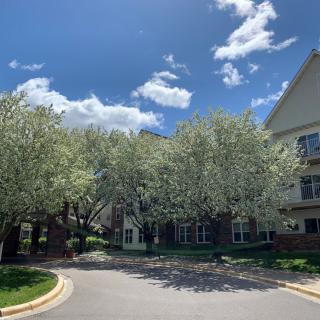
Several residents and visitors describe regular spiritual support, including a Spiritual Care Department and Catholic mass in an on-site chapel. Reviews also mention chaplain visits and a welcoming attitude during rounds. The community’s outdoor and common spaces are also framed as places residents can stay connected and engaged alongside those services.
caveat7 reviews mention this
Dining varies by review
Food quality and dietary handling draw both strong praise and serious complaints.
Some reviewers praise the culinary team and describe meals as good, including the dining room experience and options like eating in or taking meals to go. Others report meals being tasteless, scimpy, or poorly suited to specific dietary needs, including a bad experience related to kidney dialysis. A few complaints also point to menu issues and long waits for pain medication that affect day-to-day comfort alongside dining concerns.
caveat5 reviews mention this
Response times and communication concerns
Some residents and families describe delays with urgent notifications and call-button response.
One family member said they were not notified as an emergency contact when a loved one was hospitalized. Other reviews describe long waits for pain medication and call-button response. There are also accounts of delayed attention in urgent situations, including waiting to call paramedics until a family member arrived.
caveat6 reviews mention this
Cleanliness is inconsistent
Cleanliness feedback ranges from tidy spaces to reports of major sanitation problems.
Some reviewers say the facility looks clean and tidy, including clean rooms and well-kept common areas. But multiple other reviews describe the building as dirty or unsanitary, with concerns like dirty privacy curtains, stained areas, odors, and pest issues. A few of the negative cleanliness comments are paired with complaints about staffing and care quality.
How we summarize
Counts show how many written reviews mention each theme; a review can touch several themes, and only frequently mentioned themes are displayed.
Serendipitous Living is located at 103 Robie Street W, St Paul, MN 55107 in Ramsey County, Minnesota
Nearby Communities
The Friendship Place
St Paul, MN
24/7 supervision with daily living assistance, medication management, full furnishings, restaurant-style dining with special diets, wellness programs, and move-in coordination.
Cerenity Care Center On Humboldt
Saint Paul, MN
3.1 from 74 reviews
Extensive amenities and 24/7 supervision, plus transportation, dining, and activities.
Humboldt Apartments Senior
St. Paul, MN
Convenient access to amenities (cafes, parks, pharmacies, hospitals, restaurants, theaters).
Cerenity Residence On Humboldt
St Paul, MN
3.2 from 93 reviews
$2,080 to $2,436 / month
Improved nursing care and compassionate staff with engaging activities in a clean, welcoming environment.
Caring Rose Homes
St Paul, MN
5 from 1 review
Personalized assisted living with 24/7 supervision, daily living support, diabetes care, and engaging activities.
Specialized Home Health Care
St. Paul, MN
4 from 4 reviews
Comprehensive care (24-hour supervision, ADL assistance, medication management), meals with dietary options, transportation for medical visits, plus garden and Wi-Fi.
Walker Methodist at Westwood Ridge
West Saint Paul, MN
4.5 from 28 reviews
$1,960 to $2,365 / month
Warm, welcoming community with clean facilities, friendly staff, spacious rooms, and engaging activities.
Phalen Senior Lofts
Saint Paul, MN
4 from 25 reviews
$944 to $1,044 / month
Diligent management, clean, friendly community; notably affordable rents for the area.
The Sanctuary of West St. Paul
West Saint Paul, MN
4.1 from 75 reviews
$3,815 / month
Beautiful, clean building with friendly staff and engaging activities.
Assisted living communities offer diverse activities beyond traditional games to enhance seniors' physical health, cognitive well-being, emotional enrichment, and social connections, including fitness classes, creative expression, and intergenerational interactions. These enriching programs foster community bonds and support residents' independence and happiness.
The article differentiates between assisted living and memory care, explaining that assisted living supports seniors with daily activities while promoting independence, whereas memory care provides specialized services for individuals with dementia, focusing on secure environments and cognitive support. It also addresses staff training, safety considerations, costs, family involvement, and transition strategies for families navigating these care options.
Family caregivers face emotional, legal, and practical challenges when elderly parents refuse assisted living, often due to fears of losing autonomy. Open conversations and professional assessments can help address these concerns while exploring alternatives and ensuring safety, potentially leading to legal guardianship if necessary.
Get PricingAsk A QuestionSchedule A TourContact Senior Advisor
By clicking submit, you agree to our Partner's Terms of Use. You
also consent to receive calls and texts, which may be autodialed, from our Partner. Your consent is not a condition to
using our Partner's service. Please visit our Partner's Privacy Policy for information about their privacy practices.


 21 resident community capacity
 Assisted Living
 Beauty salon
 Cable or satellite TV
 Dining room
 Fully furnished
 Garden
 Housekeeping services
 Kitchenette
 Move-in coordination
 Outdoor space
 Telephone
 Wi-Fi/high-speed internet available
 Minneapolis-St Paul International (7 miles away)
 24-hour call system
 Activities of daily living assistance
 Assistance with bathing
 Assistance with dressing
 Assistance with transfers
 Diabetes diet
 Meal preparation and service
 Medication management
 Mental wellness program
 Special dietary restrictions
 Transportation arrangement (medical)
 Transportation to doctors appointments
 24/7 supervision with daily living assistance, medication management, full furnishings, restaurant-style dining with special diets, wellness programs, and move-in coordination.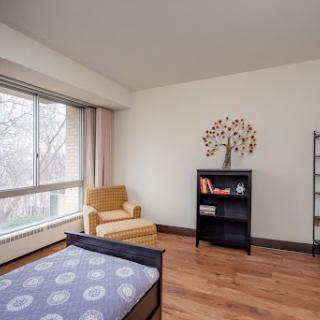



 Beyond the Bingo Hall: 50+ Enriching Activities for Seniors in Assisted Living
 Understanding the Distinctions: Assisted Living and Memory Care Explained
 Guiding Elderly Parents Who Refuse Assisted Living: 6 Practical Steps