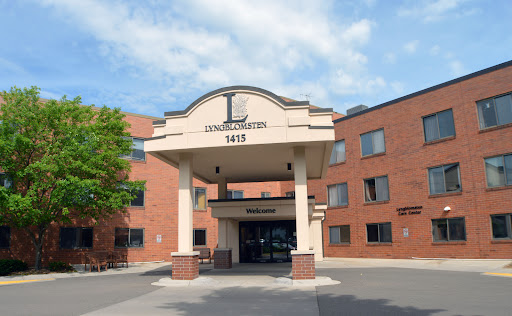


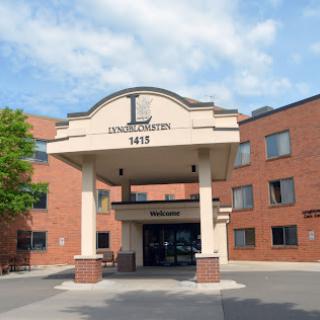



1415 Almond Avenue, St Paul, MN 55108
For more information about senior living options: (866) 208-4318
Overall Review of Lyngblomsten Services
Pros
 The staff are good communicators.
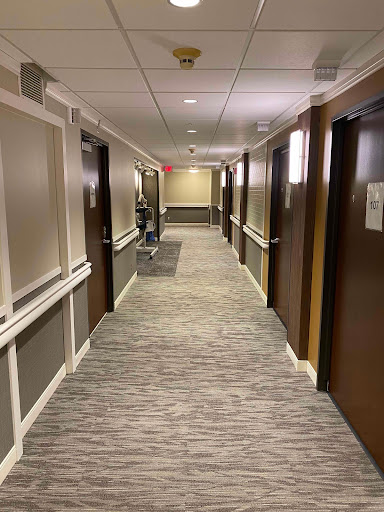
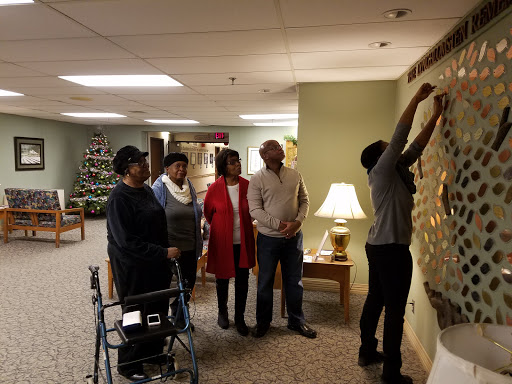
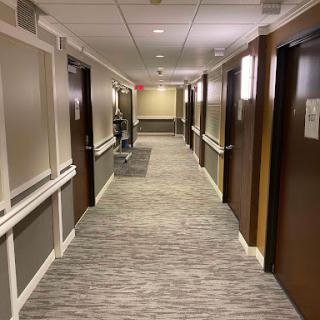
- The facilities are neat and clean, and the people are friendly.
- The staff members have been very kind.
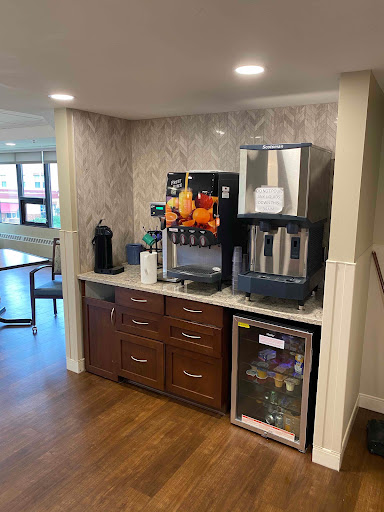
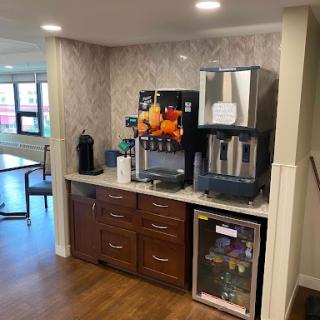
- The dining room looks appetizing and inviting.
- The food is varied and plentiful, and the resident is happy with it.
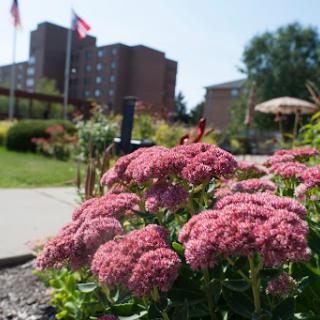
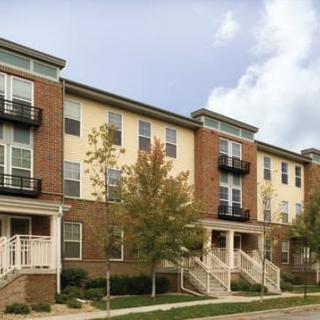
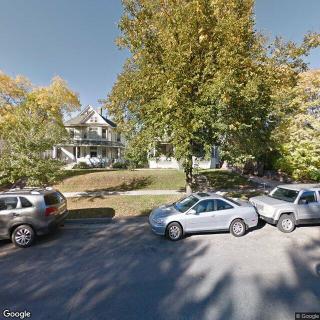
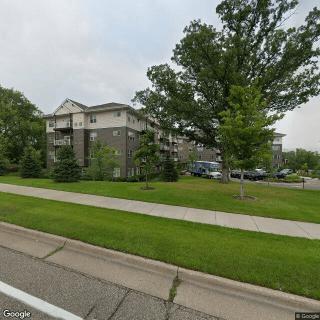
- The lakefront location and apartment-style rooms provide a home-like, appealing setting.
- The loving and responsive care has helped a resident become more mobile and happier, giving the family peace of mind.
Cons
 The room was disgustingly hot (about 85 degrees) and there was a claim that it’s against state law to turn the heat off.
 - Female nurses were not provided when requested.
- The patient waited two hours to be hooked up to a feeding tube and for others to check in.
- Food and medications reportedly spilled on the patient, and no one wiped her down, leading to a rash.
- Nurses and nursing aides were said to have poor training, with comments that they “graduated at the bottom of their class” and lacked clue about what they were doing.
- Dialect issues and a lack of fluent English among staff were noted.
- Staff were described as having a “not my job” attitude, being short on aides, and sticking to a rigid, set-in-their-ways schedule.
- Outsaid OT and PT providers were not up to standard; PT was not friendly, offered repetitive exercises, and showed no progress or real care.
- The kitchen allegedly cannot handle special diets.
- The facility was described as older and “old-fashioned,” with small rooms, outdated lighting/decor, and higher costs.
- A family member reported mistreatment, with the patient sobbing and the family deciding to bring her home.
- There was a belief that the facility should monitor outsourced services more carefully, given its church sponsorship.
Review
Lyngblomsten Care Center in St. Paul is best suited for seniors who want a warm, faith-aligned setting with dependable communication, clean surroundings, and staff who are consistently courteous. Families seeking reassurance that daily life is characterized by friendly interactions, visible care, and nourishing meals will find value here. It is especially a fit for residents who can benefit from steady routines, social engagement, and a campus atmosphere where staff are approachable and the dining experience feels inviting. In short, this is a solid choice for those who prioritize a welcoming environment and clear channels of communication over high-intensity, highly specialized medical programming.
Those who should consider alternatives are seniors whose needs go beyond routine SNF care. If a resident requires robust, goal-driven PT/OT with frequent progress reviews, or if the therapy program must deliver tightly structured, evidence-based milestones, this may not be the strongest match. Families should also rethink Lyngblomsten if language barriers are a frequent barrier to care, if staff reliability and responsiveness are non-negotiable, or if dietary accommodations must be precise and extensive beyond a standard menu. For residents with complex medical conditions, strict dietary needs, or a preference for ultra-modern, hospital-grade facilities, other options may deliver more consistently.
On the positive side, the strongest differentiators are cleanliness, a neat, inviting campus, and a dining experience that residents and families repeatedly praise. The facilities are described as well-maintained and attractive, with staff who come across as kind and communicative. Residents report meaningful daily interactions, and families note responsive social workers and a care team that can brighten an elder’s outlook when conditions are improving. Several accounts highlight notable improvements in mobility and mood after a period of residence, underscoring that attentive, personable care can yield genuinely meaningful benefits.
Yet the most persistent drawbacks temper that warmth. Heating and room climate occasionally fall short, creating discomfort for some residents. Dining room wait times and the pace of service can undermine day-to-day satisfaction, especially for those with specific timing needs. Language proficiency concerns from certain staff members, coupled with reports of a “not my job” attitude in some shifts, raise questions about consistency in day-to-day care. The OT/PT arrangement, outsourced rather than in-house, draws skepticism when programs feel routine rather than goal-directed, leading to complaints about stagnation rather than progress. Dietary management for special diets is another area where families report misalignment. Taken together, these cons do not cancel the positives, but they do shift the calculus for families weighing medical rigor against comfort and morale.
To decide with confidence, prospective families should verify concrete details before committing. Schedule a tour and ask to meet the primary care team, including the floor nurses, social worker, and dining supervisor, to gauge responsiveness and rapport. Request an in-depth look at the PT/OT program, including goal-setting processes and progress tracking, and ask for a recent examples of individualized plans. Probe language support and staff communication practices to ensure a reliable, fluent line of care. Confirm the kitchen’s ability to handle specific dietary requirements and request a sample menu for comparison. Finally, observe the dining area during peak times and inquire about room climate controls and response times to call bells. The right fit hinges on aligning care quality with personal priorities: warmth and reliable communication may win out for many, while those needing heavy clinical oversight and precise dietary management may find alternatives preferable.
 21 resident community capacity
 Assisted Living
 Skilled Nursing Facility
 Beauty salon
 Cable or satellite TV
 Dining room
 Fully furnished
 Garden
 Housekeeping services
 Kitchenette
 Move-in coordination
 Outdoor space
 Telephone
 Wi-Fi/high-speed internet available
 Minneapolis-St Paul International (7 miles away)
 24-hour call system
 Activities of daily living assistance
 Assistance with bathing
 Assistance with dressing
 Assistance with transfers
 Diabetes diet
 Meal preparation and service
 Medication management
 Mental wellness program
 Special dietary restrictions
 Transportation arrangement (medical)
 Transportation to doctors appointments



 Assisted Living and Memory Care: Understanding Their Core Differences
 Beyond the Bingo Hall: 50+ Enriching Activities for Seniors in Assisted Living
 Understanding the Distinctions: Assisted Living and Memory Care Explained