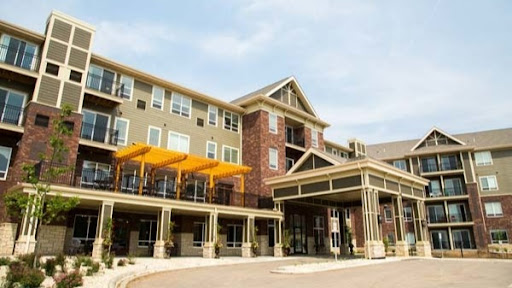
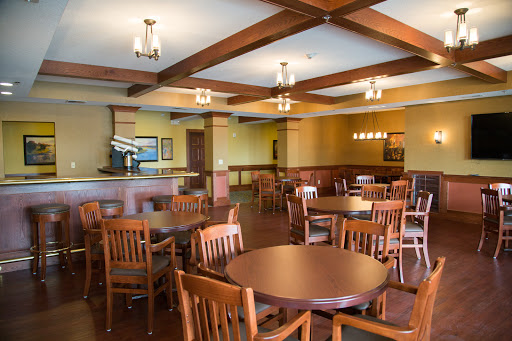

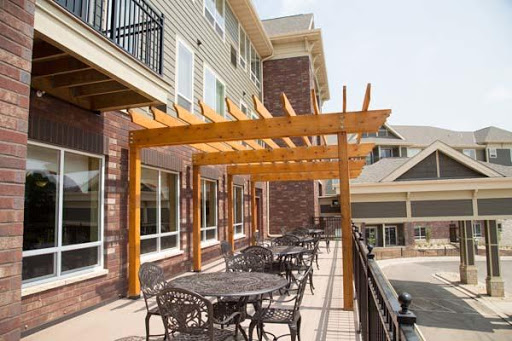








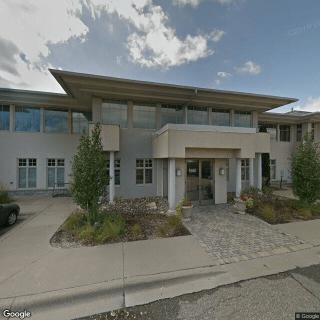
4232 Black Hawk Road, Eagan, MN 55122
To contact a resident: (651) 724-2312
For more information about senior living options: (866) 208-4318
Overall Review of Eagan Pointe Senior Living
Pros
 The staff treated residents with love and respect.
- The staff were very stable, with little turnover.
- The facility was clean, offered engaging activities, and felt safe at all times.
- The caregivers and nurses are cheerful.
- Families feel confident about the care and would definitely recommend Eagan Pointe.
- Memory-care residents are well cared for, which reassures families to move loved ones there.
- The staff are caring, compassionate, and genuinely concerned for residents.
- The community provides opportunities to socialize and enjoy activities, with friendly, helpful staff.
- The environment feels like home, with staff who personalize interactions and are attentive.
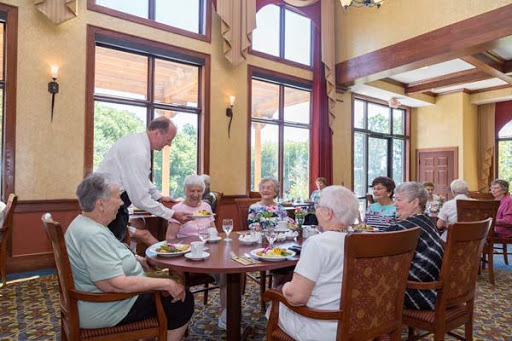
- The food is excellent.
Cons
 The management is very unprofessional.
- They feed residents disgusting frozen food.
- They charge for extra unnecessary things.
- They transfer residents from assisted living to memory care and then place them on hospice to die.
- Residents don’t get the care they need.
- Caregivers are mistreated.
Review
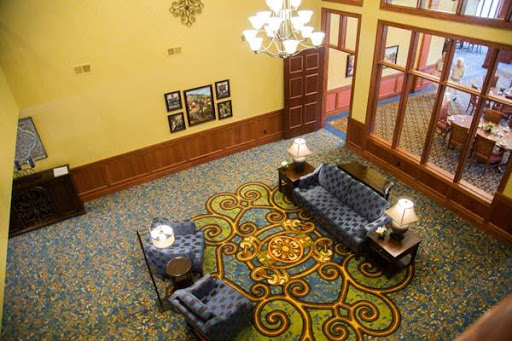
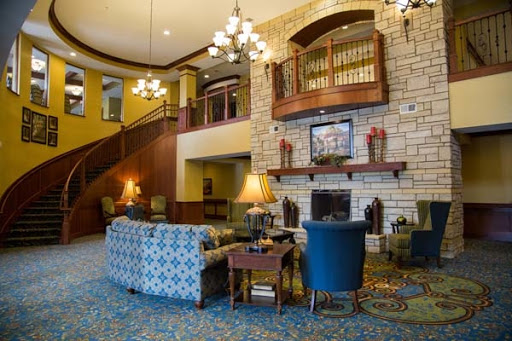
Eagan Pointe Senior Living is best suited for families that prize steady, compassionate caregiving across memory care and assisted living, delivered in a clean, home-like setting with a robust calendar of social and enrichment programs. The community shines for parents or spouses who want reassurance that staff know residents by name, respond quickly to questions, and maintain a safety-forward environment where residents can participate in activities, dine well, and stay socially engaged. It works especially well for loved ones who value long-tenured, stable caregivers and a sense of continuity as care needs evolve, from independent living to memory care.
Those weighing alternatives should note that a subset of reviews raises red flags about governance and certain practicalities. Some families questioned management practices and perceived disorganization, including concerns about food quality and extraneous charges. A few accounts describe abrupt transitions from assisted living to memory care and even hospice involvement that felt misaligned with expectations. Additionally, a lingering complaint about a waiting list in some cases means families in urgent need may want to explore options with shorter enrollment timelines. For those who place a premium on transparent billing, aggressive governance, or immediate access, exploring other communities may be prudent.
The biggest positives, stable, caring staff; excellent cleanliness; meaningful engagement; and strong memory care support, tend to offset many concerns. Families repeatedly highlight staff who treat residents with respect and warmth, creating a trustworthy and comfortable atmosphere. The memory care environment is frequently described as well-run, with dedicated aides and nurses who provide attentive supervision and genuine interaction. Residents have opportunities to participate in meals, music, and social programs, which enhances quality of life and reduces isolation. The facility’s perceived safety, approachable administration, and the sense of a “home-like” community repeatedly emerge as decisive positives for many families.
Yet the concerns in a minority of reviews should not be dismissed. Allegations about unprofessional management, perceived overcharges, or a mismatch between stated care goals and on-the-ground delivery warrant careful scrutiny. The possibility of transitions perceived as abrupt or insufficiently transparent means prospective residents should verify the exact criteria for moving between levels of care, confirm ongoing care plans, and obtain clear, written explanations of any add-on fees. The waitlist reality also matters: if a timeline is critical, this factor could influence the decision as strongly as daily care quality. These issues do not negate the solid caregiving core, but they do color the expectations for governance and cost.
As a decision anchor, weigh Eagan Pointe’s care culture against its governance questions. The pros, caring, experienced staff; clean, well-maintained facilities; engaging activities; and a supportive memory care path, offer a compelling case for families who prioritize consistent human connection and safety. The risk signals, management questions, potential for unexpected charges, and waitlist realities, immediately point to the need for due diligence. Prospective buyers should demand a candid meeting with leadership, request a transparent fee schedule, and seek to speak with current residents’ families about day-to-day experiences. A live visit should include a close look at the memory care unit, dining services, and the pace of daily supervision.
For families seriously evaluating options, practical next steps are clear. Tour Eagan Pointe with a checklist: observe staff interactions, ask about nurse-to-resident ratios at each level of care, review menus and meal quality, and request schedules of daily activities to gauge engagement. Inquire about the protocol for transfers between assisted living and memory care, and request recent resident satisfaction data or family contact references. Compare cost structures, including any required deposits or add-ons, against nearby alternatives with similar levels of care and amenities. If the priorities align with long-term stability, compassionate care, and an active social environment, Eagan Pointe stands out as a strong contender worth pursuing. If not, other Twin Cities communities with a tighter governance framework and clearer billing practices may better fit those specific needs.
 21 resident community capacity
 1-bedroom apartments
 Assisted Living
 Independent Living
 Memory Care
 Skilled Nursing Facility
 Activities on-site
 Beautician on-site
 Cable or satellite TV
 Devotional services off-site
 Dining room
 Full kitchen
 Fully furnished
 Garden
 Housekeeping services
 Indoor common areas
 Laundry
 Move-in coordination
 Outdoor space
 Overnight guests
 Telephone
 Wi-Fi/high-speed internet available
 Minneapolis-St Paul International (5 miles away)
 Transportation & parking
 24-hour call system
 Ambulatory care
 Assistance with bathing
 Assistance with dressing
 Assistance with transfers
 Diabetes diet
 Diabetic care
 Hospice waiver
 Meal preparation and service
 Medication management
 Mental wellness program
 Special dietary restrictions
 Transportation arrangement (medical)
 Fitness programs
 English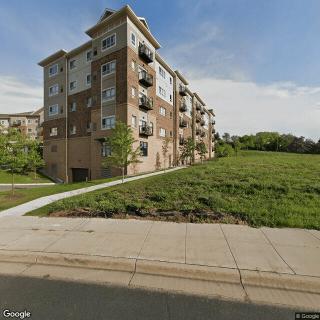


 Memory Care Pathways: A Holistic Guide to Dementia Support
 Comprehending Evening Confusion in Dementia: Causes, Manifestations, and Support
 Delirium and Dementia: Unraveling the Key Differences