
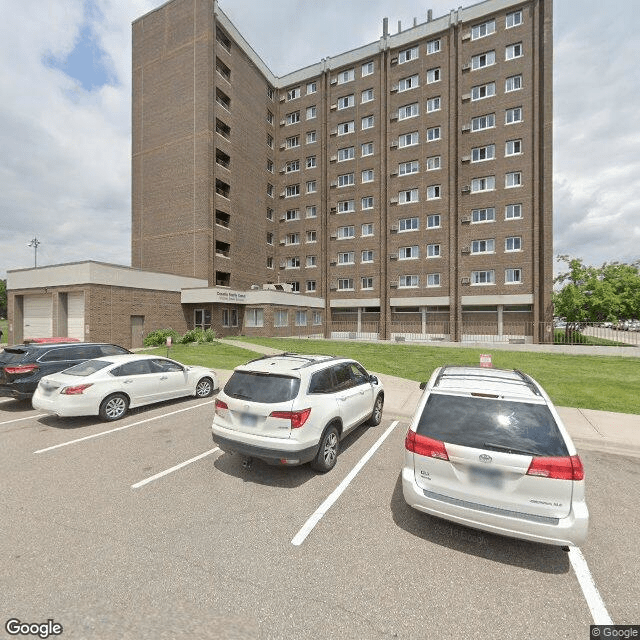
469 Ada St, St. Paul, MN 55107
To contact a resident: (651) 224-8922
For more information about senior living options: (866) 208-4318
Overall Review of Dunedin Assisted Living Prgrm
Pros
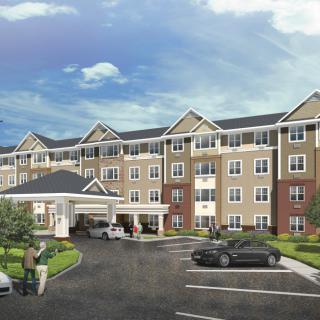
 The building is nice.
- They love it there.
- It is very nice.
- The 60-year-old building helps get people off the streets.
Cons
 The 60-year-old building has very few modern updates.
Review
Dunedin Assisted Living Program in St. Paul is best suited for seniors who want a dependable, supportive environment that prioritizes daily living support and housing stability over high-end amenities. The facility resides in a building that is about 60 years old, and reviewers note the space lacks extensive modern updates. Yet the atmosphere remains pleasant and welcoming, with residents and families describing the building as nice and comfortable. The strongest signal is a community that helps get people off the streets, indicating a mission-driven setting that prioritizes safety, structure, and social continuity. For a person who values a straightforward, practical living situation and does not demand cutting-edge interiors, this option stands out as a sensible fit.
Alternatives to consider are more modern or upscale offerings that emphasize updated décor, contemporary design, or specialized clinical features. If the priority centers on luxury finishes, spa-like common areas, or highly advanced memory care provisions, other communities in the St. Paul area will likely meet those preferences better. In addition, families seeking aggressive rehabilitation services, extensive on-site medical staff, or dementia-specific environments with highly engineered safety provisions may want to look elsewhere. Dunedin’s old-build charm is a trade-off for those who value stability, routine, and a homey feel over the latest amenities.
The core positives of Dunedin, its pleasant building ambiance and the clear sense that residents feel at home, offset several potential drawbacks. When residents say, “I love it there” and “It is very nice,” those sentiments translate into real daily benefits: predictable routines, comfort in common spaces, and a welcoming, neighborly culture that supports social engagement. The comment about the building “helping get people off the streets” signals a purposeful programmatic strength, housing stability, supervision, and accessible support services that can greatly reduce stress for families and improve day-to-day safety. In a market where comfort and community can trump sophisticated furnishings, these factors carry substantial weight.
Nevertheless, the main downside is the age and limited modernization of the facility. The absence of frequent updates can translate into less contemporary furniture, fewer high-tech conveniences, and potential barriers for residents who expect the latest safety features or accessibility refinements. This is not a flaw in service quality so much as a design and refurbishment reality that may affect preferences for certain spaces or amenities. For households comparing options, the old-building character should be weighed against the value of a stable, caring environment and the potential need to compromise on aesthetics for the sake of service continuity and cost.
From a decision-making standpoint, the practical question centers on what balance of care intensity, social opportunity, and physical environment best suits the senior. Dunedin appears well-suited for residents who appreciate a warm, uncomplicated setting where staff and peers provide steady companionship, routine, and hands-on daily assistance. The energized sense of community captured in the positive remarks suggests fewer feelings of isolation, which itself is a meaningful form of care. However, families that prioritize modern interiors, frequent remodeling, or specialized medical programming should systematically compare contemporaries with newer builds and stronger on-site clinical offerings.
The recommended path is to schedule a firsthand tour with explicit questions about services included (meal plans, medication management, transportation, housekeeping, 24/7 staffing), accessibility features in common areas, and the scope of daily assistance. Prospective residents should also probe about wait lists, resident turnover, and how the program handles transitions for residents who may require more intensive support over time. In the right match, Dunedin’s blend of a solid, welcoming environment, a mission-driven housing focus, and a cooperative community can yield a high-value placement. For those seeking polished modernization or specialized care, it is prudent to look at alternatives that deliver those specifics while still prioritizing safety, dignity, and person-centered care.
 Minneapolis-St Paul International (8 miles away)


 In-Home Care Costs in 2025: A Detailed State-by-State Exploration
 Understanding Home Health Care: A Comprehensive Guide
 Home Health Care Demystified: A Comprehensive Guide for Families and Caregivers