
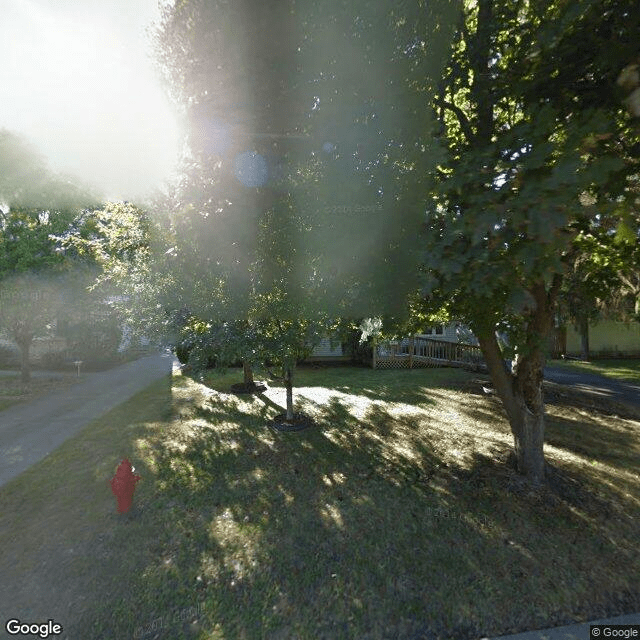
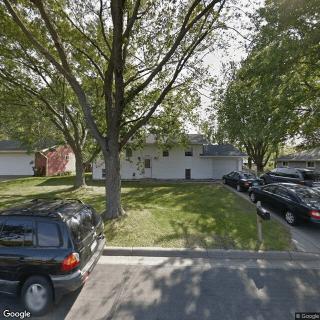
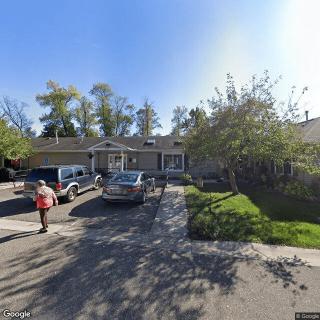
4849 Carolyn Ln, White Bear Lake, MN 55110
To contact a resident: (651) 433-9951
For more information about senior living options: (866) 208-4318
CLO - Christianson Home Costs & Pricing
CLO - Christianson Home offers private room accommodations at a monthly cost of $5,500, which reflects its commitment to providing high-quality care and services. When compared to the average costs in Washington County, which stands at $4,952, and the broader state of Minnesota where the average is approximately $5,090, it's evident that CLO potentially positions itself as a premium option within the local market. This pricing may be indicative of the superior amenities or specialized services available at Christianson Home, appealing to those seeking a higher level of comfort and care in their living environment.
| Floor plans | CLO - Christianson Home | Washington County | Minnesota |
|---|---|---|---|
| Private | $5,500 | $4,952 | $5,090 |
Senior living communities with a similar price nearby
-
from +$500 / mo
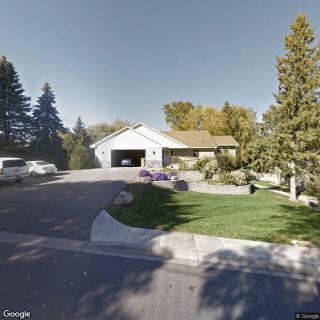
Legacy Care Home
$6,000 / month24.4 miles away -
from +$200 / mo
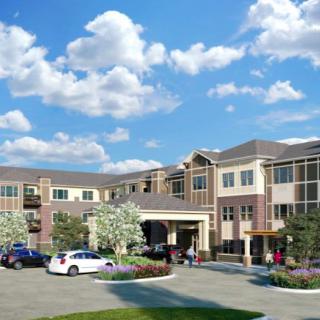
Cherrywood Pointe Of Plymouth
$5,700 to $9,450 / month23.7 miles away -
from +$800 / mo
Breck Home Residential Care Center, LLC
$6,300 to $6,600 / month21.6 miles away -
from -$800 / mo

Project Caring
$4,700 / month13.0 miles away -
from +$460 / mo
Triple Angels of Cottage Grove
$5,960 / month18.1 miles away
Overall Review of CLO - Christianson Home
Pros
 Cathy and Kim are highly recommended real estate professionals who make the home selling process painless, smooth, and easy.
- They take care of every detail and go above and beyond for their clients.
- Cathy from Coldwell Banker Burnet is responsive, patient, honest, and always puts clients’ needs first.
- Rhonda is amazing, patient, and thorough from start to finish.
- The agents are super friendly and provide excellent service.
- Cathy and Kim are extremely responsive and accommodating.
- Clients would gladly recommend them to others and hire them again for future real estate needs.
Cons
 Marc was disrespectful for sending a letter asking to sell the place.
- Donald Wolkerstorfer was very misleading and allegedly changed a listing photo after being confronted.
- Chuck Stout wouldn’t provide original listing pictures.
- The closing paperwork had the agent misinitialing the buyer’s name and charging a $300 correction fee.
- Coldwell Banker Realty was faulted for a name-spelling error and for demanding $250 to fix it.
- The office was described as shady and the reviewer advised to go elsewhere.
- The front desk staff leaves something to be desired.
Review
This community is best suited for families that want a warm, service-driven administrative experience and a hands-on point of contact who will guide transitions with steady availability. The model rewards those who come prepared with questions and insist on clear communication at every step. In White Bear Lake, MN, this option tends to work well when families value a personal touch from the office and are willing to stay engaged to ensure paperwork and contracts stay on track. It is less ideal for households that demand absolute, error-free execution with zero tolerance for any miscommunication, because those review patterns surface as notable cautions in the broader service context.
Those considering alternatives should pay particular attention to expectations around transparency and reliability. If a community cannot demonstrate consistent, straightforward communication, easily accessible documentation, and predictable billing practices, it is reasonable to look elsewhere. The reviews caution that missteps and perceived misrepresentation in the handling of contracts or listings can erode trust quickly. For families facing complex care needs or tight timelines, a provider with a well-documented process, clear escalation paths, and verifiable accuracy should be the norm, not the exception.
The strongest pro in these patterns is the office’s potential to deliver responsive, client-centered service. When the team is operating smoothly, families experience approachable staff who explain processes, answer questions, and coordinate steps with patience. The adage that service quality hinges on personal relationships rings true here: a dependable point person who remains accessible can transform a potentially stressful transition into a controlled, well-managed experience. For families who place a premium on proactive communication and a supportive front office, these traits are worth pursuing aggressively during tours and initial meetings.
The principal cons center on concerns about transparency and consistency in the administrative realm. The reviews depict red flags around miscommunication, incomplete documentation, and perceived gaps between promises and practice. While these issues arise in other real estate or service contexts, they are equally meaningful for families evaluating elder-care arrangements. The risk is compounded when front-desk responsiveness varies or when information is not readily verifiable in writing. In short, a care setting that cannot demonstrate reliable, auditable processes creates anxiety that can undermine confidence in ongoing arrangements.
How the positive, service-oriented aspects offset the negatives rests on two pillars: disciplined processes and accountable leadership. If the facility can show a well-defined workflow for admissions, care planning, and billing, with written confirmations and a single, accessible contact for families, the room for error shrinks dramatically. Families should demand a documented move-in plan, a clear care-consultation schedule, and evidence of staff accountability. The right team can convert potential administrative weaknesses into a managed experience, provided there is insistence on transparency and a concrete commitment to consistent follow-through.
The bottom line is practical: this community can be a strong fit for families who want high-touch, easy-to-reach office support and who are prepared to maintain vigilant oversight. It is less appropriate for households unwilling to push for written confirmations, to request explicit qualifications of service terms, and to verify every step in the contract and billing chain. Prospective residents should enter with a checklist, demand a dedicated point of contact, ask for sample care plans and contracts, request written timelines for admissions, and seek candid references from current families. If those safeguards are in place, the positives can clearly outweigh the concerns, making the choice a solid, proactive investment in peace of mind.
 Board and Care Home
 Activities on-site
 Devotional services off-site
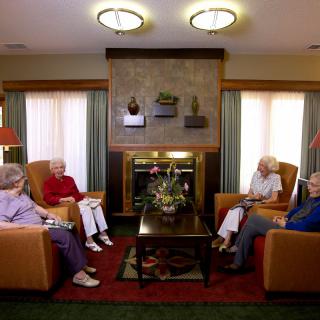
 Indoor common areas
 Private
 Minneapolis-St Paul International (17 miles away)
 Ambulatory care
 Diabetic care
 Meals provided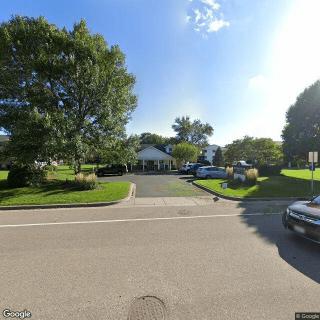


 Comprehensive Guide to Qualifying for Home Health Care Services
 Powerful Realities of Elder Abuse and the Most Effective Ways to Report It
 Ten Vital Duties of a Senior Caregiver: A Comprehensive Guide