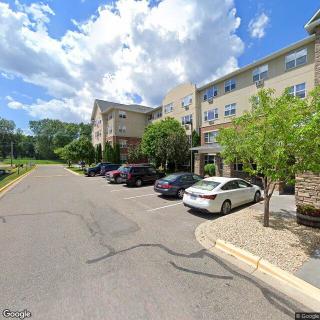
305 East Thompson Avenue, West Saint Paul, MN 55118
For more information about senior living options: (866) 208-4318
Brookdale West St. Paul Costs & Pricing
At Brookdale West St. Paul, the monthly cost for a studio apartment is set at $3,435. This rate positions Brookdale competitively within the local market, as it falls slightly below the Ramsey County average of $3,546 and is also lower than the statewide average of $3,617 for similar accommodations. Such pricing reflects both the quality of care and lifestyle options available at Brookdale West St. Paul, making it an attractive choice for individuals seeking a supportive living environment while remaining mindful of their budget compared to other facilities in the area and across Minnesota.
| Floor plans | Brookdale West St. Paul | Ramsey County | Minnesota |
|---|---|---|---|
| Studio | $3,435 | $3,546 | $3,617 |
Skilled Nursing Facilities with a similar price nearby
-
from +$345 / mo
Lilydale Senior Living
$3,780 / month1.9 miles away -
from -$435 / mo
Orchard Path
$3,000 to $4,800 / month13.0 miles away -
from -$435 / mo
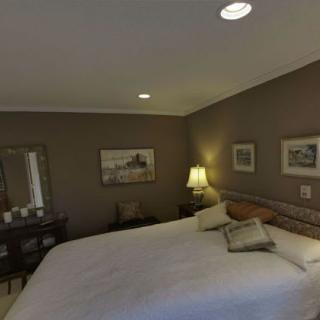
Friendship Village of Bloomington a CCRC
$3,000 to $3,600 / month14.7 miles away -
About the same
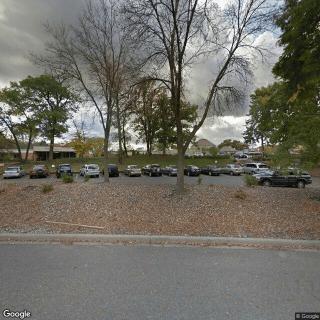
Hillcrest Wayzata Rehab & Home Care
$3,510 to $4,980 / month19.0 miles away -
from -$200 / mo
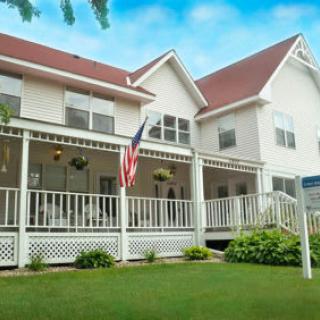
Elder Homestead
$3,235 to $3,545 / month16.1 miles away
Overall Review of Brookdale West St. Paul
Pros
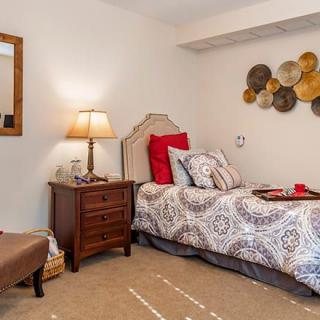
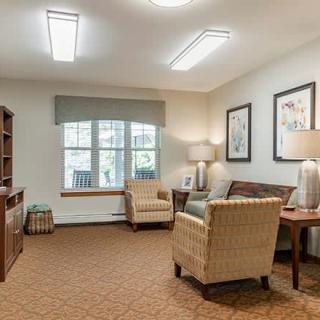
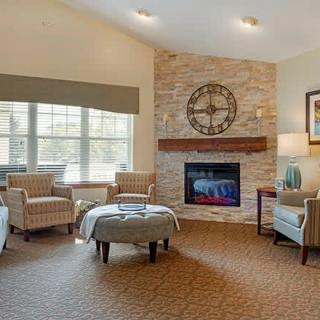
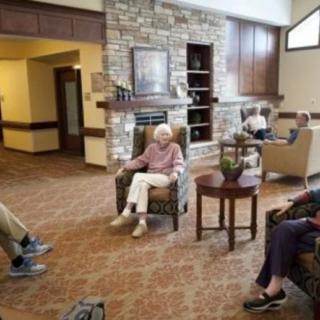
 Brookdale West St Paul offers a home-like feel in its smaller communities (19 apartments each).
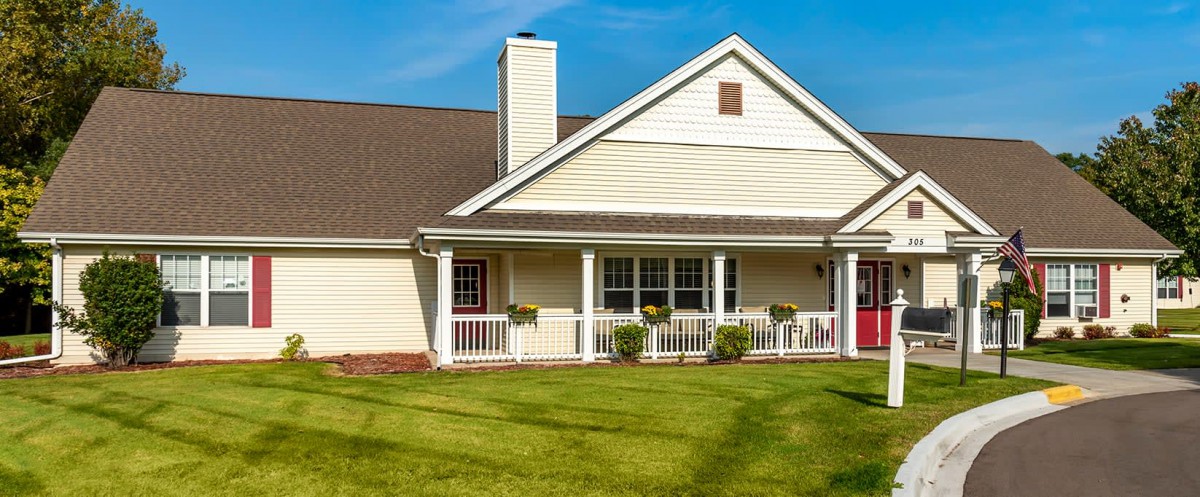
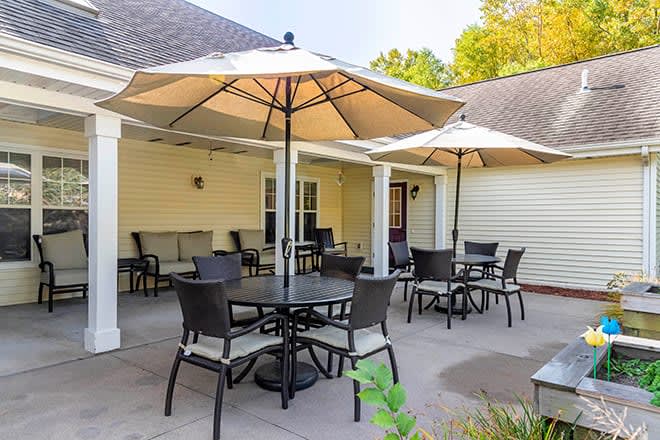
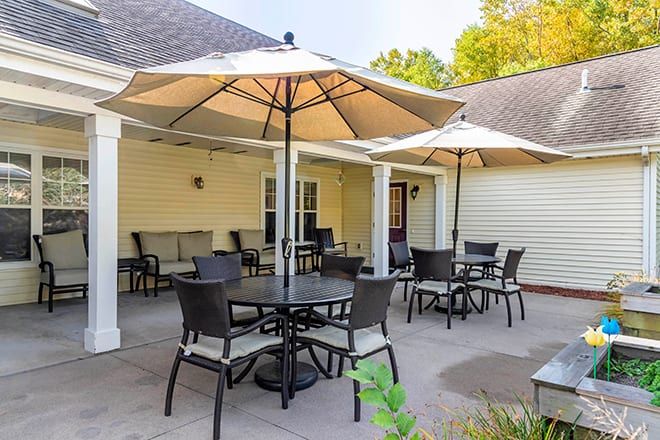
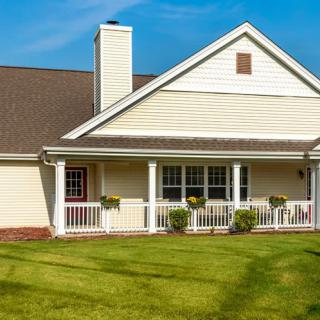
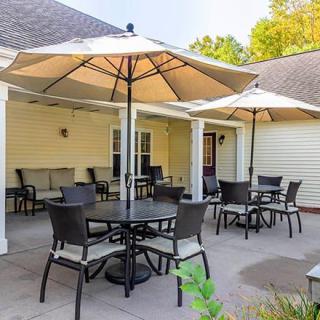
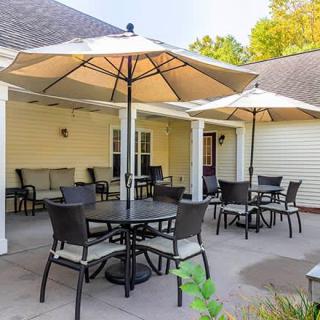
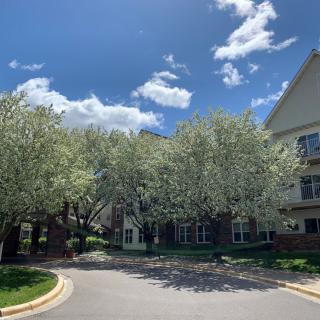
- The front and back porches are favorite spots for residents to enjoy the outdoors, with sidewalks providing safe areas to stroll.
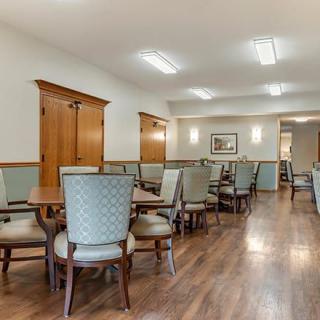
- The culinary staff prepares three delicious and nutritious meals on-site every day.
- The clinical staff provide great care for residents.
- There are lots of activities for residents to enjoy.
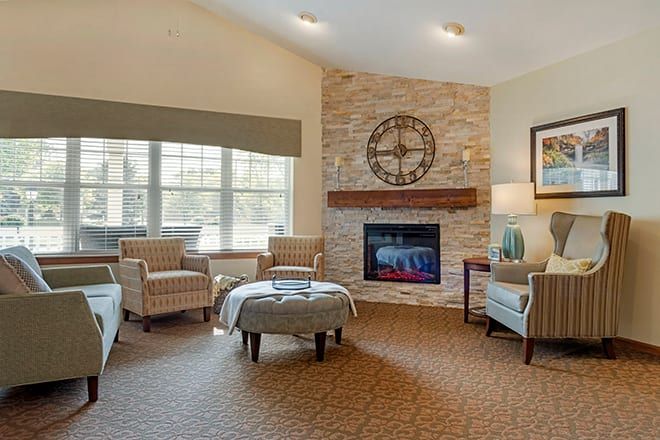
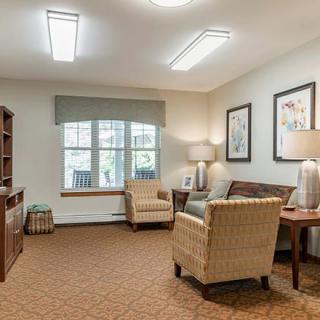
- The facility is very clean and bright.
- The staff are friendly, attentive, and caring.
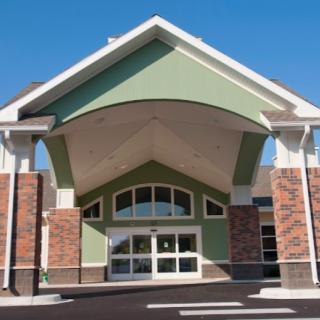
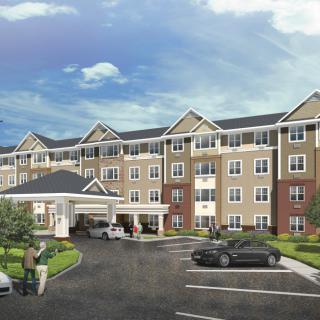
- The facility is immaculate-looking and well kept up, with a gorgeous exterior and well-maintained interior.
Cons
 The memory care unit did not keep residents in clean clothes, and staff did not clean toilets or remove trash.
- Residents suffered multiple falls, and incident reports were not provided to families.
- Families could not enter without staff, and key cards were not issued, limiting transparency.
- Staffing was chronically inadequate, with calls going unanswered and delays blamed on shortages.
- A significant portion of a resident’s money was retained after death, raising concerns about improper funds handling.
- Elder abuse and MAARC reports were filed against the facility.
- Some staff were described as cruel and not suited to be caregivers.
- The memory care unit uses a loud, obnoxious buzzer when doors open.
- The facility was not affordable, making it a poor value for the level of care provided.
Review
Brookdale West St. Paul is best suited for families seeking a compact, home‑like assisted living or memory care option where residents live in a clearly defined, single‑level footprint and can enjoy a calm, social, small‑community environment. With two adjacent small buildings housing 19 apartments each, the setting emphasizes intimacy over bustle. It works particularly well for residents who value daily routines, three meals on site, easy visiting, and outdoor access via front and back porches and safe sidewalks. For memory care, the program is structured around meaningful activities and social engagement rather than a hospital‑like pace, which suits residents who thrive on consistency and familiarity in a smaller scale campus.
Alternatives should be considered for those needing higher acuity care, aggressive medical support, or a tighter budget. Families with loved ones requiring substantial 24/7 medical or nursing attention may find the level of care at this site insufficient. Affordability can also be a barrier, as several reviewers flag the price point as a significant consideration. Those seeking more robust, full‑time transportation services or a more active, post‑COVID programming calendar may want to explore options with more expansive activity calendars and external partnerships. In short, this campus shines for routine, social engagement in a quiet, small‑community setting, but it may not fit every level of care or every budget.
The core advantages, homey ambience, strong meals, attentive staff, and a secure, orderly layout, often offset the main drawbacks. The two small, one‑level buildings foster familiarity; staff can know residents by name and needs, which supports responsive care and easier family communication. On-site dining receives frequent praise for variety and quality, and care staff are described as patient and reliable. The intimate environment supports ample opportunities for meaningful activities without residents feeling overwhelmed by crowds. The secure outdoor spaces, including a fenced memory‑care yard, and a pendant emergency call system add practical layers of safety and peace of mind. Overall, for families prioritizing daily consistency, social interaction, and dependable meals, the positives frequently outweigh the imperfections.
Where the balance tilts, however, rests on staffing consistency, activity programming, and cost. Several reviews note that staffing levels and staff communication can vary, with some days feeling more responsive than others. Activities, while present and ongoing, are not always as fully developed or as frequent as families would like, particularly in the memory care setting when staff turnover occurs. A few families report the need for more proactive engagement and clearer follow‑through on promises, which can impact perceived value and satisfaction. The financial side also merits scrutiny, pricing is a critical factor, and there are reports that reserve funds or service billing require careful oversight. A minority of reviews raise serious safety and trust concerns, underscoring the importance of thorough due diligence, review of incident logs, and direct conversations about how care and finances are managed.
For families evaluating Brookdale West St. Paul, practical next steps are essential. Tour with a focus on staffing: ask for current staff-to-resident ratios during peak and off hours, and request to speak with the activities director about a typical week’s schedule. Probe memory care specifically for how incidents are logged, how often care plans are reviewed, and how family communication happens when questions arise. Request a latest menu and dining timetable, and verify transportation offerings, whether escorts to appointments exist and how often outings occur. Review the financial details: what is included in the base rate, what is billed separately, how payments are handled after care needs change, and what protections exist to prevent misallocation of funds. Consider bringing a POA or financial questions to the table to understand how money is managed.
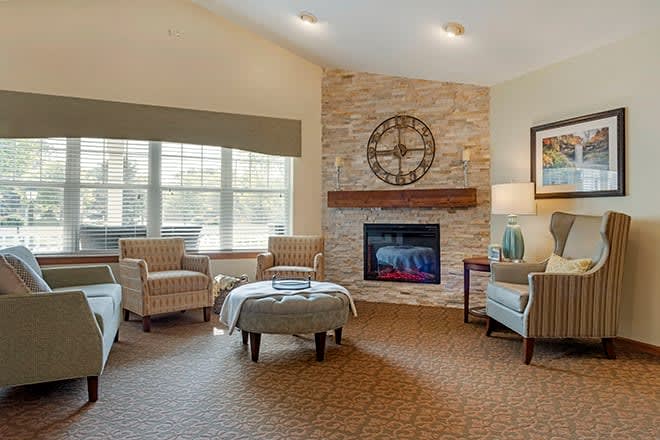
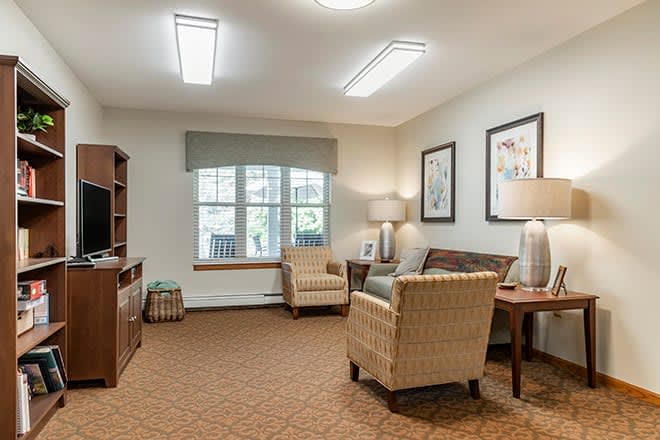
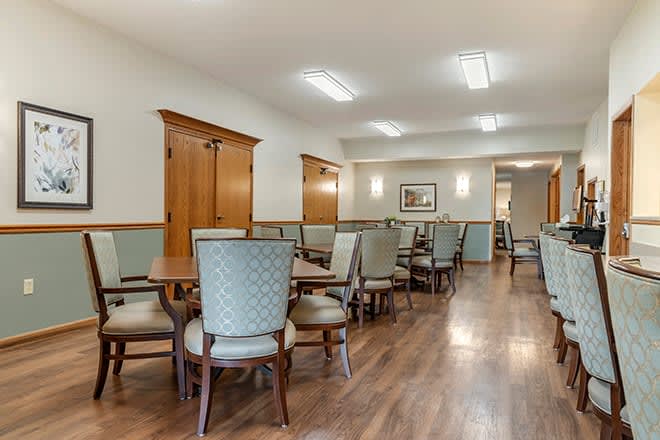
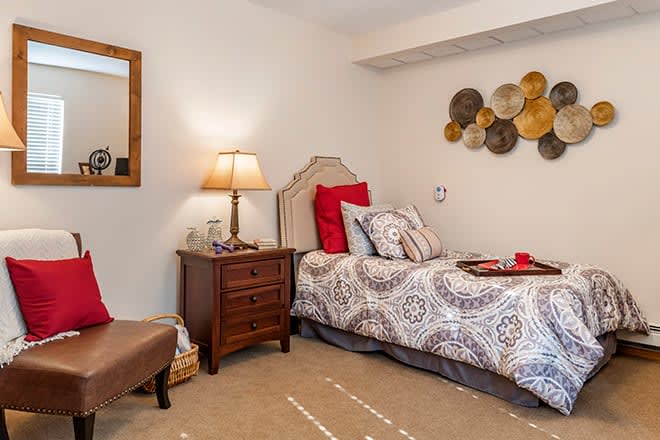
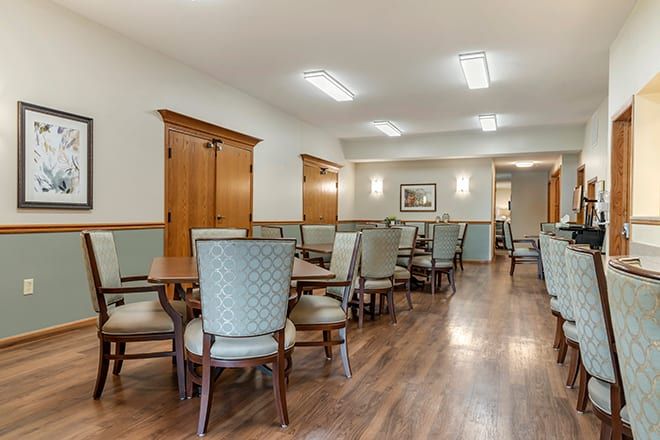
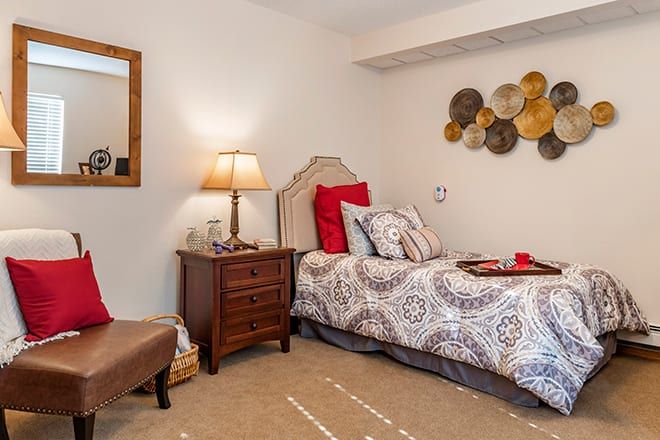
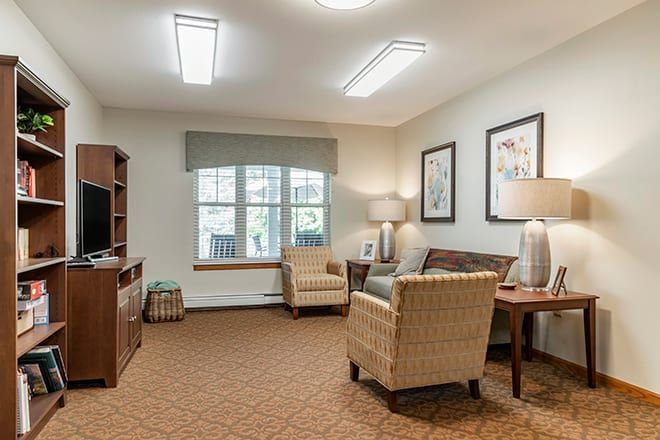
In day-to-day terms, Brookdale West St. Paul presents a calm, clean, and comfortable environment. Residents benefit from the absence of crowded corridors, the convenience of being on one level, and a campus designed for easy navigation and safety. The dining experience is a standout, with reliable mealtimes and a kitchen staff committed to quality. Outdoor spaces and a gardenable memory‑care area offer meaningful activity outlets, and families frequently commend the staff’s willingness to accommodate and communicate. The bottom line is clear: this is a thoughtful, solid option for families seeking a quiet, affectionate, and well‑run small community, especially for memory care residents who value activity and structure. It is not ideal for those needing high‑acuity medical support or a lean toward high‑energy programming, and it requires disciplined financial due diligence and ongoing stakeholder communication to realize its full value.
 19 resident community capacity
 Studio apartments
 Assisted Living
 Memory Care
 Skilled Nursing Facility
 Cats allowed
 Dogs allowed
 Activities off-site
 Air-conditioning
 Beautician on-site
 Cable or satellite TV
 Devotional services off-site
 Dining room
 Financing advice
 Fully furnished
 Garden
 Ground floor units
 Guest parking
 Handicap accessible
 Housekeeping services
 Indoor common areas
 Kitchenette
 Laundry
 Move-in coordination
 Outdoor common areas
 Party space
 Respite or short term stays offered
 Security gate
 Telephone
 Wheelchair accessible showers
 Wi-Fi/high-speed internet available
 Minneapolis-St Paul International (6 miles away)
 24-hour supervision
 Assistance with bathing
 Assistance with dressing
 Assistance with transfers
 Diabetes diet
 Diabetic care
 Incontinence care
 Meal preparation and service
 Medication management
 Mental wellness program
 Physical therapy
 Special dietary restrictions
 Transportation arrangement (medical)
 Transportation to doctors appointments
 Art classes
 Catholic services
 Cooking classes
 Day trips and outings
 Educational speakers / life long learning
 Fitness programs
 Games
Games Happy hour
 Karaoke
 Live musical performances
 Live well programs
 Stories
 How to Communicate with a Loved One Living with Dementia: 10 Supportive Strategies
 Comprehensive Guide to VA Nursing Homes: A Crucial Long-Term Care Resource for Veterans
 Estimating the Expenses of At-Home Dementia Care: A Detailed Exploration