
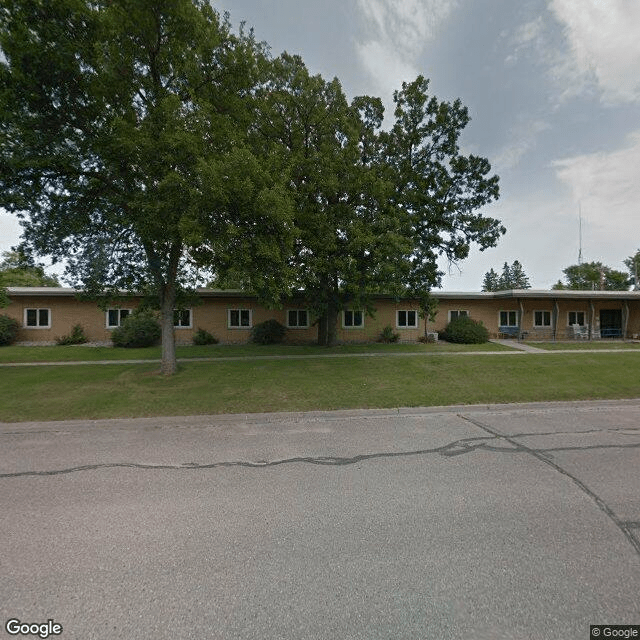
311 Broadway Ave NE, Red Lake Falls, MN 56750
To contact a resident: (218) 253-2157
For more information about senior living options: (866) 208-4318
Overall Review of Hillcrest Nursing Home
Pros
 The staff at Hillcrest are compassionate and caring.
- Hillcrest is a fantastic place for long-term care.
- Hillcrest provides care that makes residents feel safe and secure.
- The reviewer would highly recommend Hillcrest for long-term care.
- Hillcrest ensures that residents are well taken care of.
Cons
 Horrible owners and management.
- The room might be a lounge; no place for a resident to live.
- No bathroom, running water, or window.
- Do your research!
- Terrible management.
- Do not recommend.
- They state she ended up in a truly horrible place before finding Hillcrest.
Review
Hillcrest Nursing Home in Red Lake Falls, MN is best suited for families that prize hands-on, compassionate daily care and a steady sense of security for a loved one living with long-term needs. The community appears most appropriate for residents who have endured a serious health event, such as a stroke, and who require ongoing skilled support, occupational, physical, and speech therapy, as part of a sustained care plan. For families facing tight timelines or limited options, Hillcrest can feel compelling because the emphasis is on attentive, relationship-driven caregiving. Those who demand pristine facilities, private rooms with en-suite bathrooms, and flawlessly reliable governance may want to consider alternatives. The overall picture, reflected in a low rating and sharply critical feedback about management and room quality, signals real governance and infrastructure risks alongside the potential for genuine, compassionate caregiving.
On the upside, the standout strength is the caregiving staff’s compassion. A family recounts that the team is deeply caring and provides a level of security for a mother who had endured trauma before arriving. That emotional support translates into tangible benefits: residents feel safer, families gain peace of mind, and therapists can collaborate with familiar, trusted hands. When care is delivered with consistency and warmth, it can make rehabilitation more effective and daily life more manageable, even if other facility elements aren’t perfect. In practice, that human connection often becomes the defining factor in whether a resident thrives and the family remains confident in the placement.
However, the negatives cannot be ignored. The most troubling critiques center on management and ownership, with critics describing poor leadership and a lack of reliable administrative oversight. One reviewer portrays the facility as lacking fundamental dignity in some rooms, implying lounge-like spaces stripped of basic amenities, and suggesting that some rooms may lack bathrooms, running water, or even windows. Another reviewer labels the governance as terrible, signaling that administrative reliability may be inconsistent. Taken together with a 2.3 overall rating from three reviews, these concerns establish a real tension between caregiving warmth and the credibility of the operating structure, a tension that can unsettle families during crucial decision moments.
Between the lines, Hillcrest’s strengths and weaknesses create a clear calculation: strong, compassionate staffing can offset many emotional and daily living challenges, but questionable facility conditions and unstable leadership can erode trust and threaten resident safety over time. For families who can verify stable staffing, transparent reporting, and a demonstrated commitment to maintaining essential infrastructure, Hillcrest can deliver meaningful value, especially for residents who need ongoing therapy services and a steady, caring presence. For others, the risk that the environment and governance may not meet expectations is enough to push toward alternatives with more consistent facility standards, private rooms, and clearer accountability.
Decision-ready families should anchor their evaluation in practical checks: observe staff interactions during a tour, request a look at typical resident rooms, and confirm whether private rooms with bathrooms are available. Ask for recent incident reports, current staffing ratios, and who holds management accountable. Confirm access to the full range of OT, PT, and speech therapy, and review the care plan for any stroke recovery needs. If the resident’s needs or the family’s tolerance for risk lean toward stability and predictable governance, alternatives with modern infrastructure and documented operations may be preferable.
In the end, Hillcrest stands as a platform with a compassionate caregiving core but uneven governance and infrastructure signals. It is a fit for families willing to foreground daily human interaction and emotional security, with a plan to address potential room-quality and management questions head-on. Those who cannot tolerate ambiguous oversight or outdated facilities should pursue other options. The recommended course is to conduct a careful, structured visit, demand concrete answers about rooms and maintenance, and weigh Hillcrest against similarly rated centers that offer stronger facility standards and clearer governance while still delivering the caregiving depth that families value.
 Assisted Living
 Activities on-site
 Devotional services off-site
 Indoor common areas
 Ambulatory care
 Diabetic care
 Meals provided


 Assisted Living Expenses and Long-Term Care Insurance: A Comprehensive Exploration
 Securing Financial Support for Assisted Living: A Comprehensive Overview
 Social Security Benefits and Assisted Living: Navigating Options Across the U.S.