
For more information about senior living options: (844) 490-3973
Assisted LivingIndependent LivingMemory Care
Benedictine Living Community O Costs & Pricing
Benedictine Living Community O offers a semi-private room at a competitive monthly rate of $3,200, which aligns with the average charges within Rice County. When compared to the broader state of Minnesota, where similar accommodations can reach approximately $4,051 per month, Benedictine Living Community O presents a cost-effective option for residents seeking quality care in a supportive environment. This pricing structure not only reflects the community's commitment to affordability but also ensures that families can access essential services without compromising on care quality.
Floor plans
Benedictine Living Community O
Rice County
Minnesota
Semi-Private
$3,200
$3,200
$4,051
Features
Housing
21 resident community capacity
Types of Care
Assisted LivingAssisted living facilities provide crucial support and care for seniors who may need help with daily tasks such as medication management, bathing, and meal preparation. These communities offer a safe and comfortable environment where seniors can maintain their independence while receiving the assistance they need to thrive in their golden years.
Independent LivingIndependent living communities are important for seniors because they offer a safe and supportive environment where older adults can live independently while still having access to amenities and services that enhance their quality of life. These communities provide social opportunities, recreational activities, and assistance with daily tasks, promoting overall well-being and allowing seniors to maintain their independence for as long as possible.
Memory CareMemory care is crucial for seniors as it provides specialized support and services for individuals with dementia or Alzheimer's disease. These programs offer a safe and secure environment where residents receive personalized care, cognitive stimulation, and help with daily activities. Memory care helps seniors maintain their independence, quality of life, and dignity while also providing peace of mind for their families.
Amenities
Activities on-siteActivities on-site are important for seniors because they provide opportunities for socialization, mental stimulation, physical activity, and overall well-being. Engaging in activities can help seniors stay active, maintain their independence, and improve their quality of life.
Beauty salonBeauty salons are important for seniors because they provide a space for them to feel pampered, socialize, and maintain their personal grooming and hygiene. Regular visits to a beauty salon can help boost seniors' self-esteem and overall well-being.
Cable or satellite TVCable or satellite TV is important for seniors because it provides entertainment, news, and companionship, helping to combat loneliness and boredom. It also offers a wide range of programming options tailored to different interests and preferences.
Devotional services off-siteDevotional services off-site are important for seniors as they provide spiritual nourishment, social engagement, and a sense of community outside of the senior living facility. This can enhance overall well-being and help combat feelings of isolation and loneliness often experienced by older adults.
Dining roomDining rooms are important for seniors as they provide a space for socialization, connection, and nutritious meals. They offer opportunities for residents to bond over shared meals, foster a sense of community, and promote healthy eating habits. Dining rooms also ensure that seniors have access to well-balanced meals tailored to their dietary needs and preferences.
Fully furnishedFully furnished senior living communities are important for seniors because they provide convenience, comfort, and a hassle-free moving experience. Seniors can easily settle into their new living space without the stress of having to buy and move furniture. This allows them to focus on enjoying their new home and community.
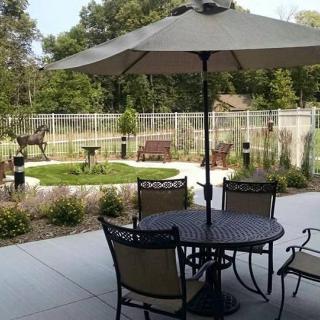
GardenGardens are important for seniors as they provide a peaceful and therapeutic environment for relaxation, physical activity, and socialization. Being in nature has been shown to reduce stress, improve mood, and promote overall well-being. Gardens also offer opportunities for seniors to engage in gardening activities, which can improve mobility, flexibility, and cognitive function. Additionally, gardens create a sense of community and connection with others who share a passion for plants and outdoor spaces.
Housekeeping servicesHousekeeping services are important for seniors because they help maintain a clean and safe living environment, promote independence, and reduce the risk of accidents or illnesses. Additionally, having assistance with household chores can alleviate physical strain and allow seniors to focus on other aspects of their well-being.
Indoor common areasIndoor common areas are crucial for seniors as they provide a space for socialization, recreation, and community engagement, promoting overall well-being and reducing feelings of isolation and loneliness.
KitchenetteKitchenettes are important for seniors living in senior living communities because they provide the convenience and independence of being able to prepare simple meals and snacks in the comfort of their own living space. This can help promote a sense of autonomy and well-being for seniors, allowing them to maintain some level of control over their dietary choices and daily routines.
Move-in coordinationMove-in coordination is important for seniors because it helps ease the transition into their new living environment. It ensures that all logistics, such as packing, organizing movers, and setting up utilities are taken care of, allowing seniors to focus on settling in and adjusting to their new home. Having a smooth move-in process can alleviate stress and anxiety, making the transition smoother and more enjoyable for seniors.
Outdoor spaceOutdoor spaces are important for seniors as they provide opportunities for physical activity, social interaction, exposure to natural light and fresh air, and a sense of connection to nature. Having access to outdoor spaces can improve overall well-being and quality of life for older adults living in senior communities.
Restaurant-style diningRestaurant-style dining is important for seniors because it allows them to enjoy delicious, nutritious meals in a social and upscale setting. This enhances their dining experience, promotes healthy eating habits, and fosters socialization with fellow residents, ultimately contributing to their overall well-being and quality of life.
Small librarySmall libraries are important for seniors as they provide access to a variety of reading materials, including books, newspapers, and magazines. This can help stimulate their minds, keep them engaged, and provide a sense of community through book clubs and other social activities. Additionally, reading has been shown to improve cognitive function and overall mental well-being in older adults.
TelephoneTelephones are important for seniors as they provide a lifeline for communication with loved ones, emergency services, and healthcare providers. They offer a sense of security and independence, enabling seniors to stay connected and access assistance when needed.
Wi-Fi/high-speed internet availableWi-Fi/high-speed internet is important for seniors to stay connected with loved ones, access online resources, and participate in virtual activities to combat feelings of loneliness and isolation. It also allows them to easily manage healthcare needs, access entertainment, and engage in lifelong learning opportunities.
Care Services
24-hour call system24-hour call systems are important for seniors because they provide peace of mind and immediate assistance in case of emergencies. This technology ensures that help is always available, promoting safety and security for elderly individuals living alone or in assisted living facilities.
24-hour supervision24-hour supervision is important for seniors to ensure their safety, well-being, and access to immediate assistance in case of emergencies or health issues. This constant support provides peace of mind for both seniors and their loved ones, allowing them to age in place with dignity and security.
Activities of daily living assistanceActivities of daily living assistance are important for seniors because they provide essential support with tasks such as eating, bathing, dressing, and mobility. This assistance helps seniors maintain their independence, dignity, and overall quality of life as they age.
Ambulatory care"Ambulatory care services provide essential medical support and treatment to seniors without requiring hospitalization, allowing them to maintain their independence and quality of life while managing chronic conditions or receiving routine medical care."
Assistance with bathingAssistance with bathing is crucial for seniors as it helps maintain personal hygiene, prevents infections, and ensures their overall well-being and comfort. It also provides a sense of dignity and independence for seniors who may struggle with this task on their own.
Assistance with dressingAssistance with dressing is important for seniors because it helps maintain their independence, promotes personal hygiene, prevents accidents and injuries, and improves overall quality of life. This service ensures that seniors can continue to dress comfortably and confidently, despite any physical limitations they may have.
Assistance with transfersAssistance with transfers is crucial for seniors as it helps prevent falls and injuries, maintains their independence, and ensures they can safely navigate their living environment. It also provides peace of mind for both seniors and their loved ones.
Diabetes dietA diabetes diet is crucial for seniors as it helps manage blood sugar levels, reduce risks of complications, and improve overall health and well-being. By following a balanced and nutritious diet tailored to their specific needs, seniors can better control their diabetes and enhance their quality of life.
Diabetic careDiabetic care is crucial for seniors as they are more susceptible to developing diabetes due to aging and other health conditions. Proper management of diabetes can help prevent complications such as heart disease, vision loss, and nerve damage, improving the overall quality of life for seniors in senior living communities.
Meal preparation and serviceMeal preparation and service are crucial for seniors as they may have limited mobility or energy to cook nutritious meals. Having access to healthy and convenient food options can ensure they are getting the proper nutrition needed to maintain their overall health and well-being.
Medication managementMedication management is crucial for seniors to ensure they are taking the right medications at the correct dosages and times. This helps prevent adverse drug interactions, reduces the risk of medication errors, and promotes overall health and well-being. Proactive management also allows for adjustments as needed based on changing health conditions or new prescriptions.
Mental wellness programMental wellness programs are essential for seniors as they promote cognitive stimulation, emotional support, and social engagement. These programs help prevent isolation, depression, and cognitive decline, ultimately enhancing the overall quality of life for older adults.
Mild cognitive impairment"Mild cognitive impairment" is important for seniors because it is an early stage of cognitive decline that can potentially progress to more severe conditions such as dementia. Recognizing and addressing mild cognitive impairment can help seniors receive appropriate care and support to maintain their quality of life and independence for as long as possible.
Special dietary restrictionsSpecial dietary restrictions are important for seniors because age-related changes in metabolism and health conditions can make it difficult for their bodies to process certain foods. By following a diet tailored to their specific needs, seniors can maintain their overall health and well-being, manage chronic conditions, and reduce the risk of complications such as malnutrition or food interactions with medications.
Specialized memory care programmingSpecialized memory care programming is crucial for seniors with cognitive impairments such as dementia or Alzheimer's disease. These programs provide a safe and supportive environment tailored to the unique needs of individuals with memory loss, helping them maintain their independence, dignity, and quality of life.
Dining
Diabetes dietA diabetes diet is crucial for seniors as it helps manage blood sugar levels, reduce risks of complications, and improve overall health and well-being. By following a balanced and nutritious diet tailored to their specific needs, seniors can better control their diabetes and enhance their quality of life.
Meals provided"Meals provided" are crucial for seniors in assisted living communities as it ensures they have access to nutritious, balanced meals without the stress of meal planning and preparation. This can help promote overall health and well-being for seniors who may have limited mobility or cognitive abilities.
Special dietary restrictionsSpecial dietary restrictions are important for seniors because age-related changes in metabolism and health conditions can make it difficult for their bodies to process certain foods. By following a diet tailored to their specific needs, seniors can maintain their overall health and well-being, manage chronic conditions, and reduce the risk of complications such as malnutrition or food interactions with medications.
Activities
Activities on-siteActivities on-site are important for seniors because they provide opportunities for socialization, mental stimulation, physical activity, and overall well-being. Engaging in activities can help seniors stay active, maintain their independence, and improve their quality of life.
Community-sponsored activitiesCommunity-sponsored activities are important for seniors as they provide opportunities for social interaction, mental stimulation, and physical activity. These activities can help improve overall well-being, combat loneliness and isolation, and promote a sense of belonging and purpose among older adults.
Devotional activities offsiteDevotional activities offsite are important for seniors because they provide social engagement, spiritual growth, and a sense of community outside of their living environment. This can improve overall well-being, mental health, and combat feelings of isolation or loneliness.
Resident-run activitiesResident-run activities are important for seniors as they encourage social interaction, creativity, and a sense of autonomy. These activities empower seniors to stay engaged and active in their community while fostering meaningful connections with their peers.
Scheduled daily activitiesScheduled daily activities are important for seniors because they provide structure, socialization, mental stimulation, and physical activity. Engaging in regular activities can improve overall well-being and quality of life for seniors living in a community setting.
Description
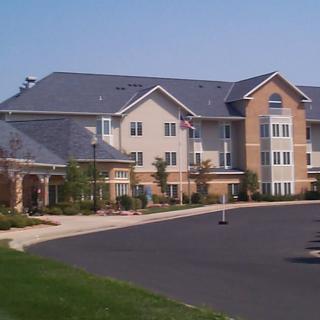
Benedictine Living Community O in Northfield, MN is a vibrant and welcoming assisted living community offering a range of care services to meet the individual needs of residents. With a focus on Independent Living and Memory Care, our community provides a supportive and engaging environment for seniors.
Residents at Benedictine Living Community O can enjoy a variety of amenities designed to enhance their daily lives. Our beauty salon ensures that residents always look and feel their best, while cable or satellite TV offers entertainment options within the comfort of their own accommodation. Devotional services off-site provide spiritual nourishment, and our spacious dining room offers delicious meals prepared by our culinary team. The community also features well-maintained gardens, providing an outdoor space for residents to relax and enjoy fresh air.
Our commitment to excellent service is reflected in our housekeeping services, ensuring that residents' living spaces are clean and tidy. Indoor common areas create opportunities for socializing with fellow residents, while small library offers a quiet place for reading and reflection. Residents have access to telephone services to stay connected with loved ones, as well as Wi-Fi/high-speed internet for browsing the web.
Care services at Benedictine Living Community O include 24-hour supervision to ensure residents' safety and well-being. Activities of daily living assistance are provided as needed, such as help with bathing, dressing, and transfers. Our trained staff also offer diabetes care and specialized meal preparation tailored to residents' dietary needs. Medication management is available to ensure medications are taken correctly, while our mental wellness program promotes emotional well-being.
For those requiring memory care support due to mild cognitive impairment or other conditions, specialized memory care programming is available. This includes activities designed to engage memory functions and stimulate cognitive abilities.
Residents at Benedictine Living Community O can expect an active social life with numerous activities offered by both the community and resident-run initiatives. Community-sponsored activities enhance social interaction among residents, while devotional activities off-site cater to spiritual needs. Scheduled daily activities provide a structured routine for residents to enjoy.
Located in the heart of Northfield, our community benefits from its proximity to various amenities. There are four cafes, four parks, seven pharmacies, eight physicians, eleven restaurants, nine places of worship, one theater, and five hospitals nearby. This ensures that residents have convenient access to necessary services and entertainment options.
At Benedictine Living Community O, we strive to create a warm and supportive environment where residents can live with dignity and independence. With an array of care services and amenities, we aim to provide seniors with a comfortable and fulfilling lifestyle.
Videos
Nearby Places of Interest
This part of Northfield, Minnesota is a well-equipped and convenient neighborhood for senior living. With multiple physicians and hospitals within close proximity, residents have easy access to healthcare services. Additionally, there are several places of worship nearby for spiritual support. The area offers a variety of cafes and restaurants, providing options for dining out or enjoying a cup of coffee with friends. Parks such as Odd Fellows Park and Cowling Arboretum offer opportunities for leisurely walks and enjoying nature. Pharmacies are also easily accessible for medication needs. Overall, this neighborhood provides a comfortable and convenient environment for seniors looking to settle down in Northfield.
Physicians
Family Health Medical Clinic Northfield (0.1 miles)
Graf, Leah Mayo Clinic Radiation Oncology (0.4 miles)
Northfield-Mayo Clinic (0.4 miles)
Ronald Larry Linde (2 miles)
Krisi K Picken Bsn Msm MD (2.2 miles)
Heidi G H Cole (2.2 miles)
Orthopaedic & Fracture Clinic (2.3 miles)
Hospitals
Northfield City Hospital & NSG (0.1 miles)
Familyhealth Medical Clinic Northfield (0.1 miles)
Northfield Hospital (0.1 miles)
Richardson (2.1 miles)
Northfield Hospital (2.2 miles)
Places of Worship
Bethel Lutheran Church (0.7 miles)
Faith In Action Interfaith Hlt (0.8 miles)
General Conference Of Seventh-Day Adventists (1.5 miles)
Benedictine Living Community O offers a semi-private room at a competitive monthly rate of $3,200, which aligns with the average charges within Rice County. When compared to the broader state of Minnesota, where similar accommodations can reach approximately $4,051 per month, Benedictine Living Community O presents a cost-effective option for residents seeking quality care in a supportive environment. This pricing structure not only reflects the community's commitment to affordability but also ensures that families can access essential services without compromising on care quality.
The range of services offered at Benedictine Living Community O is designed to address the unique challenges faced by residents with memory-related issues. Assistance with dressing and bathing promotes personal dignity and comfort, while help with transfers ensures safety for those with mobility concerns. Medication management is critical in maintaining cognitive function and overall health, as is meal preparation and service tailored to individual dietary needs, which supports both physical well-being and cognitive clarity. Activities of daily living assistance fosters independence within a supportive environment, contributing positively to self-esteem. With 24-hour supervision, residents receive constant monitoring that enhances their sense of security. The mental wellness program and specialized memory care programming are particularly impactful, offering engaging activities that stimulate cognitive function while catering specifically to the needs of those experiencing mild cognitive impairment or more advanced stages of dementia or Alzheimer's disease. Together, these features create a holistic approach that prioritizes both care and quality of life for each resident.
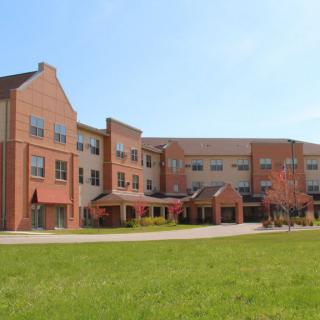
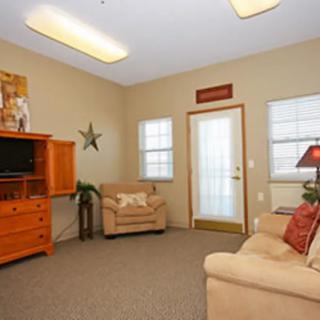
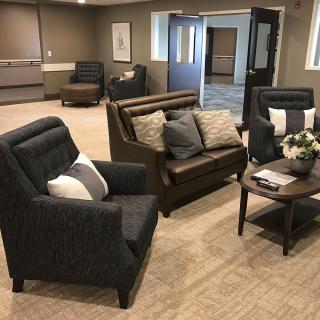
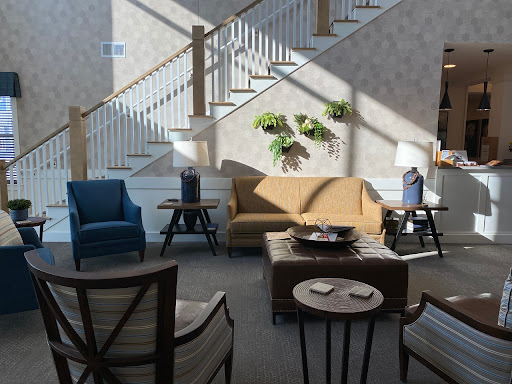
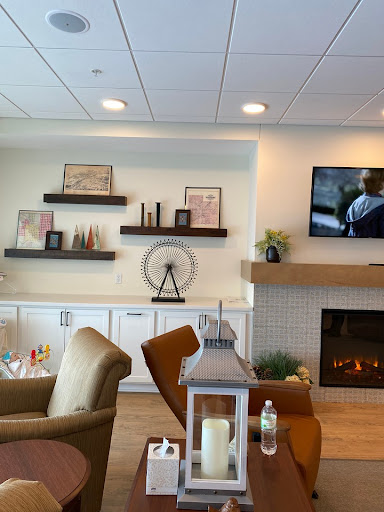
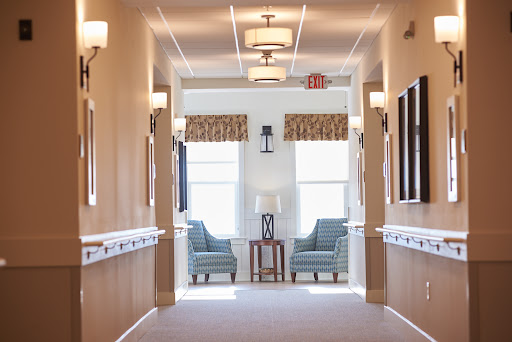
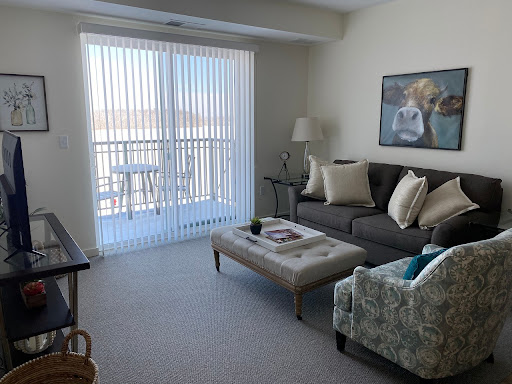
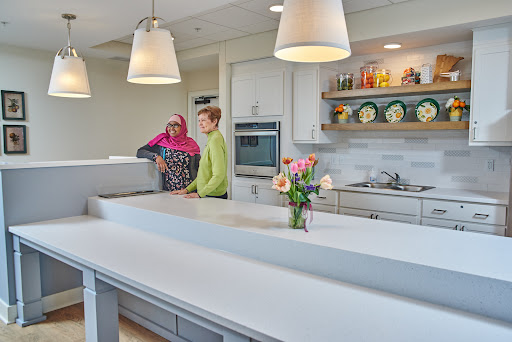
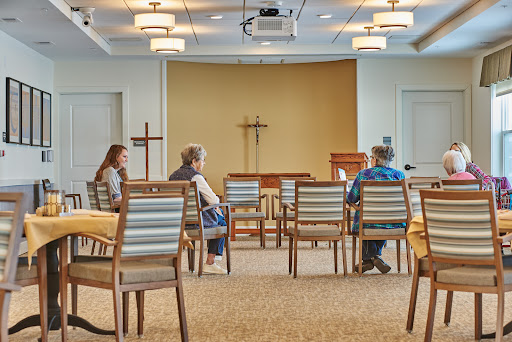
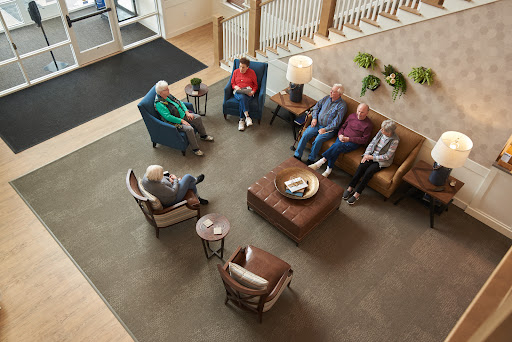
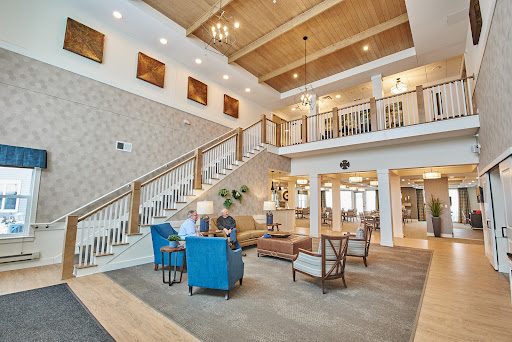
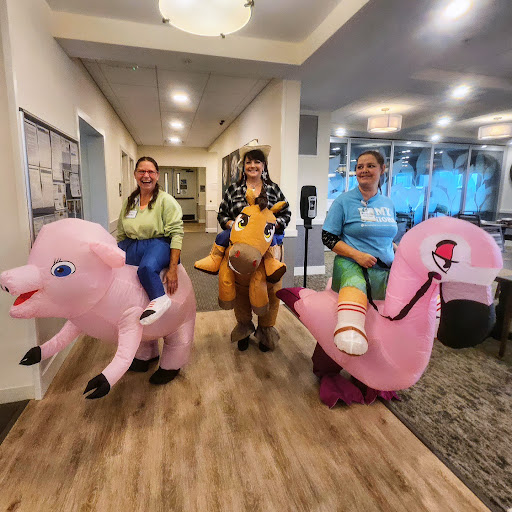
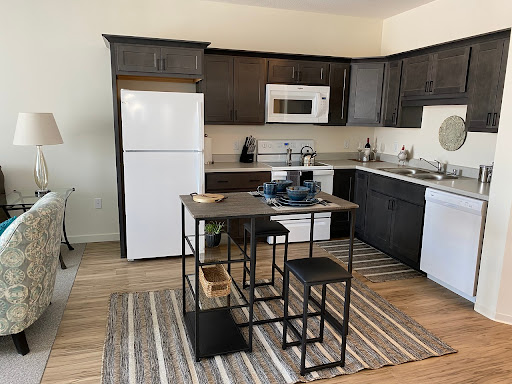
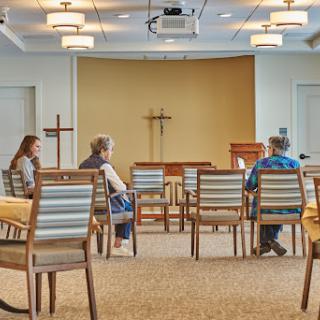
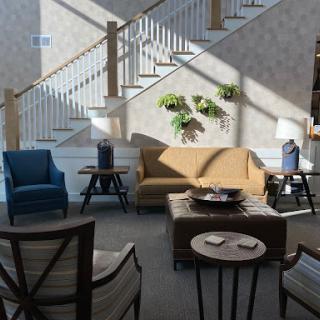
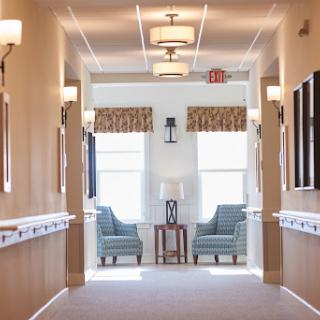
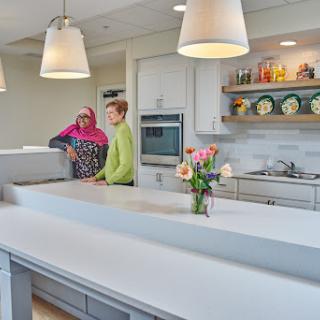
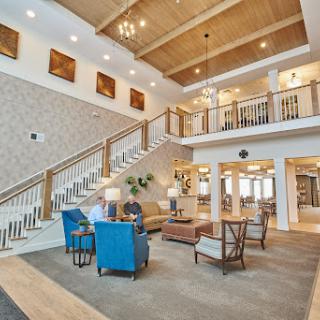
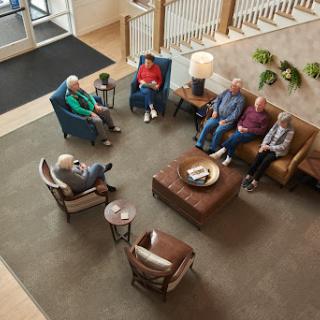
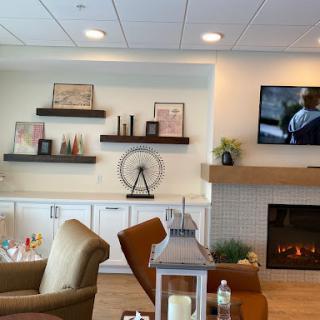
Benedictine Living Community O on seniors.fyi includes 11 photos including images showing interior, decor, living room, natural light, lobby, seating area, lighting, kitchen, and more.
Nearby Communities
Northfield Hospital Long Term Care Center
Northfield, MN
24/7 supervision and care with restaurant-style dining and diabetes-friendly meals.
Northfield Care Center
Northfield, MN
24/7 supervision with medication management and activities.
Northfield Parkview
Northfield, MN
5 from 1 review
Beautiful grounds, spacious apartments, and accommodating staff with meals provided.
At-home dementia care expenses vary widely based on care levels, location, and caregiver expertise, with monthly costs for home health aides exceeding $4,500 and specialized care potentially surpassing $100,000 annually. While families favor in-home care for its comfort and personalized attention, they must consider financial planning and the challenges of caregiver fatigue.
The article discusses the late stages of dementia, detailing the progression from mild to severe impairment and highlighting key characteristics such as profound cognitive decline and dependency in daily activities. It emphasizes care strategies focused on comfort and dignity, the importance of advance directives, and the emotional support needed for family caregivers facing this challenging journey.
The article examines the link between certain medications and increased dementia risk, particularly in older adults, emphasizing that long-term or high-dose use of anticholinergics, benzodiazepines, and other drug classes can exacerbate cognitive impairment. It calls for careful medication evaluation and shared decision-making to mitigate these risks while managing treatment efficacy.