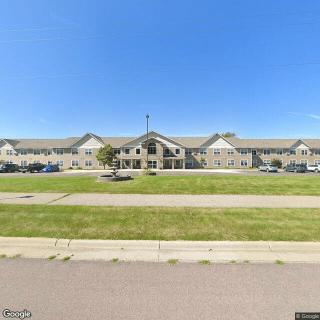
Ridgeway Senior Living in New Ulm, MN

Information last verified:

715 South German Street #100, New Ulm, MN 56073

For more information about senior living options: (844) 490-3973

1 from 2 reviews

Overall Review of Ridgeway Senior Living

Cons

  • pro They would not recommend this location or any Vista Prairie locations.
  • pro Management is absolutely terrible and unconcerned about residents' health.
  • pro They are only concerned with filling rooms to meet quotas.
  • pro They describe the food options as horrible and the activity directions as poor.
  • pro The rooms are non-functional, with AC, fridge, and stove top not working.
  • pro Management does not care about the well-being of anyone here but themselves.
  • pro They would strongly advise staying away and would not place loved ones there.

Review

Ridgeway Senior Living in New Ulm, Minnesota is best understood as a last-resort option for a very specific, limited set of circumstances. The best fit would be a resident who can largely self-manage daily living with minimal need for ongoing health monitoring or hands-on assistance, and a family that is prepared to tolerate notable gaps in management, upkeep, and basic operability. In practice, the evidence suggests this community is not appropriate for anyone who requires reliable care coordination, safe and functional living spaces, or consistent communication from leadership. For those with moderate to high care needs, or for families prioritizing a stable, well-maintained environment, Ridgeway does not meet expectations or reasonable benchmarks.

Those considering alternatives should study other options in New Ulm or nearby communities with stronger reputations for leadership stability, resident well-being, and transparent operations. The red flags raised in the reviews, management that appears disconnected from resident health and safety, and a culture focused on occupancy rather than quality, are warning signs for anyone evaluating ongoing caregiving, medication management, and routine maintenance. Families should especially weigh choices if a loved one requires timely assistance, predictable meal service, controlled temperatures, and a responsive, respectful staff.

The core cons documented, terrible management, disregard for resident well-being, poor communication, and a disturbing focus on filling rooms rather than caring for residents, overwhelm any faint positives. There are no clearly articulated, meaningful advantages cited in the feedback; the few operational issues highlighted (like non-functioning appliances) point to systemic maintenance and oversight failures. When management appears indifferent and the facility shows signs of neglect in basic safety and comfort, the supposed benefits of location or lower cost quickly lose credibility. In short, the negatives do not merely offset potential perks; they dominate the living experience.

Prospective movers should push for a rigorous, data-driven pre-move assessment. Start with a comprehensive tour at different times of day to observe staff responsiveness, call-bell delays, and the pace of routine tasks. Require access to maintenance logs, work orders, and recent capital improvements, if these are opaque or nonexistent, that absence is itself a risk signal. Speak with current residents and families about how often issues are escalated, how well staff communicate changes in care plans, and whether repairs are completed promptly. Inspect every in-room appliance and the HVAC system, verifying that temperatures are comfortable and equipment functions as needed. Demand clarity on staffing ratios during peak hours, since under-staffing typically compounds the problems described.

When comparing Ridgeway to alternatives, the benchmark should be clear: facilities with steady leadership, proactive maintenance, reliable meal service, and transparent governance. State inspection records, complaint histories, and the facility’s response to past concerns should drive the decision. If another community demonstrates consistent maintenance, solicitations for resident input, and a culture of accountability, it will almost certainly outperform Ridgeway on essential dimensions of safety, dignity, and daily quality of life. In the current context, any potential lower price or convenient location cannot compensate for persistent management failures and substandard living conditions.

Ultimately, the verdict is decisive: Ridgeway Senior Living should be avoided by families prioritizing dependable care and a respectful, well-maintained home. The two reviews portray a pattern of neglect that is not acceptable for most seniors, particularly those with evolving health needs or a desire for predictable routines. If a choice must be made, steer toward communities with demonstrable leadership accountability, robust maintenance practices, clear and timely communication, and meals and living spaces that consistently meet reasonable standards. For peace of mind and genuine resident well-being, alternatives deserve serious consideration before committing to Ridgeway.

Features

Housing

  • 21 resident community capacity 21 resident community capacity

Types of Care

  • Assisted Living Assisted LivingAssisted living facilities provide crucial support and care for seniors who may need help with daily tasks such as medication management, bathing, and meal preparation. These communities offer a safe and comfortable environment where seniors can maintain their independence while receiving the assistance they need to thrive in their golden years.
  • Memory Care Memory CareMemory care is crucial for seniors as it provides specialized support and services for individuals with dementia or Alzheimer's disease. These programs offer a safe and secure environment where residents receive personalized care, cognitive stimulation, and help with daily activities. Memory care helps seniors maintain their independence, quality of life, and dignity while also providing peace of mind for their families.

Amenities

  • Beauty salon Beauty salonBeauty salons are important for seniors because they provide a space for them to feel pampered, socialize, and maintain their personal grooming and hygiene. Regular visits to a beauty salon can help boost seniors' self-esteem and overall well-being.
  • Cable or satellite TV Cable or satellite TVCable or satellite TV is important for seniors because it provides entertainment, news, and companionship, helping to combat loneliness and boredom. It also offers a wide range of programming options tailored to different interests and preferences.
  • Dining room Dining roomDining rooms are important for seniors as they provide a space for socialization, connection, and nutritious meals. They offer opportunities for residents to bond over shared meals, foster a sense of community, and promote healthy eating habits. Dining rooms also ensure that seniors have access to well-balanced meals tailored to their dietary needs and preferences.
  • Fully furnished Fully furnishedFully furnished senior living communities are important for seniors because they provide convenience, comfort, and a hassle-free moving experience. Seniors can easily settle into their new living space without the stress of having to buy and move furniture. This allows them to focus on enjoying their new home and community.
  • Garden GardenGardens are important for seniors as they provide a peaceful and therapeutic environment for relaxation, physical activity, and socialization. Being in nature has been shown to reduce stress, improve mood, and promote overall well-being. Gardens also offer opportunities for seniors to engage in gardening activities, which can improve mobility, flexibility, and cognitive function. Additionally, gardens create a sense of community and connection with others who share a passion for plants and outdoor spaces.
  • Housekeeping services Housekeeping servicesHousekeeping services are important for seniors because they help maintain a clean and safe living environment, promote independence, and reduce the risk of accidents or illnesses. Additionally, having assistance with household chores can alleviate physical strain and allow seniors to focus on other aspects of their well-being.
  • Kitchenette KitchenetteKitchenettes are important for seniors living in senior living communities because they provide the convenience and independence of being able to prepare simple meals and snacks in the comfort of their own living space. This can help promote a sense of autonomy and well-being for seniors, allowing them to maintain some level of control over their dietary choices and daily routines.
  • Move-in coordination Move-in coordinationMove-in coordination is important for seniors because it helps ease the transition into their new living environment. It ensures that all logistics, such as packing, organizing movers, and setting up utilities are taken care of, allowing seniors to focus on settling in and adjusting to their new home. Having a smooth move-in process can alleviate stress and anxiety, making the transition smoother and more enjoyable for seniors.
  • Outdoor space Outdoor spaceOutdoor spaces are important for seniors as they provide opportunities for physical activity, social interaction, exposure to natural light and fresh air, and a sense of connection to nature. Having access to outdoor spaces can improve overall well-being and quality of life for older adults living in senior communities.
  • Telephone TelephoneTelephones are important for seniors as they provide a lifeline for communication with loved ones, emergency services, and healthcare providers. They offer a sense of security and independence, enabling seniors to stay connected and access assistance when needed.
  • Wi-Fi/high-speed internet available Wi-Fi/high-speed internet availableWi-Fi/high-speed internet is important for seniors to stay connected with loved ones, access online resources, and participate in virtual activities to combat feelings of loneliness and isolation. It also allows them to easily manage healthcare needs, access entertainment, and engage in lifelong learning opportunities.

Care Services

  • 24-hour call system 24-hour call system24-hour call systems are important for seniors because they provide peace of mind and immediate assistance in case of emergencies. This technology ensures that help is always available, promoting safety and security for elderly individuals living alone or in assisted living facilities.
  • 24-hour supervision 24-hour supervision24-hour supervision is important for seniors to ensure their safety, well-being, and access to immediate assistance in case of emergencies or health issues. This constant support provides peace of mind for both seniors and their loved ones, allowing them to age in place with dignity and security.
  • Activities of daily living assistance Activities of daily living assistanceActivities of daily living assistance are important for seniors because they provide essential support with tasks such as eating, bathing, dressing, and mobility. This assistance helps seniors maintain their independence, dignity, and overall quality of life as they age.
  • Assistance with bathing Assistance with bathingAssistance with bathing is crucial for seniors as it helps maintain personal hygiene, prevents infections, and ensures their overall well-being and comfort. It also provides a sense of dignity and independence for seniors who may struggle with this task on their own.
  • Assistance with dressing Assistance with dressingAssistance with dressing is important for seniors because it helps maintain their independence, promotes personal hygiene, prevents accidents and injuries, and improves overall quality of life. This service ensures that seniors can continue to dress comfortably and confidently, despite any physical limitations they may have.
  • Assistance with transfers Assistance with transfersAssistance with transfers is crucial for seniors as it helps prevent falls and injuries, maintains their independence, and ensures they can safely navigate their living environment. It also provides peace of mind for both seniors and their loved ones.
  • Coordination with health care providers Coordination with health care providersCoordination with health care providers is crucial for seniors to ensure proper medical care, medication management, and overall well-being. This collaboration helps prevent overlapping treatments, track progress more effectively, and provide comprehensive support tailored to individual needs.
  • Dementia waiver Dementia waiverDementia waivers are essential for seniors as they provide critical protections and accommodations for those experiencing cognitive decline. These waivers ensure individuals with dementia receive appropriate care, support, and resources to maintain their quality of life and dignity as they navigate the challenges of this progressive condition.
  • Diabetes diet Diabetes dietA diabetes diet is crucial for seniors as it helps manage blood sugar levels, reduce risks of complications, and improve overall health and well-being. By following a balanced and nutritious diet tailored to their specific needs, seniors can better control their diabetes and enhance their quality of life.
  • Hospice waiver Hospice waiverHospice waivers are important for seniors because they allow individuals to receive specialized end-of-life care and support at home or in a hospice facility. This waiver ensures that seniors can access the necessary resources and services to maintain comfort and dignity during their final days.
  • Meal preparation and service Meal preparation and serviceMeal preparation and service are crucial for seniors as they may have limited mobility or energy to cook nutritious meals. Having access to healthy and convenient food options can ensure they are getting the proper nutrition needed to maintain their overall health and well-being.
  • Medication management Medication managementMedication management is crucial for seniors to ensure they are taking the right medications at the correct dosages and times. This helps prevent adverse drug interactions, reduces the risk of medication errors, and promotes overall health and well-being. Proactive management also allows for adjustments as needed based on changing health conditions or new prescriptions.
  • Mental wellness program Mental wellness programMental wellness programs are essential for seniors as they promote cognitive stimulation, emotional support, and social engagement. These programs help prevent isolation, depression, and cognitive decline, ultimately enhancing the overall quality of life for older adults.
  • Mild cognitive impairment Mild cognitive impairment"Mild cognitive impairment" is important for seniors because it is an early stage of cognitive decline that can potentially progress to more severe conditions such as dementia. Recognizing and addressing mild cognitive impairment can help seniors receive appropriate care and support to maintain their quality of life and independence for as long as possible.
  • Special dietary restrictions Special dietary restrictionsSpecial dietary restrictions are important for seniors because age-related changes in metabolism and health conditions can make it difficult for their bodies to process certain foods. By following a diet tailored to their specific needs, seniors can maintain their overall health and well-being, manage chronic conditions, and reduce the risk of complications such as malnutrition or food interactions with medications.
  • Specialized memory care programming Specialized memory care programmingSpecialized memory care programming is crucial for seniors with cognitive impairments such as dementia or Alzheimer's disease. These programs provide a safe and supportive environment tailored to the unique needs of individuals with memory loss, helping them maintain their independence, dignity, and quality of life.
  • Transportation arrangement (medical) Transportation arrangement (medical)Transportation arrangements for medical purposes are essential for seniors as they may have difficulty driving themselves to appointments or accessing public transportation. Having reliable and safe transportation options ensures that seniors can receive timely medical care and maintain their health and well-being.
  • Transportation to doctors appointments Transportation to doctors appointmentsTransportation to doctors' appointments is crucial for seniors as it ensures they have access to necessary medical care and support for their health needs. Without reliable transportation, seniors may struggle to attend important appointments, leading to potential delays in treatment and health complications. Providing transportation services helps seniors maintain their overall well-being and quality of life.

Dining

  • Diabetes diet Diabetes dietA diabetes diet is crucial for seniors as it helps manage blood sugar levels, reduce risks of complications, and improve overall health and well-being. By following a balanced and nutritious diet tailored to their specific needs, seniors can better control their diabetes and enhance their quality of life.
  • Special dietary restrictions Special dietary restrictionsSpecial dietary restrictions are important for seniors because age-related changes in metabolism and health conditions can make it difficult for their bodies to process certain foods. By following a diet tailored to their specific needs, seniors can maintain their overall health and well-being, manage chronic conditions, and reduce the risk of complications such as malnutrition or food interactions with medications.

Activities

  • Community-sponsored activities Community-sponsored activitiesCommunity-sponsored activities are important for seniors as they provide opportunities for social interaction, mental stimulation, and physical activity. These activities can help improve overall well-being, combat loneliness and isolation, and promote a sense of belonging and purpose among older adults.
  • Resident-run activities Resident-run activitiesResident-run activities are important for seniors as they encourage social interaction, creativity, and a sense of autonomy. These activities empower seniors to stay engaged and active in their community while fostering meaningful connections with their peers.
  • Scheduled daily activities Scheduled daily activitiesScheduled daily activities are important for seniors because they provide structure, socialization, mental stimulation, and physical activity. Engaging in regular activities can improve overall well-being and quality of life for seniors living in a community setting.

Description

Ridgeway Senior Living in New Ulm, MN is a Memory Care assisted living community that provides exceptional care and support for individuals with memory impairments. Our dedicated staff offers 24-hour supervision and assistance with daily activities such as bathing, dressing, and transfers. We also provide medication management and coordinate with healthcare providers to ensure the well-being of our residents.

At Ridgeway Senior Living, we understand that each resident has unique dietary needs, which is why we offer special dietary restrictions options. Our meal preparation and service are tailored to meet any specific requirements, including diabetes diets and other specialized needs. Additionally, we have a mental wellness program in place to promote cognitive health and engage residents in meaningful activities.

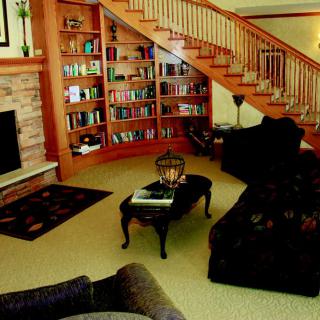
Our community boasts numerous amenities to enhance the comfort and enjoyment of our residents. From fully furnished accommodations to cable or satellite TV and Wi-Fi/high-speed internet access, we strive to create a home-like atmosphere where individuals can feel relaxed and connected. Residents can also take advantage of our beautiful outdoor spaces, gardens, and two nearby cafes for added convenience.

To ensure peace of mind for families during the transition period, we provide move-in coordination services as well as housekeeping assistance. Transportation arrangements are available for medical appointments, while nearby parks, restaurants, pharmacies, physicians' offices, places of worship add to the convenience and accessibility of our location.

At Ridgeway Senior Living in New Ulm, MN, our residents benefit from specialized memory care programming designed to promote cognitive abilities while providing personalized care in a supportive environment. With scheduled daily activities and resident-run initiatives available to engage them socially, our community encourages an active lifestyle for all residents.

Nearby Places of Interest

Parks

  • New Ulm Dog Park (0.1 miles)
  • Riverside Park (0.6 miles)
  • Brown County Probation Department (0.7 miles)
  • Nehls Park (0.9 miles)
  • Schonlau Park (0.9 miles)
  • Flandrau State Park (1 miles)
  • City of New Ulm, Park & Recreation Department (1 miles)

Transportation

  • U-Haul Neighborhood Dealer (0.2 miles)
  • Wallhangers Taxidermy (10.9 miles)
  • North Star Taxidermy (13 miles)
  • West Bay Leasing Services (17.6 miles)

Places of Worship

  • St Mary's Catholic Church (0.3 miles)
  • First Baptist Church (0.7 miles)
  • New Ulm Evangelical Free Chr (0.9 miles)
  • Wlcfs: Christian Family Counseling (1 miles)
  • Cathedral of the Holy Trinity (1.2 miles)
  • New Ulm Pastoral Center (1.5 miles)
  • Catholic Pastoral Center (1.5 miles)

Restaurants

  • Subway (0.6 miles)
  • Rodney's Tavern (0.6 miles)
  • MN EIS Ice Cream & Sweets Shoppe (0.7 miles)
  • Lamplighter (0.8 miles)
  • Kaiserhoff (0.8 miles)
  • Pub & Patio (0.9 miles)
  • Domino's Pizza (0.9 miles)

Pharmacies

  • Thrifty White Pharmacy (0.7 miles)
  • Walgreens (1.2 miles)
  • Randy's Family Drug & Gift (13.5 miles)
  • Guidepoint Pharmacy (16.7 miles)

Physicians

  • Allina Health Clinic (1.1 miles)

Cafes

  • Sippet Coffee And Bage (1.2 miles)
  • Caribou Coffee (1.2 miles)
  • Big Dogs Treasures & Coffee Shop (9.8 miles)

Hospitals

  • Sleepy Eye Medical Clinic (13.8 miles)
  • Sleepy Eye Medical Center (13.8 miles)
  • Madelia Community Hospital (17.9 miles)

Frequently Asked Questions

Where is Ridgeway Senior Living?
Does Ridgeway Senior Living provide care for residents with dementia or Alzheimer's disease?

Nearby Communities

  • Ridgeway on German

    Ridgeway on German

    New Ulm, MN

    2.3 from 3 reviews
    $1,770 to $2,195 / month

    pro Attentive staff, engaging activities, and a welcoming, airy environment with good dining.


  • Quality Life Home Care

    Quality Life Home Care

    New Ulm, MN

    3 from 2 reviews
     

    pro 24/7 supervision with ADL assistance and personalized care

  • Nova House

    Nova House

    New Ulm, MN

    3 from 8 reviews
     

  • Golden Home Care Plus

    Golden Home Care Plus

    New Ulm, MN

    3.4 from 5 reviews
     

    pro 24/7 care with ADL assistance, medication management, diabetes-friendly dining, and mental wellness.

  • Eon

    Eon

    New Ulm, MN

    3.3 from 6 reviews
     

    pro Fully furnished assisted living with 24/7 care and a mental wellness program, plus outdoor spaces.

  • Accra Care IX

    Accra Care IX

    New Ulm, MN


    pro Fully furnished with 24-hour care, housekeeping, and multiple dining options.

  • Divine Providence Nursing Home

    Divine Providence Nursing Home

    Sleepy Eye, MN

    4 from 30 reviews
     

    pro Strong resident community with caring, supportive staff.

  • North Point

    North Point

    North Mankato, MN

    4.3 from 38 reviews
     

    pro Strong on-site amenities (beautician, dining, housekeeping, Wi?Fi) and comprehensive care services with engaging activities.

  • Oak Terrace Assisted Living

    Oak Terrace Assisted Living

    North Mankato, MN

    4.1 from 40 reviews
    $3,895 to $5,295 / month

    pro Caring, professional staff in a warm, engaging community.

Assisted Living in Nearby Cities

Related Resources

  • assisted living vs memory careUnderstanding the Distinctions: Assisted Living and Memory Care Explained

    The article differentiates between assisted living and memory care, explaining that assisted living supports seniors with daily activities while promoting independence, whereas memory care provides specialized services for individuals with dementia, focusing on secure environments and cognitive support. It also addresses staff training, safety considerations, costs, family involvement, and transition strategies for families navigating these care options.

  • how to talk to someone with dementiaHow to Communicate with a Loved One Living with Dementia: 10 Supportive Strategies
    The article outlines effective communication strategies for interacting with loved ones with dementia, highlighting the need for empathy, patience, and understanding while emphasizing supportive approaches like using simple language, minimizing distractions, and focusing on feelings over facts to maintain dignity and foster connection. It also suggests seeking professional guidance when needed as communication challenges evolve.

  • va nursing homeComprehensive Guide to VA Nursing Homes: A Crucial Long-Term Care Resource for Veterans

    VA nursing homes, or Community Living Centers (CLCs), offer tailored long-term care for veterans, featuring medical attention and rehabilitation in a supportive environment. The guide covers facility types, eligibility criteria, financial assistance options, quality of care standards, and alternatives to full-time nursing home placement.