The Wealshire I in Bloomington, MN

Save

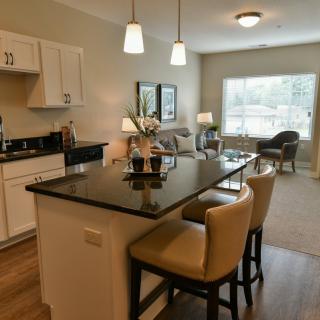
  • Interior

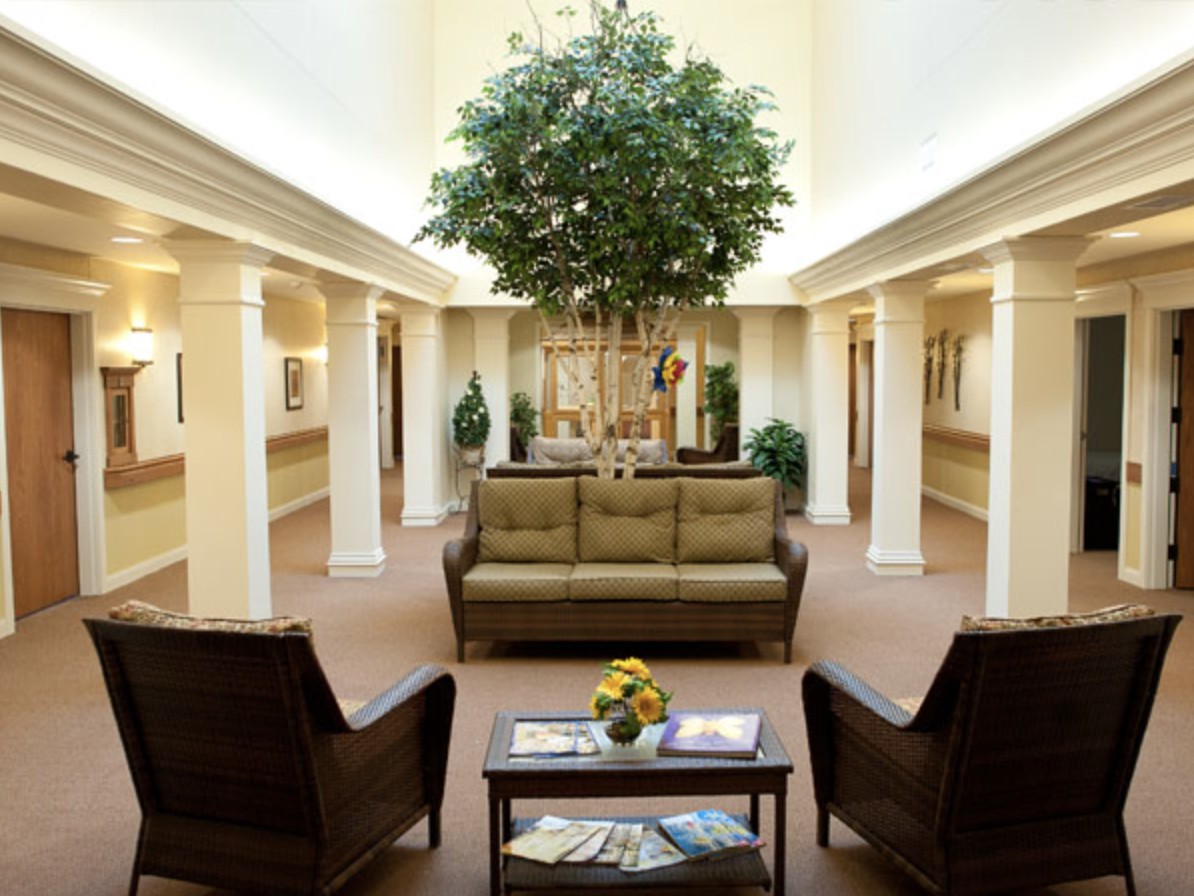
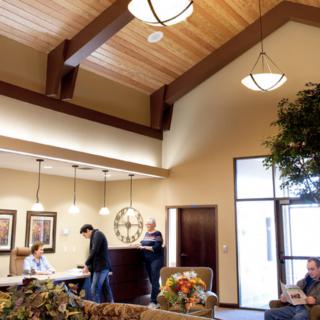
    A well-furnished lobby with a central sofa, surrounding chairs, and an indoor tree.
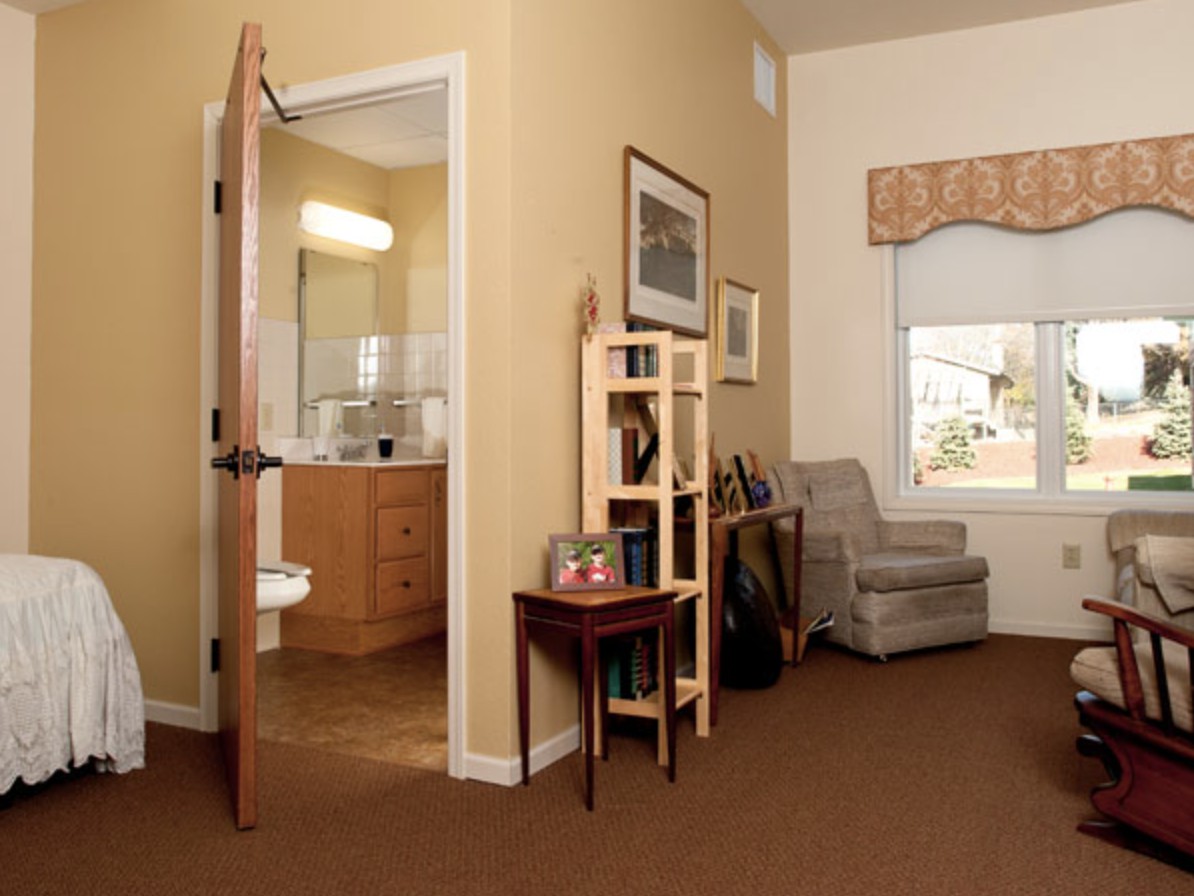
  • Decor

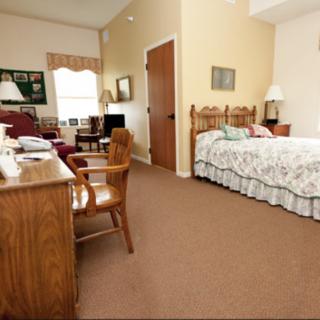
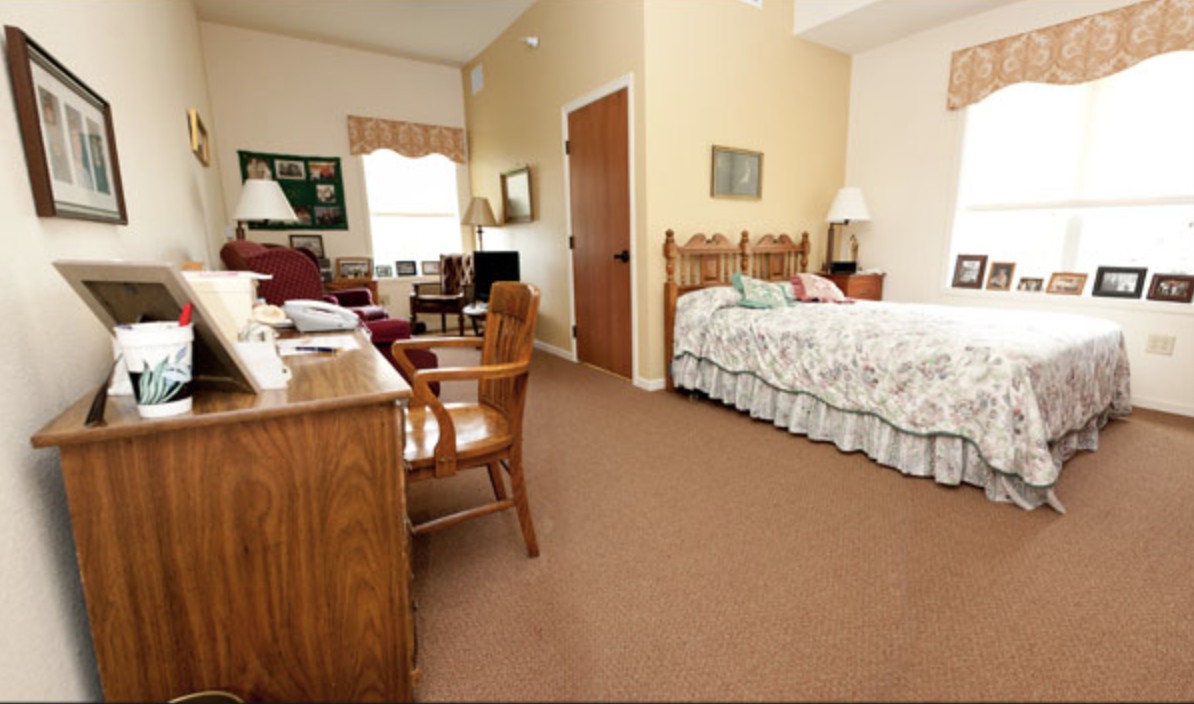
    A cozy bedroom with a wooden bed, desk, and chair, featuring warm lighting and homey decor.
  • Living Room

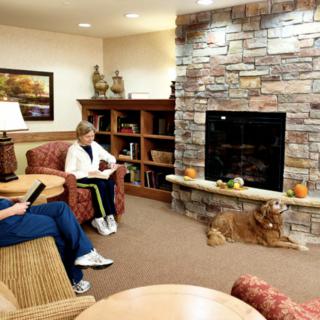
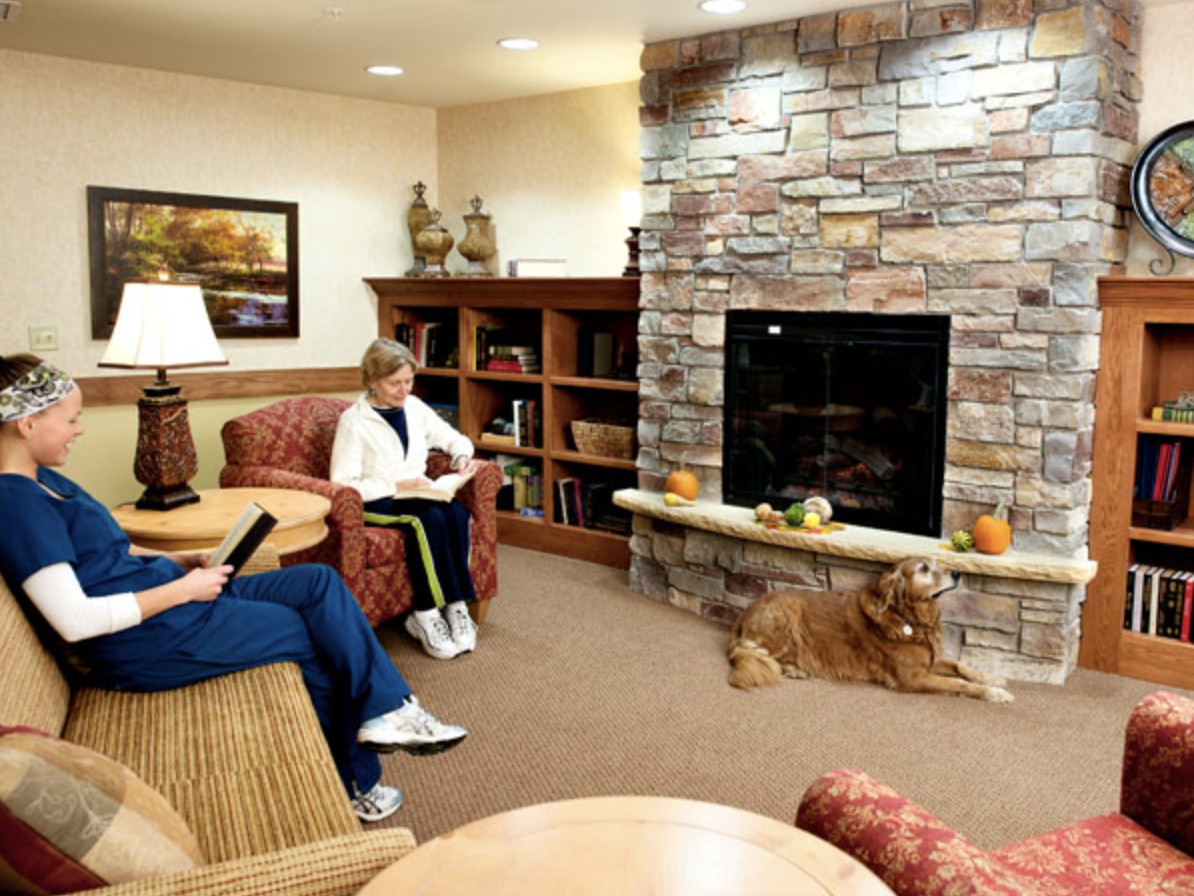
    A cozy living room with a stone fireplace, where two people are relaxing and reading near a bookshelf.
  • Building

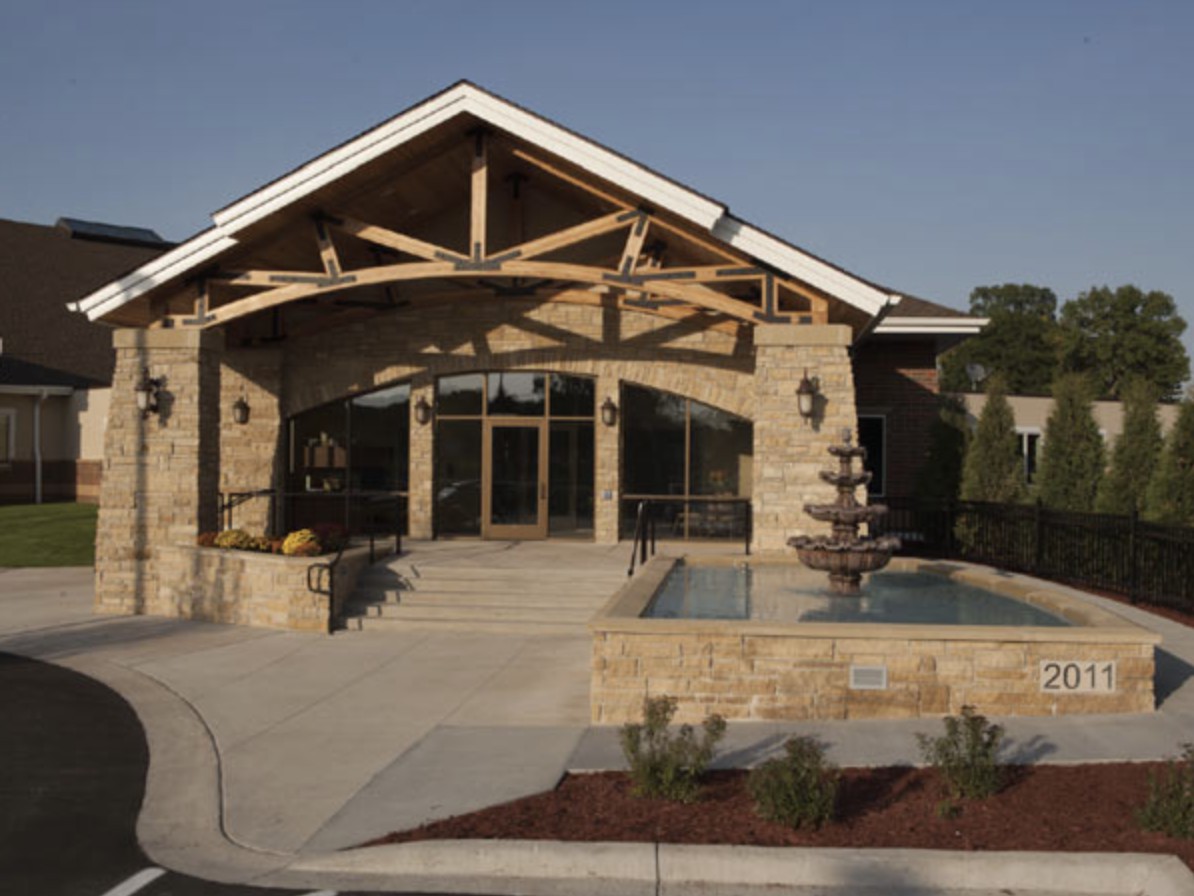
    A modern building with a stone facade and a fountain at the entrance.
  • Windows

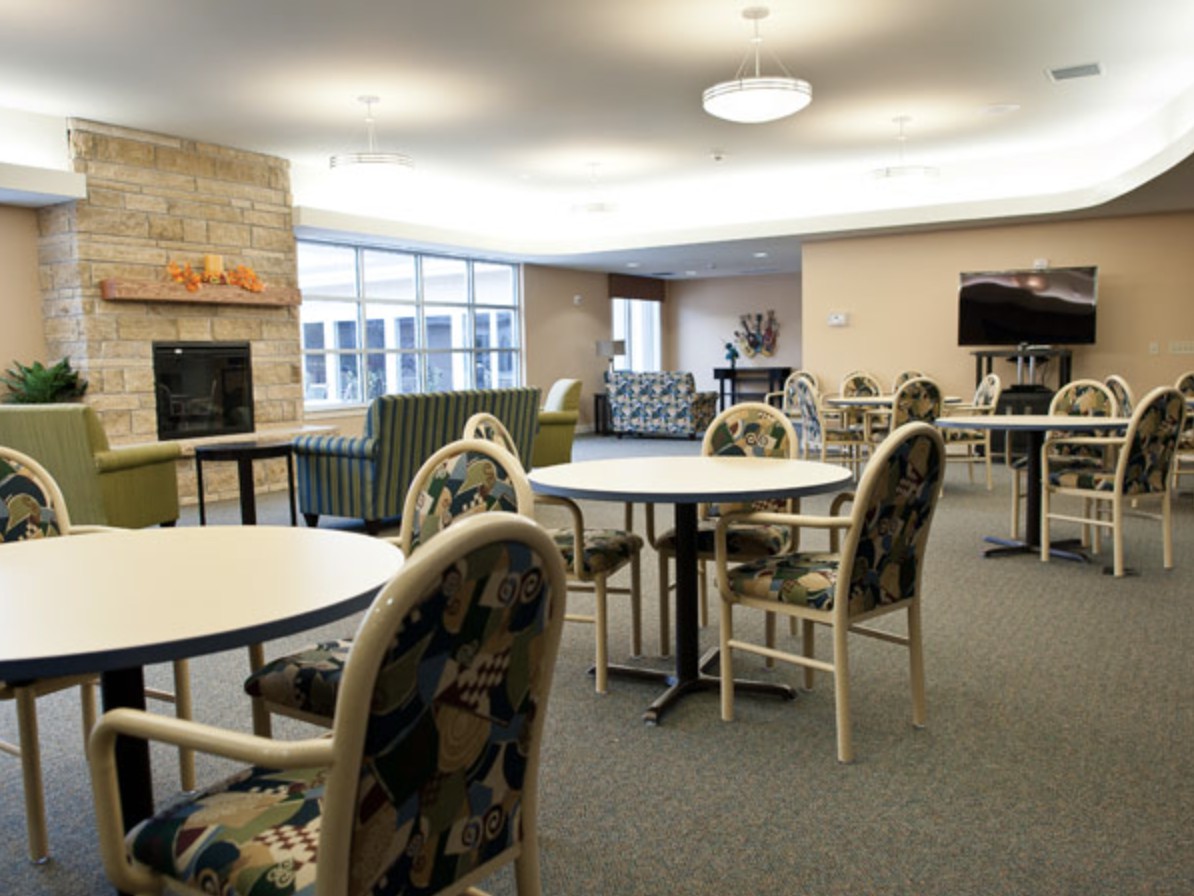
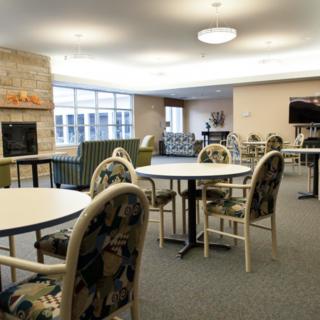
    A spacious lounge area with tables and chairs, featuring a fireplace and large windows.
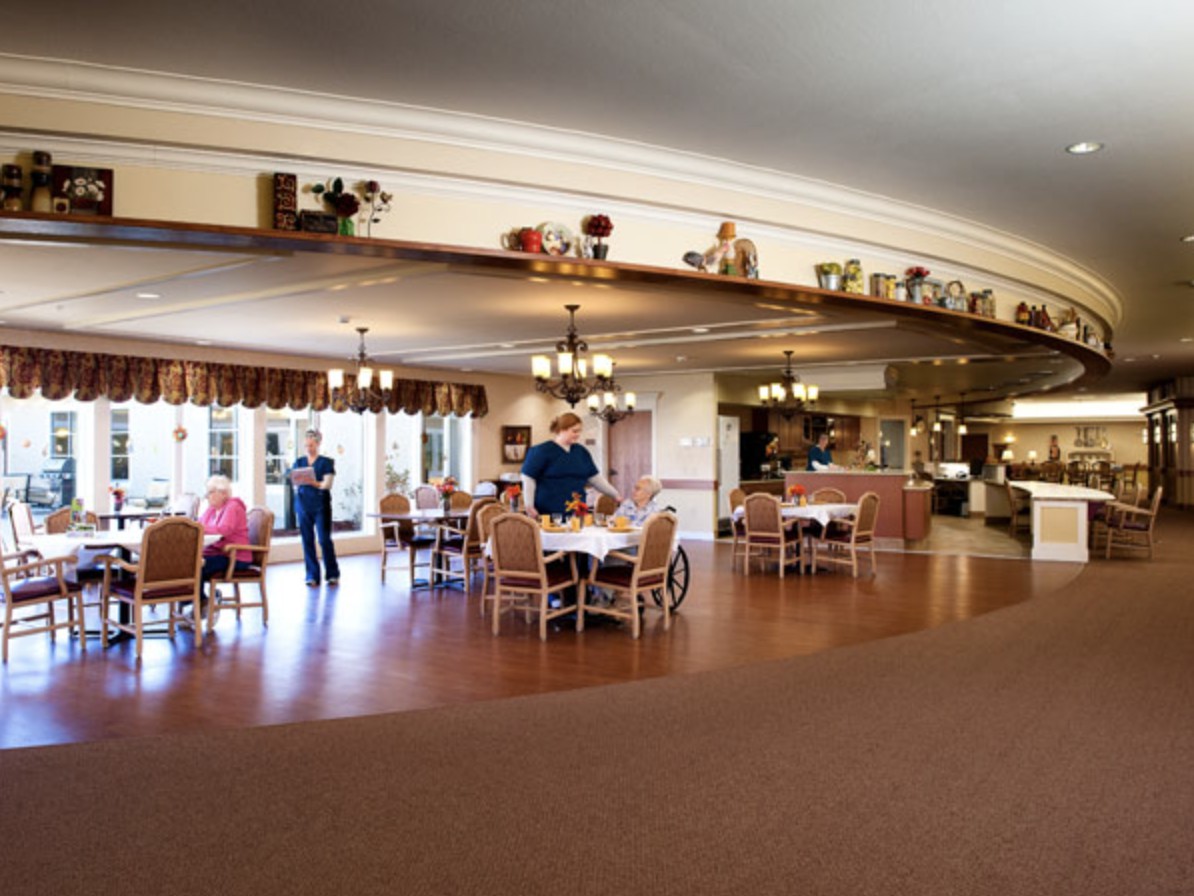
  • Dining

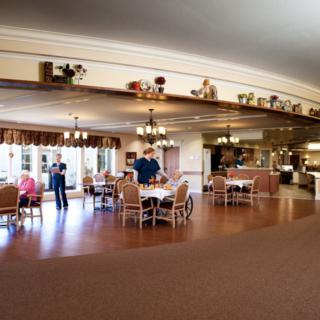
    Spacious dining area with people gathered around tables.
  • Kitchen

    A cozy kitchen area labeled 'Coffee Corner' with wooden cabinets and modern appliances.
  • Lighting

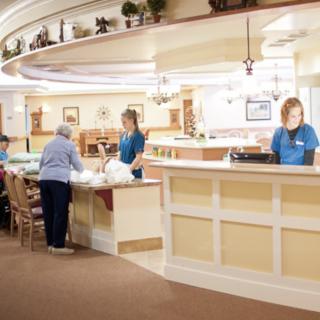
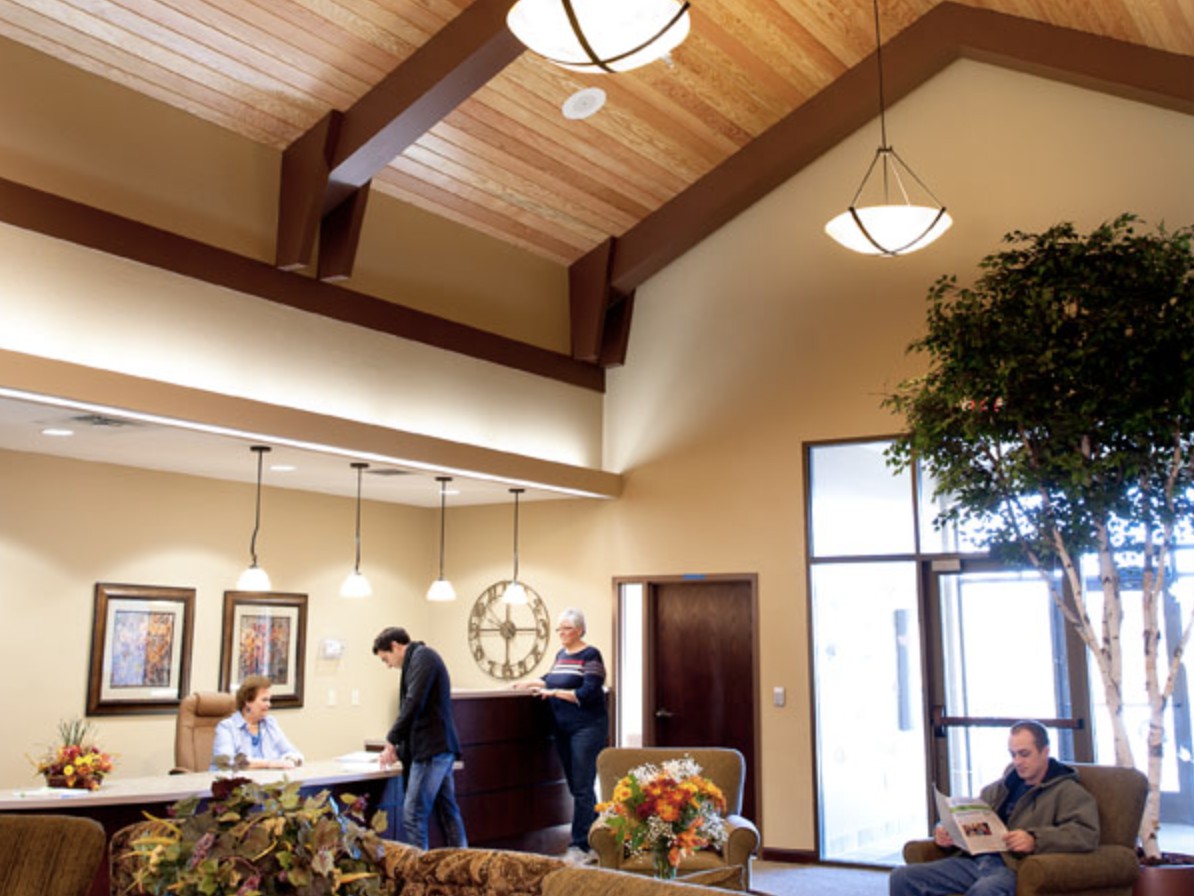
    A modern reception area with people interacting at a desk and others seated in the waiting area.
  • Seating Area

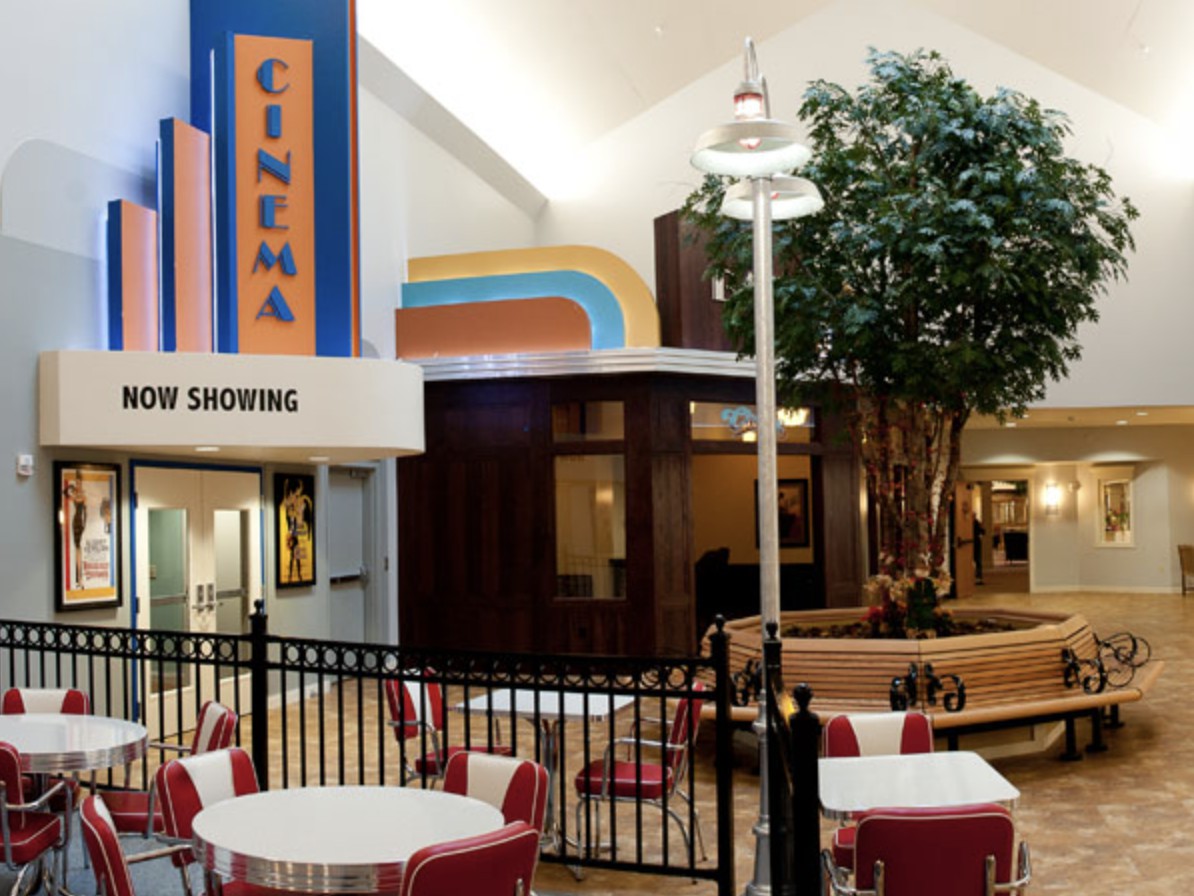
    A retro-themed cinema entrance inside a mall, featuring tables and chairs in the seating area.
  • Bathroom

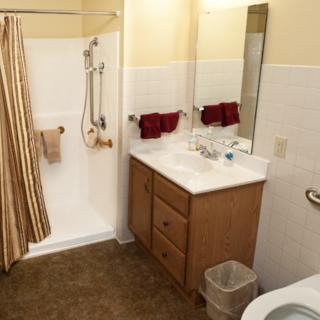
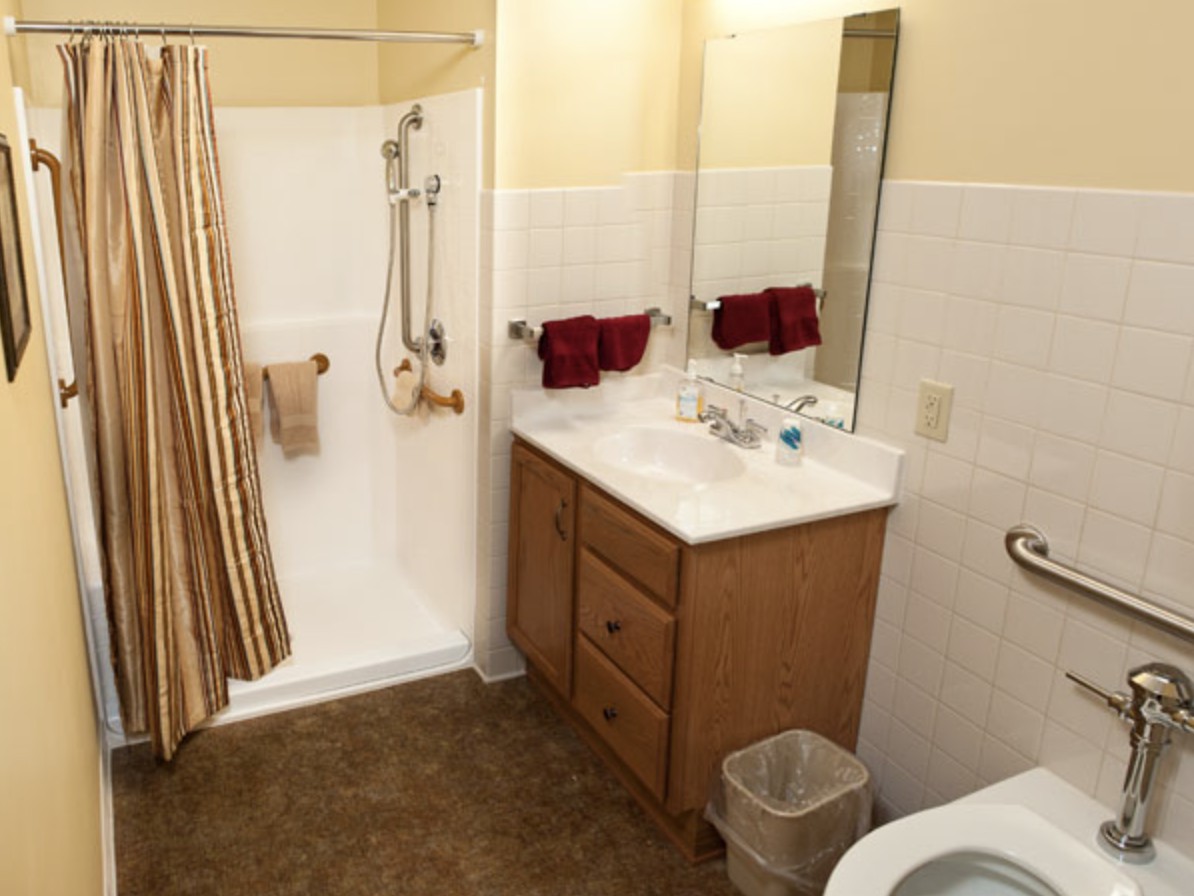
    A clean and organized bathroom with a shower, sink, mirror, and toilet.
  • Television

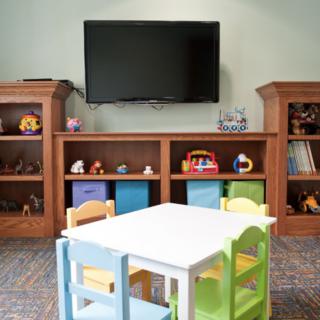
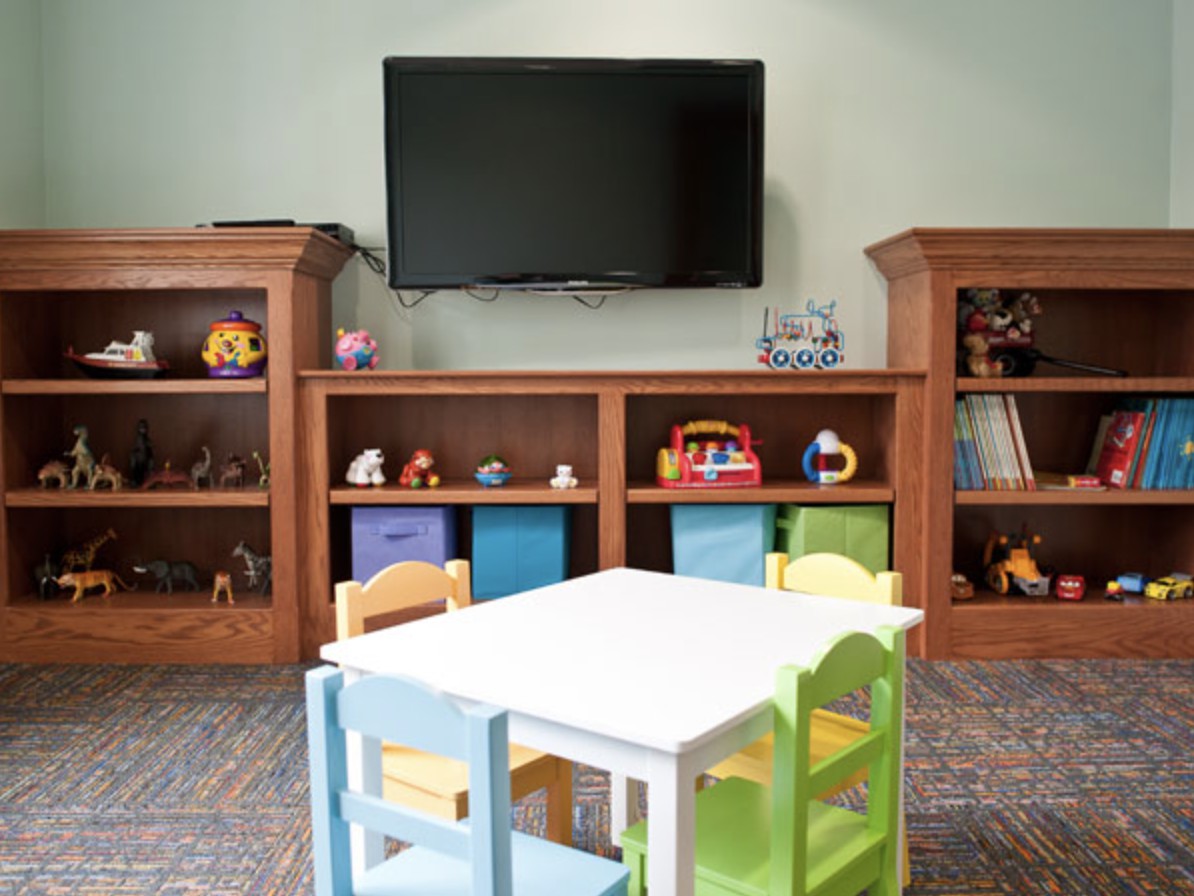
    A cozy children's playroom with a small table and colorful chairs, surrounded by bookshelves filled with toys.
  • Tree

    A cozy indoor seating area with benches surrounding a central tree in a mall's food court, featuring striped awnings and colorful tiles.
  • Salon

    An empty hair salon with styling chairs and equipment.
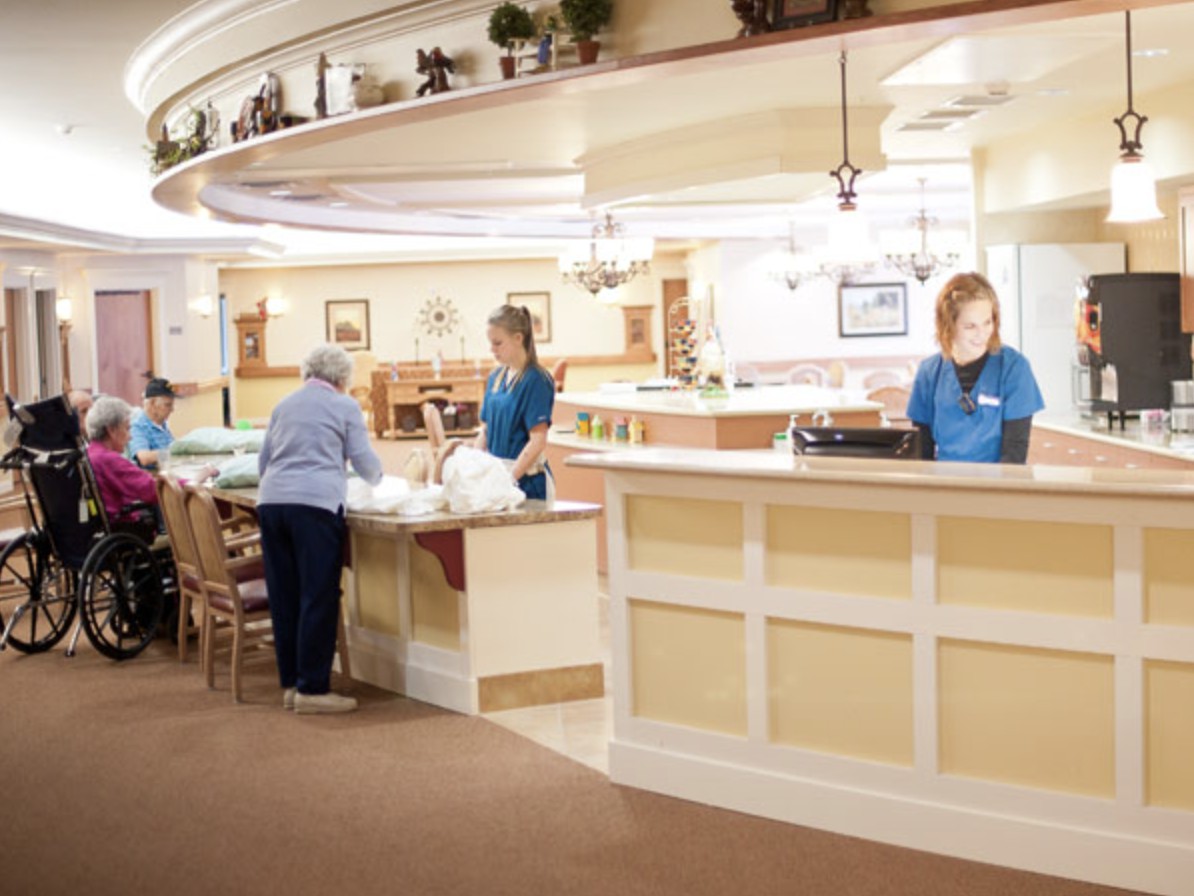
  • Reception

    Staff members assisting a visitor at the reception area.

The Wealshire I in Bloomington, MN

10601 Lyndale Avenue South, Bloomington, MN 55420

For more information about senior living options: (844) 490-3973

3.9 from 50 reviews
5 stars
31
4 stars
6
3 stars
1
2 stars
1
1 stars
11

Assisted Living Memory Care

What level of care are you interested in?

Assisted Living

Memory Care

Independent Living

Skilled Nursing Facility

Continuing Care Retirement Community (CCRC)CCRC

Other


Request a tour at The Wealshire I

    Overall Review of The Wealshire I

    Pros

    • pro Wealshire is a godsend to families, with stellar leadership and caregivers who are kind and compassionate, providing a safe, loving home for residents.
    • pro Aiden Halleen is a big help, guiding families through the process and promptly returning calls and emails.
    • pro Katie provides attentive move-in support, making the transition smooth for new residents.
    • pro The staff are friendly, caring, and attentive to each resident, helping them feel known and respected.
    • pro Wealshire Bloomington is described as the gold standard of long-term memory care, with a bright, clean, and well-laid-out environment.
    • pro The facility keeps families connected during the COVID-19 era through Facetime, Skype, or Zoom, with staff going above and beyond.
    • pro The nursing leadership and life enrichment staff are welcoming, knowledgeable, and devoted to the residents.
    • pro Families report that the care teams create a welcoming atmosphere with engaging activities and personal attention.

    Cons

    • pro The management and HR teams do not care about their employees.
    • pro The facility is consistently understaffed and overworks CNAs to a 1:19 patient ratio.
    • pro The kitchen staff, including the chef, are described as a walking health code violation and provide unsafe food.
    • pro They fail to keep track of residents' eyeglasses and dentures, causing distress and potential harm.
    • pro The Bloomington campus allegedly does not hire people of color and staff can be rude.
    • pro Families accuse the facility of overcharging for care and not delivering adequate care, with allegations of financial impropriety.

    Review

    This community is best suited for families seeking dementia-focused, memory-care that emphasizes a warm, home-like environment, structured routines, and daily engagement. It works particularly well for residents who benefit from small-group living around shared spaces, secure surroundings, and a program that prioritizes person-centered care. For families dealing with Alzheimer's or other forms of dementia who want staff who know residents by name, visible kindness, and a robust life-enrichment calendar, this campus is a strong match.

    Those who should consider alternatives include families prioritizing lower cost or non-memory-care assisted living, or those who require consistently pristine staffing levels and highly transparent administrative accountability. The reviews reveal a divided picture on staffing stability and leadership, with persistent concerns about being understaffed and about management practices at times. Prospective residents who value a consistently low staff turnover, clear HR processes, and minimal risk of gaps in daily care should compare other options. Additionally, if diversity in staffing or in leadership is a nonnegotiable criterion, verify current practices at the specific campus, as perceptions vary among families.

    On balance, the strongest positives center on compassionate care and a memory-care-centric program. Families repeatedly praise front-line staff for kindness, personal attention, and patient communication. Patients benefit from daily activities, live music, social engagement, and a secure campus layout designed around dementia needs. The facility's leadership and life-enrichment teams are frequently cited as contributing to meaningful resident experiences, with families reporting improved comfort and confidence in care when communication remains steady and responsive. The environment - bright, clean, and purpose-built for memory care - also helps reduce anxiety and supports familiarity for residents.

    However, multiple reviews flag meaningful caveats. Understaffing and high patient-to-caregiver ratios surface repeatedly, with episodes of missed shifts or reliance on fewer aides for larger groups. There are outlier reports of mismanaged transitions and equipment mishaps, plus critiques of certain operational areas (including food service and general kitchen culture) that temper the overall impression. The most troubling postings recount serious lapses in individualized care, misplacement of residents' dentures and glasses, and communications that suggest accountability gaps. Cost is noted as a consideration, often described as higher than expected for comparable memory-care options, which can tilt the balance for families weighing value against assurance of consistent staffing.

    The key is whether the strong, specialized care and the rich activity program outweigh the concerns about staffing consistency and cost. When the care team is engaged, the environment is well-maintained, and the family can sustain open lines of communication with nurses and life-enrichment staff, the benefits substantially offset the downsides. Families consistently report that care is attentive, residents feel known, and physicians or therapists can be incorporated into ongoing plans in meaningful ways. In practice, this translates to fewer behavioral crises, better daily satisfaction for residents, and a clearer sense that loved ones are in a place designed to meet dementia-specific needs - provided family members stay actively involved and vigilant about care quality.

    For families deciding now, approach this like a tight, reality-grounded care project. Schedule a multi-visit tour focusing on the memory-care wing, observe the cadence of staff-to-resident interactions during peak activity times, and request to speak with front-line caregivers about their day-to-day duties. Probe staffing patterns, turnover rates, and any recent changes in leadership or policy; demand transparent discussions about what happens if a shift is short-staffed. Review the resident care plan for your loved one's specific dementia stage, ask about movement between rooms and levels of supervision, and verify that dentures, glasses, and personal belongings are tracked carefully. If these checks align with your expectations and the price point is sustainable, this campus can deliver a meaningful, dignified living experience for a loved one navigating dementia. If not, it is prudent to compare other memory-care options or broader assisted-living programs that may offer steadier staffing and lower costs.

    Features

    Housing

    • 21 resident community capacity 21 resident community capacity

    Types of Care

    • Assisted Living Assisted LivingAssisted living facilities provide crucial support and care for seniors who may need help with daily tasks such as medication management, bathing, and meal preparation. These communities offer a safe and comfortable environment where seniors can maintain their independence while receiving the assistance they need to thrive in their golden years.
    • Memory Care Memory CareMemory care is crucial for seniors as it provides specialized support and services for individuals with dementia or Alzheimer's disease. These programs offer a safe and secure environment where residents receive personalized care, cognitive stimulation, and help with daily activities. Memory care helps seniors maintain their independence, quality of life, and dignity while also providing peace of mind for their families.

    Amenities

    • Beauty salon Beauty salonBeauty salons are important for seniors because they provide a space for them to feel pampered, socialize, and maintain their personal grooming and hygiene. Regular visits to a beauty salon can help boost seniors' self-esteem and overall well-being.
    • Cable or satellite TV Cable or satellite TVCable or satellite TV is important for seniors because it provides entertainment, news, and companionship, helping to combat loneliness and boredom. It also offers a wide range of programming options tailored to different interests and preferences.
    • Dining room Dining roomDining rooms are important for seniors as they provide a space for socialization, connection, and nutritious meals. They offer opportunities for residents to bond over shared meals, foster a sense of community, and promote healthy eating habits. Dining rooms also ensure that seniors have access to well-balanced meals tailored to their dietary needs and preferences.
    • Fully furnished Fully furnishedFully furnished senior living communities are important for seniors because they provide convenience, comfort, and a hassle-free moving experience. Seniors can easily settle into their new living space without the stress of having to buy and move furniture. This allows them to focus on enjoying their new home and community.
    • Garden GardenGardens are important for seniors as they provide a peaceful and therapeutic environment for relaxation, physical activity, and socialization. Being in nature has been shown to reduce stress, improve mood, and promote overall well-being. Gardens also offer opportunities for seniors to engage in gardening activities, which can improve mobility, flexibility, and cognitive function. Additionally, gardens create a sense of community and connection with others who share a passion for plants and outdoor spaces.
    • Housekeeping services Housekeeping servicesHousekeeping services are important for seniors because they help maintain a clean and safe living environment, promote independence, and reduce the risk of accidents or illnesses. Additionally, having assistance with household chores can alleviate physical strain and allow seniors to focus on other aspects of their well-being.
    • Kitchenette KitchenetteKitchenettes are important for seniors living in senior living communities because they provide the convenience and independence of being able to prepare simple meals and snacks in the comfort of their own living space. This can help promote a sense of autonomy and well-being for seniors, allowing them to maintain some level of control over their dietary choices and daily routines.
    • Move-in coordination Move-in coordinationMove-in coordination is important for seniors because it helps ease the transition into their new living environment. It ensures that all logistics, such as packing, organizing movers, and setting up utilities are taken care of, allowing seniors to focus on settling in and adjusting to their new home. Having a smooth move-in process can alleviate stress and anxiety, making the transition smoother and more enjoyable for seniors.
    • Outdoor space Outdoor spaceOutdoor spaces are important for seniors as they provide opportunities for physical activity, social interaction, exposure to natural light and fresh air, and a sense of connection to nature. Having access to outdoor spaces can improve overall well-being and quality of life for older adults living in senior communities.
    • Telephone TelephoneTelephones are important for seniors as they provide a lifeline for communication with loved ones, emergency services, and healthcare providers. They offer a sense of security and independence, enabling seniors to stay connected and access assistance when needed.
    • Wi-Fi/high-speed internet available Wi-Fi/high-speed internet availableWi-Fi/high-speed internet is important for seniors to stay connected with loved ones, access online resources, and participate in virtual activities to combat feelings of loneliness and isolation. It also allows them to easily manage healthcare needs, access entertainment, and engage in lifelong learning opportunities.

    Transportation

    • Minneapolis-St Paul International (6 miles away) Minneapolis-St Paul International (6 miles away)

    Care Services

    • 24-hour call system 24-hour call system24-hour call systems are important for seniors because they provide peace of mind and immediate assistance in case of emergencies. This technology ensures that help is always available, promoting safety and security for elderly individuals living alone or in assisted living facilities.
    • 24-hour supervision 24-hour supervision24-hour supervision is important for seniors to ensure their safety, well-being, and access to immediate assistance in case of emergencies or health issues. This constant support provides peace of mind for both seniors and their loved ones, allowing them to age in place with dignity and security.
    • Activities of daily living assistance Activities of daily living assistanceActivities of daily living assistance are important for seniors because they provide essential support with tasks such as eating, bathing, dressing, and mobility. This assistance helps seniors maintain their independence, dignity, and overall quality of life as they age.
    • Assistance with bathing Assistance with bathingAssistance with bathing is crucial for seniors as it helps maintain personal hygiene, prevents infections, and ensures their overall well-being and comfort. It also provides a sense of dignity and independence for seniors who may struggle with this task on their own.
    • Assistance with dressing Assistance with dressingAssistance with dressing is important for seniors because it helps maintain their independence, promotes personal hygiene, prevents accidents and injuries, and improves overall quality of life. This service ensures that seniors can continue to dress comfortably and confidently, despite any physical limitations they may have.
    • Assistance with transfers Assistance with transfersAssistance with transfers is crucial for seniors as it helps prevent falls and injuries, maintains their independence, and ensures they can safely navigate their living environment. It also provides peace of mind for both seniors and their loved ones.
    • Coordination with health care providers Coordination with health care providersCoordination with health care providers is crucial for seniors to ensure proper medical care, medication management, and overall well-being. This collaboration helps prevent overlapping treatments, track progress more effectively, and provide comprehensive support tailored to individual needs.
    • Dementia waiver Dementia waiverDementia waivers are essential for seniors as they provide critical protections and accommodations for those experiencing cognitive decline. These waivers ensure individuals with dementia receive appropriate care, support, and resources to maintain their quality of life and dignity as they navigate the challenges of this progressive condition.
    • Diabetes diet Diabetes dietA diabetes diet is crucial for seniors as it helps manage blood sugar levels, reduce risks of complications, and improve overall health and well-being. By following a balanced and nutritious diet tailored to their specific needs, seniors can better control their diabetes and enhance their quality of life.
    • Hospice waiver Hospice waiverHospice waivers are important for seniors because they allow individuals to receive specialized end-of-life care and support at home or in a hospice facility. This waiver ensures that seniors can access the necessary resources and services to maintain comfort and dignity during their final days.
    • Meal preparation and service Meal preparation and serviceMeal preparation and service are crucial for seniors as they may have limited mobility or energy to cook nutritious meals. Having access to healthy and convenient food options can ensure they are getting the proper nutrition needed to maintain their overall health and well-being.
    • Medication management Medication managementMedication management is crucial for seniors to ensure they are taking the right medications at the correct dosages and times. This helps prevent adverse drug interactions, reduces the risk of medication errors, and promotes overall health and well-being. Proactive management also allows for adjustments as needed based on changing health conditions or new prescriptions.
    • Mental wellness program Mental wellness programMental wellness programs are essential for seniors as they promote cognitive stimulation, emotional support, and social engagement. These programs help prevent isolation, depression, and cognitive decline, ultimately enhancing the overall quality of life for older adults.
    • Mild cognitive impairment Mild cognitive impairment"Mild cognitive impairment" is important for seniors because it is an early stage of cognitive decline that can potentially progress to more severe conditions such as dementia. Recognizing and addressing mild cognitive impairment can help seniors receive appropriate care and support to maintain their quality of life and independence for as long as possible.
    • Special dietary restrictions Special dietary restrictionsSpecial dietary restrictions are important for seniors because age-related changes in metabolism and health conditions can make it difficult for their bodies to process certain foods. By following a diet tailored to their specific needs, seniors can maintain their overall health and well-being, manage chronic conditions, and reduce the risk of complications such as malnutrition or food interactions with medications.
    • Specialized memory care programming Specialized memory care programmingSpecialized memory care programming is crucial for seniors with cognitive impairments such as dementia or Alzheimer's disease. These programs provide a safe and supportive environment tailored to the unique needs of individuals with memory loss, helping them maintain their independence, dignity, and quality of life.
    • Transportation arrangement (medical) Transportation arrangement (medical)Transportation arrangements for medical purposes are essential for seniors as they may have difficulty driving themselves to appointments or accessing public transportation. Having reliable and safe transportation options ensures that seniors can receive timely medical care and maintain their health and well-being.
    • Transportation to doctors appointments Transportation to doctors appointmentsTransportation to doctors' appointments is crucial for seniors as it ensures they have access to necessary medical care and support for their health needs. Without reliable transportation, seniors may struggle to attend important appointments, leading to potential delays in treatment and health complications. Providing transportation services helps seniors maintain their overall well-being and quality of life.

    Dining

    • Diabetes diet Diabetes dietA diabetes diet is crucial for seniors as it helps manage blood sugar levels, reduce risks of complications, and improve overall health and well-being. By following a balanced and nutritious diet tailored to their specific needs, seniors can better control their diabetes and enhance their quality of life.
    • Special dietary restrictions Special dietary restrictionsSpecial dietary restrictions are important for seniors because age-related changes in metabolism and health conditions can make it difficult for their bodies to process certain foods. By following a diet tailored to their specific needs, seniors can maintain their overall health and well-being, manage chronic conditions, and reduce the risk of complications such as malnutrition or food interactions with medications.

    Activities

    • Community-sponsored activities Community-sponsored activitiesCommunity-sponsored activities are important for seniors as they provide opportunities for social interaction, mental stimulation, and physical activity. These activities can help improve overall well-being, combat loneliness and isolation, and promote a sense of belonging and purpose among older adults.
    • Resident-run activities Resident-run activitiesResident-run activities are important for seniors as they encourage social interaction, creativity, and a sense of autonomy. These activities empower seniors to stay engaged and active in their community while fostering meaningful connections with their peers.
    • Scheduled daily activities Scheduled daily activitiesScheduled daily activities are important for seniors because they provide structure, socialization, mental stimulation, and physical activity. Engaging in regular activities can improve overall well-being and quality of life for seniors living in a community setting.

    Description

    The Wealshire I in Bloomington, MN is an assisted living community that specializes in memory care. Our residents receive 24-hour supervision and assistance with activities of daily living, such as bathing, dressing, and transfers. Our dedicated staff also provides medication management and coordination with health care providers to ensure the best possible care for our residents.

    We understand the importance of maintaining a comfortable and welcoming environment for our residents. Our fully furnished apartments are equipped with cable or satellite TV, Wi-Fi/high-speed internet, and a kitchenette. Housekeeping services are provided to keep the living spaces clean and tidy.

    At The Wealshire I, we prioritize the well-being of our residents both physically and mentally. We offer specialized memory care programming to support individuals with dementia or mild cognitive impairment. Our mental wellness program promotes cognitive stimulation and engagement through various activities.

    Dining at our community is designed to accommodate special dietary restrictions. Our experienced chefs prepare delicious meals that cater to different dietary needs.

    Residents have access to a range of amenities, including a dining room where they can enjoy their meals together, outdoor spaces for relaxation or socializing, and garden areas for nature enthusiasts. To ensure easy accessibility to medical appointments or other destinations, transportation arrangements can be made.

    Our community is conveniently located near cafes, parks, pharmacies, physicians' offices, restaurants, theaters, and hospitals. This allows our residents to easily access necessary services as well as enjoy nearby amenities.

    At The Wealshire I in Bloomington, MN, we strive to provide exceptional memory care services in a comfortable and supportive environment.

    Nearby Places of Interest

    Physicians

    • Minnesota Eye Consultants (1 miles)
    • Fairview Clinics (1.1 miles)
    • Endocrinology Clinic of Minneapolis (4 miles)
    • Sstar-Sports Specific Training & Rehab (4.1 miles)
    • Twin Cities Orthopedics Burnsville (4.2 miles)
    • Southdale Pediatrics (4.3 miles)
    • Park Nicollet Clinic and Specialty Center Burnsville (4.4 miles)

    Pharmacies

    • CVS Pharmacy (2.1 miles)
    • Walgreens (2.1 miles)
    • Walgreens (2.6 miles)
    • CVS Pharmacy (2.7 miles)
    • Walgreens (3.5 miles)
    • Walgreens (3.5 miles)
    • Geritom Medical (3.8 miles)

    Cafes

    • Caribou Coffee (2.7 miles)
    • Panera Bread (3.6 miles)
    • Starbucks (4.2 miles)
    • Starbucks (4.3 miles)
    • Starbucks (4.5 miles)
    • Panera Bread (4.6 miles)
    • Caribou Coffee (4.6 miles)

    Restaurants

    • McDonald's (2.9 miles)
    • Denny's (2.9 miles)
    • Culver's (3.4 miles)
    • Taco Bell (3.6 miles)
    • Chick-Fil-A (3.6 miles)
    • McDonald's (3.6 miles)
    • Hazelwood Food and Drinks (4 miles)

    Transportation

    • Mall of America LRT Station (3.8 miles)
    • Delta Employee Bus Stop #1 (4.9 miles)
    • Terminal 2-Humphrey (5.3 miles)
    • TSA Checkpoint 1 (5.3 miles)
    • Concourse F (6.1 miles)
    • Terminal 1-Lindbergh (6.2 miles)
    • Minneapolis–Saint Paul International Airport (MSP) (6.3 miles)

    Theaters

    • Emagine Eagan (4.1 miles)
    • 0705 Amc Southdale 16 (5.1 miles)

    Parks

    • Hyland Lake Park Reserve (4.2 miles)
    • Centennial Lakes Park (4.3 miles)
    • Taft Park (5.8 miles)
    • Greenhaven Park (5.9 miles)
    • Central Park (6 miles)
    • McGuire Park (6.2 miles)
    • Keller Park (6.3 miles)

    Hospitals

    • Fairview Ridges Hospital (4.4 miles)
    • Fairview Southdale Hospital (5.5 miles)
    • Abbott Northwestern Center For Outpatient Care (6.2 miles)

    Frequently Asked Questions

    Where is The Wealshire I?
    Does The Wealshire I provide care for residents with dementia or Alzheimer's disease?
    What photos are available for The Wealshire I in Bloomington, Minnesota?

    Nearby Communities

    • Minnetonka Care Residence

      Minnetonka Care Residence

      Bloomington, MN

      5 from 5 reviews
       

      pro 24/7 supervision with ADL support and care coordination.


    • Gentle Haven

      Gentle Haven

      Bloomington, MN


      pro Comprehensive assisted living with 24/7 supervision and ADL support in a home-like, amenity-rich setting.

    • Minnesota Group Homes II

      Minnesota Group Homes II

      Bloomington, MN

       
      $8,250 / month

      pro Small, intimate setting with personalized care; furnished apartments and included services.

    • Allure Homes

      Allure Homes

      Bloomington, MN


      pro 24/7 care with daily living assistance and engaging activities

    • Midwest Residential

      Midwest Residential

      Bloomington, MN

      3 from 2 reviews
       

      pro Comprehensive assisted living with 24/7 supervision and ADL support.

    • Res Care At Nine Mile Creek I

      Res Care At Nine Mile Creek I

      Bloomington, MN

      4.8 from 30 reviews
       

      pro Comprehensive assisted living with 24-hour supervision, meals, wellness program, transportation for medical appointments, and fully furnished apartments.

    • Dignified Choice Care

      Dignified Choice Care

      Burnsville, MN

      5 from 35 reviews
       

      pro Small, personalized assisted living with 24/7 supervision and comprehensive care.

    • Amira Choice of Bloomington

      Amira Choice of Bloomington

      Bloomington, MN

      4.3 from 35 reviews
      $2,515 to $4,265 / month

      pro Beautiful, resort-like building with good food and engaging activities.

    • Havenwood of Richfield

      Havenwood of Richfield

      Richfield, MN

      4.5 from 76 reviews
      $2,160 to $3,580 / month

      pro Well-maintained, homey community with friendly staff and engaging activities.

    Related Resources

    • how to talk to someone with dementiaHow to Communicate with a Loved One Living with Dementia: 10 Supportive Strategies

      The article outlines effective communication strategies for interacting with loved ones with dementia, highlighting the need for empathy, patience, and understanding while emphasizing supportive approaches like using simple language, minimizing distractions, and focusing on feelings over facts to maintain dignity and foster connection. It also suggests seeking professional guidance when needed as communication challenges evolve.

    • va nursing homeComprehensive Guide to VA Nursing Homes: A Crucial Long-Term Care Resource for Veterans

      VA nursing homes, or Community Living Centers (CLCs), offer tailored long-term care for veterans, featuring medical attention and rehabilitation in a supportive environment. The guide covers facility types, eligibility criteria, financial assistance options, quality of care standards, and alternatives to full-time nursing home placement.

    • in home dementia care costsEstimating the Expenses of At-Home Dementia Care: A Detailed Exploration

      At-home dementia care expenses vary widely based on care levels, location, and caregiver expertise, with monthly costs for home health aides exceeding $4,500 and specialized care potentially surpassing $100,000 annually. While families favor in-home care for its comfort and personalized attention, they must consider financial planning and the challenges of caregiver fatigue.


    Get Pricing Ask A Question Schedule A Tour Contact Senior Advisor