
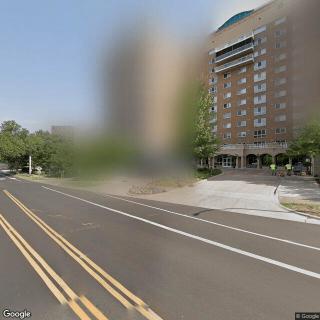
7636 3Rd Avenue South, Richfield, MN 55423
For more information about senior living options: (866) 208-4318
Overall Review of Primary Living
Pros
 Susan was very helpful over the phone.
- Susan seems passionate about her work and her residents.
- It is comforting to know that seniors can have a place of comfort and love during their golden years.
Review
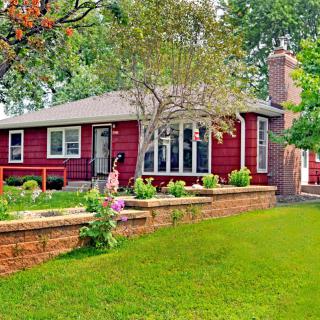
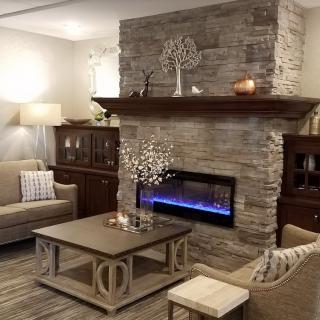
Primary Living in Richfield, MN is best suited for seniors who want a warm, person-centered atmosphere where daily life feels approachable and intimate. The community earns its value through practical, compassionate engagement rather than glossy marketing. The standout signal from available feedback is that staff members, especially Susan, demonstrate a genuine commitment to residents, responsive on the phone and clearly passionate about their work and well-being. In a market where care quality shows up in conversations with family members and in how a facility conducts itself day to day, Primary Living offers a reassuring sense of home, familiarity, and personal connection that many families prize above all else.
Those who need extensive medical oversight, highly structured clinical programming, or specialized memory-care services should consider alternatives. The current signal points to a small, personalized setting rather than a large campus with expansive clinical offerings. Families evaluating whether 24/7 skilled nursing, dementia-specific programming, or robust rehabilitative services are essential would be wise to compare other options that advertise these capabilities more explicitly. For budget-conscious families, it’s also prudent to verify what level of licensed medical support is available on-site and whether respite or long-term stays align with financial expectations.
On the upside, the strongest pros revolve around a caregiver-first vibe that translates into meaningful moments of everyday life. A staff attitude that feels genuinely invested tends to yield reliable assistance with routines, better communication about daily changes, and a sense of steady companionship for residents. The home-like rhythm, familiar staff, predictable schedules, and a climate of warmth, helps reduce anxiety and supports autonomy where possible. Positive energy and attentiveness can offset some limitations inherent in smaller facilities, making Primary Living a meaningful choice for families who value emotional security and steady, friendly interaction as central to quality of life.
The potential downsides hinge on information gaps rather than explicit failures. Details about the full scope of activities, dining options, transportation, and pricing are not laid bare in the available data. The limited number of reviews means families should proactively confirm what levels of care exist on-site, whether memory-support services are available if needed, and how long-term affordability holds up as care needs evolve. Prospective residents should also ask for sample menus, activity calendars, and guest policies to gauge whether daily life aligns with expectations for social engagement and independence.
When the positives are weighed against these uncertainties, the balance tilts toward a practical, people-focused decision. The evident dedication of staff, and particularly the warmth signaled by Susan’s approach, materially improves everyday experiences for residents and relative peace of mind for families. That personal touch is not a minor comfort, it directly informs consistency of care, trust, and the ability to settle into a familiar routine. For households prioritizing a nurturing environment over a clinical, impersonal setting, these strengths can decisively address common concerns about isolation, transitions, and the day-to-day quality of life.
For families evaluating options in the Minneapolis–Saint Paul area, Primary Living deserves serious consideration if comfort, companionship, and accessible, attentive staff top the list. Prospective residents should visit, meet the caregiving team in person, and walk through typical days to confirm alignment with expectations. Bring a questions list: exact care levels available, staffing ratios, dining logistics, activity depth, transportation options, and transparent pricing with any potential add-ons. If the aim is to secure a small, homey environment where residents are known and valued, this community stands out. If the priority is comprehensive medical complexity or memory-specific programming, alternatives with clearer guarantees in those areas may be the better fit.
 5 resident community capacity
 Assisted Living
 Cable or satellite TV
 Dining room
 Fully furnished
 Garden
 Housekeeping services
 Move-in coordination
 Outdoor space
 Telephone
 Wi-Fi/high-speed internet available
 Minneapolis-St Paul International (3 miles away)
 24-hour supervision
 Activities of daily living assistance
 Assistance with bathing
 Assistance with dressing
 Assistance with transfers
 Diabetes diet
 Meal preparation and service
 Medication management
 Special dietary restrictions
 Transportation arrangement (medical)
 Transportation to doctors appointments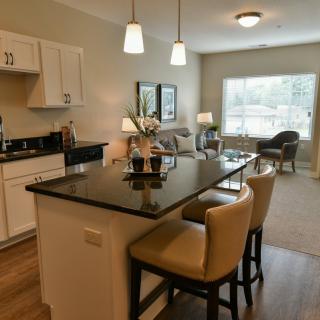


 Securing Financial Support for Assisted Living: A Comprehensive Overview
 Social Security Benefits and Assisted Living: Navigating Options Across the U.S.
 An Extensive Exploration of the VA Aid and Attendance Benefit