
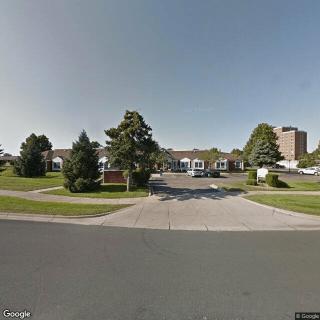
2318 55Th Avenue North, Brooklyn Center, MN 55430
For more information about senior living options: (866) 208-4318
Overall Review of Jmkay Healthcare Services 3
Cons
 The reviewer states that the staff attempted to entrap their partner in the facility and illegally claimed she wasn't allowed to leave.
- The reviewer states that the staff forced her to pay $900 in rent after failing to disclose that rent would be required.
- The reviewer states that the staff claimed she would be covered by GRH, which doesn't cover rent, only moving costs.
- The reviewer calls the situation horrific malpractice.
- The reviewer warns others not to move there.
Review
Jmkay Healthcare Services 3 in Brooklyn Center, MN, is best understood as a community that demands strong due diligence from families and residents who can actively supervise every financial and contractual detail. The most reliable takeaway from the available feedback is not about warmth of care or conveniences, but about a pattern of concerns around transparency, consent, and the handling of move-in costs and ongoing charges. This is not a place to commit without written clarity and a clear exit plan. The population for whom this community might be most appropriate are those whose families have the bandwidth to press for detailed disclosures, push back on ambiguous terms, and ensure every fee has a stated purpose before moving forward.
Alternatives should be strongly considered for most families. Any family seeking predictable, ethical pricing and a straightforward, resident-centered environment will want to look elsewhere. When evaluating options, prioritize facilities with transparent pricing sheets, explicit statements about what rent covers, and guarantees about the right to leave without punitive charges or forced continuance. The standout warning here is the potential for undisclosed costs and pressure tactics, which can undermine trust and create lasting financial and legal complications. For those who cannot commit to aggressive contract scrutiny, or who prefer a facility with a documented culture of resident rights, other communities are likely to be a safer fit.
From a risk-reward perspective, the single sharply negative account weighs heavily against any unverified positives. The reported incident, claims of coercive actions to restrain a resident and attempts to impose rent without proper disclosure, casts a long shadow over the overall value proposition. The lack of corroborated advantages in the available feedback makes it hard to assert that any meaningful benefits offset these red flags. Even a neutral or mixed review would be insufficient here to counterbalance concerns about autonomy, consent, and financial transparency. In practical terms, the confluence of potential risk and limited evidence of reliable benefits points to a cautious stance for prospective families.
Safety and rights should be the non-negotiables in the due-diligence process. Prospective movers must demand written contracts that spell out all costs, a clear breakdown of what rent covers, and precise terms for moving out or terminating care. Questions to demand answers for include: Are there any non-disclosure clauses? Are there penalties for leaving early, and are there any “move-out” mechanics that could trap a resident? What protections exist to prevent coercive practices, and who enforces them? Speaking with current residents and staff to gauge daily experiences with transparency, communication, and respect will help illuminate whether the environment aligns with fundamental expectations.
A disciplined, methodical approach is essential. Request up-front copies of all agreements, endorsements from state regulators if available, and a written summary of any GRH or government-related moving assistance and what it actually covers. Schedule face-to-face meetings with the administrator to review how disputes are resolved, and insist on a written policy about rights to leave, relocations, or terminations. Bring a trusted advocate or family member to every discussion, and compare this facility side-by-side with others that clearly publish prices, terms, and resident protections. The bottom line is clear: without transparent pricing, enforceable resident rights, and demonstrable ethical practices, this community should not be the default choice.
In sum, Jmkay Healthcare Services 3 presents a decision-focused risk signal for families weighing assisted living options in the Twin Cities area. The strongest, most compelling takeaway is the imperative to insist on complete transparency and enforceable protections before any commitment. For families that cannot secure those assurances, the prudent course is to pursue alternatives with verified records of ethical conduct, clear cost structures, and a reputation for respecting resident autonomy. The decision should prioritize safety, clarity, and fairness over convenience, and the recommended path is to engage multiple facilities that can demonstrate concrete, accessible policies that protect both residents and their families.
 4 resident community capacity
 Assisted Living
 Cable or satellite TV
 Dining room
 Fully furnished
 Garden
 Housekeeping services
 Move-in coordination
 Outdoor space
 Telephone
 Wi-Fi/high-speed internet available
 Minneapolis-St Paul International (13 miles away)
 24-hour supervision
 Activities of daily living assistance
 Assistance with bathing
 Assistance with dressing
 Assistance with transfers
 Diabetes diet
 Meal preparation and service
 Medication management
 Special dietary restrictions
 Transportation arrangement (medical)
 Transportation to doctors appointments
 Small 21-bed community with comprehensive care and on-site dining, activities, and 24-hour supervision.

 When to Transition from Assisted Living to Memory Care: Key Indicators, Steps, and Finding the Right Community
 Assisted Living and Memory Care: Understanding Their Core Differences
 Beyond the Bingo Hall: 50+ Enriching Activities for Seniors in Assisted Living