
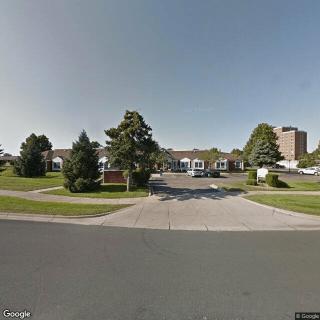
7817 Unity Avenue North, Brooklyn Park, MN 55443
For more information about senior living options: (866) 208-4318
Overall Review of American Best Home Care 5
Cons
 The PCA Office is described as a fraud with an American name to lure people in, but it’s filled with Africans who sleep there and can’t read in English.
- The African workers are lazy and dumb; they sleep on the job and don’t care about their work.
- They tell you something and forget about it, then ask about it a month later, and they have it in their file cabinet.
- Never go to these people; instead, go to a White PCA clinic, an Asian PCA, or a well-known Foundational Black American PCA Clinic.
- The manager never has money in the account after Friday.
- The Black guy with the side braids lives in the other room.
- They are illiterate and retarded and ask dumb questions.
- They always get audited by White people for not understanding PCA or America.
- Just stay away from this office; it’ll save you a lot of problems, no direct deposit here.
- Retarded office, Africans are not working at all? Extremely lazy.
Review
This community is not well suited for anyone who expects dependable, respectful, and professionally managed in-home care. The sole published experience presents a pattern of serious integrity concerns, miscommunication, and inconsistent care. In practical terms, families should not view this facility as a reliable option unless all other avenues have been exhausted and there is a clear plan to aggressively monitor quality, billing, and staff performance. The strongest qualifier is a willingness to accept substantial risk and to accept a lack of assurances that are typically nonnegotiable in serious caregiving arrangements.
Explicitly, those who should seriously consider alternatives include families requiring consistent language support, accountable staff, and transparent operations. Prospective residents who need reliable English-speaking communication, prompt follow-through on care requests, and documented, verifiable care plans will find this provider unsuitable. Also advised to look elsewhere are families seeking predictable billing practices, stable staffing, and a culture of professionalism. In short, any family prioritizing reliability, ethics, and clear oversight should pursue other options immediately.
No credible advantages are identified in the presented account; there is no compensating benefit that offsets the significant concerns described. The review does not reveal substantive strengths such as well-trained staff, reliable scheduling, or transparent financial practices. Even if small conveniences exist, they do not counterbalance the core flaws, fraud allegations, inconsistent care delivery, and a troubling lack of accountability. This imbalance makes the overall value proposition unattractive and risky for anyone relying on consistent, compassionate support.
The main drawbacks are severe and multifaceted. The reviewer alleges fraudulent activity and misrepresentation, suggesting a fundamental governance problem that undermines trust. Staff are described as disengaged, unreliable, and slow to follow through on important requests. Communication failures are evident, promises made are not kept, and critical information supposedly filed away reappears only after repeated prompting. Financial concerns are raised, including suggested irregularities in deposit handling and access to funds. Additionally, the tone of the review signals a toxic workplace culture, with language that underscores an environment where respectful treatment and professional standards appear compromised. While the review itself includes hostile language, the underlying pattern points to credibility and safety risks that must be weighed heavily.
For families weighing options, the practical implications are clear. Before considering any agreement, demand verifiable licensure and a current care plan that specifies responsibilities, response times, and oversight mechanisms. Request written confirmation of all billing practices, direct deposit arrangements, and a transparent, itemized billing history. Schedule in-person visits and speak with multiple staff members to assess consistency and English-language communication. Check state and local inspections or complaints, and seek references from other families. If any doubt persists about staff accountability or record-keeping, proceed only with strict contractual protections and clear exit terms.
In conclusion, this community should be approached with extreme caution and a presumption against suitability. The combination of perceived fraud risk, weak follow-through, and a culture that appears to tolerate substandard care makes it an unlikely match for families seeking peace of mind and dependable support. Strongly recommended is exploring alternatives with demonstrated regulatory compliance, consistent staffing, and verifiable, patient-centered care plans. When choosing care, the safest path prioritizes reliability, accountability, and respectful treatment above all else.
 4 resident community capacity
 Assisted Living
 Cable or satellite TV
 Dining room
 Fully furnished
 Garden
 Housekeeping services
 Move-in coordination
 Outdoor space
 Telephone
 Wi-Fi/high-speed internet available
 Minneapolis-St Paul International (16 miles away)
 24-hour supervision
 Activities of daily living assistance
 Assistance with bathing
 Assistance with dressing
 Assistance with transfers
 Diabetes diet
 Meal preparation and service
 Medication management
 Special dietary restrictions
 Transportation arrangement (medical)
 Transportation to doctors appointments
 24/7 supervision with comprehensive daily living assistance and restaurant-style dining.


 Vibrant Senior Living: A Comprehensive Guide for Active Older Adults
 When to Transition from Assisted Living to Memory Care: Key Indicators, Steps, and Finding the Right Community
 Assisted Living and Memory Care: Understanding Their Core Differences