
1000 Birch Street Ne, Lonsdale, MN 55046
For more information about senior living options: (866) 208-4318
Overall Review of Three Links Management Service
Pros
 The staff are amazing and so helpful.
- The food is excellent.
- This place is fantastic.
- The facility is very nice, and the cafeteria has ample natural lighting.
- The staff are lovely.
- This is a great place with fantastic residents and staff.
- The care is exceptional.
Cons
 The facility is terrible.
- The facility was bought out and staff were fired.
- Staff were overworked.
- They refuse to fix problems and cover them up.
- Mold is present there.
- Residents are being kicked out left and right.
- The staff are rude and the food is horrible.
Review
Three Links Management Service in Lonsdale is best suited for families who prize a warm, attentive, home‑like atmosphere where caregivers form real connections with residents. The community can shine when the care team is stable and genuinely engaged, particularly for residents in memory care or assisted living who rely on caregivers remembering routines, preferences, and personal histories. When staffing is steady, it can feel like a supportive extended family rather than a clinical setting, and that personal touch often translates into daily moments of comfort, reassurance, and a sense of belonging for residents. This human-centered focus is the core strength families should seek out if a resident benefits from consistent, affectionate contact with caregivers.
However, serious caveats emerge in the reviews that cannot be ignored. If reliability in operations, consistent dining quality, and a predictable, well‑enforced service standard are non-negotiable, alternatives should be on the table. Concerns about maintenance and environmental issues, including reports of mold, alongside perceptions that some staff interactions are uneven or reactive rather than proactive, signal potential risk for frustration or safety worries over time. For families prioritizing flawless execution, pristine upkeep, and unwavering professionalism across all shifts, this community may fall short. In short, Three Links can work very well for the right resident, but not for those who demand unflagging operational consistency.
On the positive side, multiple accounts highlight staff warmth, helpfulness, and a genuine willingness to form bonds with residents. When these traits are in focus, residents often appear well cared for, comfortable, and emotionally supported, with caregivers who know daily routines and personal histories. Some reviews also praise the facility’s social environment and the quality of meals in certain moments, noting the ambiance and natural light contribute to a pleasant day-to-day experience. In contrast, criticisms center on perceived rudeness from a portion of staff, inconsistent meal experiences, and maintenance gaps that range from delayed repairs to more acute concerns. The central tension is clear: standout personal care can offset many everyday irritants, but persistent operational gaps steadily erode confidence.
Memory care, in particular, seems to benefit from the community’s people-first approach. When staff demonstrate patience, familiarity, and affection, residents often respond with greater calm, engagement, and trust. For families prioritizing relational care and the comfort that comes from familiar faces, these moments can be decisive. Yet the same narratives that celebrate caregiver warmth coexist with remarks about food inconsistency and environmental maintenance challenges. The overall takeaway is that care quality on a personal level can be remarkably strong, but system-wide reliability, encompassing dining continuity, housing upkeep, and administrative responsiveness, will determine whether long-term satisfaction endures. Where the care relationship is genuinely strong, the positives can outweigh the shortcomings; where it is not, the drawbacks compound quickly.
To decide, prospective buyers should pursue a disciplined, reality-grounded inquiry. Plan a tour that probes current leadership and recent staff retention, then compare how these factors translate into day-to-day consistency. Request a meal from the dining program and observe service across different shifts to gauge reliability and presentation. Speak directly with several residents and family members about repair responsiveness and the predictability of daily routines. Review the latest licensure or inspection records and request a concrete plan addressing any recurring maintenance or safety concerns. Clarify memory care routines, staffing levels, programming, security measures, and emergency procedures, and ask how eviction policies and conflict resolution are actually enforced. A thorough, evidence-based approach will reveal whether the community’s caring culture can be sustained over time.
Ultimately, Three Links can deliver meaningful, quality daily life when staff time and care are genuinely aligned with resident needs. It is not ideal for those who require unwavering, uniform perfection in every operational detail or who cannot tolerate reports of mold, staff friction, or uneven dining quality. Families with some tolerance for variability but a strong emphasis on personal connection and warmth will often find value here, especially if a chosen resident thrives on recognizable staff and familiar routines. The practical path is to compare with a small set of similarly rated options, verify current leadership and staffing stability, and test drive the dining and maintenance experiences. If the outcome confirms consistent, compassionate care paired with workable operational reliability, this community becomes a smart, well-considered placement choice rather than a last resort.
 21 resident community capacity
 Assisted Living
 Memory Care
 Beauty salon
 Cable or satellite TV
 Dining room
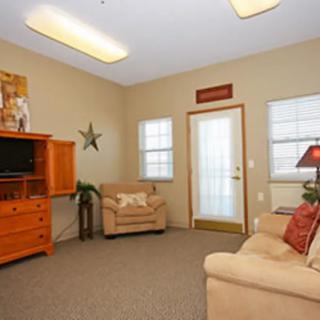
 Fully furnished
 Garden
 Housekeeping services
 Kitchenette
 Move-in coordination
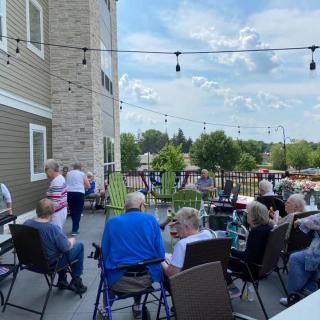
 Outdoor space
 Telephone
 Wi-Fi/high-speed internet available
 24-hour call system
 Activities of daily living assistance
 Assistance with bathing
 Assistance with dressing
 Assistance with transfers
 Diabetes diet
 Hospice waiver
 Meal preparation and service
 Medication management
 Mental wellness program
 Special dietary restrictions
 Transportation arrangement (medical)
 Transportation to doctors appointments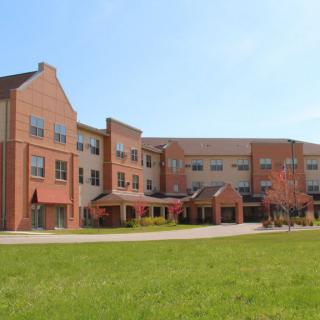




 Medications Associated with Dementia Risk: A Comprehensive Overview
 Guiding Your Journey: Understanding Power of Attorney for Elderly Parents
 22 Remarkable Caregiver Support Groups Available Online and In-Person