
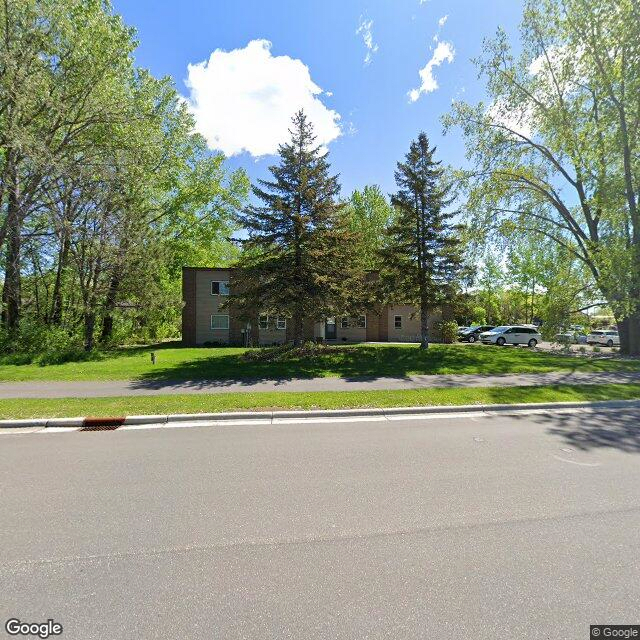
3819 Laverne Ave N, Lake Elmo, MN 55042
To contact a resident: (651) 770-2224
For more information about senior living options: (866) 208-4318
Overall Review of Hamilton House
Pros
 Willow Haven offers a peaceful, comfortable atmosphere that feels like a home setting, putting guests at ease.
- The meals at Willow Haven are five-star dinners every night, with love in every bite.
- The program provides a balanced schedule of structure and free time, challenging growth while allowing space to breathe and reflect.
- The staff are the heartbeat of Willow Haven, delivering inspiration, guidance, and compassionate, nonjudgmental support.
- The staff live recovery and pour themselves into every person who walks through the doors.
- Willow Haven is more than a facility—a turning point, a sacred pause, and a reset the soul needs.
- Guests leave feeling restored and grateful, with lasting positive impact.
Cons
 The reviewer felt Willow Haven kept them around solely to maximize charges to their insurance.
- The reviewer stated the facility showed no respect for allergies, cooking seafood despite their allergy.
- The reviewer said the staff pushed their opinions on clients.
- The reviewer warned others not to go there.
Review
Hamilton House in Lake Elmo, MN is best suited for adults who want a nurturing, home-like environment where care feels personal and daily routines are designed to support growth without feeling clinical. This community appeals to families seeking meaningful relationships with staff, a calm atmosphere, and programming that offers enough structure to stay engaged while leaving space to rest or reflect. It works well for residents who prize warm meals, genuine connections, and a setting that emphasizes quality of life and recovery-orientated rather than purely medical goalings. Those prioritizing strict price transparency or highly scripted dietary protocols should note that visibility into costs and menus matters here and may influence the fit.
The strongest positives center on the staff and the lived experience they cultivate. The caregiver team is described as the heartbeat of the community, combining encouragement, guidance, and authentic care that appears to walk beside residents rather than overseeing them from a distance. Daily one-on-one attention complements group activities, and meals are frequently praised as a standout feature, suggesting the kitchen routines align with residents’ expectations for comforting, home-style cooking. The ambiance tends to feel like a true home, quiet, respectful, and stable, creating a foundation for residents to re-engage with life, form trust, and experience a meaningful sense of progress.
Significant caveats emerge in two recurring areas. First, cost and how insurance is engaged are cited as a concern, with some residents perceiving the billing approach as more focused on extracting value from coverage than on straightforward pricing. Second, dietary and allergy matters surface as a concrete risk. One review highlights a failure to respect a seafood allergy, underscoring a potential vulnerability in menu control and communication with kitchen staff. Additional warning signs point to residents feeling their opinions or personal boundaries being challenged by staff, which can erode trust and autonomy. Taken together, these issues demand careful vetting for families who cannot compromise on transparency, safety, and resident dignity.
Still, the favorable elements can meaningfully offset the drawbacks for many prospective residents. A compassionate, engaged staff, paired with a warm, home-like setting and well-considered meals, often translates into improved mood, greater engagement, and higher overall satisfaction. When staff cultivate authentic relationships, routines become predictable in a reassuring way, reducing anxiety and helping residents feel seen. For families prioritizing healing, personal growth, and a sense of belonging, these attributes may outweigh ambiguities around pricing or occasional slip-ups in policy, provided there is room for clear communication and problem-solving without defensiveness.
Those who should seriously consider alternatives include families requiring rigorous, fixed price structures or explicit, itemized billing that leaves little room for interpretation. Anyone with strict dietary needs or a need for ironclad allergy safeguards should seek facilities with documented, formal allergy protocols and transparent culinary practices. Families seeking a medical model with heavy clinical oversight or a more clinical atmosphere than a home-like environment may also prefer other communities that align more closely with that approach. In short, for residents whose priorities skew toward clinical rigidity, exacting financial clarity, or uncompromising dietary safety, alternatives are likely to be a better match.
Practical next steps are essential. Request a complete, up-to-date menu and allergy policy, and obtain a detailed fee schedule with examples of typical monthly costs. Inquire about staff training on allergies, safety protocols in the kitchen, and how resident input is incorporated into meal planning. Visit during various times of day to observe how caregivers interact with residents, how groups are facilitated, and whether residents display genuine comfort and autonomy in choice-making. Hamilton House can be a compelling choice for those who want a warm, caregiver-forward environment where meals and daily life are valued as pillars of well-being; the decisive factor will be aligning pricing expectations, allergy safeguards, and resident autonomy with the specific goals of the family and the resident’s own preferences.
 Assisted Living
 Activities on-site
 Devotional services off-site
 Indoor common areas
 Minneapolis-St Paul International (19 miles away)
 Ambulatory care
 Diabetic care
 Meals provided




 When to Transition from Assisted Living to Memory Care: Key Indicators, Steps, and Finding the Right Community
 Assisted Living and Memory Care: Understanding Their Core Differences
 Beyond the Bingo Hall: 50+ Enriching Activities for Seniors in Assisted Living