
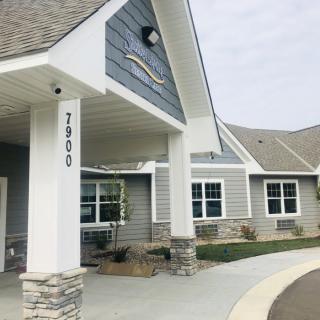

7900 Austin Way, Inver Grove Heights, MN 55077
To contact a resident: (651) 424-0086
For more information about senior living options: (866) 208-4318
Suite Living Inver Grove Heights Costs & Pricing
Suite Living Inver Grove Heights offers a premium experience with its monthly cost for a studio set at $7,700. This figure significantly exceeds both the average costs in Dakota County, which are approximately $3,683, and the broader state average of about $3,617. While the higher price point may initially raise eyebrows, it reflects the exceptional services and amenities provided at Suite Living. Residents can expect personalized care and an enriching environment that often justifies this investment in their well-being and comfort compared to more standard offerings in the region.
| Floor plans | Suite Living Inver Grove Heights | Dakota County | Minnesota |
|---|---|---|---|
| Studio | $7,700 | $3,683 | $3,617 |
Memory care communities with a similar price nearby
-
About the same
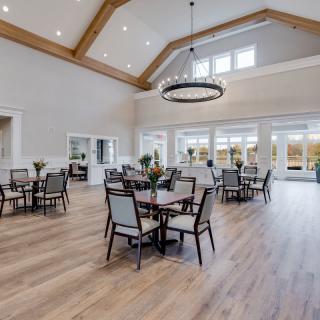
Rivers of Life Memory Care/Enhanced Assisted Living
$7,500 / month15.2 miles away -
About the same
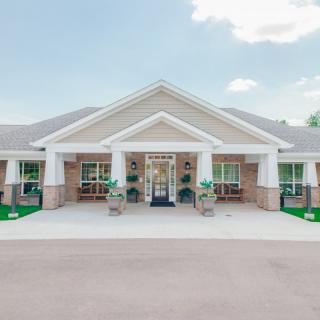
Artis Senior Living of Woodbury
$7,650 / month9.2 miles away -
from -$400 / mo
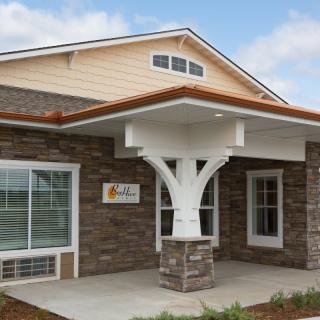
Beehive Homes of Lakeville
$7,300 / month14.8 miles away -
from -$500 / mo

The Moments Of Lakeville
$7,200 / month13.1 miles away -
About the same
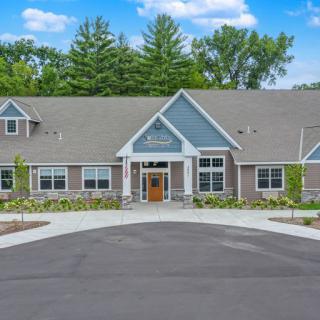
Suite Living of Crystal
$7,900 / month17.6 miles away
Overall Review of Suite Living Inver Grove Heights
Pros
 The staff truly cares about the residents and shows it every day.
- They have done a phenomenal job managing residents' blood sugars.
- Sarah is consistently on top of things and makes time for questions or concerns.
- The sister is truly happy there, and the family is equally satisfied.
- Families sleep well at night knowing their loved ones are well cared for.
- The environment is clean, safe, and welcoming, with residents participating in activities.
- The community is small, so staff and residents know each other well.
- The meals are nutritious, and the cook is great.
Cons
 The reviewers judged Suite Living not a good place to bring family members, alleging they bill for unnecessary services and that management won’t address neglectful situations.
 - Staff were often at the desk on their cell phones, raising concerns about the quality of care.
- The meals were rated poorly and not enjoyed by a family member.
- The facility was short-staffed with care needs left undone.
- End-of-life care deteriorated toward the end of the loved one’s life, with questions about follow-through and whether staff cared enough.
- Medication administration was inconsistent, with records showing the prescribed frequency was not followed.
- Personal belongings disappeared during the stay, with some towels missing after moving in.
Review
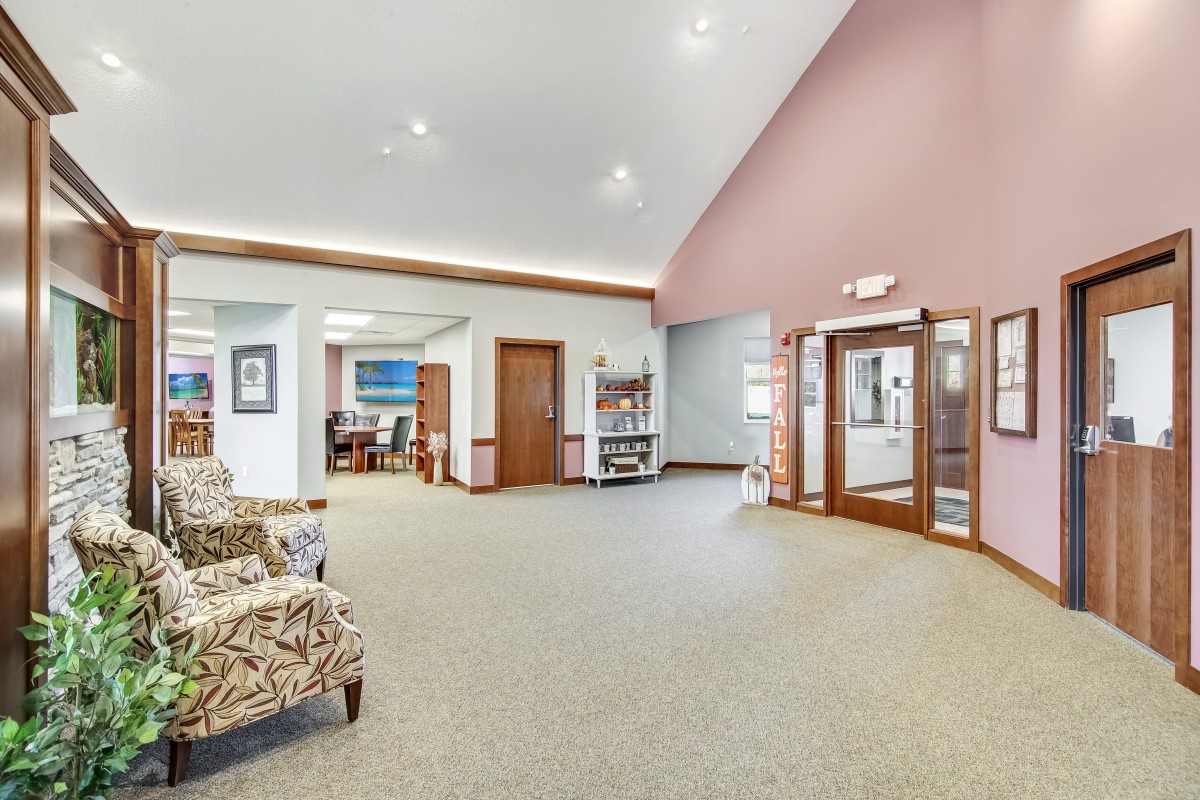
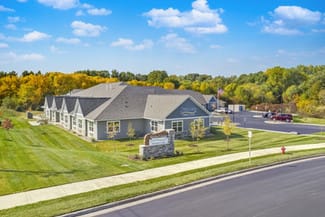
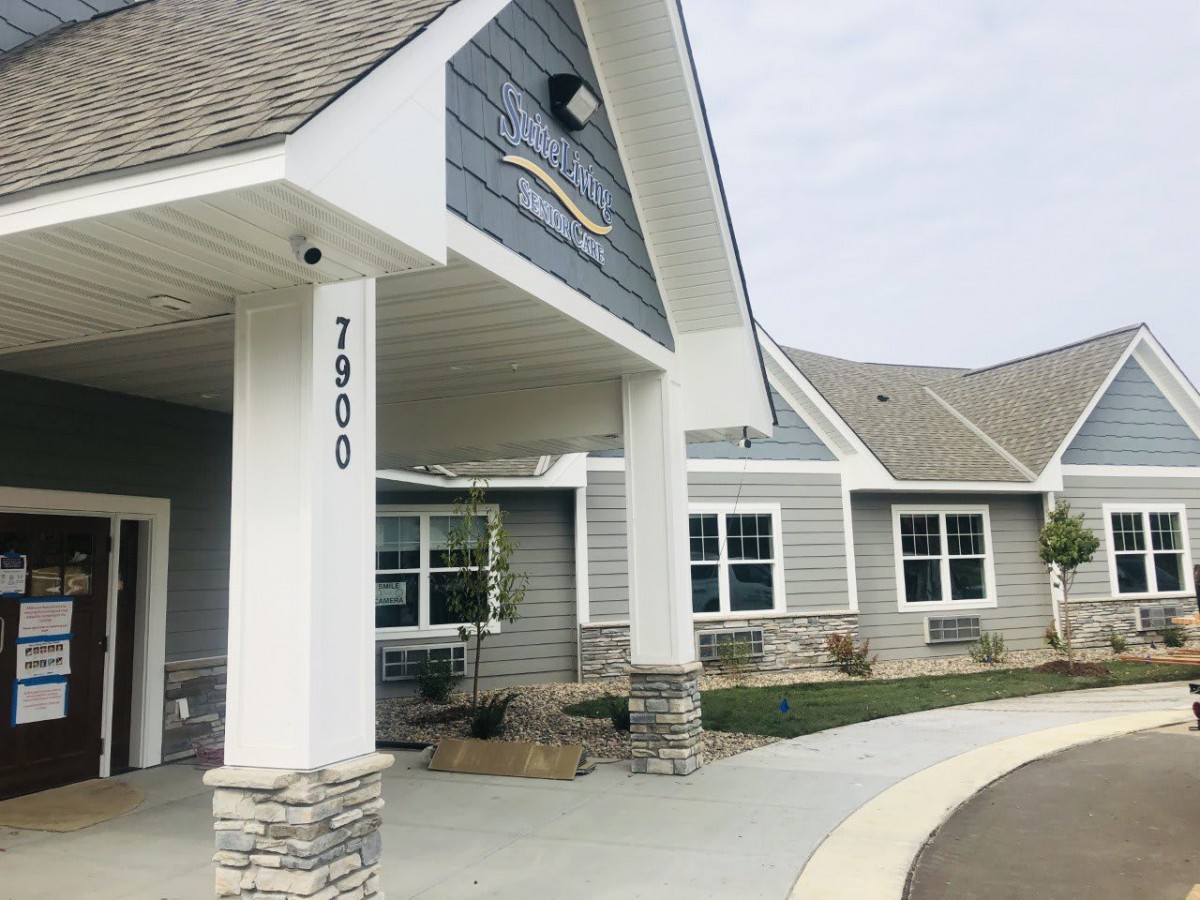
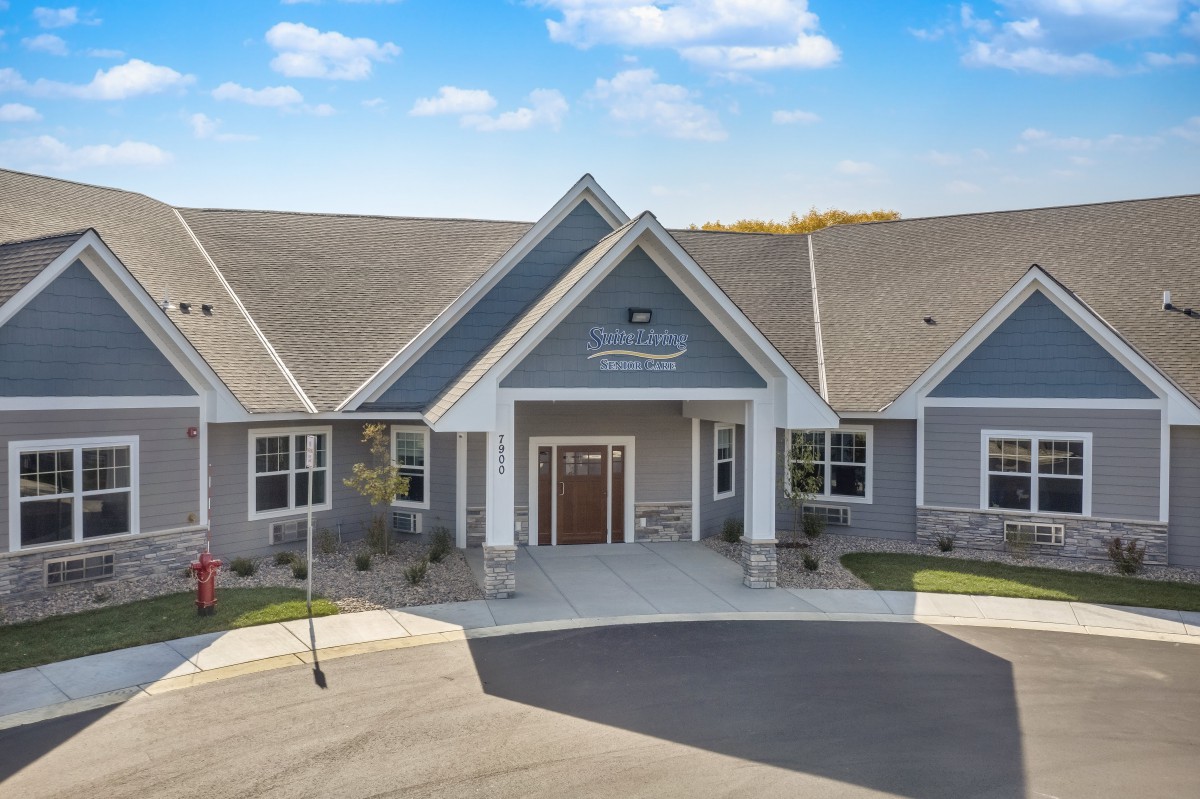
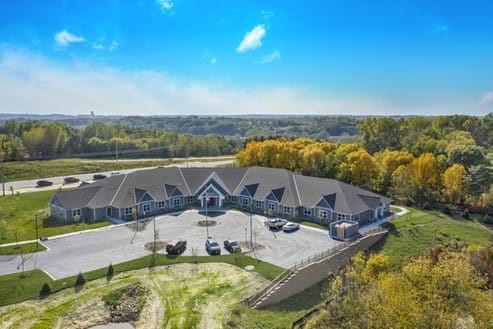
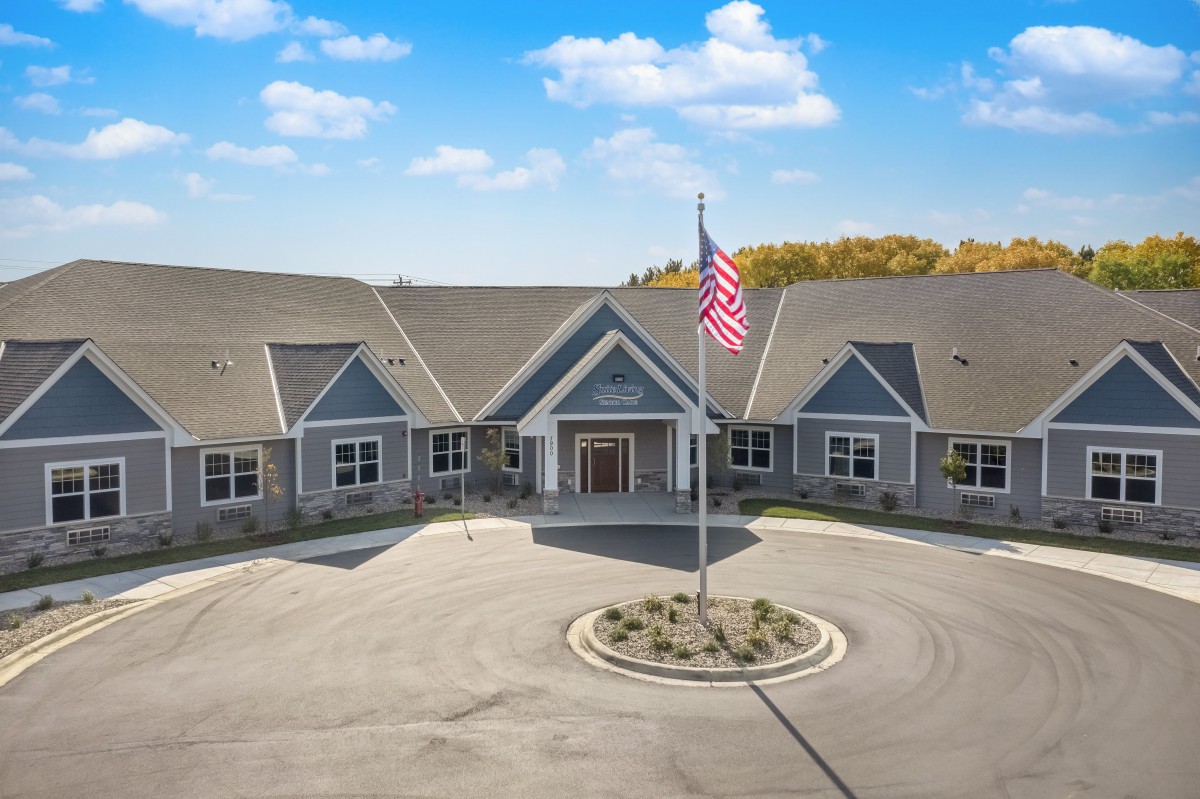
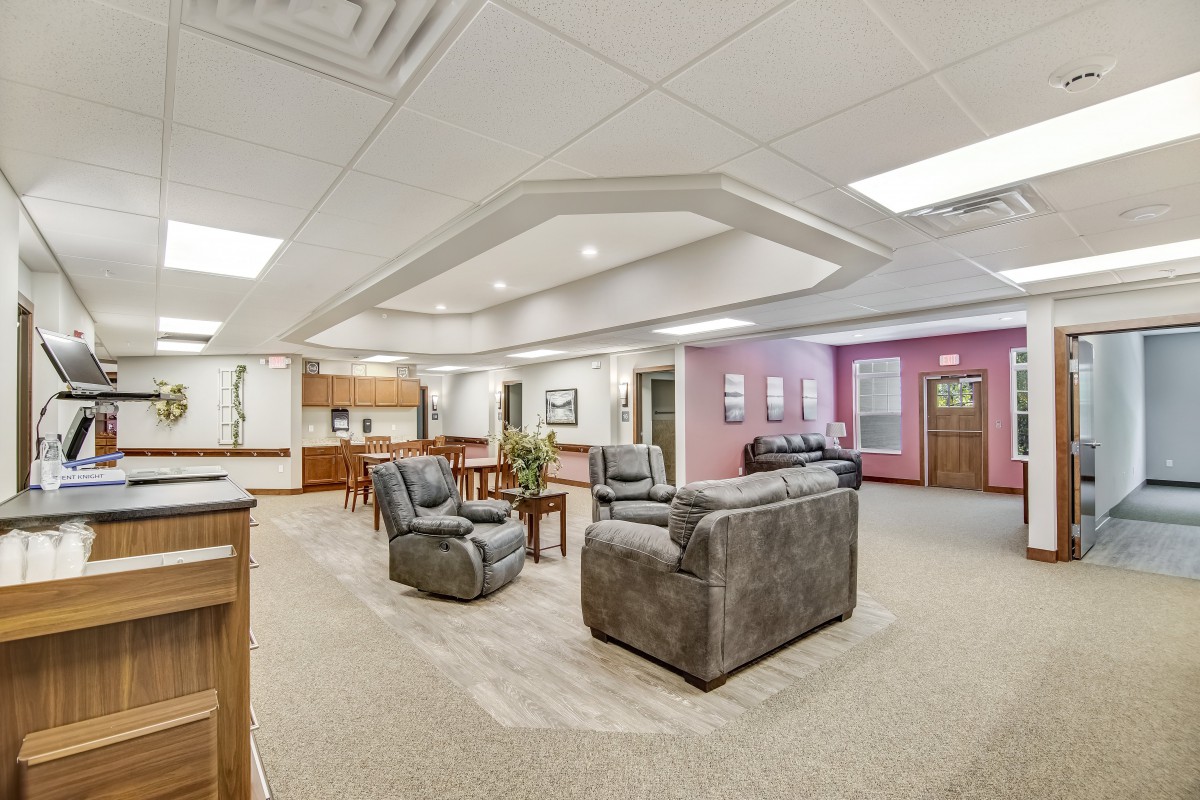
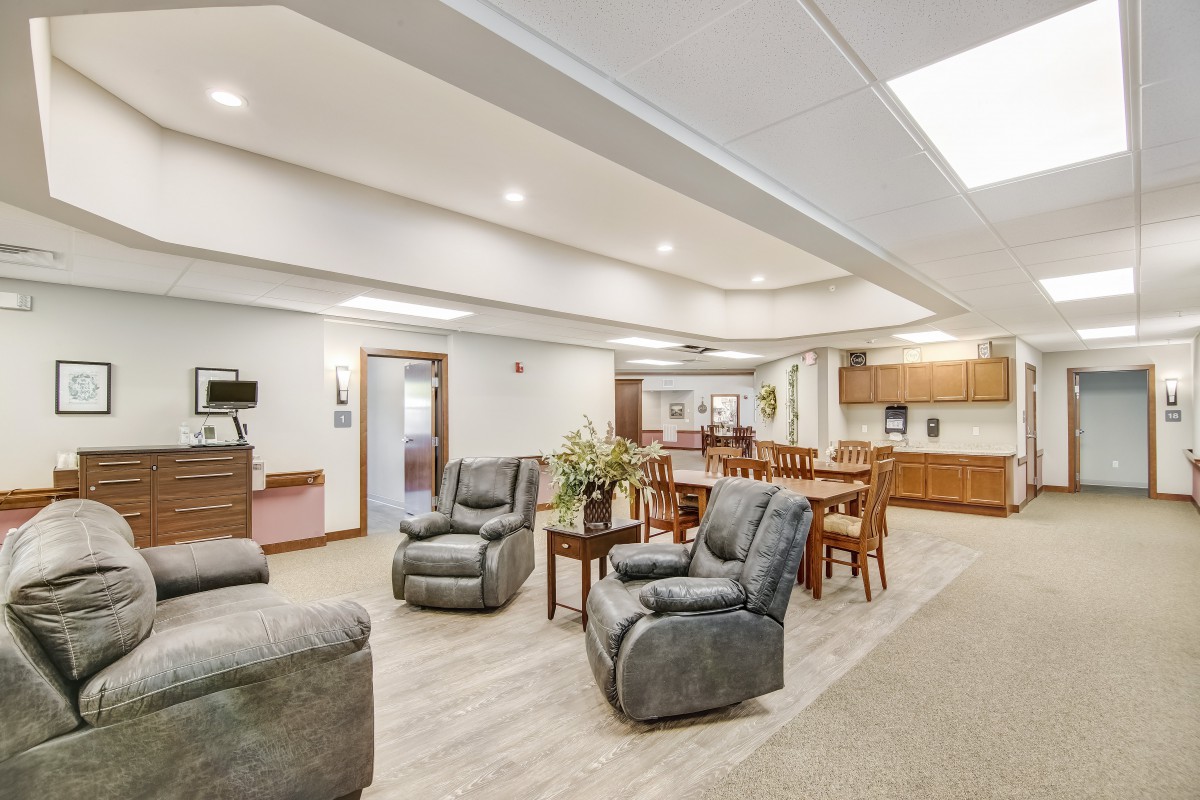
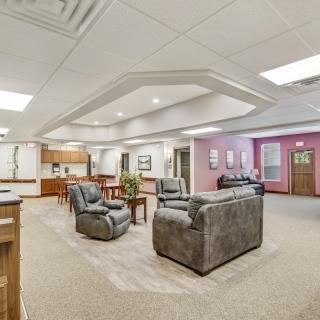
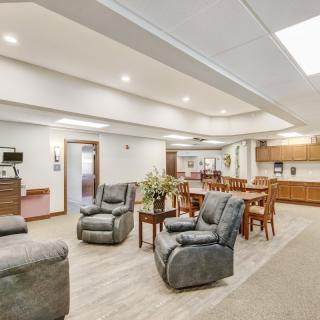
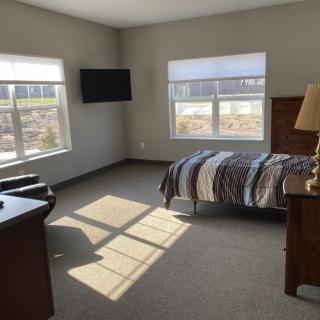
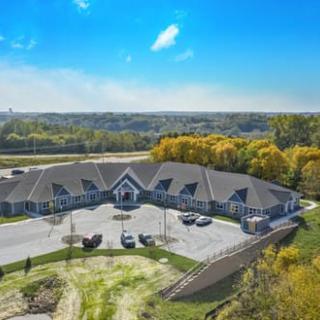
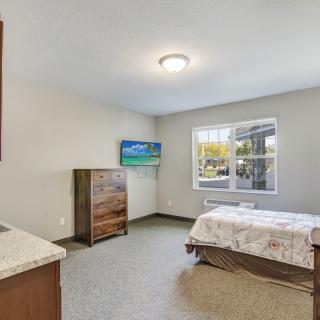
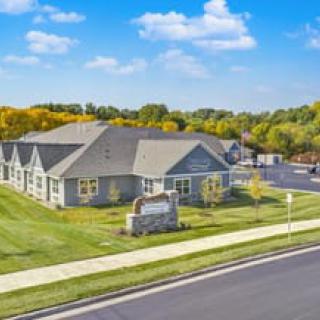
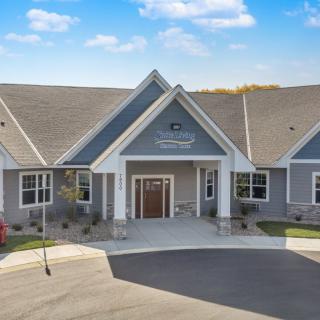
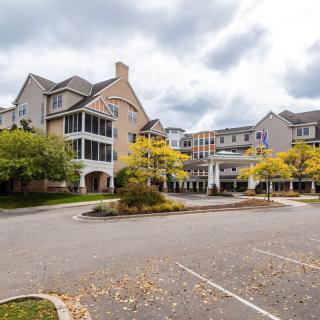
Suite Living Inver Grove Heights is best suited for families seeking a small, homey environment where the staff know residents by name, engage consistently, and provide a sense of peace through close personal attention. The community’s intimate scale, two wings on a single, walkable campus with easy circulation, lets memory-care residents and assisted-living partners move about safely without the impersonal feel of a larger campus. Families report a strong, hands-on care culture: 24/7 staff presence, a nurse manager who is genuinely accessible, and a team that responds quickly to questions. The layout and atmosphere support meaningful daily life, with in-house dining, recurring activities, and opportunities for social interaction in a setting that feels like a tight-knit neighborhood rather than a clinical facility.
That said, a clear portion of reviews signal that alternatives should be on the table for certain needs. Some families encountered staffing gaps on weekends, which translated into slower responses or stretched care hours. There are repeated cautions about the cost of memory-care services, and a few accounts of billing for services not requested or not clearly required. Several families urged careful, written confirmation of care plans and expectations, especially when hospice or complex medical support is involved. A few accounts described lapses in follow-through on specific care tasks, and one or two families raised concerns about ethical questions or communication challenges. These threads suggest that while the core model works well for many, it may not be the best fit for those who require impeccable, hands-on oversight across all shifts.
The strongest pro-contribution comes from the community’s size and the personnel commitment: the small setting makes staff accountability more visible, and the staff’s willingness to personalize care translates into meaningful daily moments for residents. Positive experiences consistently highlight prompt problem-solving, friendly and outgoing caregivers, and a responsive nurse manager who can coordinate with families. Memory care residents often benefit from a dedicated environment that preserves routines and fosters engagement, with staff who understand the nuanced needs of dementia as they shift from assisted living into memory care. When these core strengths align with a family’s expectations, the result is significant peace of mind and a sense that a loved one is truly seen.
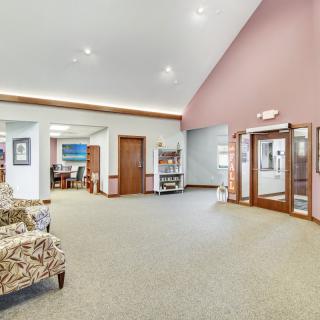
Dining and daily social life add texture to the overall experience. Several reviews commend nutritional meals and a cook who understands resident preferences, while others note that menu choices did not always align with a resident’s tastes. The atmosphere is described as welcoming, with a clean, home-like feel and accessible spaces that support mobility and social participation. The activity calendar appears robust, featuring religious services, computer resources, and varied programs designed to keep residents engaged. For families prioritizing enrichment and consistent opportunities to socialize, these elements can meaningfully offset other concerns, particularly in memory care where connection is essential.
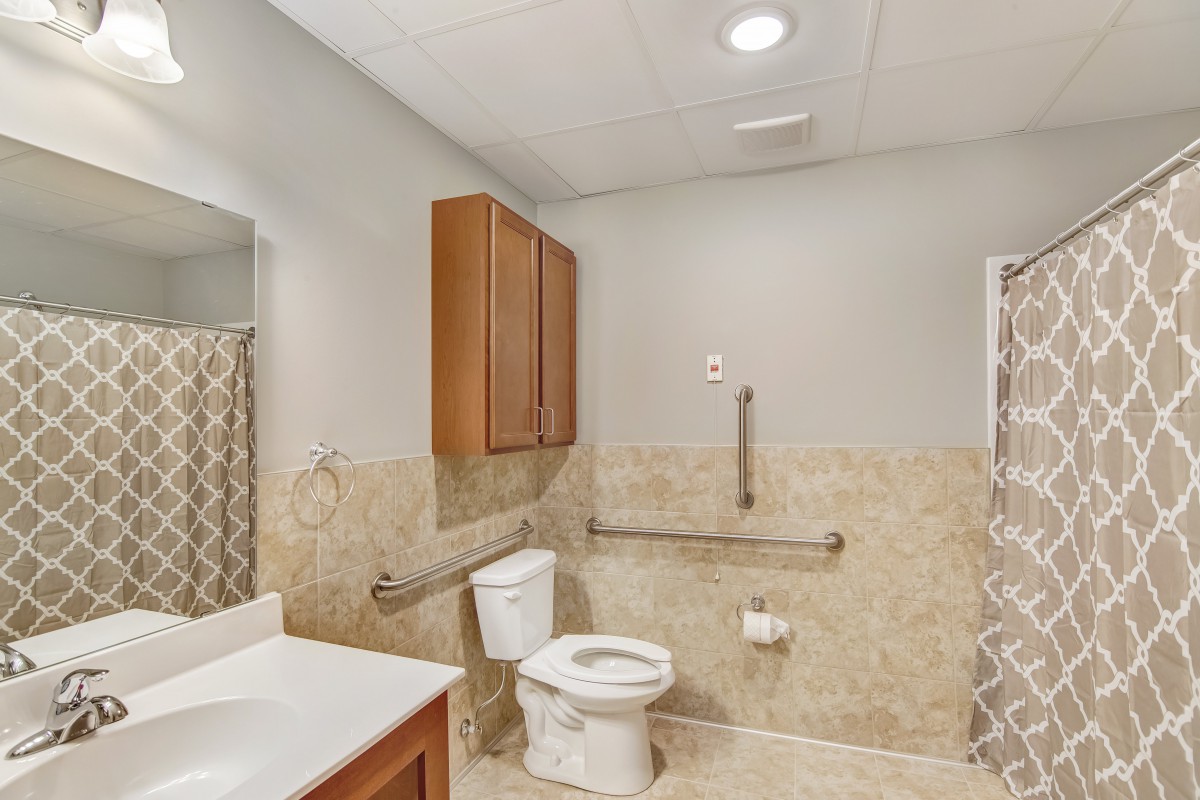
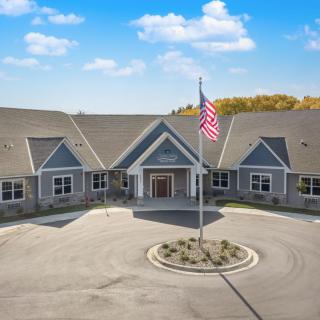
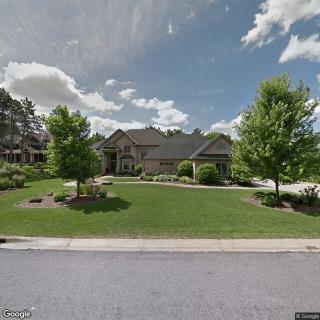
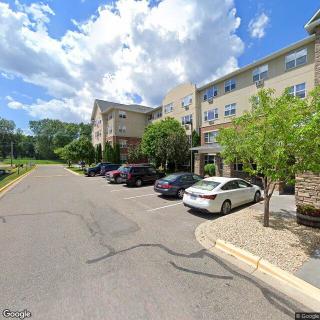
On the operational side, there is broad appreciation for the facility’s physical design: a ground-floor layout, a circular internal path that supports safe ambulation, and a sense of security reinforced by a gated, easy-to-navigate environment. The two-wing structure, memory care and assisted living, facilitates appropriate programming while still allowing shared community experiences. Proximity to family and a straightforward way to visit are repeatedly cited as real advantages for those who want hands-on involvement. However, practical realities linger: the price point can be a stressor for memory care, and families are advised to verify every care expectation, ideally in writing, to avoid misalignment between what is promised and what is delivered.
For families weighing their options, this community is a compelling fit when the priority is a small, engaged setting with visible staff dedication and strong memory-care programming. It works best for those who can accept potential scheduling gaps and the need for proactive oversight, especially if hospice or complex medical needs are involved. If a family requires ultra-consistent staffing across all shifts, transparent, itemized billing with minimal ambiguity, or a high-touch, 24/7 medical-support model, it may be prudent to compare other options. In all cases, a thorough on-site tour, conversations with the nurse manager, and a careful audit of the care plan and menus will yield the clearest read on fit.
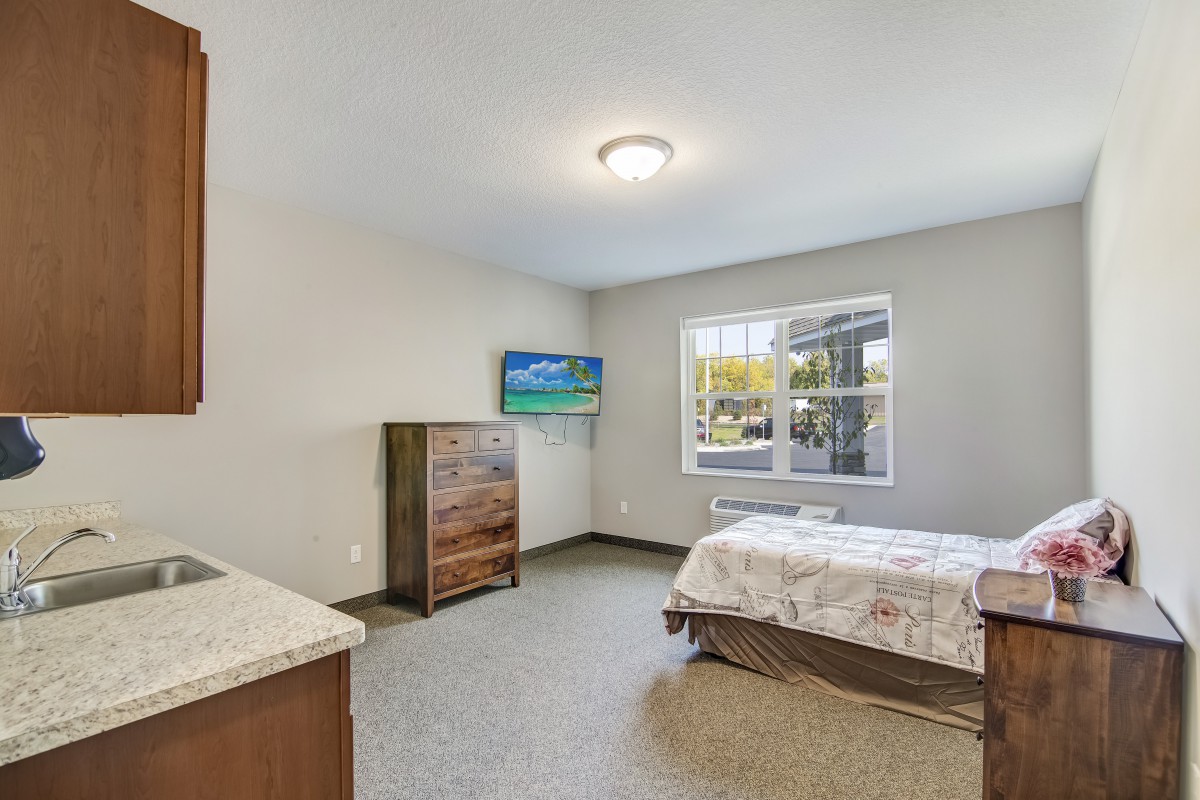
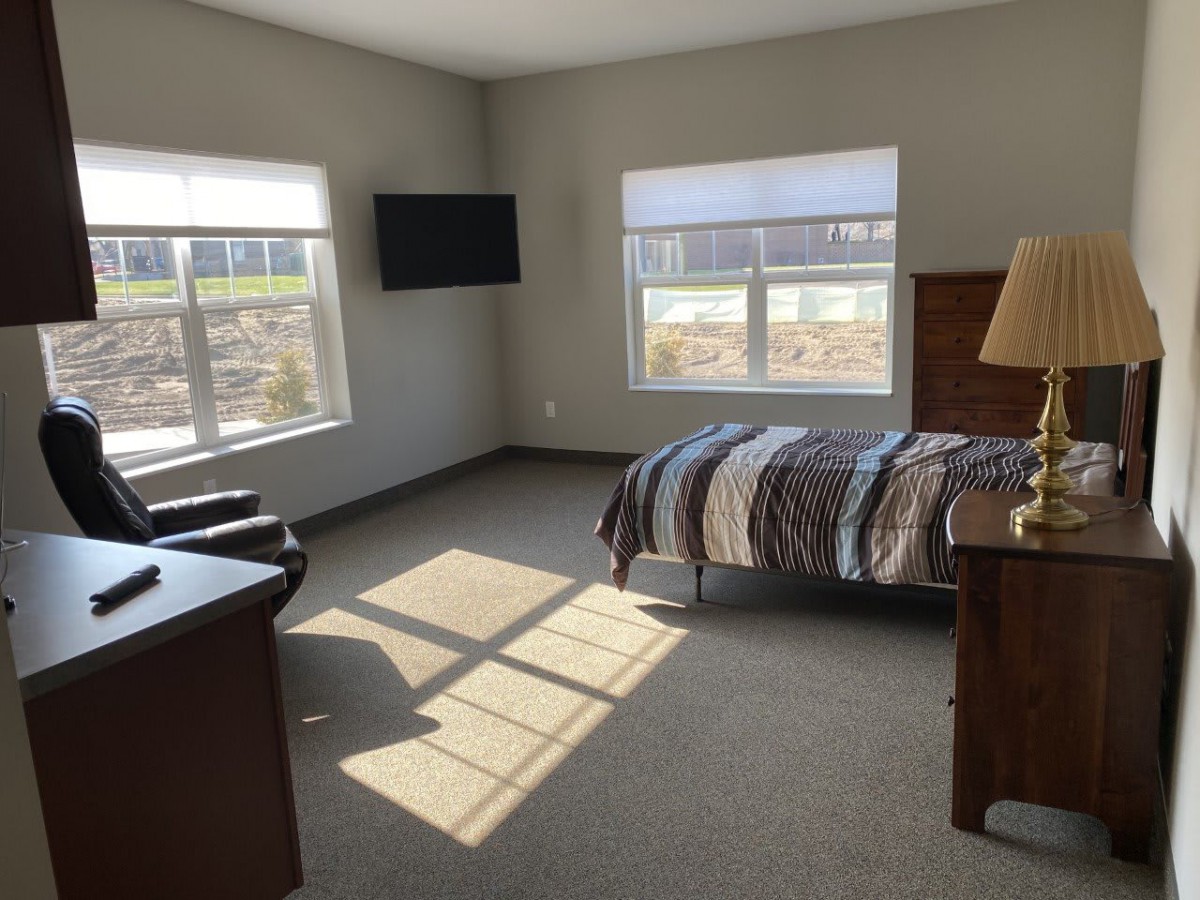
 Studio apartments
 Assisted Living
 Memory Care
 Activities on-site
 Air-conditioning
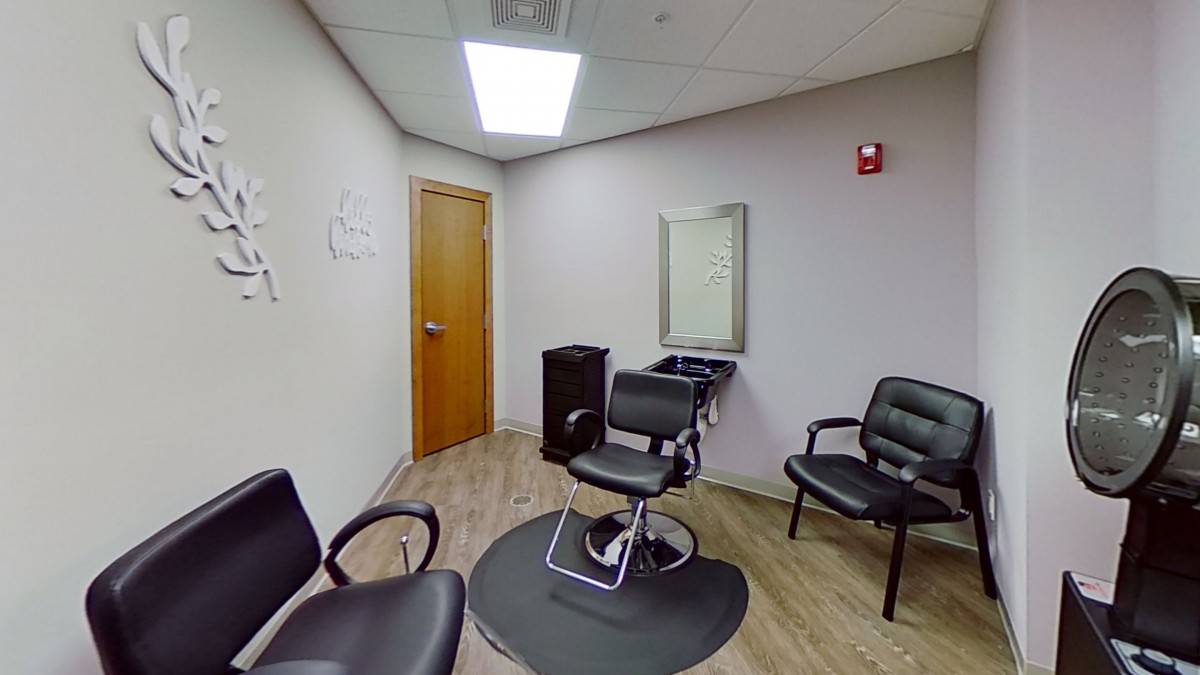
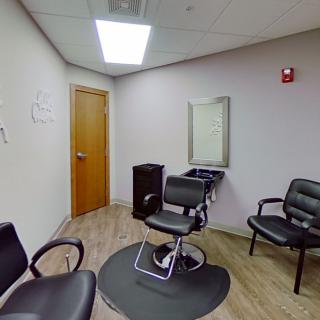
 Beautician on-site
 Cable or satellite TV
 Devotional services off-site
 Dining room
 Garden
 Ground floor units
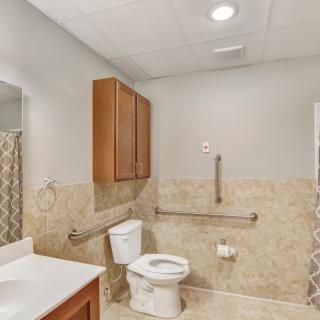
 Handicap accessible
 Housekeeping services
 Indoor common areas
 Kitchenette
 Respite or short term stays offered
 Wheelchair accessible showers
 Wi-Fi/high-speed internet available
 Minneapolis-St Paul International (8 miles away)
 Diabetic care
 High acuity care
 Incontinence care
 Medication management
 Guest meals
 Art classes
 Cooking classes
 Day trips and outings
 Educational speakers / life long learning
 Happy hour
 Live dance or theater performances
 Live musical performances
 Stretching classes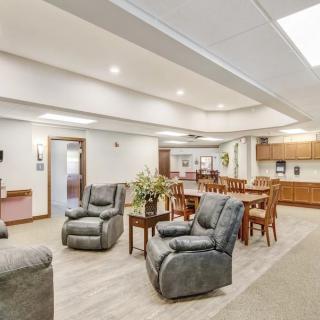



 Engaging Memory Care Activities That Enhance Quality of Life
 When to Transition from Assisted Living to Memory Care: Key Indicators, Steps, and Finding the Right Community
 Understanding the Distinctions: Assisted Living and Memory Care Explained