
2221 Keenan Drive, International Falls, MN 56649
For more information about senior living options: (866) 208-4318
Overall Review of Good Sam International Falls
Pros
 The parents had caring staff who provided kind and supportive care.
- The parents were happy, receiving comfort and dignity.
- The facility feels more like a home than an institution.
- Therapy is excellent.
- The mother is improving daily.
- Those staying to recuperate are happy with the staff's expertise and care.
Cons
 They called the staff "scum" and criticized the handling of their father's care.
- They claimed the hospital suggested moving their dying father to a nearby SNF (Good Samaritan) and condemned it as lacking compassion.
- They asserted that Good Samaritan refused to review the transfer paperwork without giving any reason.
- They stated that they had to travel 20 miles away to LittleFork Medical Center to be near their father, which they viewed as unacceptable.
- They alleged that the insurance network prevented service at Good Samaritan and LittleFork despite beds being available.
- They warned the matter would attract scrutiny from the State's Attorney and others.
- They asserted that no person should be treated this way.
Review
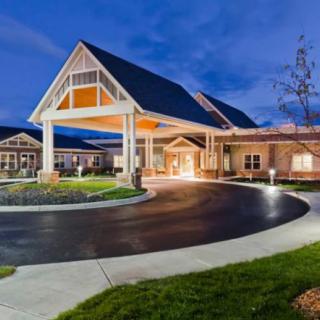
Good Sam International Falls is best suited for seniors who want a warm, home-like atmosphere combined with solid rehabilitation options and attentive, consistent care. The campus features a small-net feel where staff engagement is frequently cited as a meaningful strength, and residents who need help with daily living tasks can pair that support with on-site therapy. Families seeking dignity, respect, and personal attention during recovery or ongoing assistance will find this community a practical fit. The layout and culture tend to favor residents who respond well to a congenial, less institutional environment while still accessing skilled nursing and rehabilitative services on-site through units like the Voyageurs skilled unit and related elements of the campus.
Those considering alternatives should note potential gaps for families with particular expectations about hospital coordination and crisis decision-making. If the priority is seamless, explicit transfer protocols and a hospital network with transparent, timely discharge decisions, this may warrant looking at other options. The negative experience recounted by one family, describing a serious breakdown in transfer discussions after a stroke and questions about admission decisions, signals that not all families will experience smooth crisis coordination. For families where end-of-life planning, rapid transfer to designated facilities, or stringent accountability in the discharge process are non-negotiable, exploring other campuses with stronger, documented transfer pathways could be prudent.
On the upside, the strongest pros center on the human touch and the rehabilitative framework. Caregivers are repeatedly portrayed as compassionate and supportive, with a philosophy that treats residents with dignity and fosters a sense of comfort. The therapy program is described as excellent, and residents in positive reports show tangible improvements and daily progression. This combination, consistent warmth from staff and a capable therapy team, delivers meaningful value for individuals recovering from illness or surgery, and for residents who require ongoing assistance but do not demand highly aggressive medical intervention on a 24/7 basis. For many families, these elements translate into a trustworthy daily lived experience of safety, respect, and progress.
Nevertheless, the facility’s weaknesses hinge on crisis management and transfer clarity. The cited incident involves a hospital-acquired tension around moving a patient to the most appropriate skilled facility, with a parent describing distress and a sense that crucial decisions were not explained or resolved in a satisfactory manner. While this is a single account in the broader feedback pool, it highlights a real risk area: during urgent medical transitions, communication, policy transparency, and partner hospital coordination matter as much as comfort and routine care. Families should probe how discharge planning is conducted, who makes the final call in difficult situations, and how families are kept informed when timelines shift or options narrow.
In practical terms, this community remains a strong fit for rehabilitation-minded residents who value a homelike ambiance and steady, compassionate care. The balance tilts toward preference for a nurturing environment and consistent therapy over aggressive or highly risk-averse clinical transfer handling. Prospective buyers should enter with clear questions: what are the exact transfer protocols when hospital care is needed, what is the average wait time for placement in a skilled unit, and how are families involved in critical decisions? Request a tour that emphasizes the therapy gym, meet the treating therapists, and talk through discharge scenarios with the administrator. When these conversations align with personal expectations, Good Sam International Falls can be a reliable, comfort-forward choice.
 21 resident community capacity
 Assisted Living
 Beauty salon
 Cable or satellite TV
 Dining room
 Fully furnished
 Garden
 Housekeeping services
 Kitchenette
 Move-in coordination
 Outdoor space
 Telephone
 Wi-Fi/high-speed internet available
 Falls International (2 miles away)
 24-hour call system
 Activities of daily living assistance
 Assistance with bathing
 Assistance with dressing
 Assistance with transfers
 Diabetes diet
 Meal preparation and service
 Medication management
 Mental wellness program
 Special dietary restrictions
 Transportation arrangement (medical)
 Transportation to doctors appointments

 Funding and Affording Assisted Living: A Thorough Overview
 Assisted Living Expenses and Long-Term Care Insurance: A Comprehensive Exploration
 Securing Financial Support for Assisted Living: A Comprehensive Overview